💰 Budget
Libreville is one of the more expensive cities in Central Africa. Hotel rooms, imported food and restaurant meals all cost more than the region's average, and taxis and boat transfers add up. Eating at markets and maquis grills and using shared taxis cuts costs sharply, but budget accommodation is limited and national park trips are priced separately and steeply.
- Daily Budget Midrange
- USD 200–400 (business or mid-range hotel, restaurant meals, private taxis, a boat trip across the estuary)
- Daily Budget Shoestring
- USD 70–120 (simple hotel room, market and maquis food, shared taxis)
Park visits are sold as packages including flights or transfers and permits; arrange them before arriving rather than on the spot.
📅 Best Time to Visit
June to September, the long dry season, is the most comfortable time and the easiest for travel onward to the parks: cooler, overcast and much less rain. Heavy rains fall from March to May, and a shorter dry spell around January and February brings hot, bright weather within the leatherback nesting season on the beaches opposite the city.
⏳ Suggested Number of Days
Two days cover the centre, the markets, the museum and the churches. Three or four allow for the beaches and mangrove parks across the estuary and up the coast. Traffic and boat schedules stretch every plan, so allow more time than the distances suggest.
- First Visit
- 2 days
- With Surroundings
- 3–4 days
🚆 Transportation
Shared taxis are the backbone of city transport, running fixed routes and picking up several passengers at once; hiring one for an exclusive trip costs several times more and is agreed before setting off. Minibuses cover the main corridors, and there is no rail or tram service within the city. Traffic on the few main roads is heavy at peak hours. Boats to Pointe-Denis and Pongara leave from the central waterfront.
Fares are agreed before getting in, and having small notes in CFA francs makes the journey simpler; ride-hailing is limited and hotel cars are the usual option at night.
🛬 Airport & Station Connections
Léon-Mba International Airport is about 11 kilometres north-west of the centre, 15 to 30 minutes by road depending on traffic, and is Gabon's only airport with scheduled international services, with flights to Paris, Casablanca, Istanbul and regional capitals. The e-visa is valid only for arrival here. Trains on the Trans-Gabon railway leave from Owendo, south of the city, for Lopé and Franceville, and the RN1 road runs inland towards Lambaréné.
🚶 Walkability
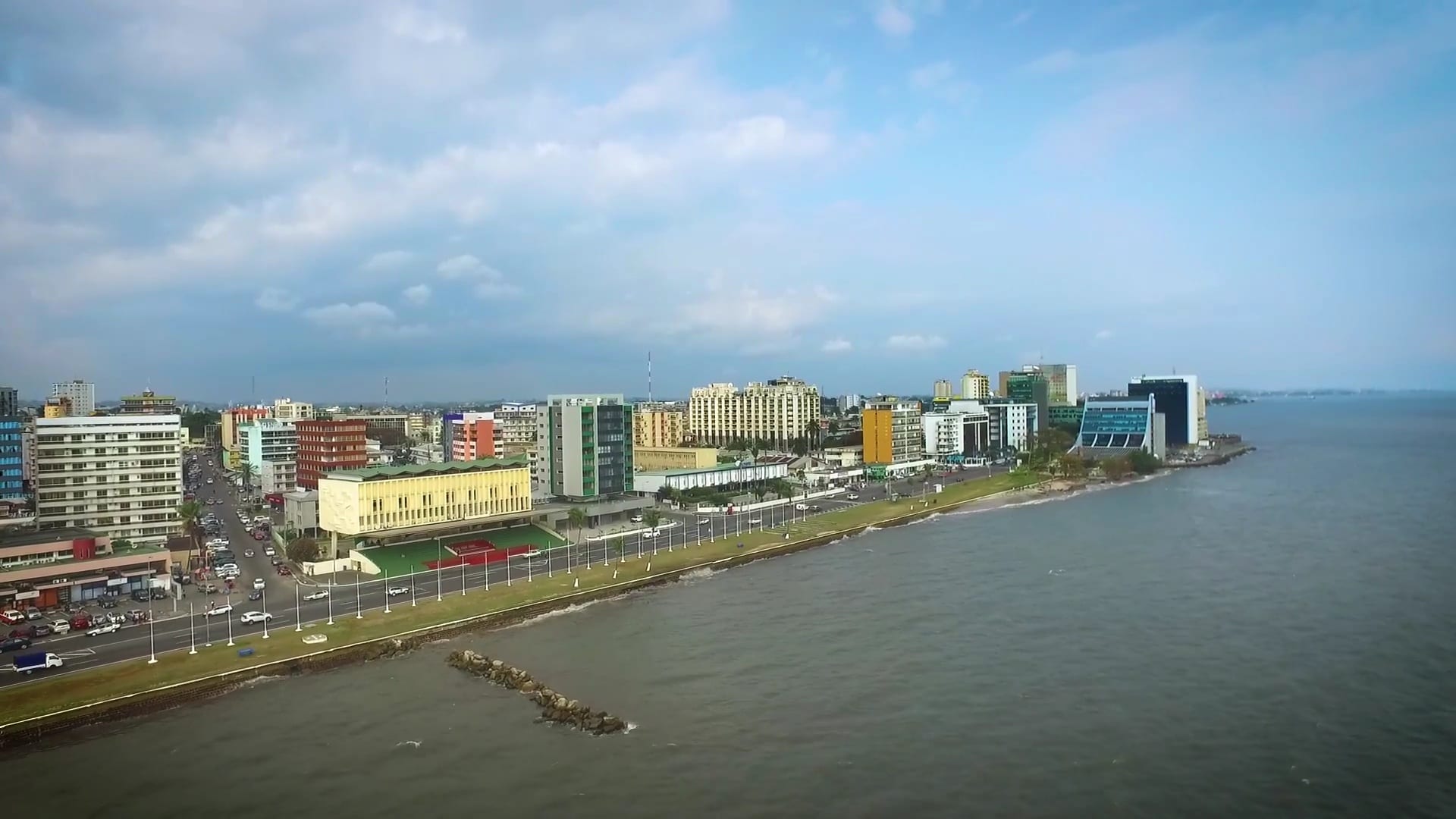
The centre and the seafront boulevard are walkable, with pavements along the main stretches and short distances between the ministries, hotels and the waterfront. Elsewhere pavements are broken or absent, the hills are steep, the heat and humidity are constant, and the distances between quarters are large, so most journeys are made by taxi. Walking after dark is generally avoided outside the busiest streets.
🛡️ Safety
Libreville and the main towns are relatively calm, with street crime — muggings, phone theft, and break-ins — the main concern, especially after dark. Since the August 2023 military takeover, and the 2025 election that made its leader president, there is a heavier security presence and occasional restrictions. The markets and the beach areas are where pickpocketing is most common, and swimming off the city beaches is affected by currents and pollution.
Hotel or arranged transport is best at night, identification and a yellow fever certificate should be carried, and government, military and presidential buildings must not be photographed. Check current official travel advice before travelling.
🌦️ Climate
Equatorial and humid all year, with temperatures that barely change from month to month and vary mainly with the rain. The long dry season runs from about June to September, when skies are overcast and the air is a little cooler; heavy rains fall from March to May and again from October to December, with a short dry spell around January and February.
- Summer
- the long dry season, June to September, is cloudy and relatively cool, around 26°C by day, with very little rain
- Winter
- the rainy months of October to May are hotter, near 30°C, humid and stormy, with the heaviest downpours from March to May
🤝 Local Customs
Public life is strongly Francophone: greetings in French, a handshake and an exchange of pleasantries before any business, and fairly smart dress in offices and restaurants. Most Gabonese are Christian, and churches are busy on Sundays; Bwiti and other traditional practices are treated seriously and are not entertainment. Photographing people, and especially officials, requires permission.
Tipping is not obligatory but small amounts are appreciated in restaurants; beachwear belongs on the beach; and photographing government and military sites, including the presidential palace, is best avoided.
💳 Common Payment Methods
The currency is the Central African CFA franc (XAF), pegged to the euro. Cards are accepted at the larger hotels, supermarkets and some restaurants in the centre, but cash is needed everywhere else, and markets, taxis and boats are cash only. ATMs are in the centre and at the airport; euros in cash are the easiest currency to bring and exchange.