💰 Budget
Zinder is inexpensive for food and local transport, with a handful of basic and mid-range hotels and a large cheap market. Visitors are rare, and the practical cost of any journey is the vehicle, driver and security arrangements it would require rather than the price of a room. Nigerian naira circulate alongside the CFA franc in trade with the border.
- Daily Budget Midrange
- USD 85–170 (better hotel, a hired car and driver, a local guide)
- Daily Budget Shoestring
- USD 25–45 (basic hotel, street food, bush taxis) where travel is possible
Carry CFA francs in cash; cash machines are few outside Maradi and Zinder.
📅 Best Time to Visit
November to February for the coolest weather, the harvest markets and the busy season in the towns. The festivals at the end of Ramadan and at Tabaski, when horsemen parade before the sultan, follow the Islamic calendar and move each year. Security, not season, now decides whether a visit is possible.
⏳ Suggested Number of Days
The two old quarters and the market make a compact city to take in, and most of what Zinder offers is within walking distance. Extra time is for the market towns around it, and depends on whether road travel is advisable at all.
- First Visit
- 1–2 days
- With Surroundings
- 3 days
🚆 Transportation
The national road, paved but often potholed, runs west to Maradi, Birni-N'Konni and Niamey and east towards Diffa, with a road south to the Nigerian border. Buses and bush taxis link the towns, and the city has an airport. Within Zinder, motorbike taxis, shared taxis and carts do most of the work, and the outer quarters are spread out.
Travel only in daylight, on the main road, and follow local security advice before setting off.
🛬 Airport & Station Connections
Zinder lies about 860 kilometres east of Niamey on the paved national road through Dosso, Birni-N'Konni and Maradi, a long day or more by bus. The city's airport handles occasional domestic flights. Kano, in northern Nigeria, is the nearest large city across the border, about 240 kilometres to the south, and much of the traffic in and out of Zinder is trade with it.
🚶 Walkability
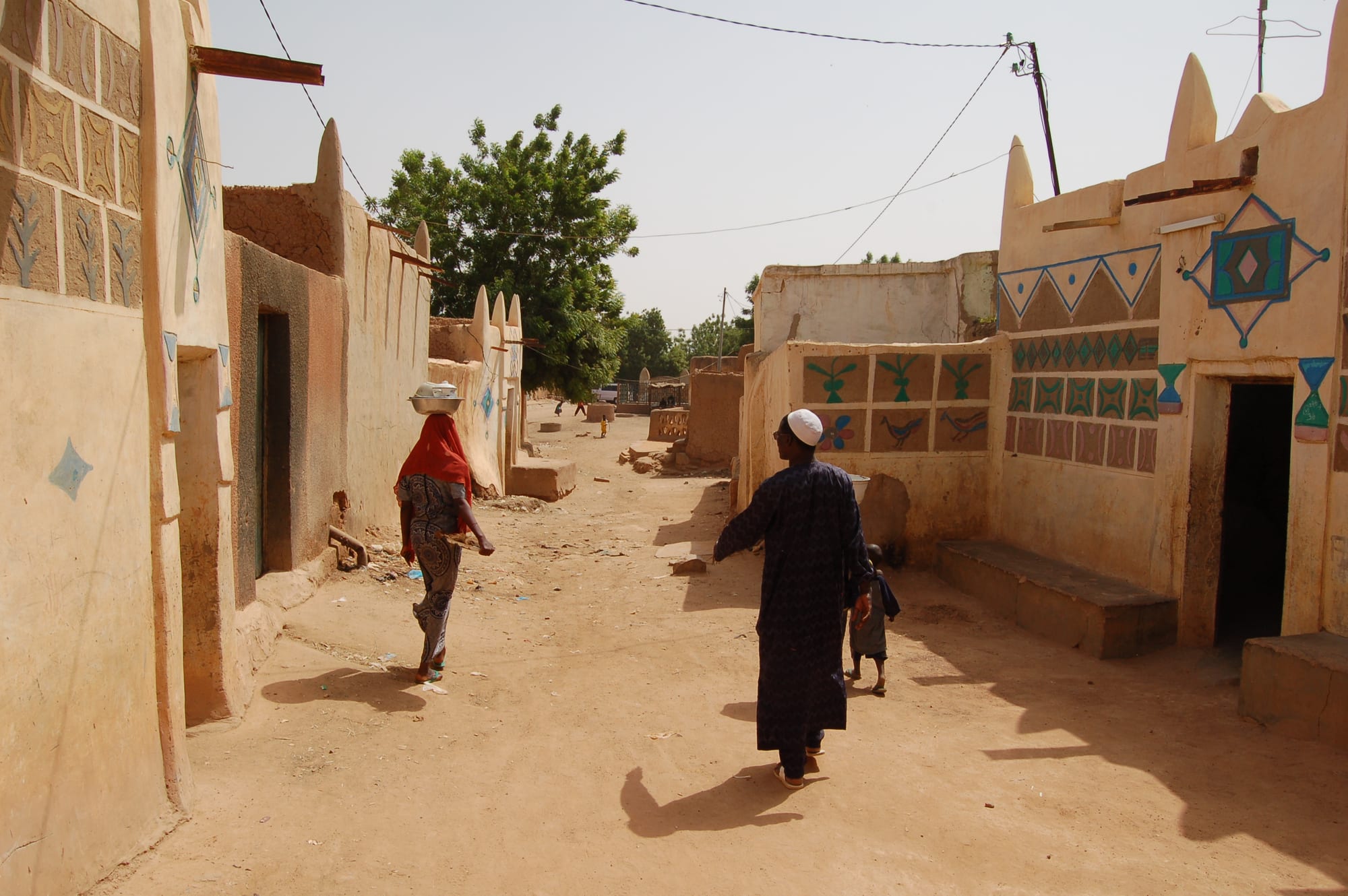
The Birni, Sabon Gari and Zengou are close together and the old quarters are best seen on foot, in lanes of sand and stone too narrow for cars. Distances to the outer quarters are longer, shade is scarce and the heat is severe from March to May, so most people take a motorbike taxi outside the centre.
🛡️ Safety
Most governments advise against all travel to Niger. The centre-south has been calmer than the west and the south-east, but the border districts south of the city suffer raids and kidnappings for ransom by armed gangs based in north-west Nigeria, and kidnapping of foreigners is a risk throughout the country. Niger has been under military rule since the coup of July 2023, and roadblocks, curfews and restrictions can appear without notice.
Most governments advise against all travel to Niger, or against all but essential travel to Niamey only. Stay in the towns, avoid the border districts and northern Tahoua, and keep a low profile. Check current official travel advice before travelling.
🌦️ Climate
Sahelian, with one rainy season from about June to September and a long dry season either side of it. March to May is extremely hot, often above 40°C, and the Harmattan brings dust and cooler nights from December to February. Heavy storms can damage earthen buildings.
- Summer
- rainy season June–September, hot and humid, around 24–36°C
- Winter
- dry and dusty, 14–34°C from December to February; very hot from March to May
🤝 Local Customs
Zinder is a conservative Muslim city and Hausa is its language, with Kanuri heard around the Birni and French in offices. The sultan of Damagaram remains a figure of authority, and his palace and the mosques are places of standing rather than sights. Greetings are long and precede any request, elders are addressed first, and eating and giving are done with the right hand. Modest dress is expected, particularly of women.
Ask before photographing people, the palace or the old quarters, never photograph soldiers, police or checkpoints, and dress with covered shoulders and knees.
💳 Common Payment Methods
The currency is the West African CFA franc (XOF), pegged to the euro, and Nigerian naira change hands in border trade. The city works in cash; there are a few cash machines, but they are unreliable, and cards are accepted almost nowhere.