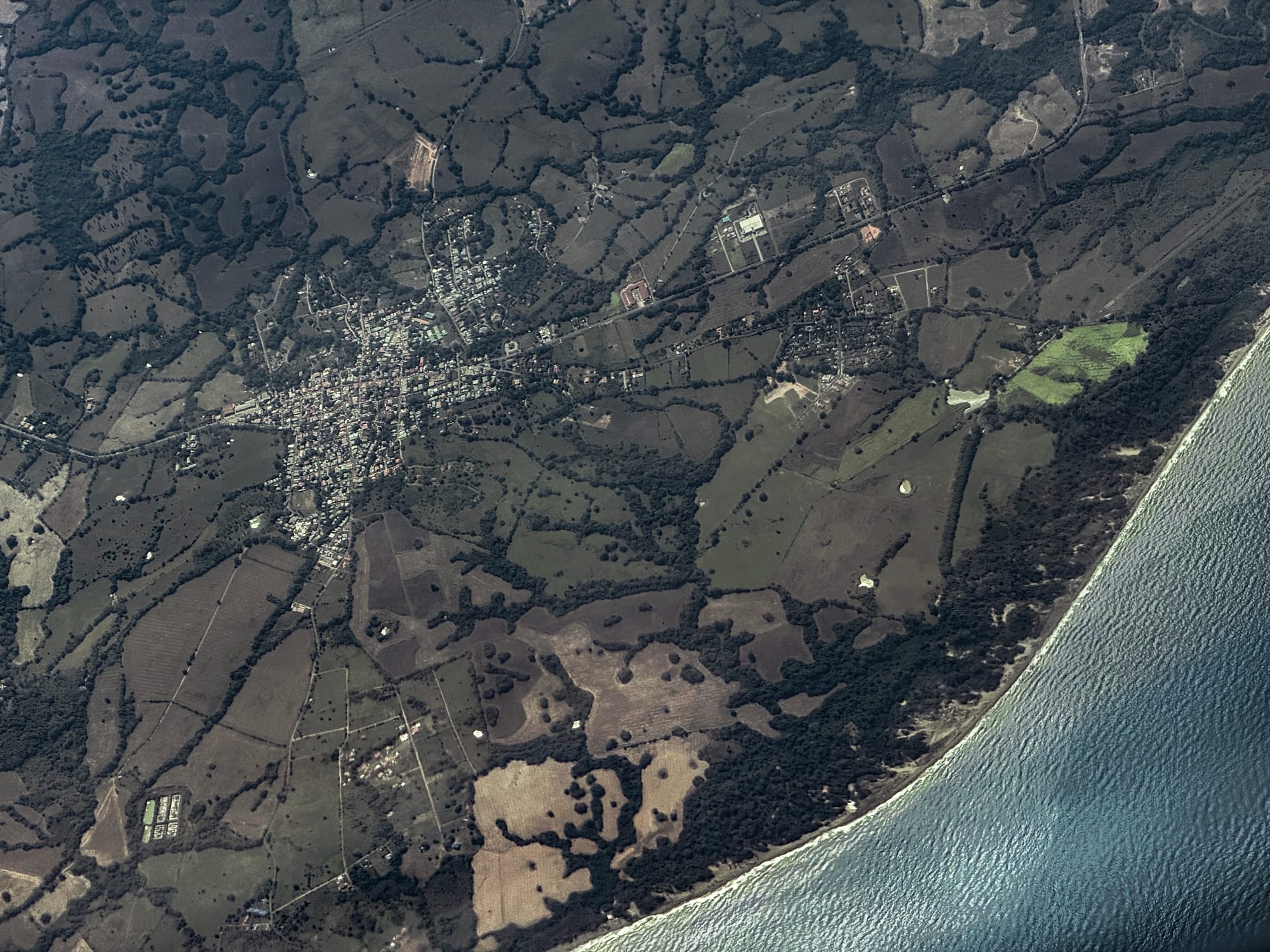
View of the town of Pedasí

The Azuero Peninsula & the Central Highlands, Panama

Pedasí

The town of Pedasí, a little over three kilometres inland from the Pacific coast. (WMrapids / Wikimedia Commons · CC0)

A small fishing town near the south-eastern tip of the Azuero Peninsula, a little over three kilometres inland from the Pacific. Neat streets around a central plaza, a lively carnival and the birthplace of Panama's first woman president give it its character; today it is the base for surf beaches such as Playa Venao and boat trips to the reefs of Isla Iguana.

Neighbourhoods

  • The town centre
    • First-time visitors
    • Best for food
    • Historic district

    Avenida Central and the plaza, with the civic buildings two blocks away, two banks, mini-supermarkets and a handful of restaurants on quiet, neatly laid-out streets. The plaza is where people gather to socialise in the evening.

    Open in Maps
  • The beaches near town
    • Beaches
    • Quiet and residential

    A string of sandy beaches lies a short drive from the centre, among them El Arenal, where fishing boats leave for Isla Iguana, Playa El Toro and Playa La Garita. Holiday homes, small guest houses and the beach residences of Los Destiladeros spread along this coast.

    Open in Maps
  • Playa Venao
    • Beaches
    • Surfing
    • Nightlife

    A wide bay farther west along the coast, now a small village in its own right, with surf breaks, hostels, hotels, restaurants and bars. It is the area's best-known surf spot.

    Open in Maps

Things to do

In town

  • The plazalandmark

    The town square and the centre of evening social life, with a bust and plaque honouring Mireya Moscoso, Panama's first woman president, who was born in Pedasí.

    Open in Maps

Beaches

  • Playa El Arenalbeach

    The beach where local fishing boats are drawn up and trips leave for Isla Iguana; farther along, the sand is good for relaxed swimming, and in the dry season it suits kitesurfing.

    Open in Maps
  • Playa El Torobeach

    A beach close to town used for swimming and fishing from the shore, with a rocky point break that works only with big swells.

    Open in Maps
  • Playa Los Destiladerosbeach

    A beach and residential area along the coast with several surf breaks, known as Millionaire's Mile for the large houses built there.

    Open in Maps
  • Playa Venaobeach

    A bay with a reliable south swell and breaks over a sandy bottom, which hosted ISA World Surfing championships in 2011 and 2012.

    Open in Maps

Short trips from the town

  • Isla Iguana Wildlife Refugepark

    A small protected island about 20 minutes by boat from El Arenal, ringed by coral reef and white-sand beaches, with a large nesting colony of magnificent frigatebirds and the black iguanas it is named after.

    Open in Maps
  • Isla de Cañaspark

    An island wildlife refuge with a 13-kilometre beach, Panama's most important turtle-nesting site, where five species of sea turtle come ashore to lay their eggs.

    Open in Maps

Seasonal events

  • CarnivalFebruary or March, before Lent

    The town splits into Calle Arriba and Calle Abajo, each with its own queen, competing with floats, music and fireworks; it is said to be the liveliest carnival in Panama after Las Tablas.

  • Fiesta de Santa Catalina25 November

    The town's celebration of St Catherine's Day.

  • Humpback whale seasonJune or July to October

    Humpback whales come to the Pacific coast to give birth and raise their calves, and whale-watching trips leave from the beaches near town.

  • Turtle nesting at Isla de CañasJuly to December

    The months when nesting sea turtles can be watched on the beach at Isla de Cañas.

Eat and drink

Long-standing places and food districts in Pedasí. Hours, ratings and directions come from your maps app, always current.

Pedasí classics

  • Avenida Central restaurantsneighborhood

    A handful of restaurants on the town's main road serving fresh seafood, local Panamanian dishes and some international food for visitors.

    Open in Maps
  • Playa Venao restaurants and barsneighborhood

    Beachfront restaurants and bars serving the surf crowd in the village at Playa Venao.

    Open in Maps

Experience Pedasí

History

Spanish colonists arrived on this part of the Azuero in the 16th century, largely wiping out or displacing the Indigenous peoples who lived there. In 1845 the town had 701 inhabitants; its architecture still combines the colonial Spanish style with modern masonry block.

During the Second World War the United States Army used nearby Isla Iguana as a bombing range; bombs stuck in the reef were cleared in the 1990s, after the island had been declared a protected refuge in 1981. Pedasí's best-known daughter, Mireya Moscoso, was born here in 1946 and became Panama's first woman president. During her term she set out to improve her home town, and it gained better infrastructure; a bust and plaque on the plaza honour her.

Since then the beaches have brought change. Playa Venao was chosen for the Central American Surf Championship in 2007 and hosted ISA World Surfing championships in 2011 and 2012, which made the coast known among surfers, and the town has grown, from about 1,800 people in 2000 to an estimated 4,700 by 2020.

Culture & Customs

Pedasí shares the deep folk traditions of the Azuero. At festivals and carnival women wear the pollera, the multi-layered, hand-stitched national dress, some of which take nearly a year to make, decorated with ornate jewellery and gold chains; some men still wear cutarras, traditional sandals, and the region's folkloric black-and-white hats.

Carnival is the high point of the year. As in Las Tablas, the town divides into Calle Arriba, the upper street, and Calle Abajo, the lower street, each with its own queen, and the two try to outdo each other with floats, music and fireworks; at the end the winning queen is chosen by popular vote. Pedasí's carnival is reputed to be the most exuberant in Panama after that of Las Tablas. On 25 November the town celebrates the fiesta of Santa Catalina.

The plaza is the centre of social life. In the evening people come out to sit, talk and meet. The surf scene at Venao and the foreign residents of the coast have added a newer, more international layer to a town that remains rooted in its rural Azuero customs.

Daily Life

An estimate put Pedasí's population at about 4,700 in mid-2020. It remains principally a fishing town: the continental shelf drops away close to shore, so game fish such as sailfish, cubera snapper, roosterfish and grouper are caught all year, and local boats work from the beaches. Cattle pasture covers the rolling land around the town, and its hilly countryside has drawn comparisons with Tuscany.

Tourism has become a large part of the economy. Surfers, kitesurfers, divers, anglers and whale-watchers come for the coast, holiday homes have spread along the beaches, and the coast at Los Destiladeros is known as Millionaire's Mile for the mansions built there. In town, life centres on Avenida Central, the plaza and the civic buildings two blocks away, with two banks, a health clinic, a library, mini-supermarkets and small shops serving residents and visitors alike.

Days start early and follow the fishing boats and the heat. Evenings are spent on the plaza, and the town stays quiet outside carnival and the holidays, when visitors from the capital fill the rooms and the beaches.

Food

Pedasí cooks like the rest of the Azuero, with fish added. Fish and seafood come straight from the local boats and are served fried, grilled or as ceviche, with rice, beans and patacones, twice-fried plantain slices. Fondas serve set lunches of rice with a stew or fried fish, and sancocho, chicken soup flavoured with culantro, is the comfort dish. Sancocho made with free-range hen, gallina de patio, is a point of pride on the peninsula.

Breakfast is maize-based, as across the region: bollos, maize dough wrapped in husks and boiled, or thick fried tortillas, eaten with fresh white cheese from the Azuero's dairies. Tamales, maize dough with chicken or pork wrapped in banana leaves, appear at Christmas and festivals, and tasajo, salted and smoked dried beef, is fried or stewed.

Sweets include cocadas, coconut sweets. The festive drink is seco, the clear sugar-cane spirit of neighbouring Herrera, drunk neat, with milk or mixed. The beach restaurants of Venao add international dishes for the surf crowd.

Planning tools

Budget

Pedasí is cheaper than Panama City or Bocas del Toro, with simple rooms in town and holiday rentals, guest houses and beach lodges along the coast. Boat trips to Isla Iguana, whale-watching and fishing charters are the main extra costs, and prices rise sharply at carnival time.

Daily Budget Midrange
USD 80–170 (guest house or beach lodge, restaurant meals, a boat trip or surf lessons, a hire car)
Daily Budget Shoestring
USD 35–60 (simple room or hostel bed, fonda meals, buses and shared taxis)

Share a boat with other travellers for the Isla Iguana crossing, and book rooms well ahead for carnival.

Best Time to Visit

The dry season, from January to April, brings sunshine and wind, good for the beaches and for kitesurfing, and it includes carnival. Humpback whales are offshore from about June or July to October, and nesting turtles can be seen at Isla de Cañas from July to December.

Suggested Number of Days

Two or three days suit the town, a boat trip and a beach or two. Four to six allow time for surfing, fishing or the turtle beaches farther along the coast. The season and the sea conditions change the number, since boat trips depend on calm water.

First Visit
2–3 days
With Surroundings
4–6 days

Transportation

The town is small and walkable, but the beaches are spread along the coast and need a taxi, a hire car or a bicycle. Yellow taxis wait near the town sign on the main road, and there is no ride-hailing. Boats to Isla Iguana leave from El Arenal, and local fishermen can be hired there for fishing or whale-watching.

Agree the price and the return time before a boat leaves, and check that it carries life jackets.

Airport & Station Connections

Pedasí is about five hours by road from Panama City, on the road that runs south along the Azuero from Las Tablas. Buses and private shuttles run daily. The small Captain Justiniano Montenegro airport receives charter and private flights. International flights arrive at Tocumen International Airport in Panama City.

Walkability

The centre is compact and flat, and the plaza, shops and restaurants are all a short walk apart. The coast is a little over three kilometres away, and most beaches are reached by car, taxi or bicycle along quiet rural roads without pavements.

Safety

Panama is one of the safer countries in Central America, and the main tourist areas are generally fine with normal precautions. The region is among the calmest in Panama, with low crime in its market towns and villages. The main risks are rip currents on surf beaches such as Playa Venao, sea conditions on boat trips and unlit rural roads at night.

Swim only where locals do and heed the beach flags, avoid driving rural roads after dark, and wear a life jacket on boat trips. Check current official travel advice before travelling.

Climate

The Azuero is the driest part of Panama. Pedasí is hot all year, with a sunny, windy dry season from about mid-December to April and a wet season of afternoon storms for the rest of the year. The eastern plains of the peninsula turn brown in the dry months.

Summer
the wet season, May to November: 24–32°C in the region's lowlands, with afternoon storms
Winter
the dry season, mid-December to April: hot, sunny and windy, 26–32°C in Panama's lowlands

Local Customs

Pedasí is a traditional Azuero town. At festivals women wear the pollera, the hand-stitched national dress, with gold jewellery, and some men wear cutarras, traditional sandals, and the region's black-and-white hats. A greeting of buenos días or buenas tardes is expected before any question, and the plaza is the social centre in the evening.

Keep swimwear for the beach, dress modestly in the church, and ask before photographing people in festival dress.

Common Payment Methods

Panama uses the US dollar as paper currency, with its own balboa coins of the same size and value. The town has two banks; some hotels and restaurants take cards, but taxis, fishermen's boats, small shops and fondas expect cash.