💰 Budget
Saint-Denis has metropolitan French prices with an island surcharge on imported goods. Hotels here are mostly business-grade rather than resort hotels, and are often cheaper than the west-coast beach strip, while restaurant and supermarket costs are close to those in mainland France. Car hire from the airport is the biggest single expense for most visits.
- Daily Budget Midrange
- USD 145–285 (city hotel, restaurant meals, hire car, a museum or excursion)
- Daily Budget Shoestring
- USD 65–100 (guesthouse or simple hotel room, market snacks and self-catering, buses)
Weekday rooms fill with government and business travellers while weekends are quieter and cheaper, and the seafront, the gardens and the museums cost little or nothing.
📅 Best Time to Visit
May to November, the cooler and drier half of the year, is the most comfortable time in the city and the best for walking in the mountains behind it. October and November add the Grand Raid and Dipavali. January to March is hot, humid and the peak of the cyclone season, when heavy rain can close mountain roads.
⏳ Suggested Number of Days
The historic centre is small and can be seen in a day or two. Three or four days suit those adding the east coast, the inland cirques or walking in the hills above the city. Weather in the mountains, not the city, usually decides how long a stay becomes.
- First Visit
- 1–2 days
- With Surroundings
- 3–4 days
🚆 Transportation
City and island buses run from the city's bus station, with the Citalis network covering Saint-Denis and the Car Jaune coaches linking the coastal towns. Services are slow and thin in the evenings, so most residents and visitors drive. Traffic on the approaches to the city is heavy at peak hours, and parking in the centre is limited.
A hire car is the practical way to reach the hills, Salazie or the east coast; in the centre itself walking is easier than driving.
🛬 Airport & Station Connections
Roland Garros Airport lies about 7 kilometres east of the centre and handles long-haul flights from mainland France and regional services to Mauritius, Madagascar and other Indian Ocean destinations. The drive in takes around 20 minutes outside peak hours, with airport buses and taxis available. The coast road west and the mountain roads south are the other arrival routes.
🚶 Walkability
The centre is flat, compact and made for walking: the Rue de Paris and its continuation to the sea run for about a kilometre up to the Jardin de l'État, passing most of the historic buildings on the way. Beyond that grid the city climbs steeply or spreads along the coast, and distances to Sainte-Clotilde or the hill districts need a bus or a car. Shade and midday heat matter more than gradient in the centre.
🛡️ Safety
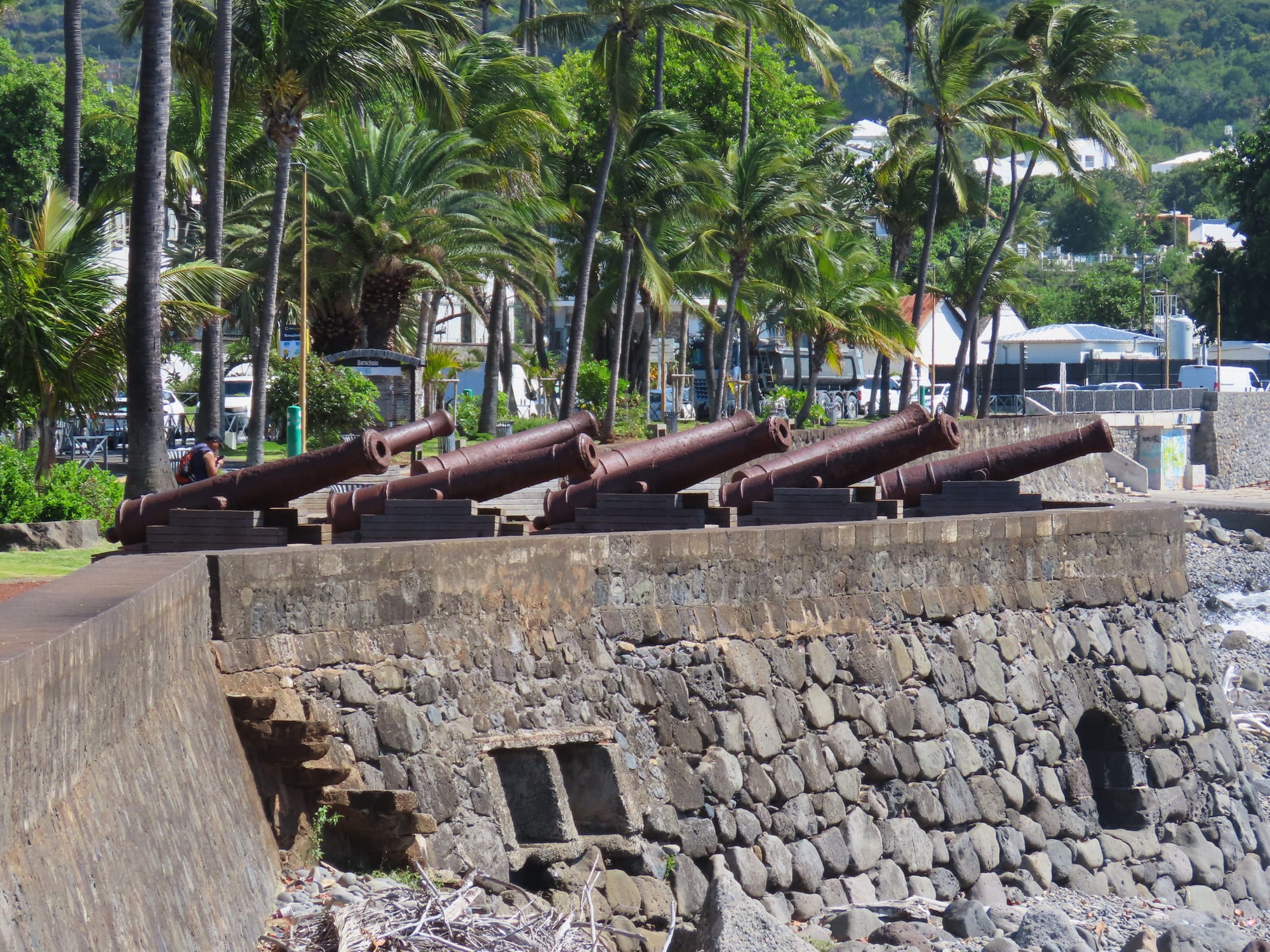
Saint-Denis is generally calm, with theft from parked cars, bag-snatching in busy streets and occasional night-time trouble around bars the main concerns. Natural hazards matter more: heavy rain can cause flash floods and rockfalls on the roads out of the city, and the sea in front of the Barachois is rough and rocky rather than a bathing beach.
Réunion is generally safe, with petty theft, vehicle break-ins, and some social unrest (as in the 2018–19 'yellow vest' blockades) the main issues. Leave nothing visible in a parked car, check road and weather conditions before driving into the mountains, and follow local guidance about where swimming is allowed. Check current official travel advice before travelling.
🌦️ Climate
Tropical and humid at sea level, with a hot wet season from November to April and a cooler, drier season from May to October. Being in the southern hemisphere, summer falls in December to February. The hills immediately behind the city are several degrees cooler and much wetter than the coast.
- Summer
- hot and humid — December to February days typically around 30°C, with heavy afternoon rain and the cyclone risk at its highest
- Winter
- warm and drier — June to August days usually 26–28°C, nights around 17–20°C, with clearer air for mountain views
🤝 Local Customs
French social manners apply: a greeting on entering a shop, handshakes or cheek kisses between friends, and formal address with strangers. Réunion Creole is the everyday language and French the official one, and switching between them is constant. Dress is casual but neat; beachwear is not worn in town. The city's Catholic, Hindu, Muslim and Chinese communities share the calendar, and visitors are usually welcome at public festivals.
Tipping is not expected as service is included, though small change is appreciated; remove shoes and ask before photographing at Hindu temples and mosques; alcohol is sold freely but public drunkenness is frowned upon.
💳 Common Payment Methods
The currency is the euro. Cards and contactless payment work almost everywhere, including small shops, and ATMs are common in the centre and at the airport. Cash is still useful at market stalls, snack vans and in the mountain villages inland.