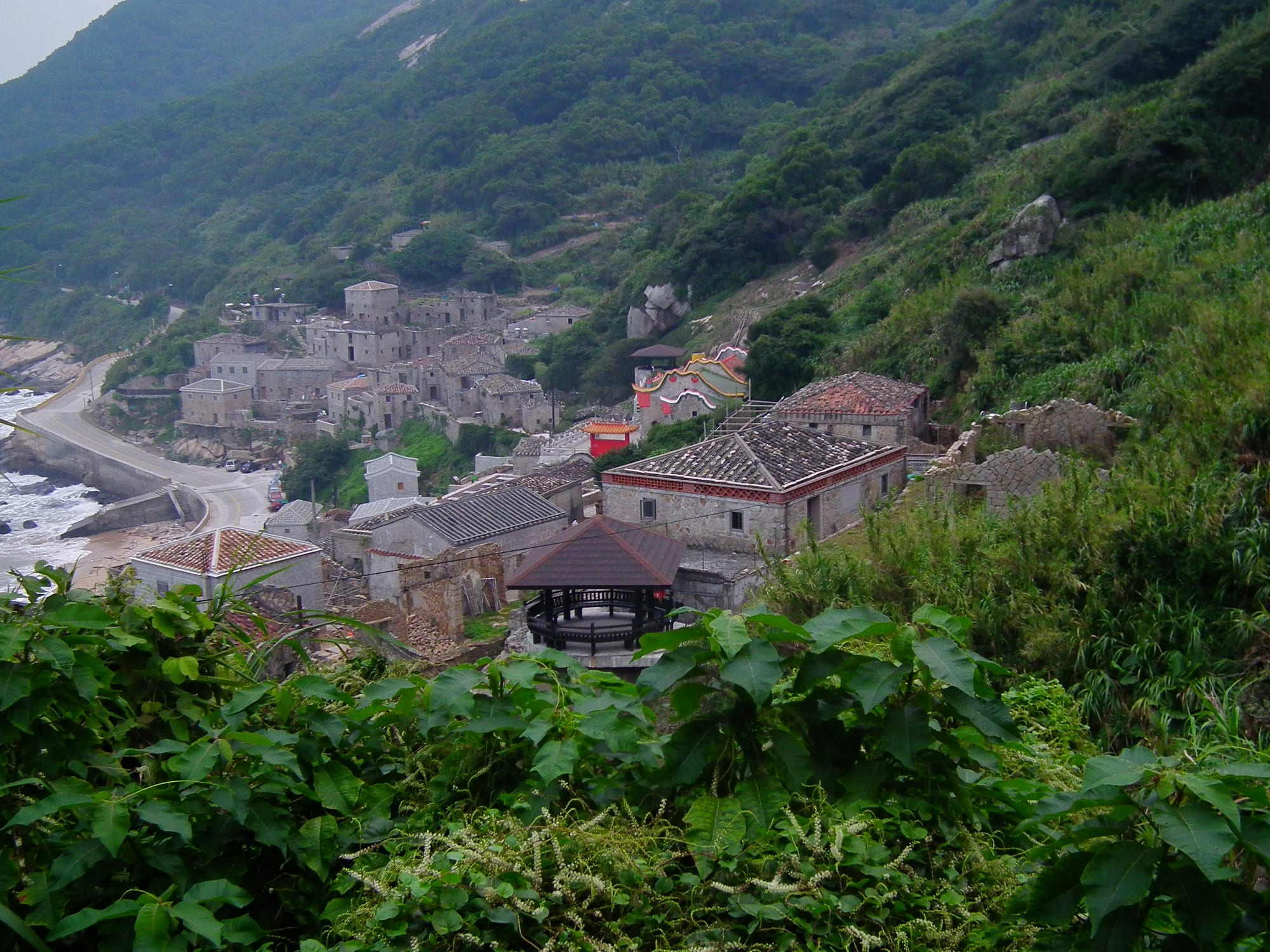
💰 Budget
Costs are modest once travellers arrive, but transport dominates the budget: flights from Taipei, inter-island ferries and boat trips add up, and the overnight ferry from Keelung is the cheapest way in. Lodging is mostly family-run guesthouses, with a few small hotels on Nangan, and prices climb in the blue tears season.
- Daily Budget Midrange
- USD 110–200 (hotel, seafood dinners, island-hopping boat trips, flights split across the stay)
- Daily Budget Shoestring
- USD 45–70 (homestay, local eateries, a hired scooter)
Book rooms and flights well ahead for spring weekends, and build spare days into any trip, as fog regularly cancels flights.
📅 Best Time to Visit
April to September is the practical window, when the sea is calmer, ferries run more reliably and the blue tears appear. That same season brings heavy fog, which closes the airports for days at a time. Autumn is clear and pleasant; winter is cold, grey and very windy, and many services thin out.
⏳ Suggested Number of Days
Two or three days cover the two main islands. Four or five allow the outlying islands as well, which depends on small ferries and settled weather. Any stay should include a margin for fog, which can hold flights on the ground.
- First Visit
- 2–3 days
- With Surroundings
- 4–5 days
🚆 Transportation
Scooters, hired from guesthouses and shops, are how most visitors get around; cars and electric bikes are also available, and a few bus routes circle Nangan and Beigan. Ferries link Nangan with Beigan several times a day in about ten minutes, and less frequent boats serve Juguang and Dongyin. Roads are steep, narrow and often wet in fog.
Carry a licence valid for a scooter, ride slowly on the hill bends, and check the boat timetable and sea conditions the day before any island hop.
🛬 Airport & Station Connections
Matsu Nangan Airport and Matsu Beigan Airport take propeller flights from Taipei Songshan, with one daily service from Taichung; fog cancels them frequently, especially in spring. An overnight ferry runs from Keelung on the main island to Nangan and Dongyin. Ferries also cross to the Fujian coast near Fuzhou for travellers with the right documents.
🚶 Walkability
Each village is small enough to walk, and the coastal paths, steps and ridge walks around Qinbi, the lighthouses and the old gun positions are among the best things to do here. Between villages the roads climb steeply and have no pavements, so most people ride. Distances on any one island are short, but the hills make them feel longer.
🛡️ Safety
The islands are very safe, with almost no crime, and the risks are natural and military. Cliff paths, slippery steps and sudden fog need care, boat trips can be rough, and Matsu remains a frontier area with fenced military land, closed coastal zones and old defensive obstacles on some shores.
Obey warning signs and fences near military sites and cliffs, do not handle metal objects found on beaches, and keep to marked paths in fog. Check current official travel advice before travelling.
🌦️ Climate
Cooler and damper than Taiwan's main island, with a strong north-east monsoon in winter and a long foggy season from spring into early summer. Typhoons can pass close in late summer.
- Summer
- warm and humid, generally 26–31°C, with sea fog, showers and the chance of typhoons
- Winter
- cold and very windy, often 8–15°C, grey and damp with rough seas
🤝 Local Customs
Matsu speaks Eastern Min, the Fuzhou dialect, rather than the Hokkien of most of Taiwan, and village life turns on temples, clan ties and the fishing calendar. Temple etiquette is taken seriously: offerings are not touched, and hats come off inside halls. Tipping is not customary in Taiwan. Drinking rice wine with a host is a normal part of hospitality.
Ask before photographing people, houses or rituals, avoid photographing military installations and personnel, and keep noise down in the small stone villages at night.
💳 Common Payment Methods
The currency is the New Taiwan dollar. Cards are accepted in hotels and larger shops on Nangan, but many guesthouses, small restaurants and boat operators want cash. ATMs exist in Jieshou and at post offices on the main islands and are scarce on Juguang and Dongyin, so cash should be drawn before leaving Nangan.