💰 Budget
Before 2014 Donetsk was among the cheaper large cities of Ukraine. Since then it has been under Russian-backed and then Russian control and is closed to crossing from Ukrainian-held territory, so costs are beside the point. The figures below are a pre-war guide only.
- Daily Budget Midrange
- USD 55–110 (pre-war guide: mid-range hotel, restaurant dinners, taxis)
- Daily Budget Shoestring
- USD 20–40 (pre-war guide: hostel, canteen meals, public transport)
Do not travel to Donetsk; no ordinary travel insurance covers it, and it cannot be entered lawfully from Ukrainian-controlled territory.
📅 Best Time to Visit
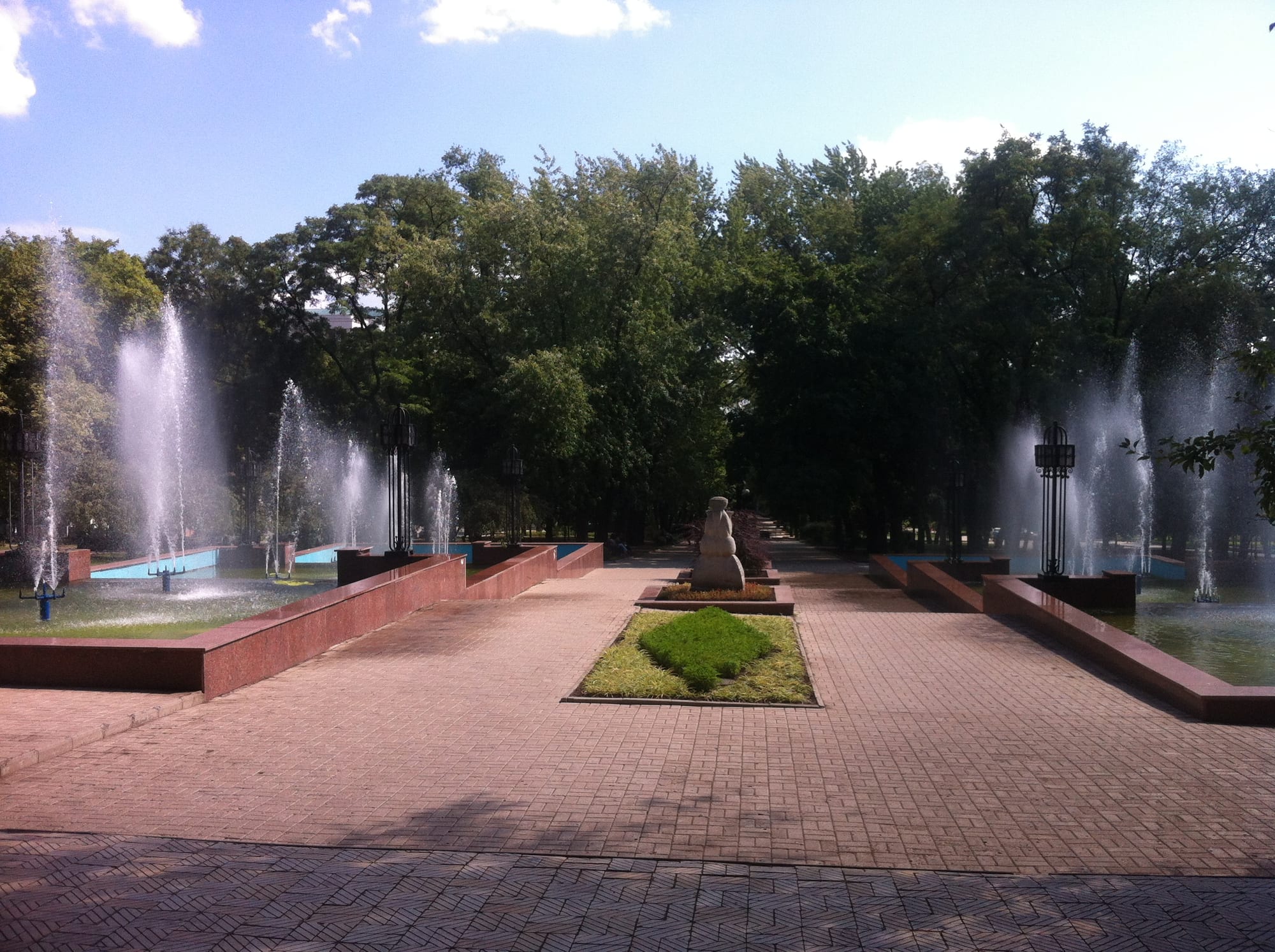
There is no time to visit at present. In peacetime the late spring and summer, when the roses of the centre were in flower, were the city's showcase season; the war that began here in 2014 has removed any advisable season.
⏳ Suggested Number of Days
No stay can be recommended while the city is occupied and close to the fighting. In peacetime the compact centre and its parks needed a couple of days; trips into the wider Donbas added more.
- First Visit
- Not advisable at present
- With Surroundings
- Not advisable at present
🚆 Transportation
Donetsk once had a busy railway station and an international airport. The airport has been closed since May 2014 and largely destroyed. In the occupied areas, trains are run by Railways of Novorossiya, a Russian-controlled company headquartered in the city, and routes into the rest of Ukraine are cut.
Do not attempt to travel to or within the city; humanitarian and media workers move only with specialist security support.
🛬 Airport & Station Connections
There is no lawful route from Ukrainian-controlled territory. The former Donetsk International Airport, 10 km north-west of the city, was destroyed in 2014 and has been held by the Russian military since 2022. The Sea of Azov lies 95 km to the south along the Kalmius River.
🚶 Walkability
In peacetime the centre was easy on foot: Artema Street and Pushkin Boulevard run past the theatres, squares and parks, and the Donbas Arena stands in the park at the edge of downtown. The city as a whole is a long industrial sprawl joined to Makiivka and its neighbours, with mines and slag heaps between districts.
🛡️ Safety
Most governments advise against all travel to most or all of Ukraine. Donetsk has been one of the main sites of fighting since April 2014, when pro-Russian forces seized the city; Russia claimed to annex it in September 2022, a claim not recognised internationally. Shelling has caused civilian deaths in the city.
Do not travel to eastern Ukraine; anyone already there should follow local evacuation instructions, shelter during alerts and never touch debris or leave hard surfaces in formerly occupied areas. Check current official travel advice before travelling.
🌦️ Climate
A hot-summer continental climate on the open steppe of the Donbas, with warm summers and cold winters.
- Summer
- warm — July averages about 22.5°C
- Winter
- cold — January averages about −4°C
🤝 Local Customs
Donetsk has long been a mostly Russian-speaking city with a mixed identity: in a 1991 poll about a third of residents called themselves Russian, a third Ukrainian and most of the rest simply Slavs. Pride in mining and steel work runs deep, and football, through Shakhtar — 'miner' — has been a civic religion. Since 2014 the city has lived under the rules of the occupying authorities.
Photographing military sites, checkpoints or damage can lead to detention in occupied areas; open expression of political views carries serious risk.
💳 Common Payment Methods
Ukraine's currency is the hryvnia, but the Russian rouble went into official circulation in the occupied city on 1 January 2015, and taxes and public wages were to be paid in roubles.