Attractions & Natural Wonders · Angola
Angola: Ten Attractions and Natural Wonders
A waterfall to rival Iguazú, a moonscape of eroded cliffs, black-rock monoliths on the savannah, and a mountain road that corkscrews down the escarpment in a knot of hairpins
By Globeway Editorial · 30 September 2026
A big country still finding its feet as a destination
Angola is huge — twice the size of France — and it spent 27 years, from independence in 1975 to 2002, at civil war. Tourism is still small and travel is not always easy: distances are long, some roads are rough, and until recently visas were a struggle (visa-free entry for many nationalities and an online pre-visa have made it much simpler). What the traveller gets in return is genuine scale and near-total absence of crowds.
The ten places below spread from the lush north around Malanje to the desert south around Namibe, with the ocean city of Luanda in the middle. A hired vehicle with a driver, or an organised tour, is the usual way to link them. The dry season, roughly June to September, is the time to go.
1. Kalandula Falls
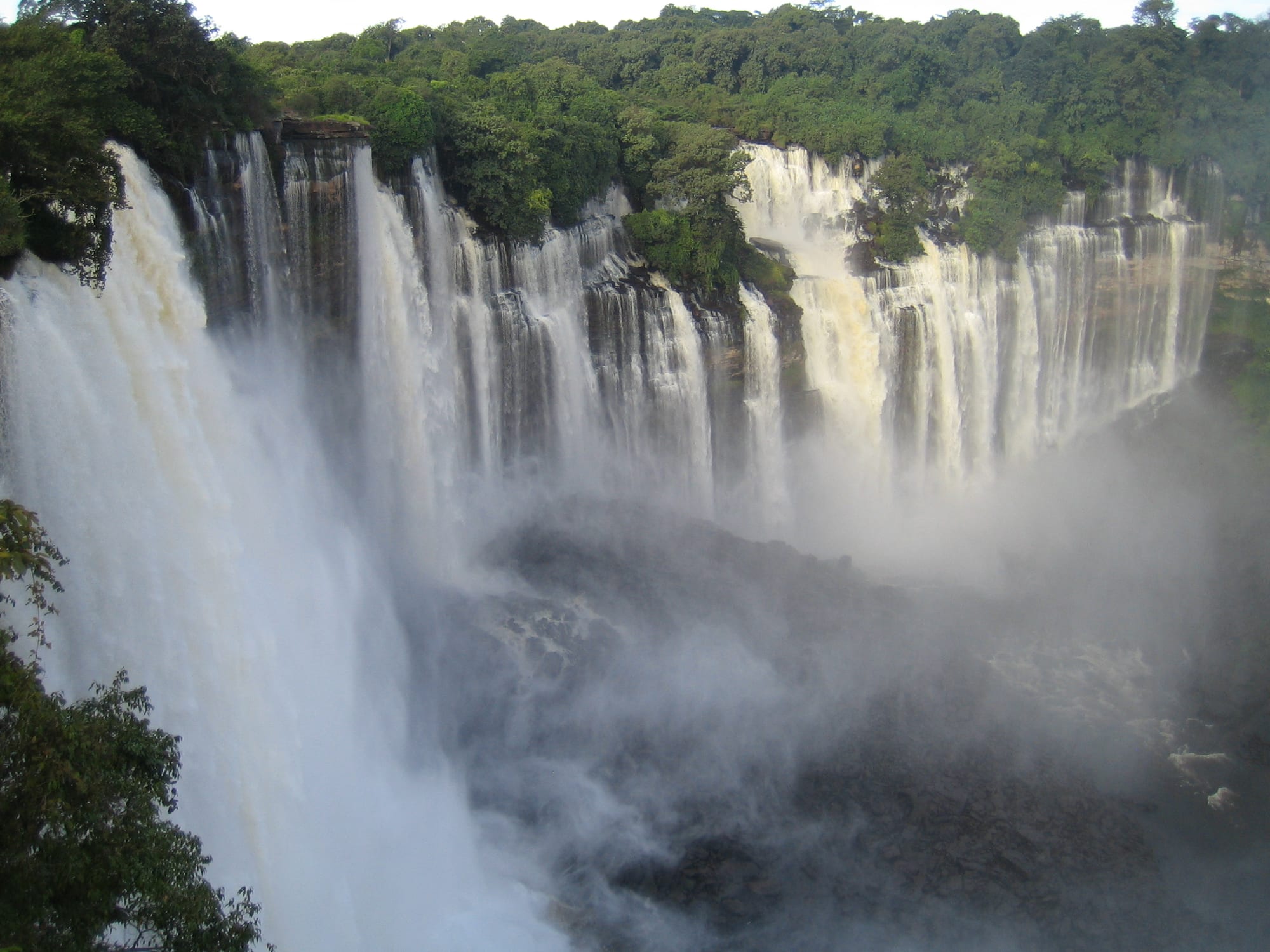
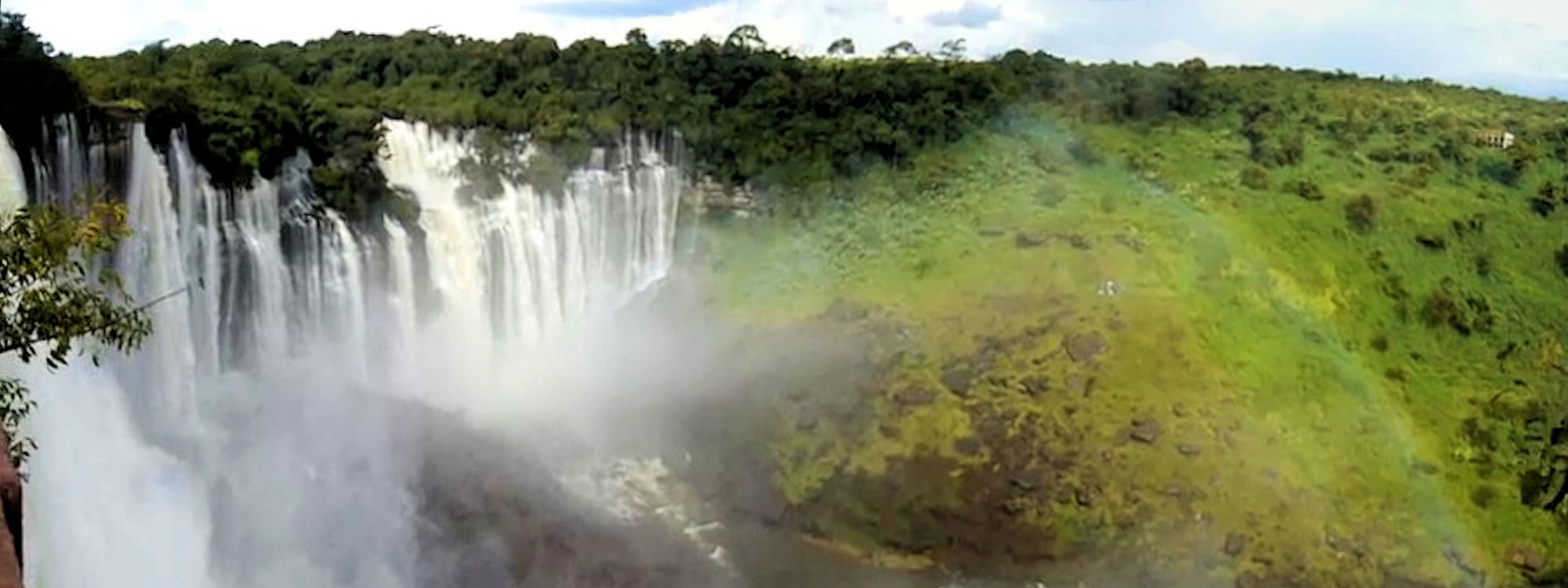
In the northern province of Malanje, the Lucala River pours over a wide curved escarpment in one of the biggest waterfalls in Africa — around 400 metres across and just over 100 metres high when the river is full — one of the largest waterfalls in Africa by volume, about 360 kilometres from Luanda.
They were called the Duque de Bragança Falls in Portuguese times, and they lie in the municipality that now shares their name, Calandula.
2. Pungo Andongo (the Black Rocks)
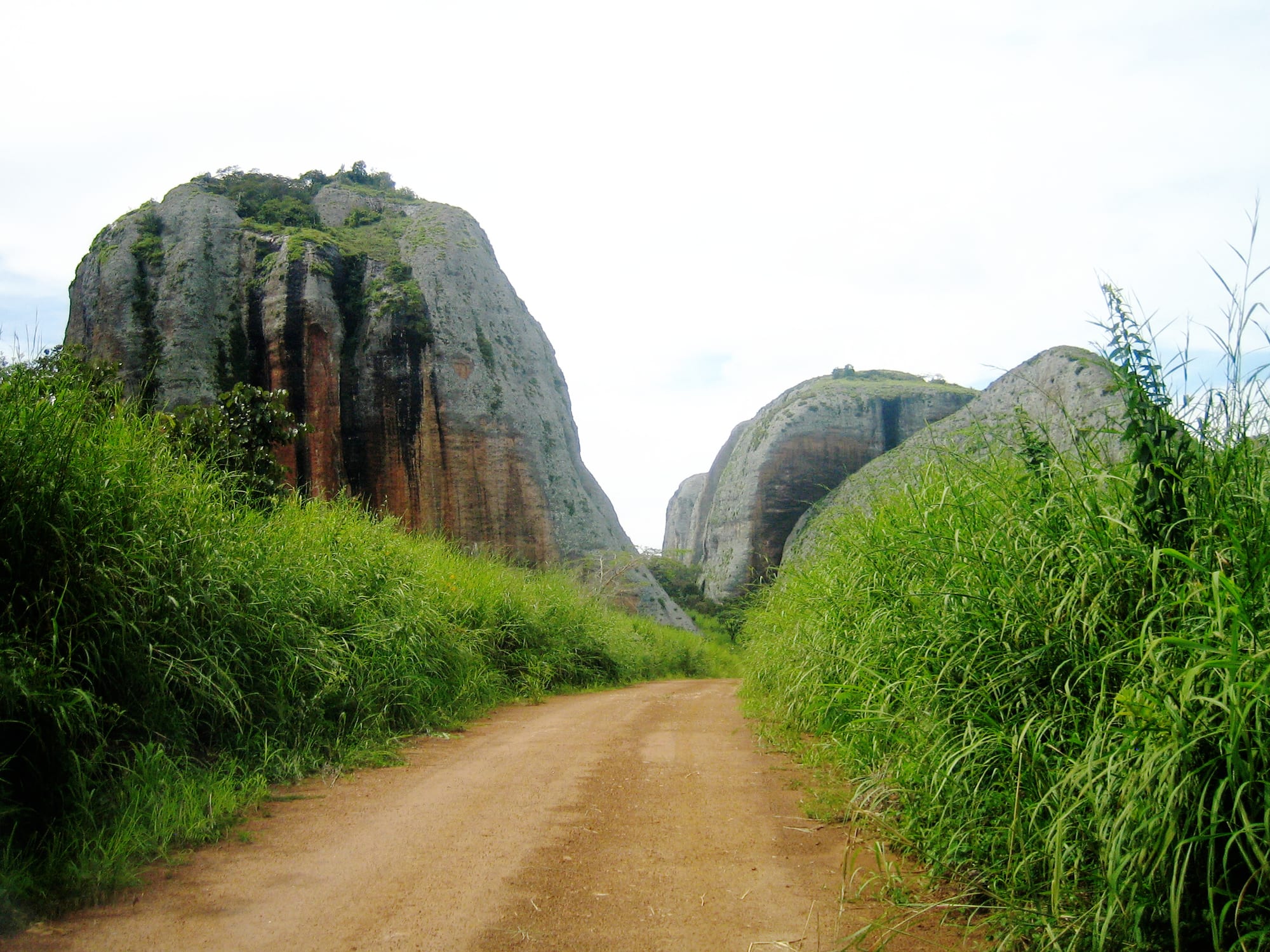
Also in Malanje, a cluster of vast dark monoliths erupts straight out of otherwise flat grassland — the Pedras Negras, the "Black Rocks." In its last years the kingdom of Ndongo had its capital at Pungo-Andongo, among the rocks, until the Portuguese besieged and captured it in 1671.
Visitors can drive in among them. Marks in the rock are known as the "footprints of Queen Njinga," which tradition attributes to Ndongo's great monarch, and the ruins of the fortress the Portuguese built after the 1671 siege stand in the modern town.
3. The Miradouro da Lua
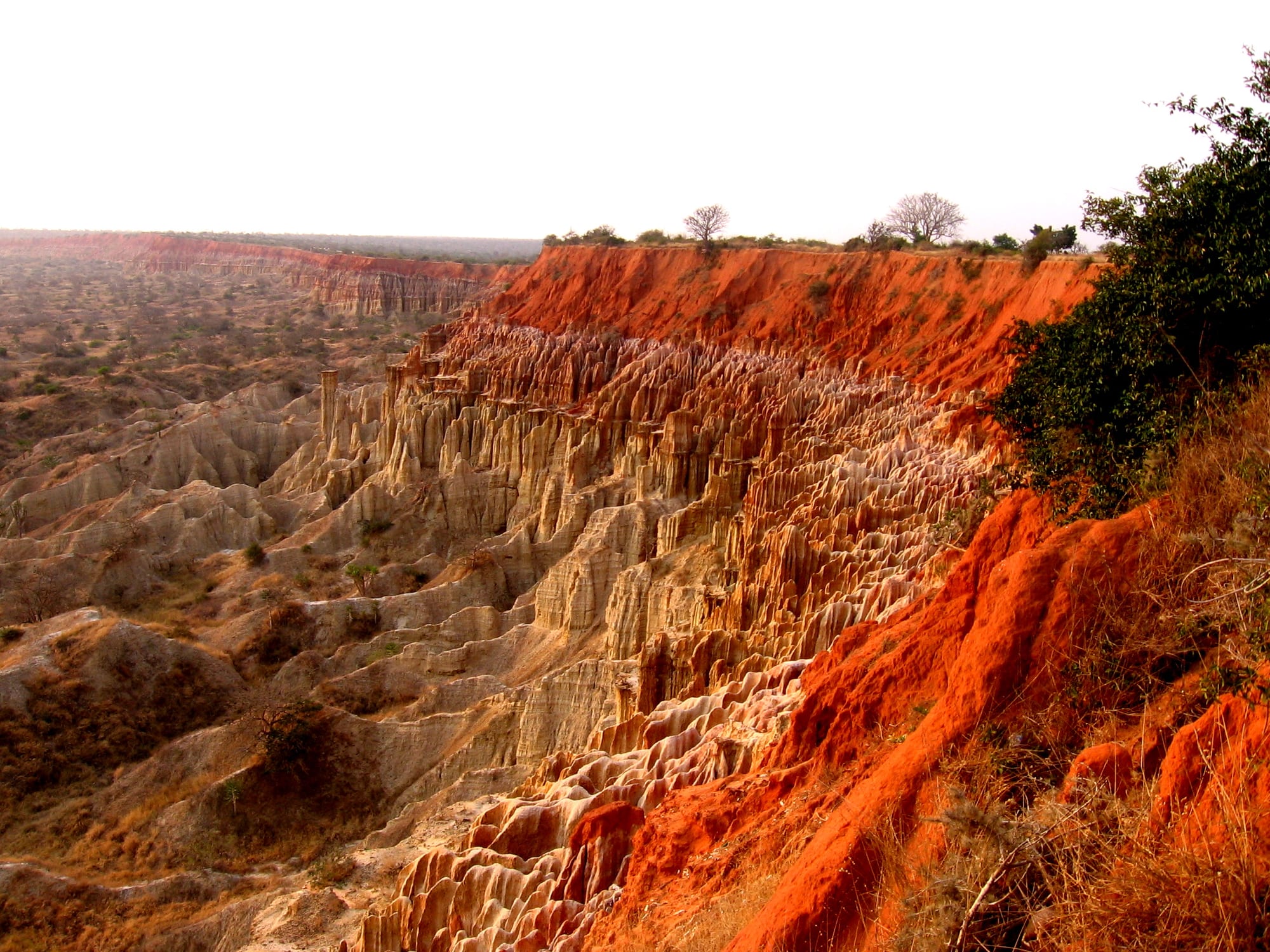
About 40 kilometres south of Luanda, the coastal highway runs along the top of a stretch of dramatically eroded cliffs — knife-edged ridges and gullies in cream, grey, and rust, sculpted by wind and rain. The name means "Moon Viewpoint," and the low afternoon light shows the ridges at their best.
It is an easy half-day trip from the capital, often combined with the beaches at Cabo Ledo further south.
4. The Serra da Leba Pass
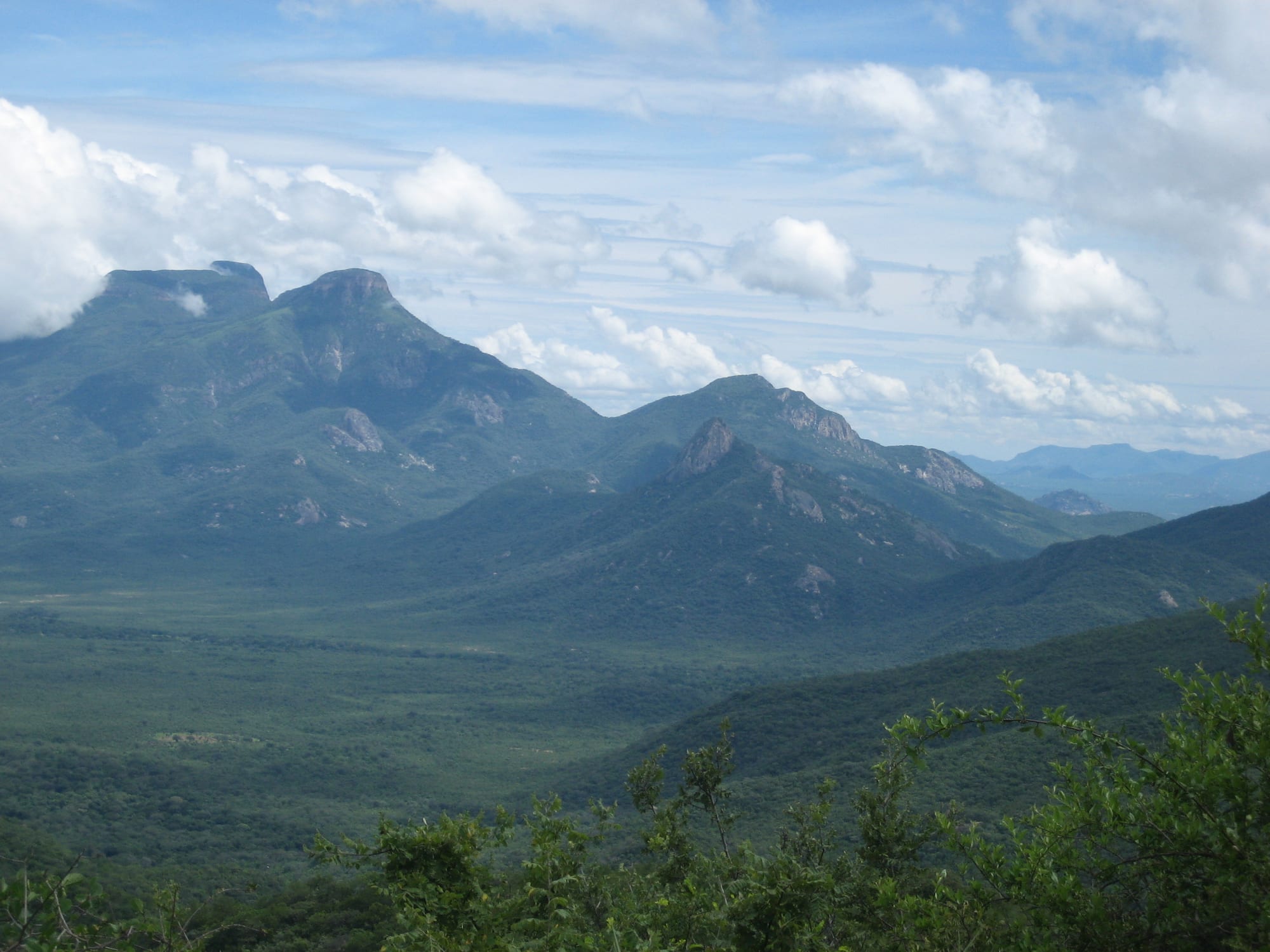
The southern highlands around Lubango end in a sudden 1,000-metre drop to the coastal desert, and the road down — the Serra da Leba — handles it with a series of tight hairpin bends stacked below a viewpoint at the top. It is the classic Angolan road-trip photo.
The road climbs to about 1,845 metres, and the pass links the cool, green plateau with the hot, dry Namibe region below. Nearby, the Tundavala Gap cuts into the same escarpment, with a viewpoint above a sheer drop.
5. Cristo Rei, Lubango
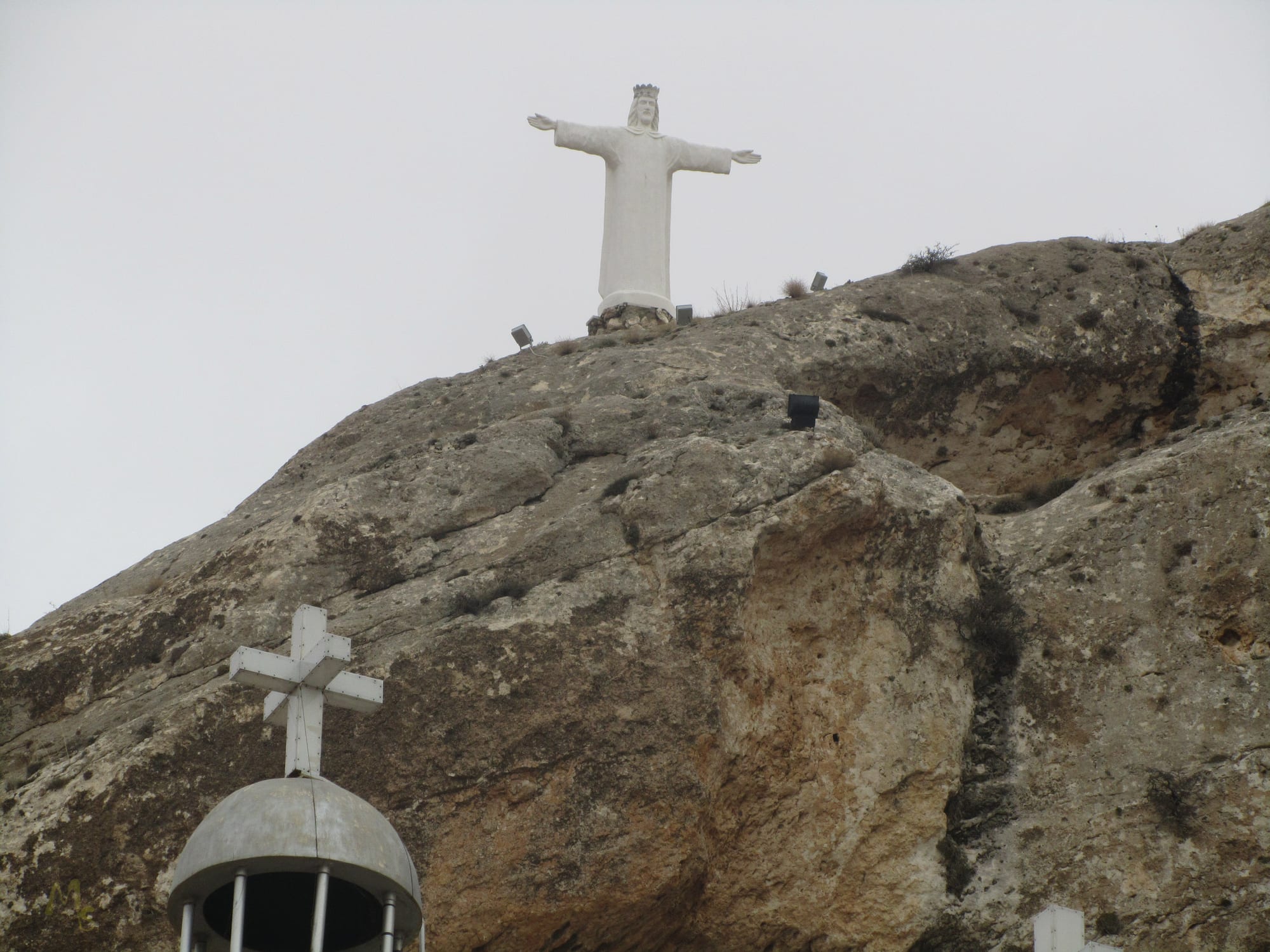
Lubango, the main city of the southern highlands, has a 30-metre statue of Christ the King standing on the ridge above town, arms spread over the valley. It was put up in 1957, inspired by the Christ the Redeemer statue in Rio, and the terrace around its feet is the best viewpoint over the city and the surrounding mountains.
Lubango itself is one of Angola's more pleasant cities — mild climate, wide avenues, a base for the Serra da Leba, the Tundavala gap, and the highland scenery around it.
6. The Fortress of São Miguel, Luanda
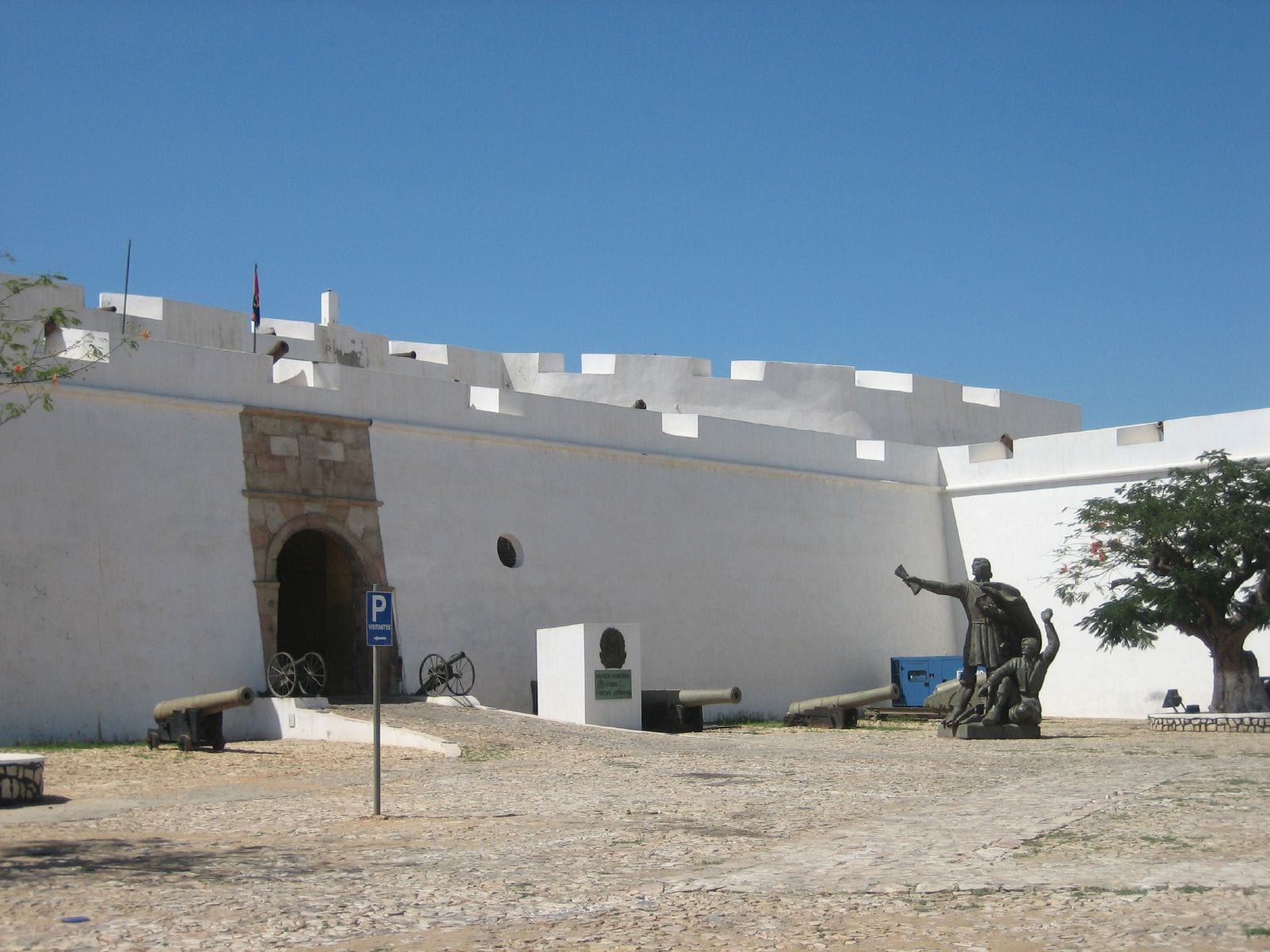
One of the oldest buildings in the Angolan capital, the Fortaleza de São Miguel was built in 1576 and for centuries was the centre of Luanda — a Portuguese stronghold (held by the Dutch in the 1640s) and, grimly, a major site of the slave traffic shipped from this coast to Brazil.
Today it holds the Armed Forces Museum, with a courtyard of old cannon and elaborate tiled panels telling the story of Angola from its early years. It stands on a rise with a wide view over the bay and the city.
7. Kissama (Quiçama) National Park
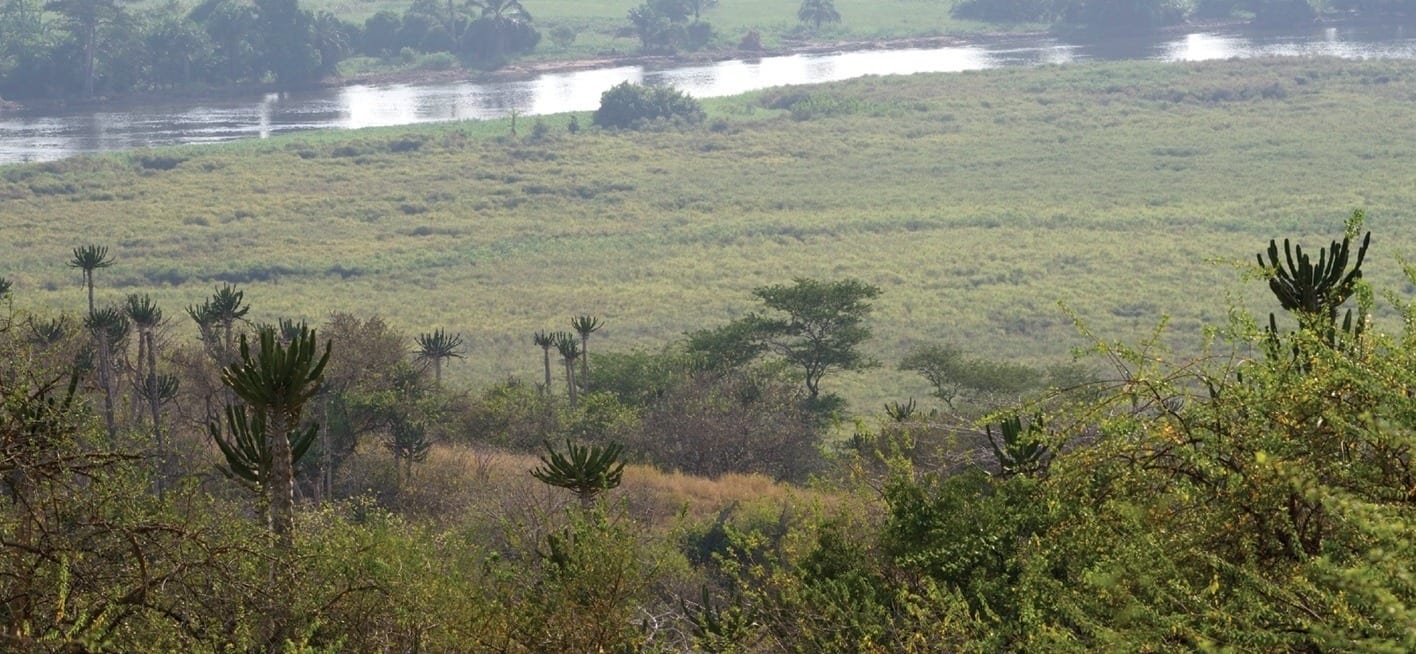
Kissama, about 70 kilometres south of Luanda between the Kwanza River and the sea, is the country's most accessible wildlife park. Its animals were nearly wiped out in the war; from 2001 the "Operation Noah's Ark" project moved elephants and other game from Botswana and South Africa, and in 2025 UNESCO named the park a biosphere reserve.
It offers wilderness and space rather than the dense game of East Africa — baobab savannah, birdlife, and the chance of elephant and antelope, across some 12,000 square kilometres with 120 kilometres of Atlantic shore.
8. Luanda and the Marginal
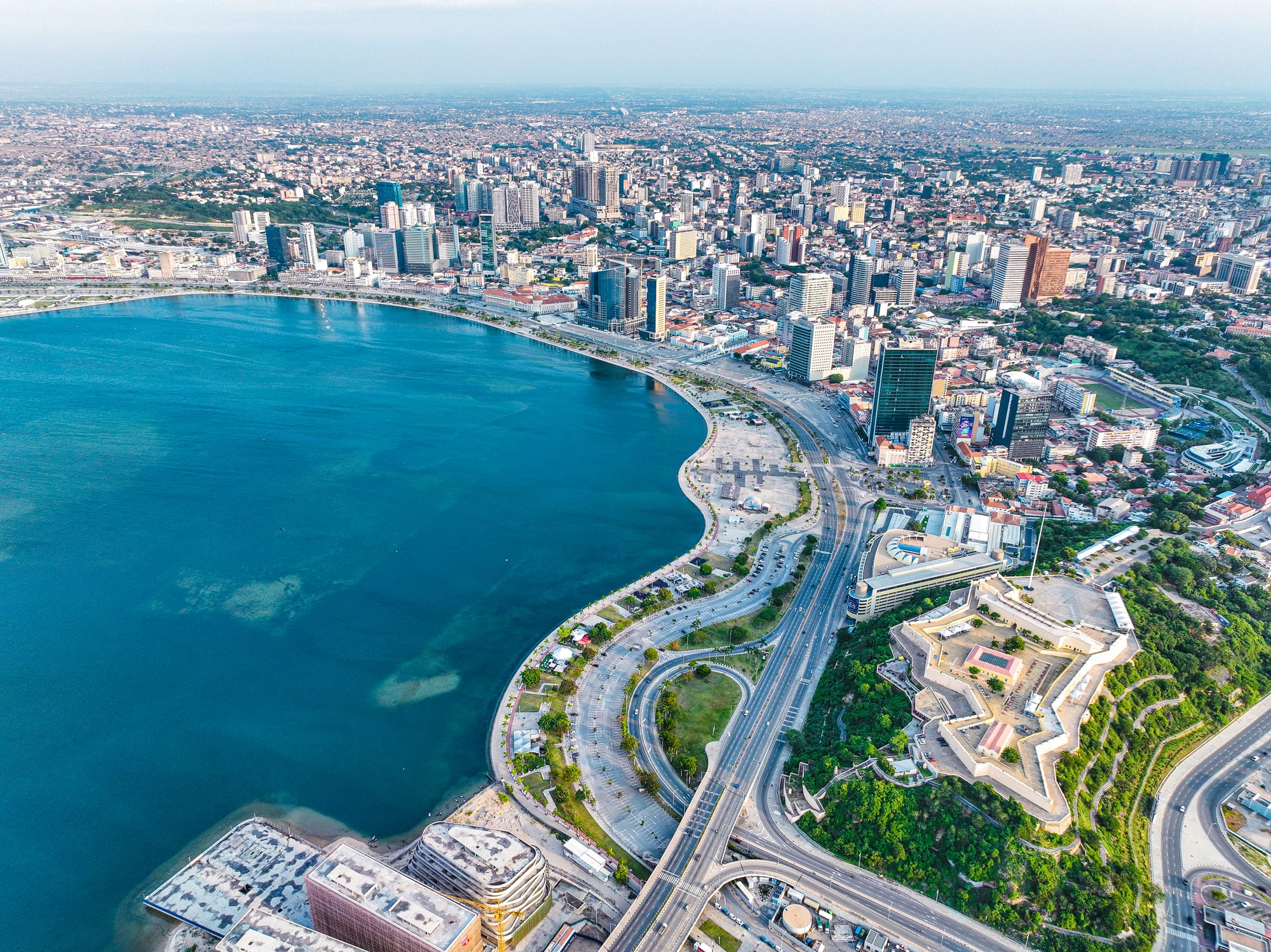
Luanda is one of Africa's biggest cities and ranks among the most expensive in the world for foreign residents, a boomtown of oil money and hard contrasts. Its showpiece is the Marginal, a sweeping bayfront avenue with a wide palm-lined promenade, popular for an evening walk with the skyline on one side and the Ilha peninsula's beaches and bars across the water.
Add the colonial churches of the old town, the National Museum of Slavery at Morro da Cruz on the coast, and the hilltop Fortress, and the capital is worth a day or two before heading into the country.
9. The Namibe Desert and the Arco
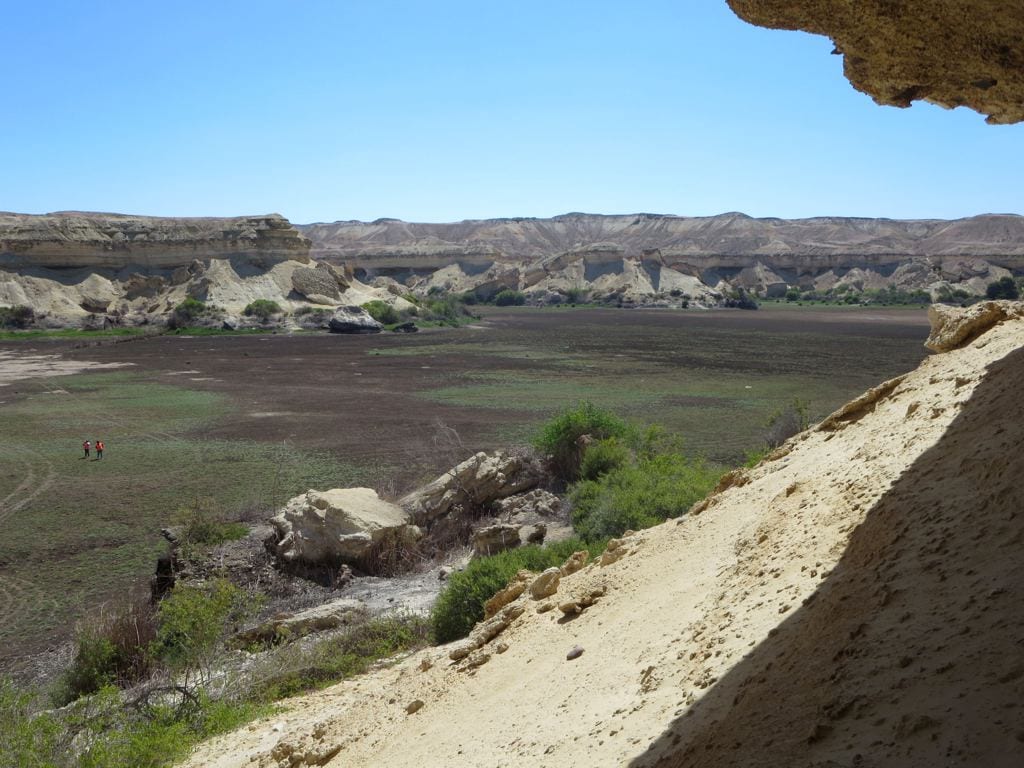
The far southwest is true desert — the northern end of the Namib — running down to a wild Atlantic coast. Near the town of Namibe, the Arco is a surprise: a green, reed-fringed lagoon sitting against a wall of red rock in otherwise bone-dry country; the name means "arch."
Deeper into the desert, about 200 kilometres south of Namibe, lies Iona National Park, Angola's largest and oldest, the main habitat of the welwitschia — a "living fossil" whose oldest plants may be up to 2,000 years old. This is expedition territory: 4x4, fuel, and water.
10. Cabo Ledo and the coast
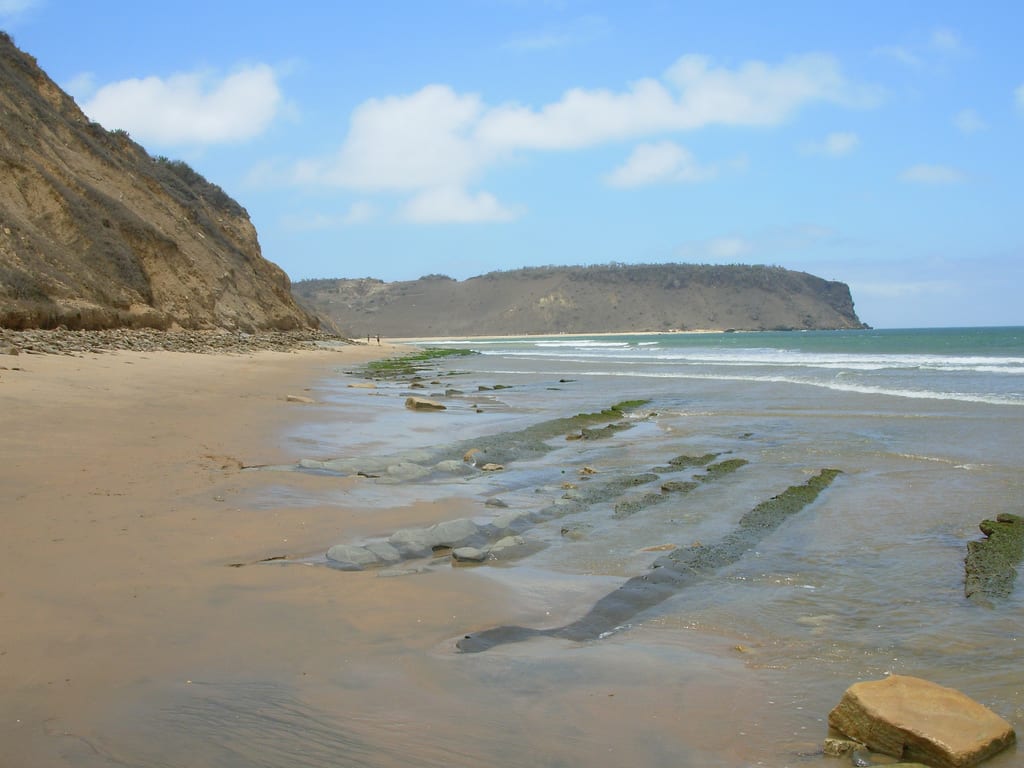
Cabo Ledo, on the coast south of Luanda, is a favourite escape from the capital: a long bay with a surf break, a few beach camps and bars, and warm water. Weekends bring a crowd from the city; midweek it is quieter.
The wider Angolan coast is long and barely developed — Benguela and the beaches further south see far fewer people, and the whole shore is a work in progress for anyone willing to travel it.
Angola rewards patience. The infrastructure is thin and prices in Luanda are high, but the sites are uncrowded to a degree that is hard to find anywhere else, and the country is a good deal easier to enter than it was a few years ago.