History · Ascension Island
Ascension Island: A Fortress in the Ocean
A bare volcanic island with no native population — a Georgian naval station, a hand-planted forest, and a staging post for every war since
By Worldlore Editorial · 30 September 2026
An island with no natives
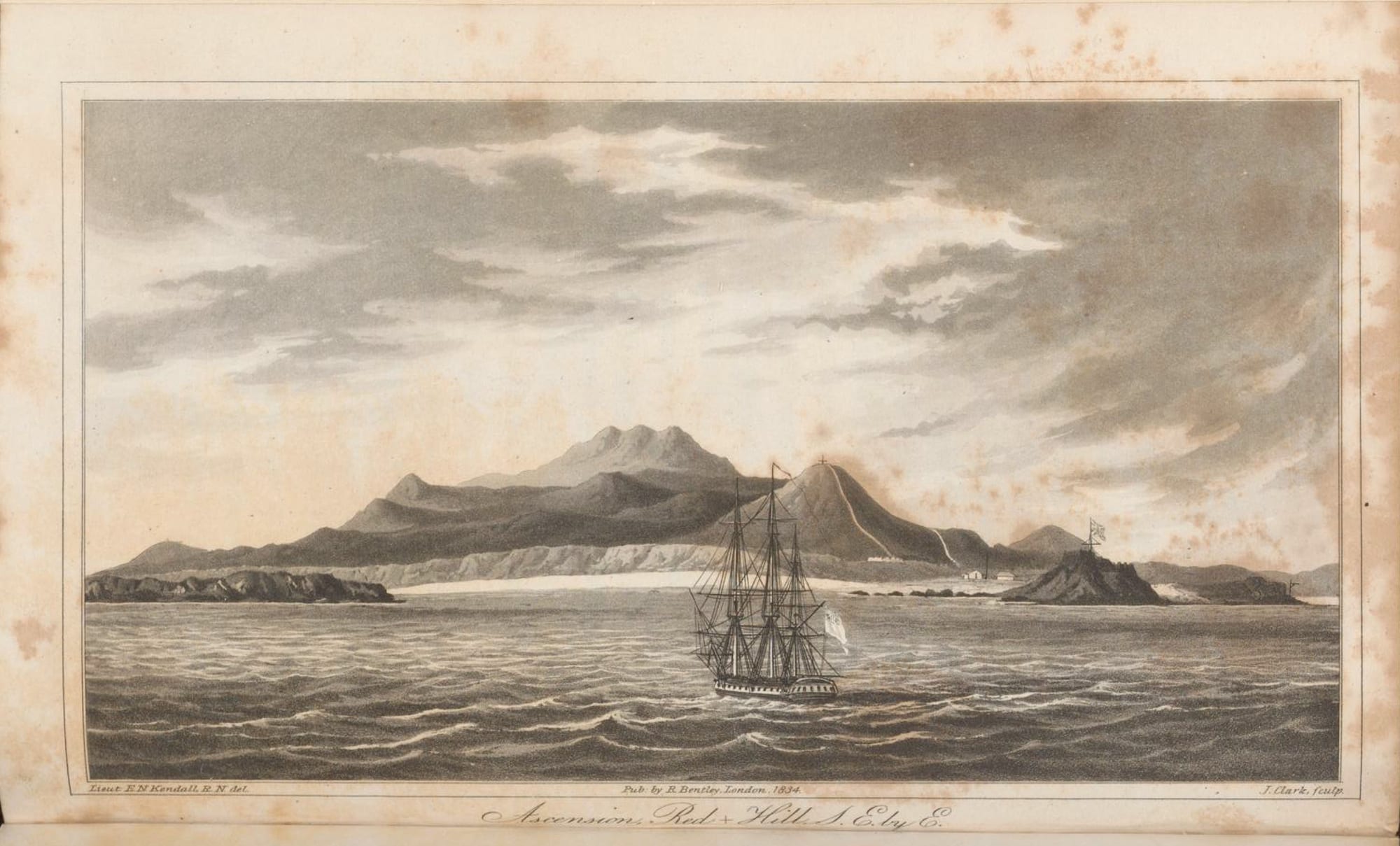
Ascension is a young volcano in the middle of the South Atlantic — about 34 square miles of lava cones and clinker, roughly 960 miles from Africa and 800 from its administrative partner, St Helena. It has no native population and never has. Everyone on the island, around 800 people, is there on a work contract with one of the organisations that use it, and no one has a right of abode. The island's whole history is a sequence of uses that outside powers have found for a bare rock in a strategic ocean: a landmark, a naval fort, an experiment in gardening, and an air base.
A short history
- 1501–1503
Named
Portuguese navigators sight the island and name it for Ascension Day.
- 17th–18th c.
The post office
Passing ships leave letters in a rock crevice for others to carry onward.
- 1815
Garrison
Britain occupies Ascension when Napoleon is exiled to St Helena, and the Royal Navy runs it as a stone warship.
- 1850 onward
Green Mountain
The Navy and Kew plant an artificial cloud forest on the summit.
- 1899
The cable station
The Eastern Telegraph Company lands the island's first submarine cable.
- 1942
Wideawake Airfield
The US Army builds an airfield as a wartime staging post.
- 1982
The Falklands
Ascension becomes the forward base for the British task force to the South Atlantic.
Landmark and post office
Portuguese navigators sighted the island around 1501 and named it Ilha da Ascensão. For three centuries no one lived there. Ships bound between Europe, the Cape and the Indies used it as a navigational mark and, famously, as a mail drop: a captain would leave letters concealed in a crevice in the rocks, and the next ship heading the right way would collect and carry them. The only reliable fresh water was a spring high in the interior, which kept alive the crew of William Dampier's wrecked Roebuck in 1701 for some six weeks until ships took them off.
The stone warship
Ascension was occupied for a single reason: Napoleon. When the defeated emperor was exiled to St Helena in 1815, Britain garrisoned Ascension, 800 miles to the north-west, to keep it out of the hands of anyone planning a rescue. The Royal Navy took formal possession and administered the island as if it were a ship, commissioned as HMS Ascension. Through the 19th century it served as a supply and victualling station, above all for the West Africa Squadron hunting slave ships. Marines and sailors struggled for water and fought a constant battle to grow food.
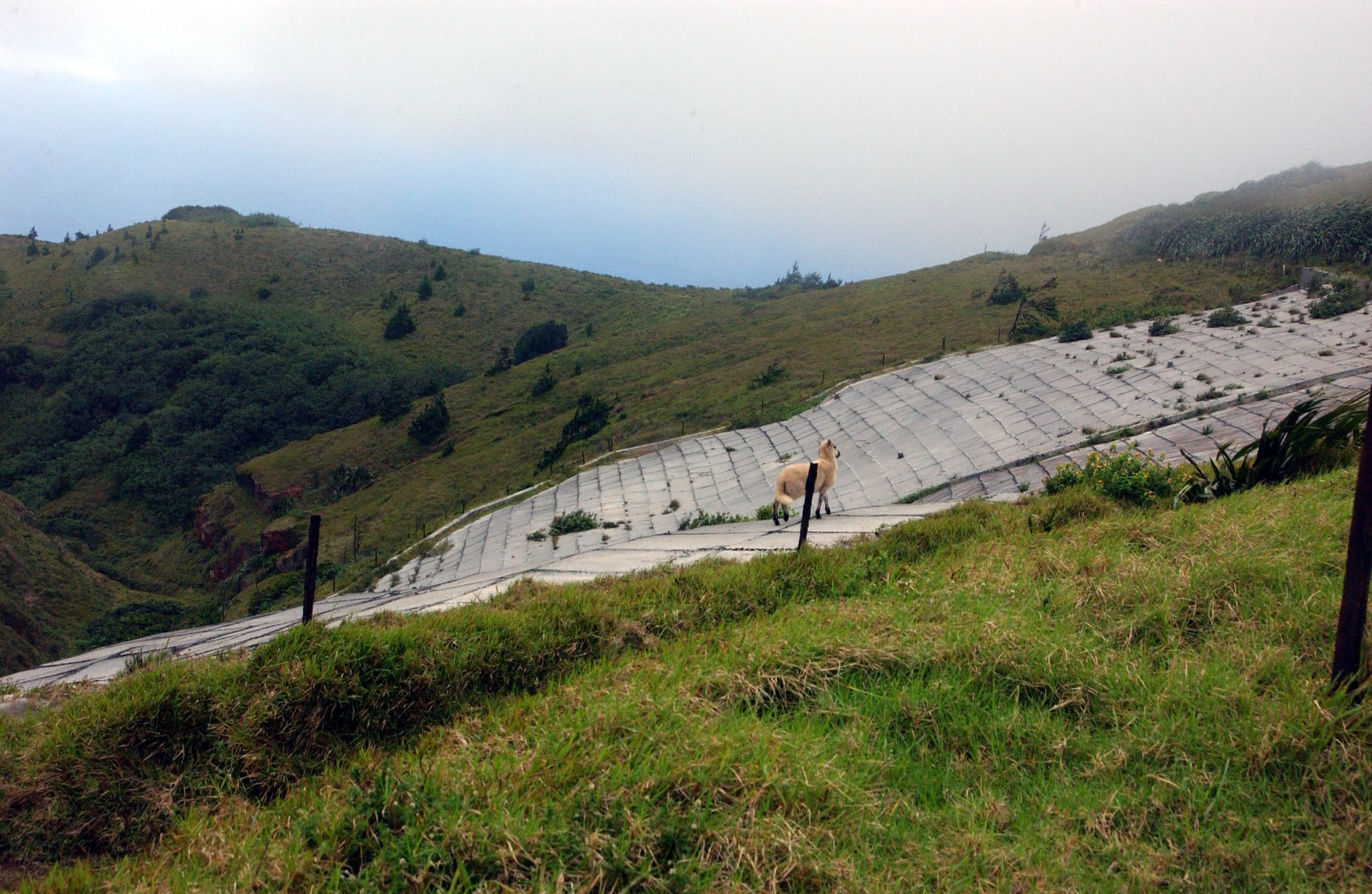
That battle produced one of the strangest landscapes in the British Empire. On the advice of the botanist Joseph Hooker and the Royal Botanic Gardens at Kew, the Navy shipped in plants from botanical gardens in Europe, South Africa and Argentina and planted them on the mountaintop — bamboo, eucalyptus, Norfolk pine, banana. By the late 1870s the transplanted forest was thriving, pulling water out of the passing cloud, and had turned the summit green. The ecosystem that grew up there is almost entirely artificial, and it has crowded out some of the island's few native plants.
Cables, and then the Americans
In 1899 the Eastern Telegraph Company landed submarine cables on Ascension and built a relay station. In 1922 the Admiralty handed the island over, it became a dependency of St Helena, and for four decades it was managed by the head of the telegraph company on the island. Its modern role began in 1942, when the United States, by agreement with Britain, built an airfield — Wideawake, named for the raucous sooty tern colony beside it — as a refuelling stop on the air route ferrying aircraft across the South Atlantic to the war in Africa and Europe.
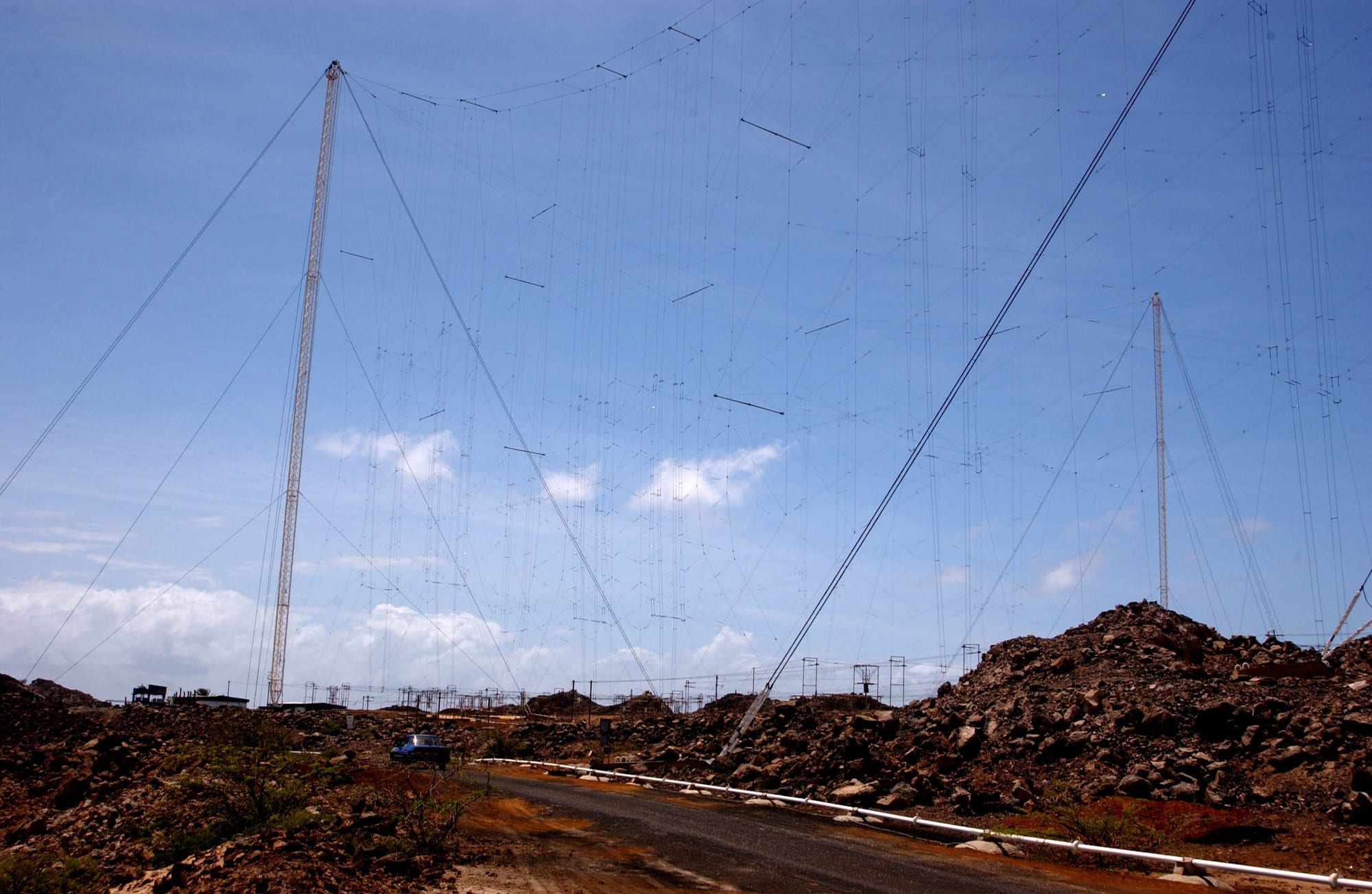
The airfield never closed. Through the Cold War the Americans expanded the base with a NASA tracking station, missile-tracking installations, and later a GPS ground antenna; the BBC built a shortwave relay in 1966 to broadcast into Africa and South America, and after 1982 the RAF kept a permanent station there.
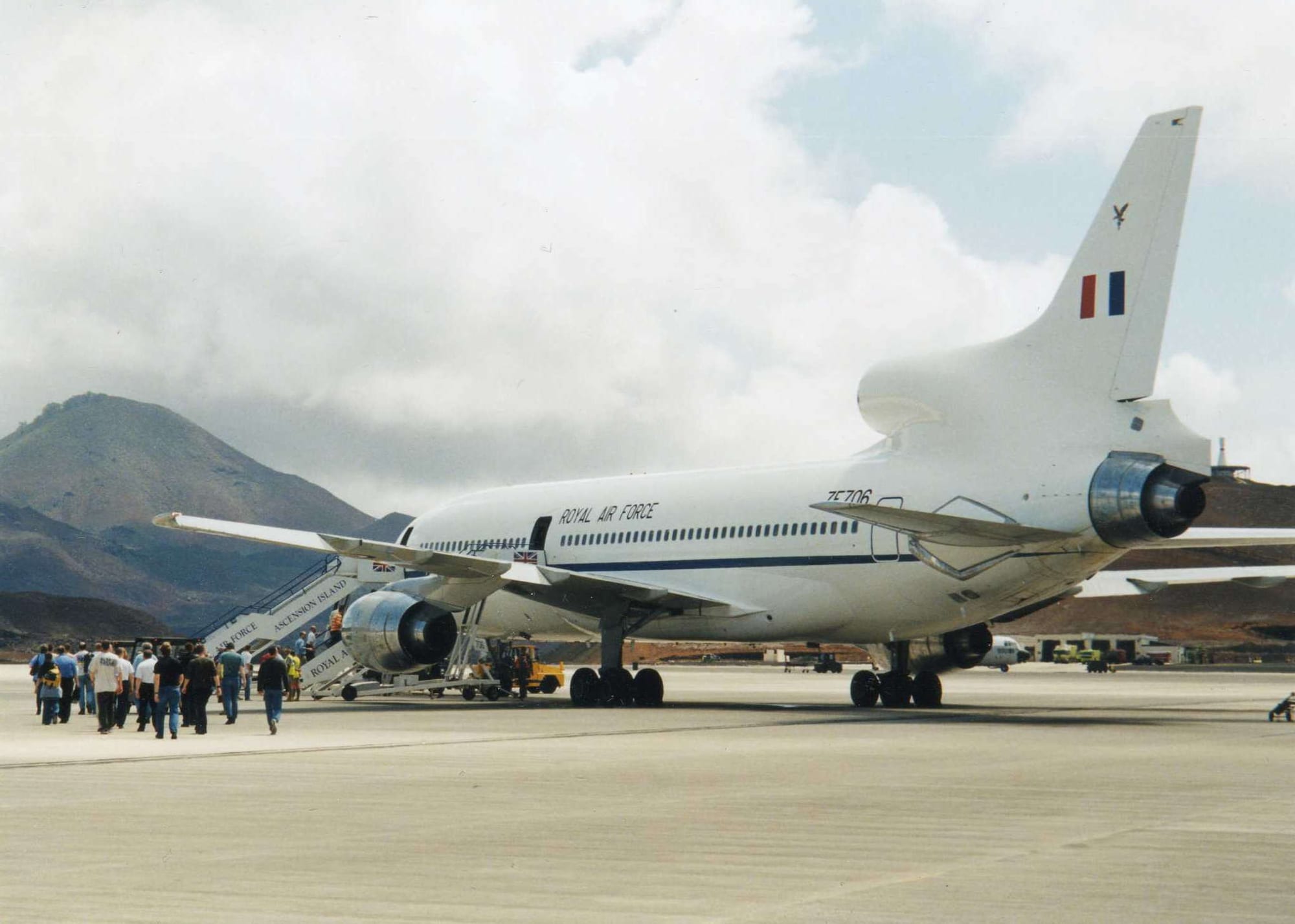
Ascension's biggest moment came in 1982. When Argentina seized the Falklands, the islands lay about 8,000 miles from Britain, and Ascension sat roughly halfway. Wideawake became the forward base for the whole operation — the supply hub, the tanker field for air-to-air refuelling, and the launch point for the "Black Buck" raids, the longest-range bombing missions flown up to that time.
Turtles and terns
For all the machinery, Ascension is also one of the most important wildlife sites in the Atlantic. Its beaches host a large and growing green turtle nesting population, with some 24,000 nests a year, and its offshore stacks and, increasingly, its cleared mainland support enormous seabird colonies — recovering since feral cats were removed from the island in the early 2000s. In 2019 Britain declared a marine protected area around Ascension covering more than 170,000 square miles.
What Ascension is
Ascension has never been a country and does not pretend to be one. It is a facility: a place valued entirely for where it sits, worked by people who cannot put down roots there, kept alive by a forest that was carried in by ship. Every part of the island that is green, and every part that hums, was put there by an outside power for a purpose of its own.