Attractions & Natural Wonders · The Bahamas
The Bahamas: Ten Attractions and Natural Wonders
Seven hundred islands on some of the world's clearest water, with swimming pigs, a pink beach, one of the deepest blue holes on Earth, and a pastel colonial capital
By Worldlore Editorial · 30 September 2026
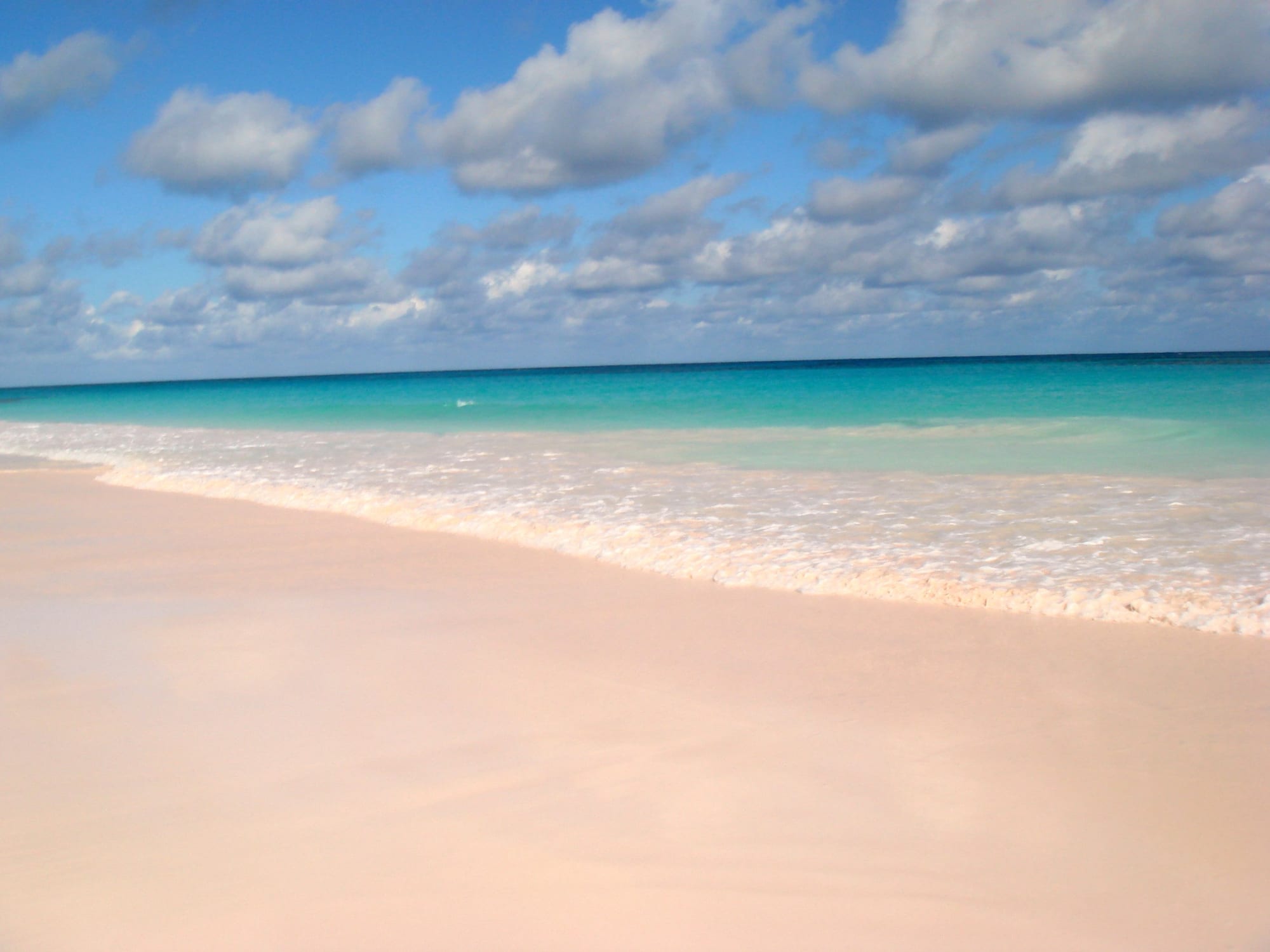
An archipelago, not a beach
The Bahamas is around 700 islands and some 2,400 cays scattered across about 500 miles of shallow, luminous sea southeast of Florida. Only about 30 are inhabited. Most visitors get no further than Nassau and Paradise Island, but the archipelago's real character is on the "Family Islands" — quiet, strung-out places with a settlement or two, a bonefish flat, and a wall of coral offshore.
The ten below run from the busy capital to some very remote spots. Getting around means small planes, mail boats, or a charter. The climate has a warm dry season and a hot wet season, and the Atlantic hurricane season runs from June to November.
1. Nassau's old town
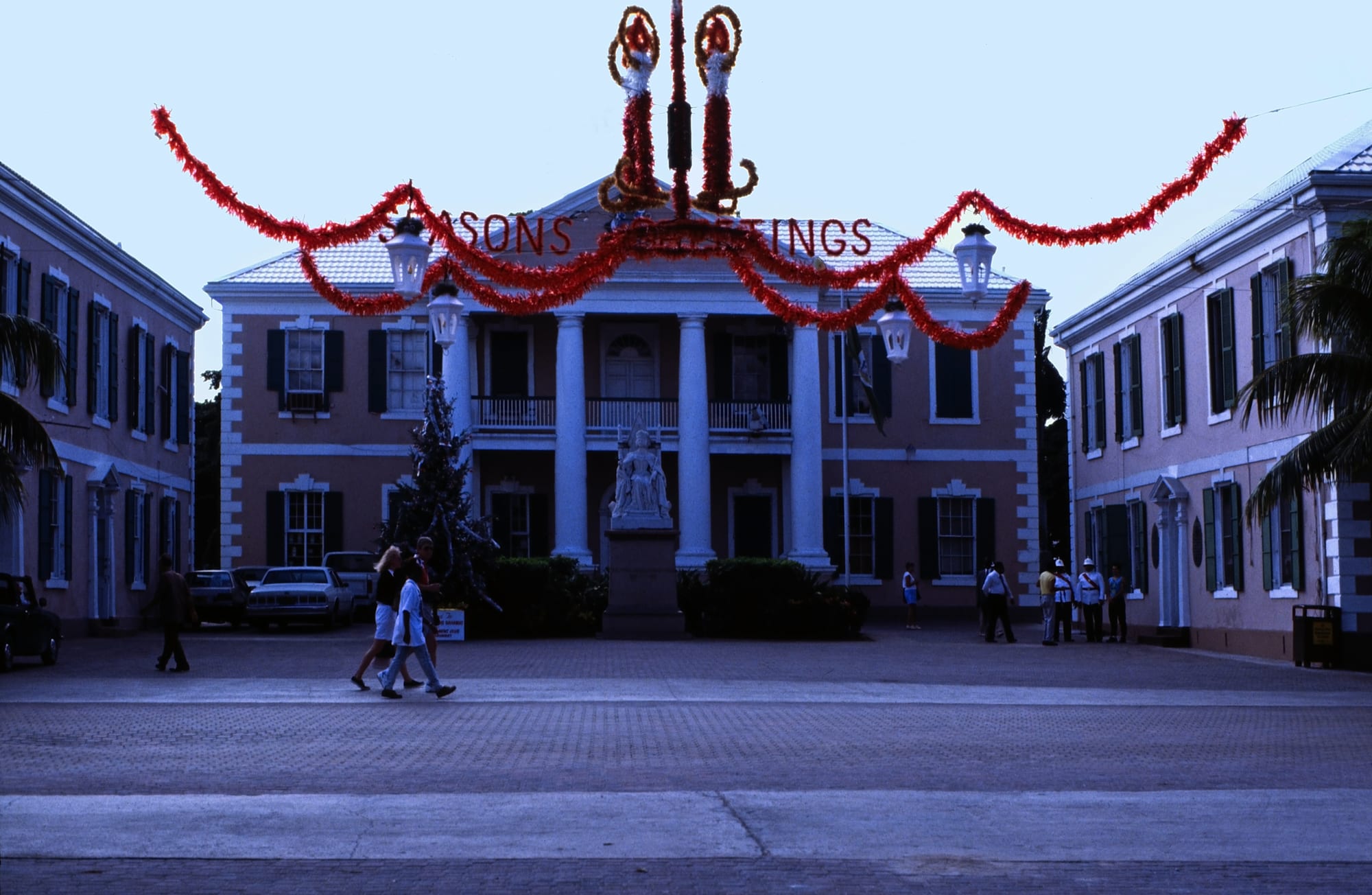
Nassau, on New Providence island, is the capital and the arrival point for the cruise ships. Its historic core is compact: the salmon-pink colonial parliament buildings of the House of Assembly, Government House, Christ Church Cathedral, and the Straw Market off Bay Street, rebuilt in 2011 after a fire. The Pirates of Nassau museum leans into the town's early-1700s spell as a buccaneer republic.
It is easily walked in a morning, and a stronger reason to linger than its reputation as a duty-free shopping stop suggests.
2. The forts of Nassau
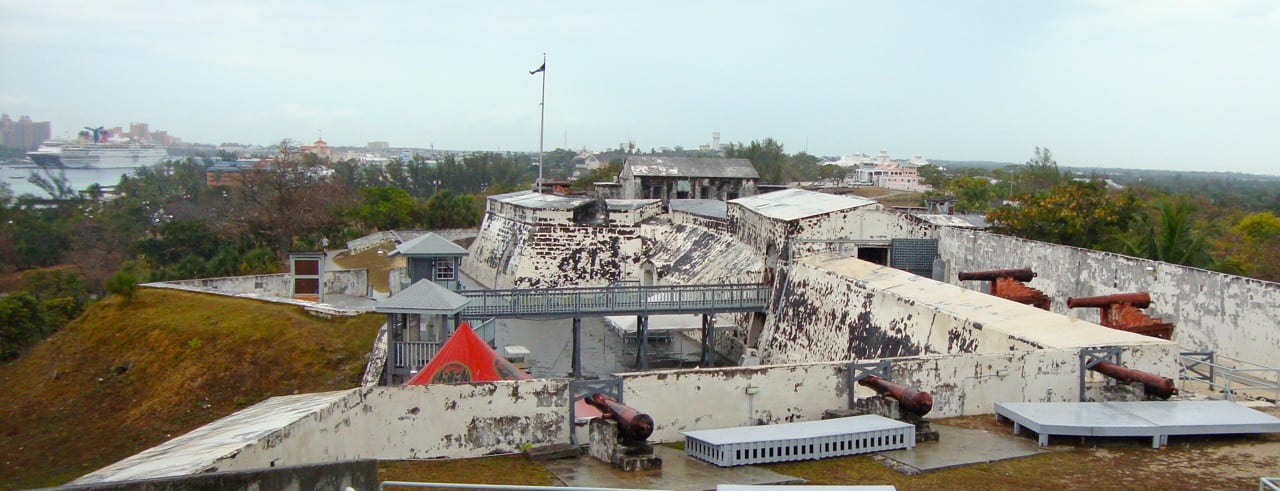
Three British colonial forts guard the capital. Fort Charlotte, the grandest, sits on a hill west of downtown with a dry moat, dungeons, and a view over the harbour. Fort Fincastle, built in 1793 in the shape of a paddle steamer, stands on the hill above the town, reached by the Queen's Staircase — 65 steps carved out of solid limestone by about 600 enslaved labourers in 1793–94.
The third, Fort Montagu, built in 1741–42 on the eastern approach, is the oldest, and was seized by American forces in a raid on Nassau in 1776.
3. Junkanoo
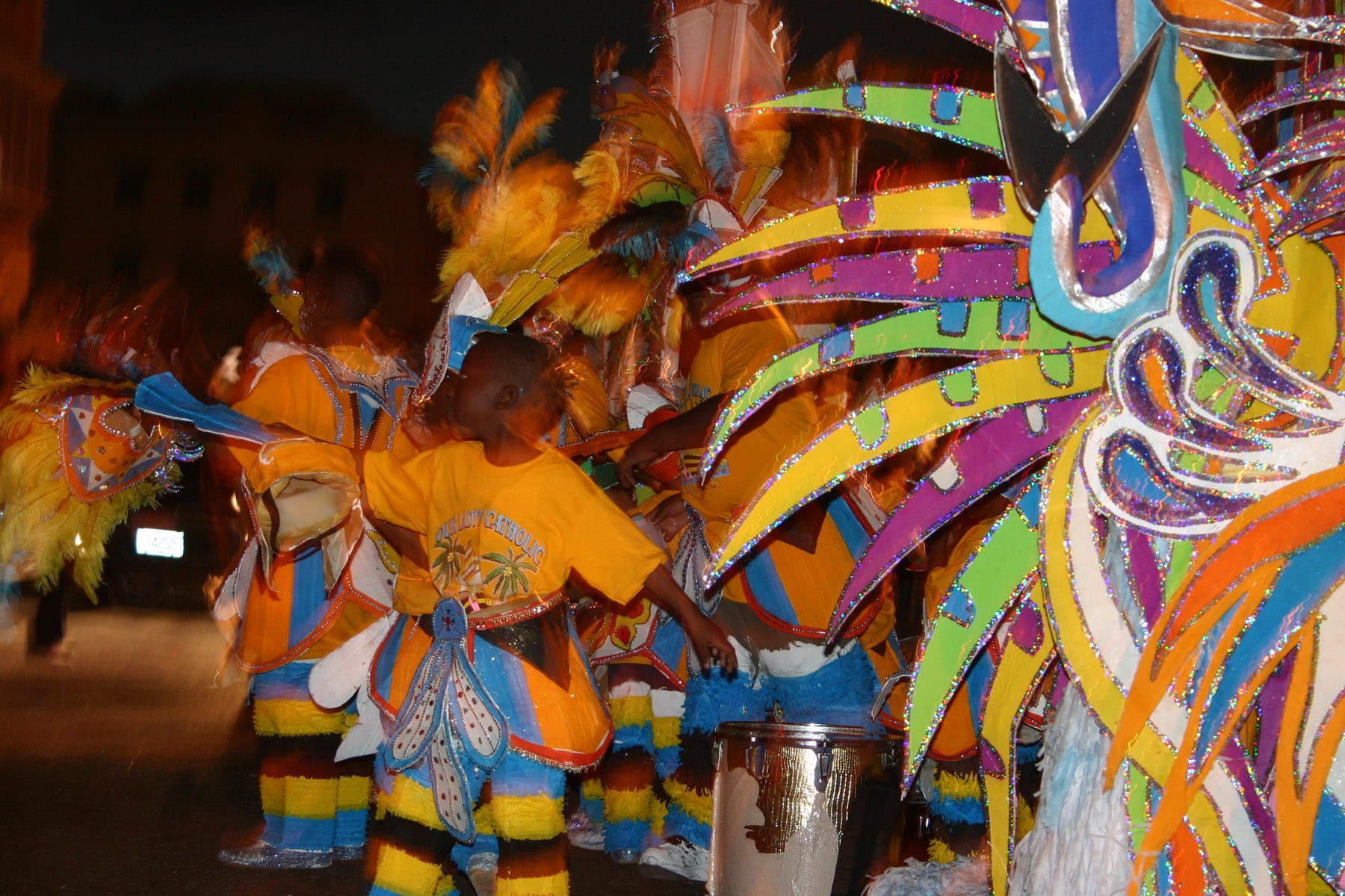
Junkanoo is the national festival: a parade of "rushing" groups in towering costumes of crepe paper and cardboard, moving down Bay Street to a wall of goatskin drums, cowbells, whistles, and brass. The main parades are in the small hours of 26 December and 1 January, with competitions and months of secret preparation behind them.
The tradition goes back to the days of slavery, when enslaved Africans were given a few days off at Christmas, and in 2023 UNESCO inscribed Junkanoo on its list of Intangible Cultural Heritage.
4. Atlantis, Paradise Island
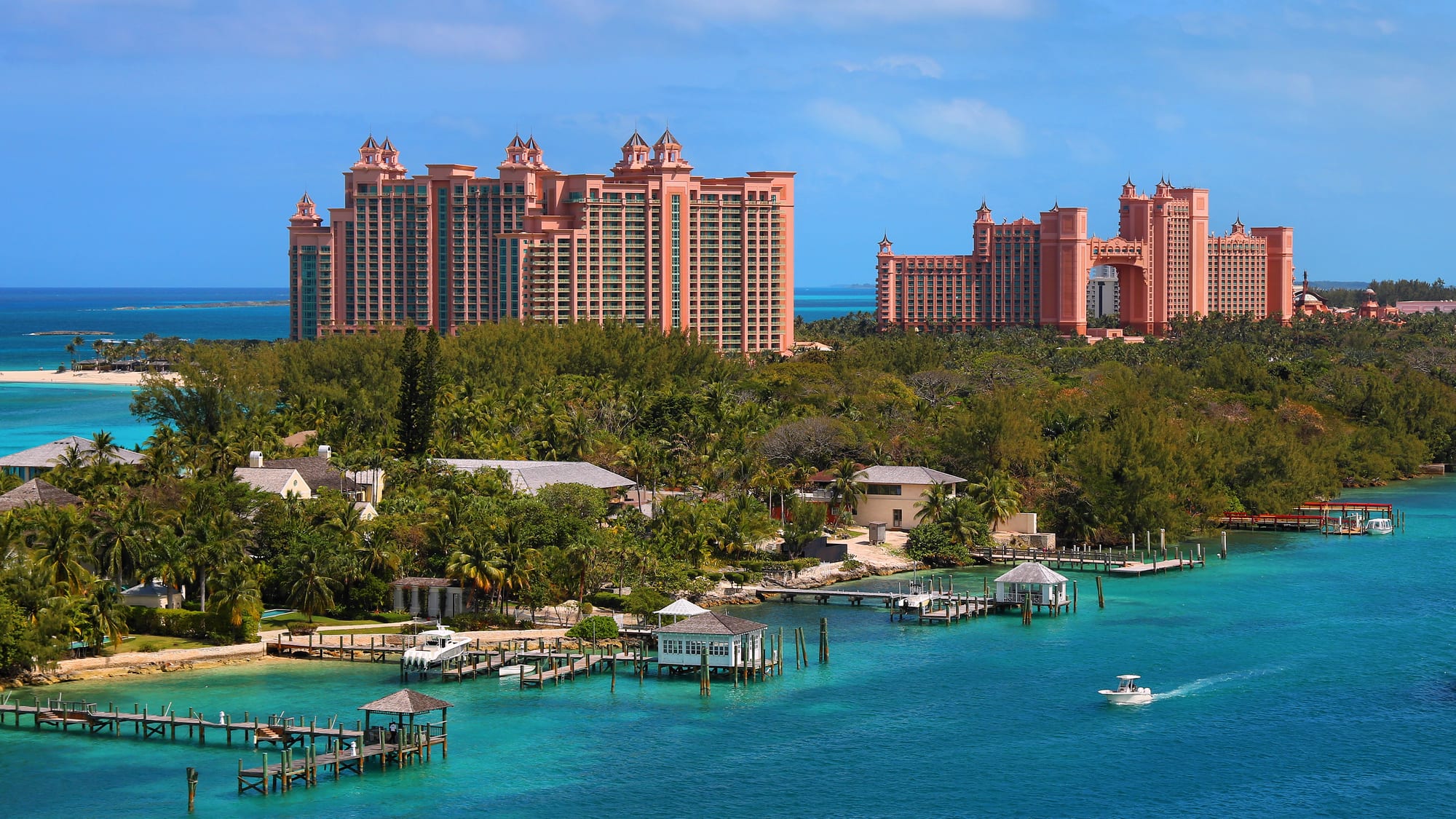
Love it or not, Atlantis is the single biggest thing in the Bahamas: a sprawling pink resort on Paradise Island with a 154-acre water park of slides, river rides and pools, what it bills as the largest open-air marine habitat in the world, a walk-in aquarium, and a casino hung with Dale Chihuly glass.
Paradise Island also has the Cloisters, a 14th-century French Augustinian monastery shipped over and rebuilt as a garden, and long white-sand beaches.
5. The Exuma swimming pigs
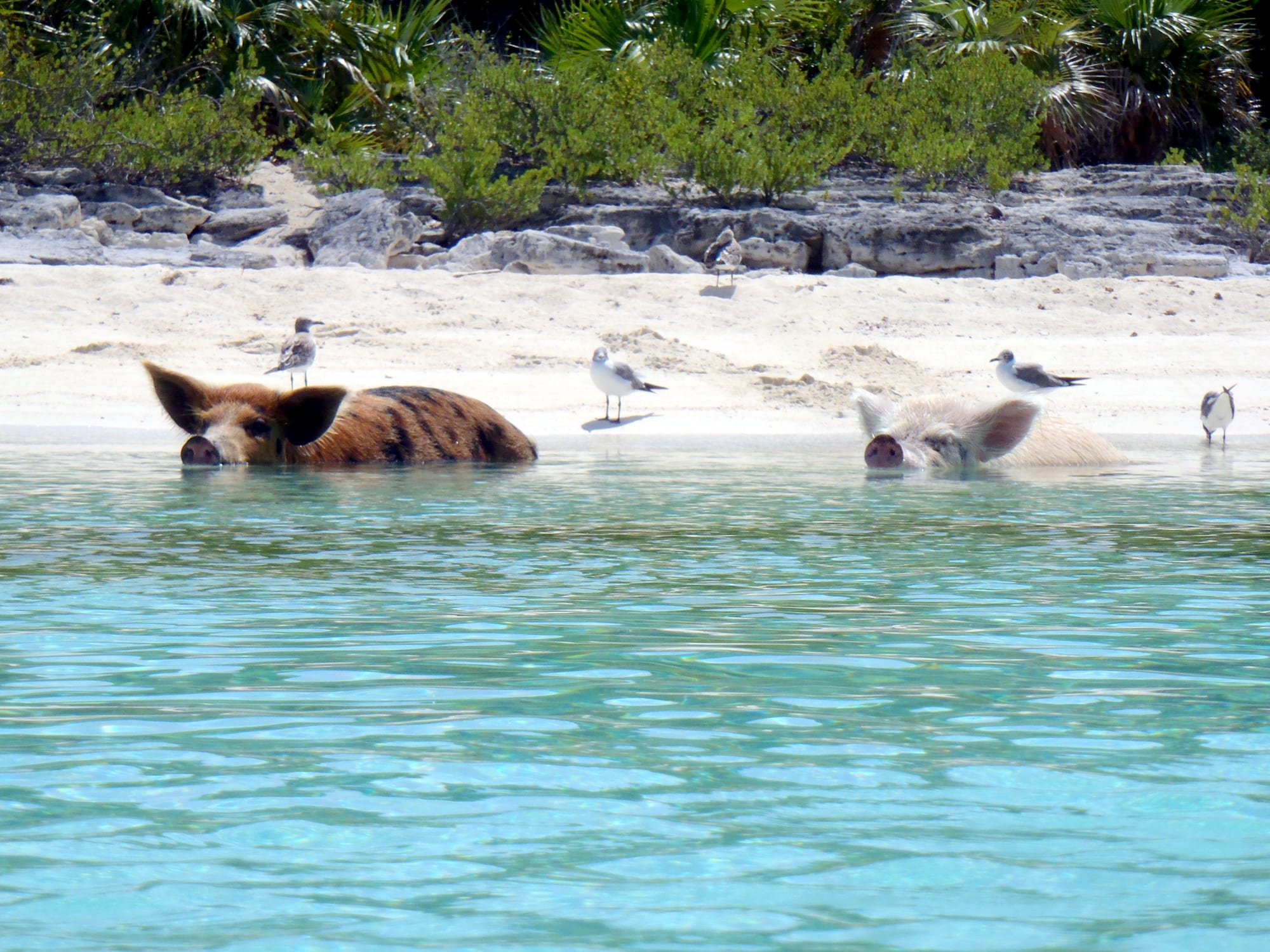
On an uninhabited cay in the Exumas, a colony of feral pigs has learned that boats mean food and now wades — and paddles — out to meet them. Nobody is quite sure how the pigs got there; the result is one of the Bahamas' most photographed oddities, and the anchor of a whole day-trip industry out of Staniel Cay and Nassau.
The same trips usually take in Thunderball Grotto off Staniel Cay, a limestone snorkelling cave used in the 1965 James Bond film Thunderball.
6. The Exuma Cays Land and Sea Park
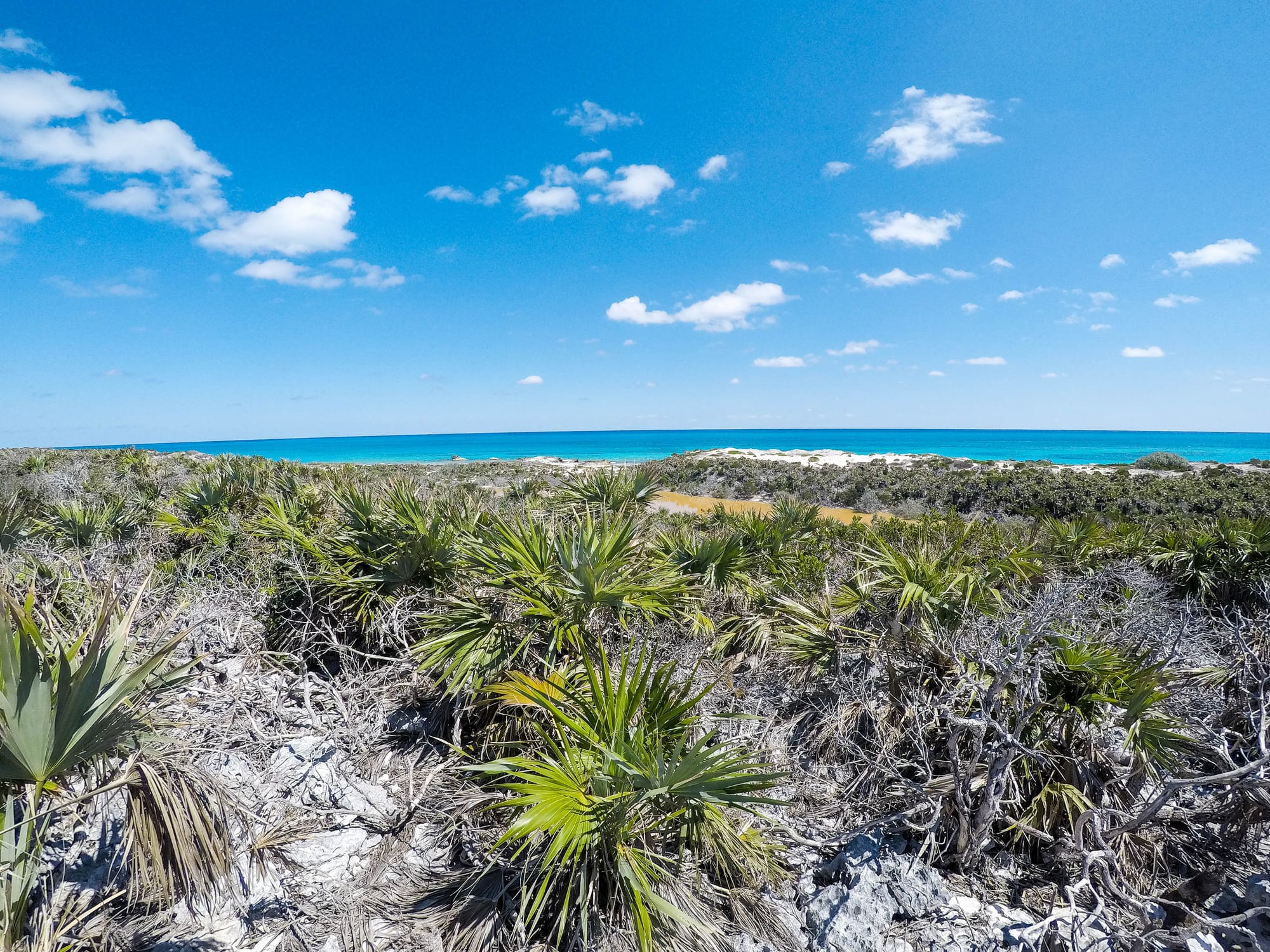
Established in 1958 and made fully no-take in 1986, this park protects a long chain of cays, from Shroud Cay to Bell Cay, and the water around them. It is credited with helping restock conch, grouper, and spiny lobster across the region, and it is a stunning place to sail: the park headquarters at Warderick Wells, hiking trails, and reefs with no fishing pressure.
A boat is essential — a charter, a yacht, or a long day trip — and visitors bring what they need with them.
7. Pink Sands Beach, Harbour Island
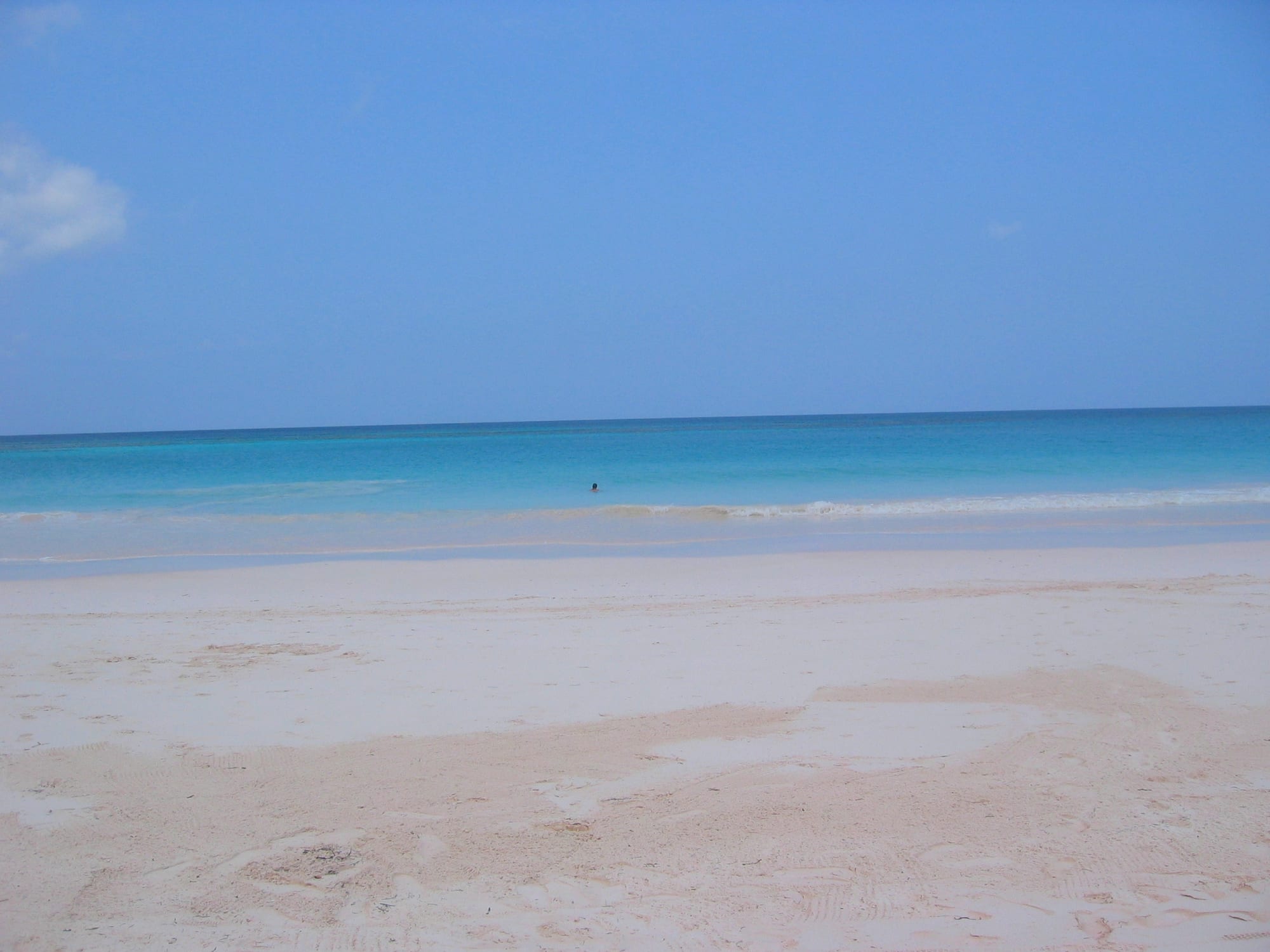
Harbour Island, a small cay off the north end of Eleuthera, has pink-sand beaches along its whole eastern side, tinted by the reddish-pink shells of a microscopic organism, a foraminiferan. The island's only village, Dunmore Town, named after an 18th-century governor, the Earl of Dunmore, is a pastel settlement of clapboard cottages and golf carts.
Eleuthera itself, long and thin, has the Glass Window Bridge — a strip about 30 feet wide where the deep-blue Atlantic and the pale Great Bahama Bank almost touch — and miles of empty beach.
8. Dean's Blue Hole, Long Island
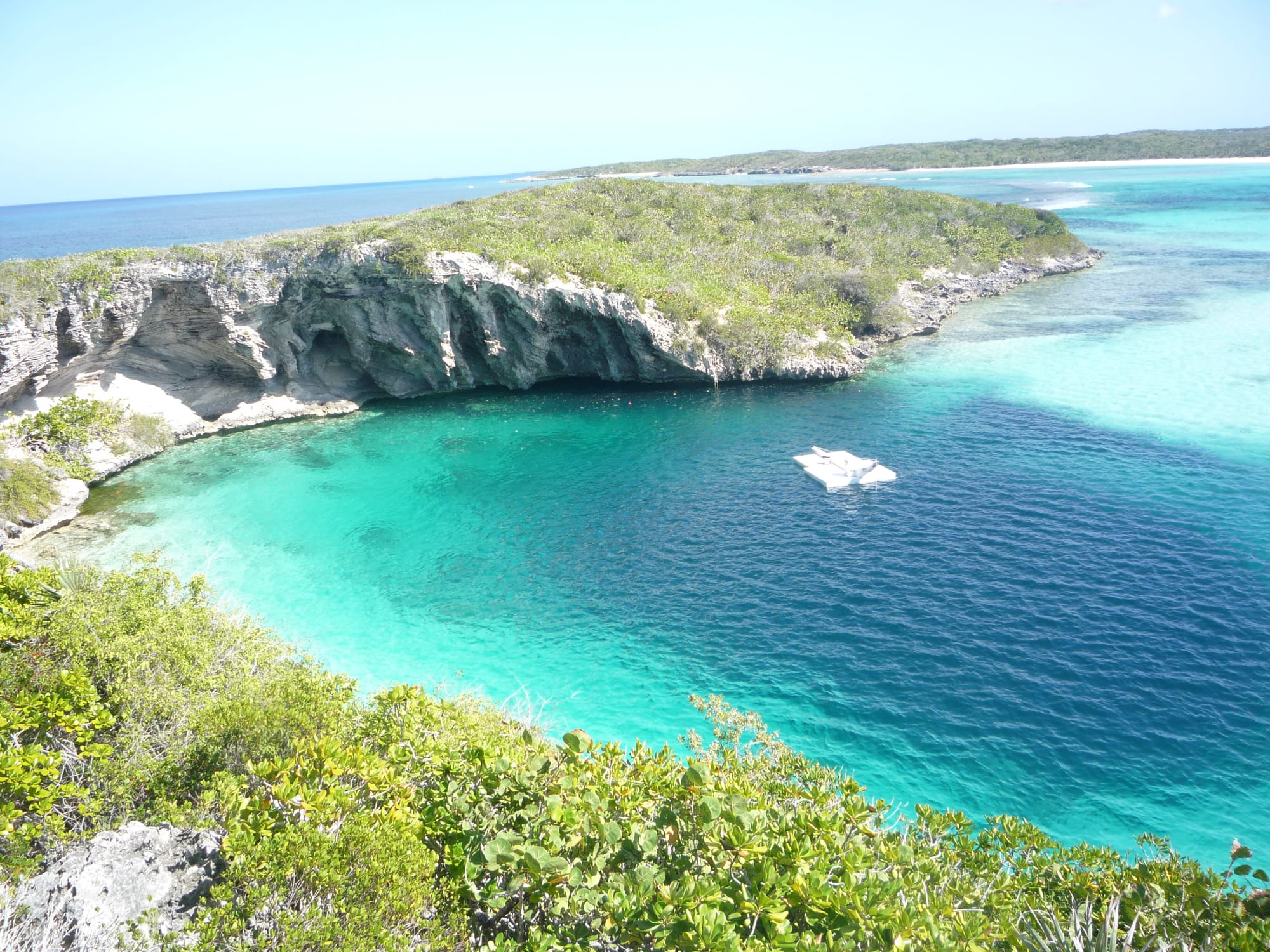
Tucked into a bay west of Clarence Town on Long Island, Dean's Blue Hole is a near-circle of navy water dropping about 663 feet into the seabed — the third-deepest known blue hole in the world, after Taam Ja' in Mexico and the Dragon Hole in the South China Sea. It hosts the Vertical Blue free-diving competition and has seen a number of free-diving world records.
Long Island is otherwise very quiet — bluffs, caves, and one long road down its spine.
9. Lucayan National Park, Grand Bahama
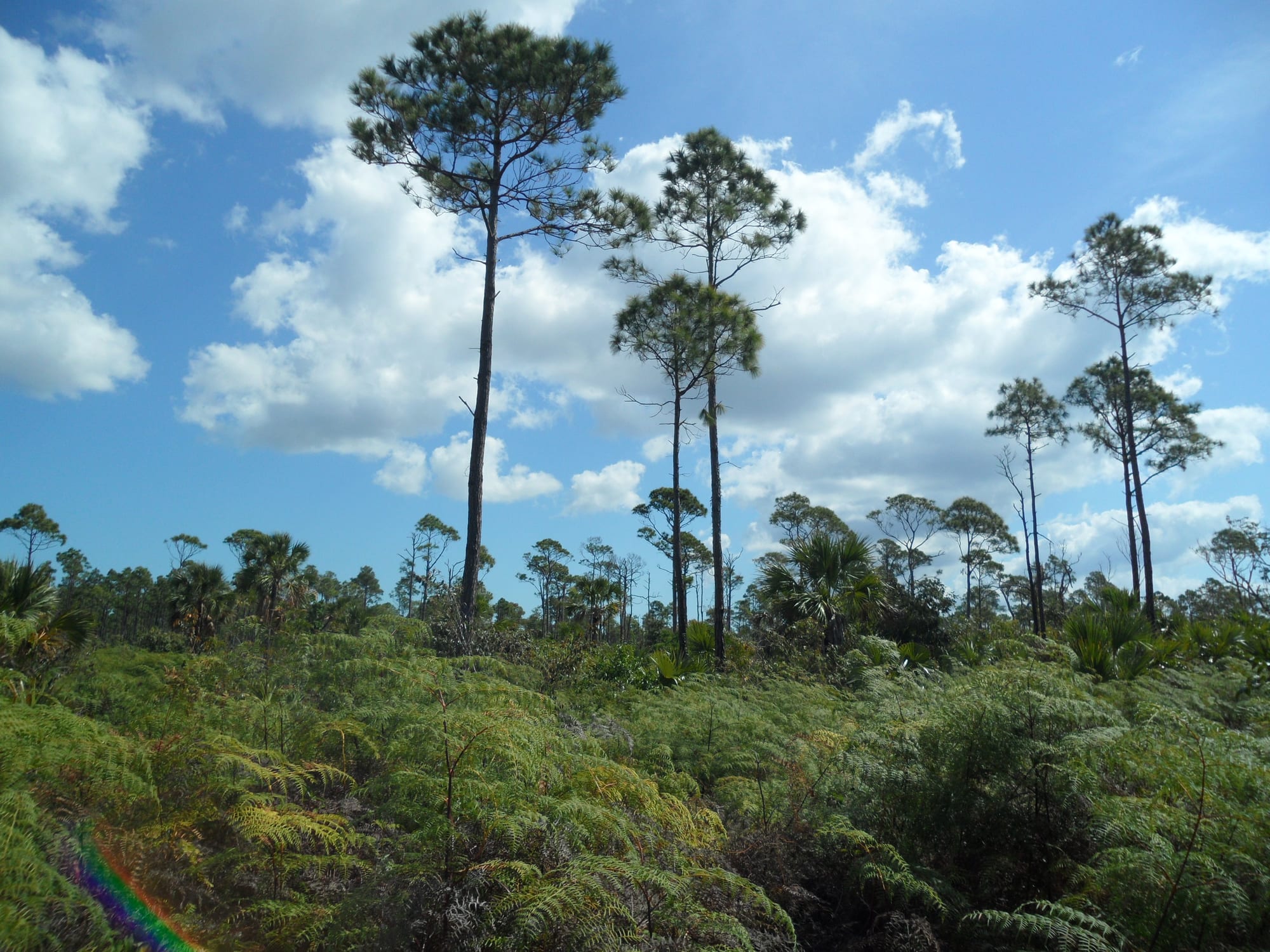
On Grand Bahama, this small park packs in pine forest, mangrove creek, beach, and an underwater cave system with about 6.4 miles of charted tunnels. The park, established in 1982, is named after the Lucayan people, the islands' original inhabitants.
It lies east of Freeport, the island's main town.
10. Mount Alvernia Hermitage, Cat Island
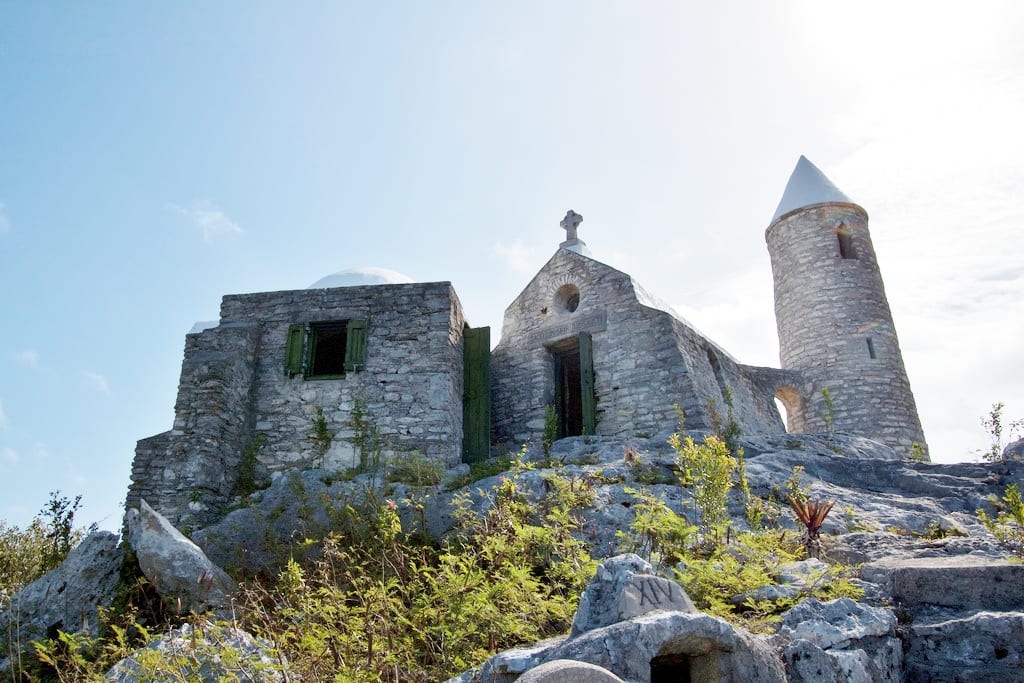
On sleepy Cat Island, a Catholic priest known as Father Jerome — the English architect John Hawes, who designed churches across the Bahamas — designed and built a miniature stone hermitage on the summit after returning to the islands in 1939, and lived there as a hermit. He is buried in a cave beneath it.
At 207 feet, this hilltop is the highest ground in the country. Cat Island around it is a place of quiet villages and beaches.
The Bahamas rewards picking one or two islands and staying put. Nassau plus one Family Island in a week gives both the capital's history and a taste of the empty, luminous archipelago that most visitors never see.