Attractions & Natural Wonders · The Bahamas
Why do pigs swim in the Bahamas?
A colony of feral pigs left on an empty Exuma cay learned that visiting boats bring food, and pigs are natural swimmers.
By Globeway Editorial · 2 November 2026
The short answer
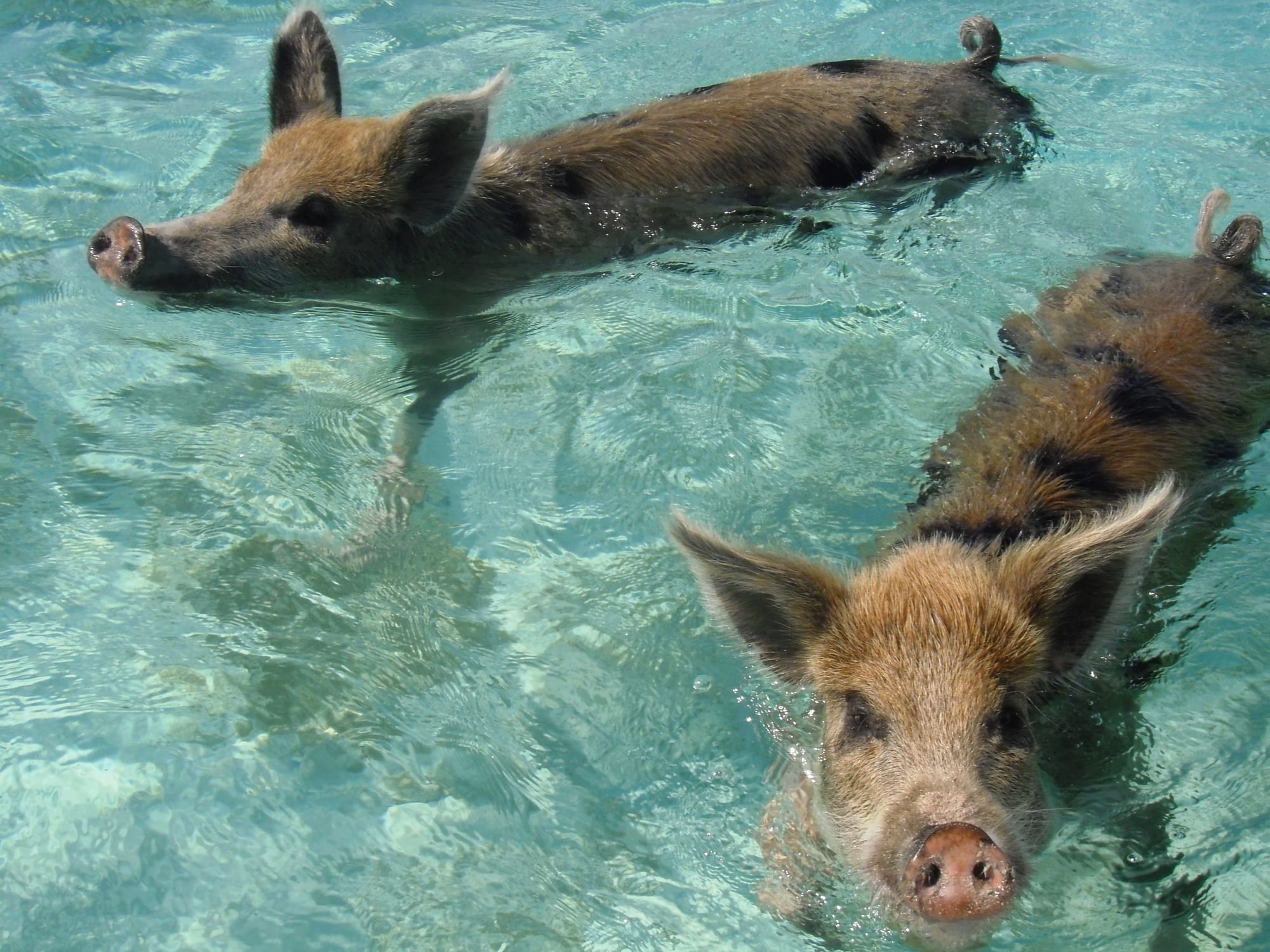
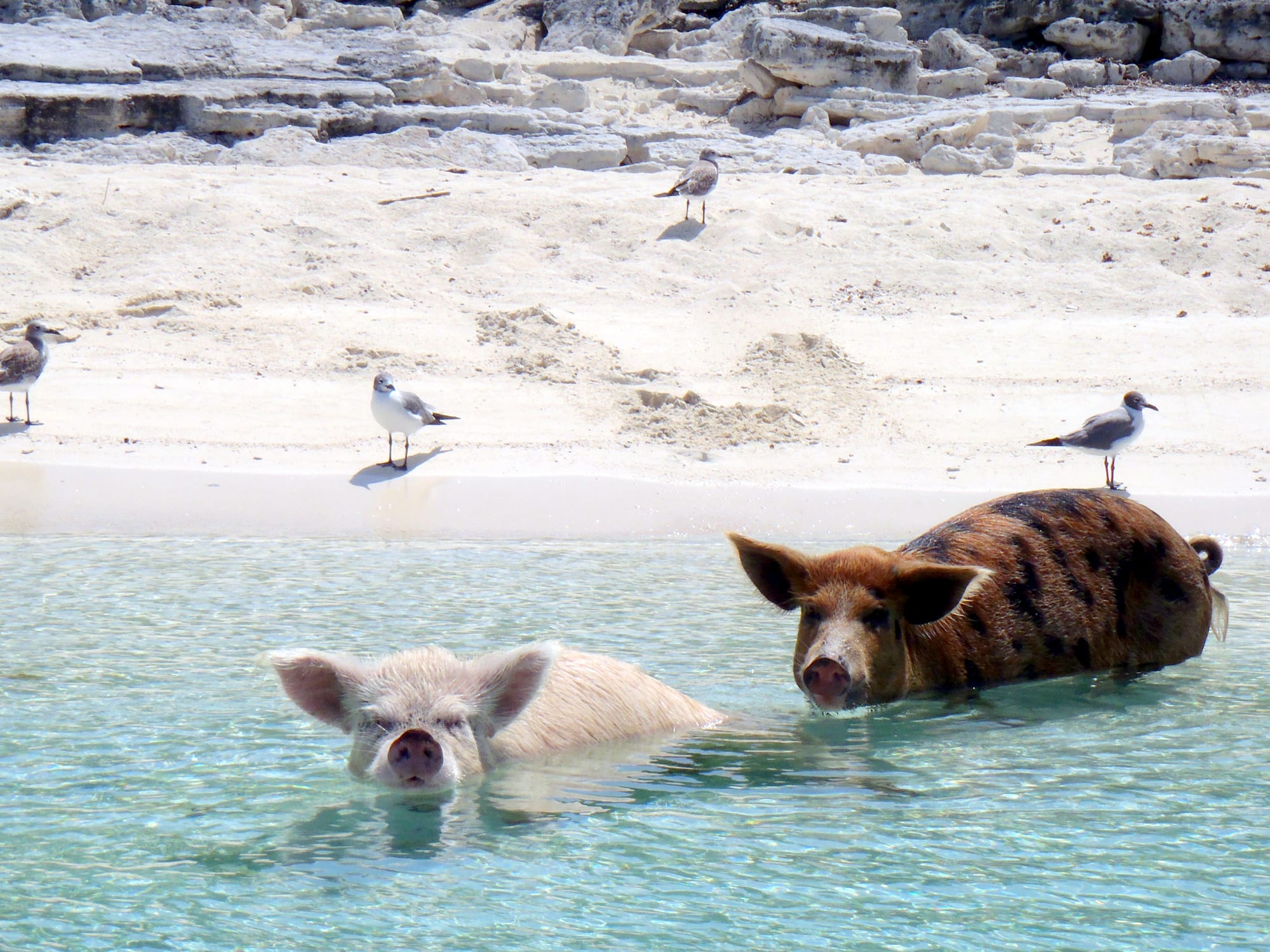
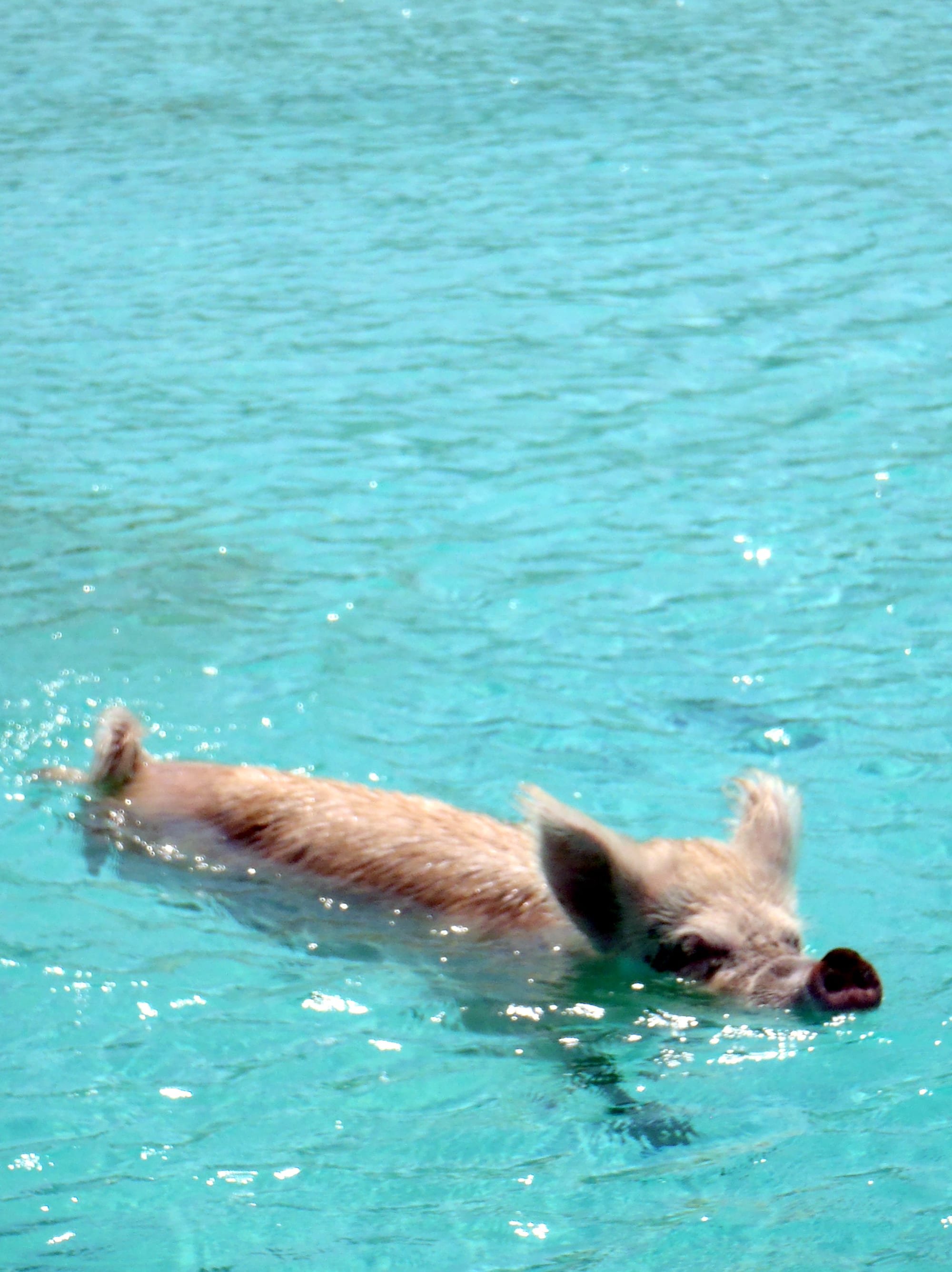
The famous swimming pigs live on Big Major Cay, a small uninhabited island in the Exuma chain of the Bahamas, better known as Pig Beach. They swim because the sea is where their food comes from. Tourists and people from neighbouring islands feed them, and the pigs appear to have learned to link boats and the sound of engines with a meal, so they head into the water whenever visitors arrive.
Swimming comes naturally to them. The pig is most often classed as a subspecies of the wild boar, a competent swimmer able to cover long distances, and pigs use water to cool down in hot weather because they do not sweat to lose heat. Nobody knows for certain how the pigs reached the island in the first place, but their beach now draws thousands of visitors a year.
An island run by pigs
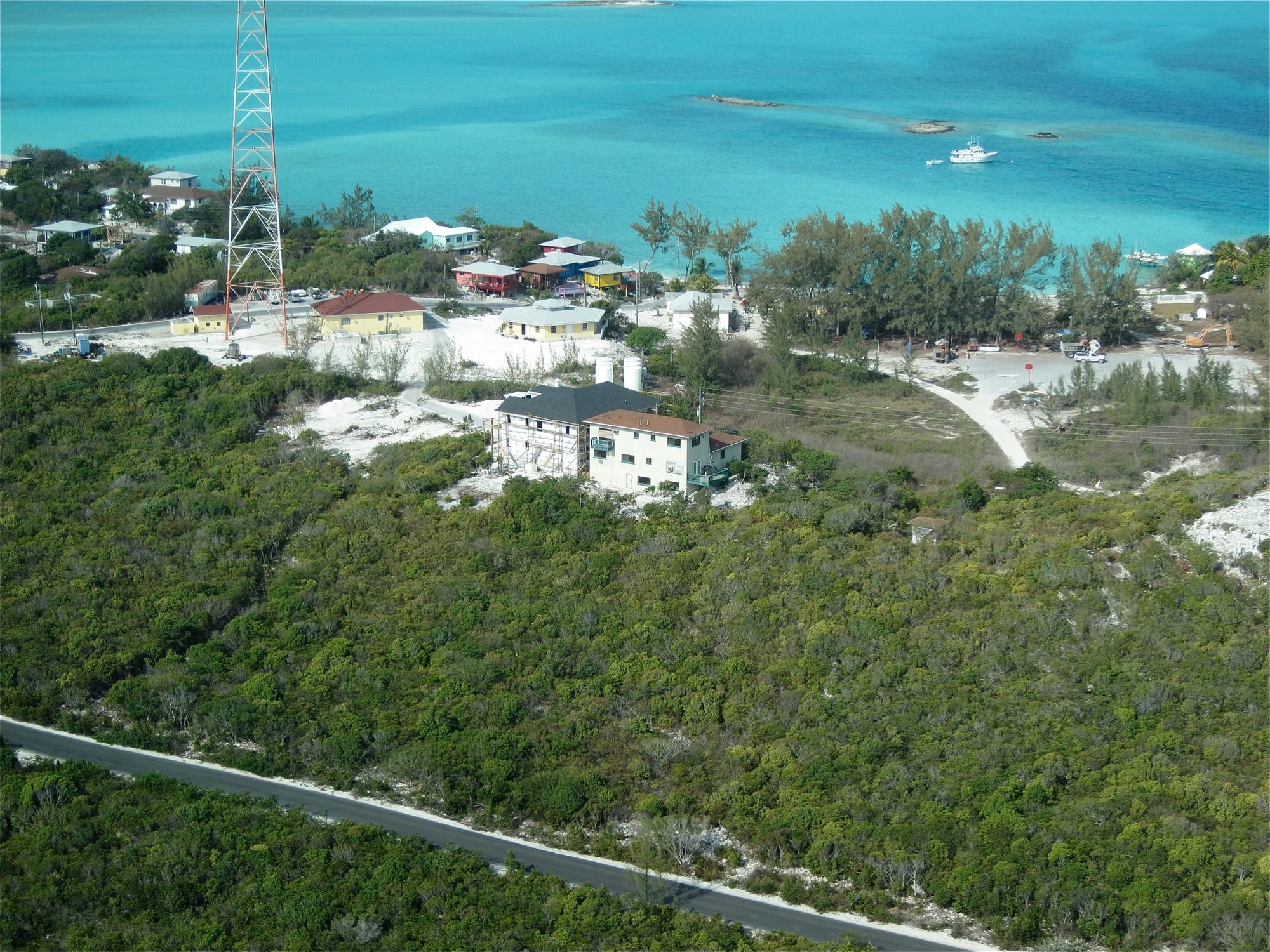
Big Major Cay sits among the Exuma Cays, part of a district of more than 365 islands and cays south of Nassau. It lies next to Staniel Cay, a small island with fewer than 118 full-time residents, about 75 miles south of Nassau. No people live on Big Major Cay itself, though it has three freshwater springs. Besides the pigs it holds a few stray cats and goats.
The pigs are not native wildlife. The Bahamas' own native mammals include the rare Bahamian hutia, found nowhere else. Pigs are domestic animals, and those on Big Major Cay are feral, meaning domestic stock that now lives wild. In 2019 their number was estimated at fifty to sixty.
Sailors, shipwrecks or a plan for dinner
How the pigs got there is a mystery wrapped in stories. No single, factual account appears to exist. One tale says sailors left the pigs on the cay intending to come back and cook them, never returned, and the animals lived on scraps thrown from passing ships. Another says they survived a shipwreck and swam ashore. Others claim they escaped from a nearby islet, or were put there as a business scheme to lure tourists, and some versions blame pirates.
The most down-to-earth explanation comes from Staniel Cay itself. According to residents, the pigs were raised on Staniel Cay in the early 1990s before locals decided to move them to uninhabited Big Major Cay, where they were left to roam free. The herd multiplied, and from time to time people from Staniel Cay would cross over, choose the fattest pig and share the meat. In other words, the island was a larder on the water. As word of the pigs spread, tourists began to come, and with tourists came a steady supply of food.
Why a pig takes to the water
People are often surprised that pigs swim at all, but the ability runs in the family. Domestic pigs are close kin of the wild boar, which is known to be a competent swimmer, sometimes moving between islands in the Aegean and Ionian seas. The pigs of Big Major Cay are, in effect, using an old talent in a new setting.
Pigs that go wild also adapt quickly to their surroundings. Feral pigs are described as highly social, intelligent and adaptable, and they tend to prefer places with water close by. When food is scarce they travel farther to find it. On a small cay surrounded by shallow sea, farther often means into the water.
There are other reasons a pig might head into the sea. Pigs do not use sweat to cool themselves and are poor at panting, so in hot weather they lose heat by wallowing in mud or water. On a sunny Bahamian cay the clear shallows serve the same purpose. Food matters most, though: the pigs appear to have learned that boats, and the sound of their engines, mean something to eat.
Pig Beach today
Pig Beach is about 89 miles from Nassau, roughly two hours by speedboat, and tour boats run from Great Exuma, Staniel Cay and other nearby cays. Boats have long been part of life here. Staniel Cay was settled in 1783, when American Loyalists settled the whole Exuma archipelago, and it grew popular after the Staniel Cay Yacht Club opened in 1956; the Exumas remain a favourite cruising ground for yachts and sailboats. The pigs have become a fixture of social media and television, including an appearance on The Bachelor. They are not the only swimming pigs in the country: other Bahamian islands have them too, but Big Major Cay's colony is the best known.
The attention has a cost. In 2017 a number of the pigs were found dead, prompting speculation that tourists had fed them alcohol or that the animals had swallowed sand. Some visitors have reported being bitten.
The pigs share their corner of the Exumas with other attractions. Thunderball Grotto, a limestone cave on the western coast of Staniel Cay, was a setting for the 1965 James Bond film Thunderball, and to the north lies the Exuma Cays Land and Sea Park, established in 1958 and closed to all fishing since it became a replenishment zone in 1985.