Attractions & Natural Wonders · Bangladesh
Bangladesh: Nine Attractions and Natural Wonders
The world's largest mangrove forest and its tigers, a 15th-century 'Sixty Dome' mosque, a ruined Buddhist monastery, and one of the longest natural beaches on Earth
By Globeway Editorial · 30 September 2026
A country made of rivers
Bangladesh is one of the most densely populated countries in the world, built on the vast delta where the Ganges, Brahmaputra, and Meghna rivers meet the sea. It gets relatively few foreign tourists, and it is not an easy place to travel — crowded, humid, with slow roads — but it has a mangrove wilderness like nowhere else, superb medieval Islamic architecture, and green hills in the far southeast.
The nine below spread across the country from the Sundarbans in the southwest to the Chittagong Hills in the southeast. October to March is the cool, dry season and the only comfortable time to go.
1. The Sundarbans
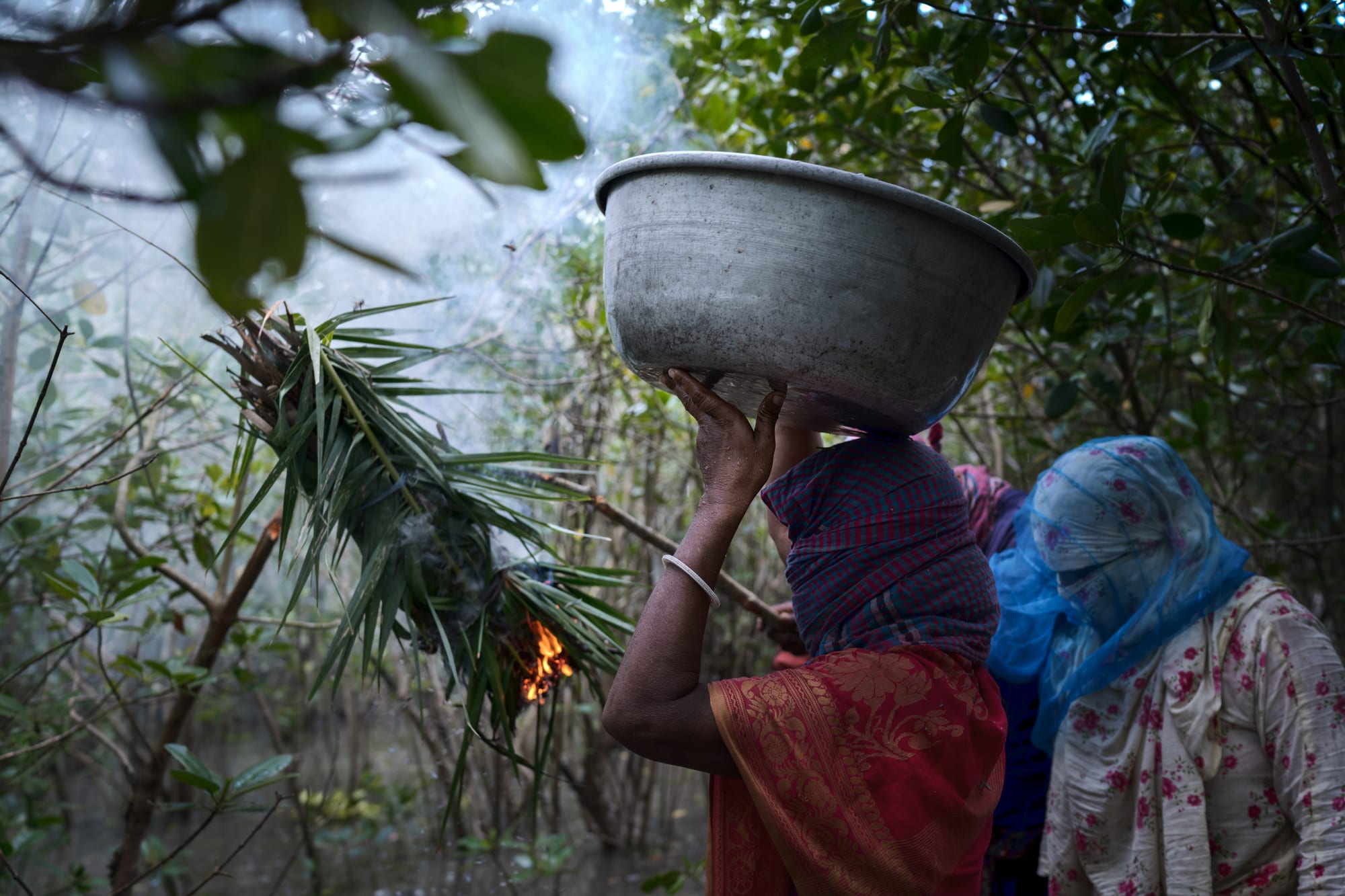
The Sundarbans is the largest mangrove forest on Earth — around 10,000 square kilometres of tidal channels, mudflats, and salt-tolerant forest at the seaward edge of the delta, about 60 percent of it in Bangladesh. Its Bangladeshi part is a UNESCO World Heritage Site, and it is the only mangrove region that is home to the Bengal tiger; it also shelters saltwater crocodiles, spotted deer, and river dolphins.
Most visitors come on a multi-day boat cruise from Khulna or Mongla, sleeping aboard and going ashore at forest stations. Tiger sightings are rare; the atmosphere of the place is the reward.
2. The Mosque City of Bagerhat
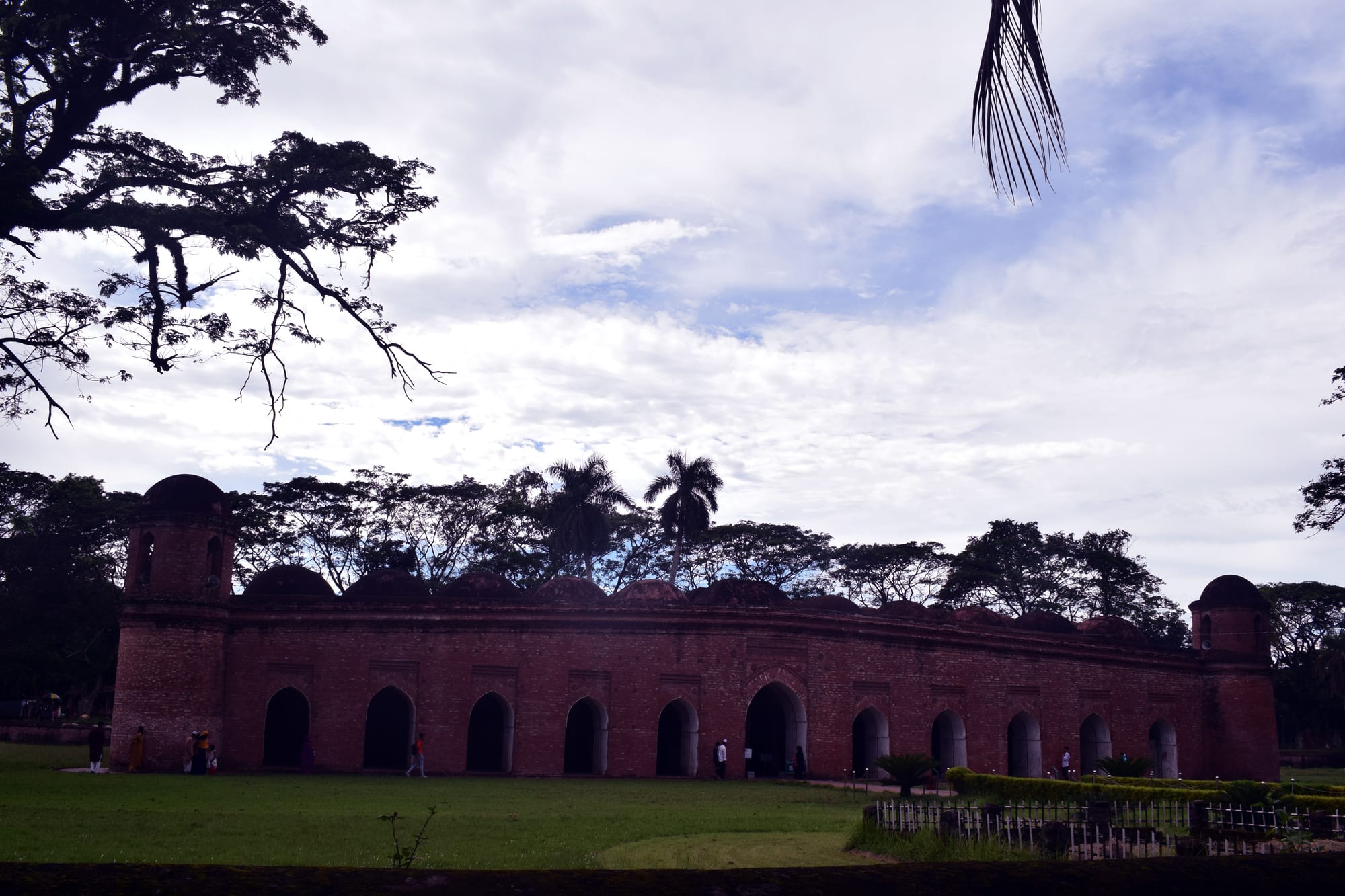
Near Khulna, on the edge of the Sundarbans, a 15th-century Muslim general laid out a city — Khalifatabad — that has been a UNESCO World Heritage Site since 1983, with more than 50 Islamic monuments in brick. Its centrepiece is the Sixty Dome Mosque, a broad prayer hall actually roofed by 77 domes on 60 pillars, with tapering walls about 1.8 metres thick and four corner towers, two of them once used for the call to prayer.
The other monuments — smaller mosques, the general's own tomb, and huge tanks dug for fresh water — are scattered through the surrounding countryside and easily seen in a day.
3. Somapura Mahavihara (Paharpur)
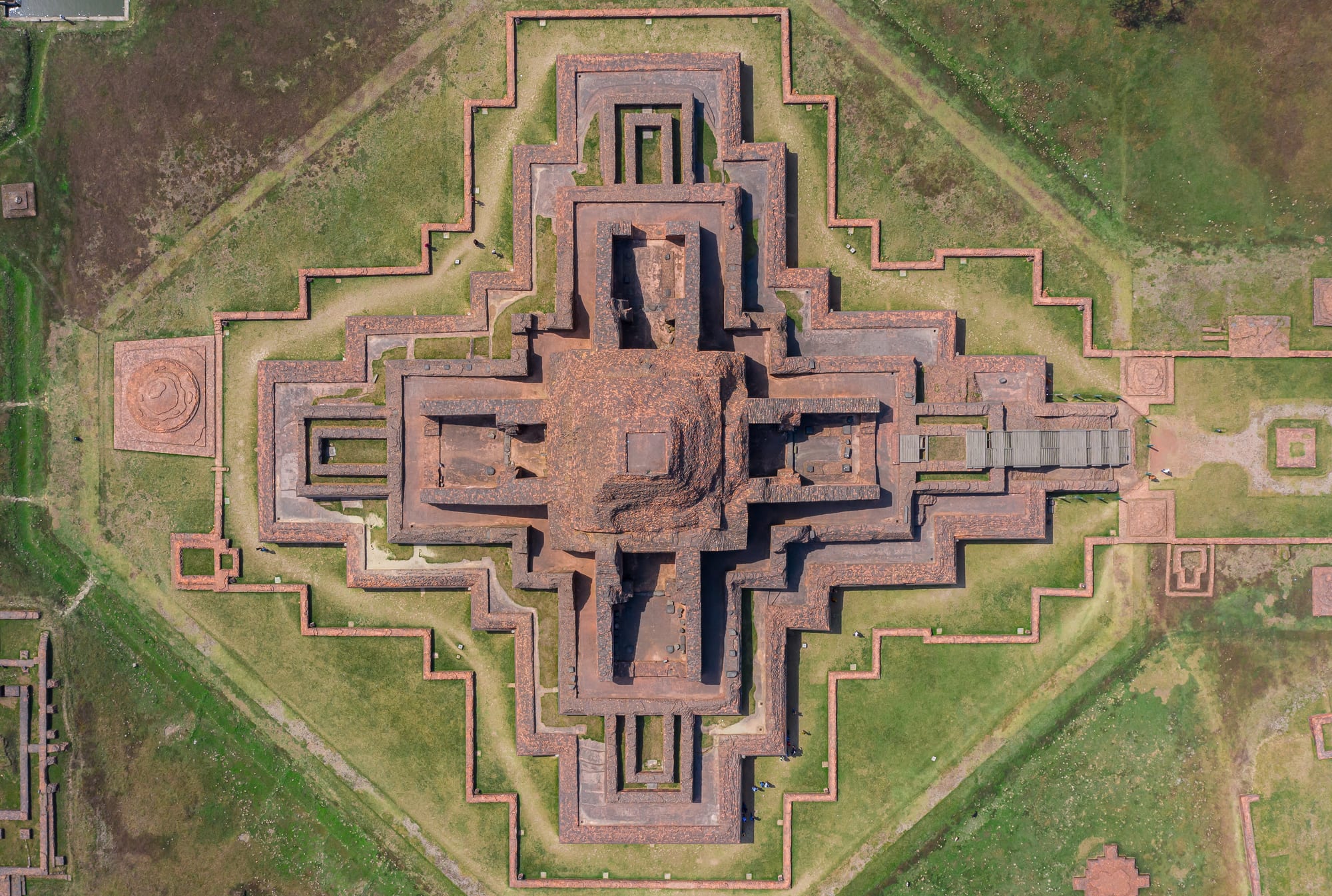
In the northwest, near Naogaon, stand the brick foundations of a vast Buddhist monastery founded in the late 8th century by a Pala king. Its plan is a square of 177 monks' cells around a courtyard, with a cruciform temple rising in terraces at the centre — an influential design that shows up later in Myanmar and Java. It has been a UNESCO World Heritage Site since 1985, and a museum beside it displays finds such as terracotta plaques.
Mahasthangarh, near Bogra and the earliest urban archaeological site yet found in Bangladesh, makes a natural pairing for anyone interested in the region's pre-Islamic past.
4. Cox's Bazar
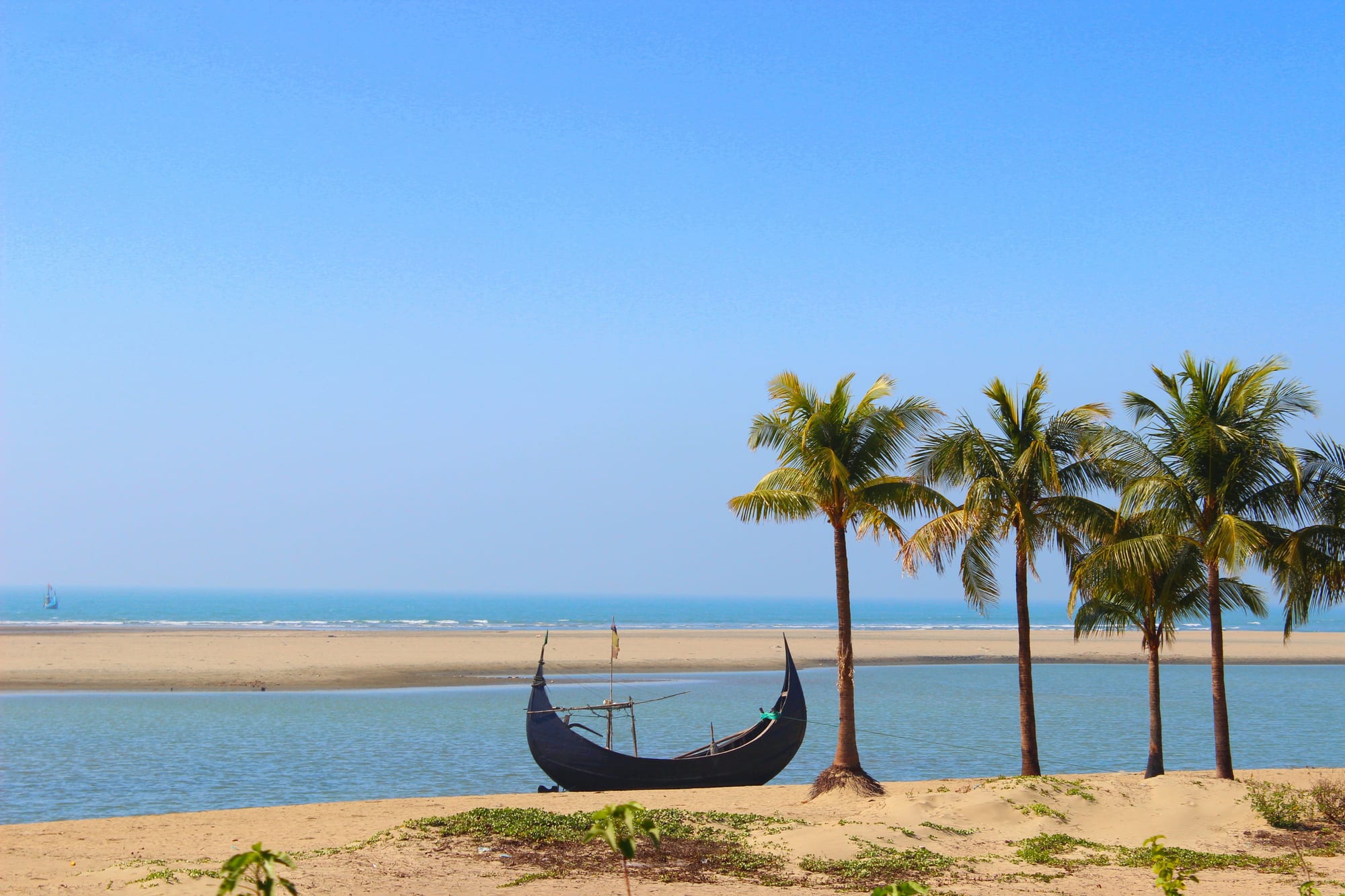
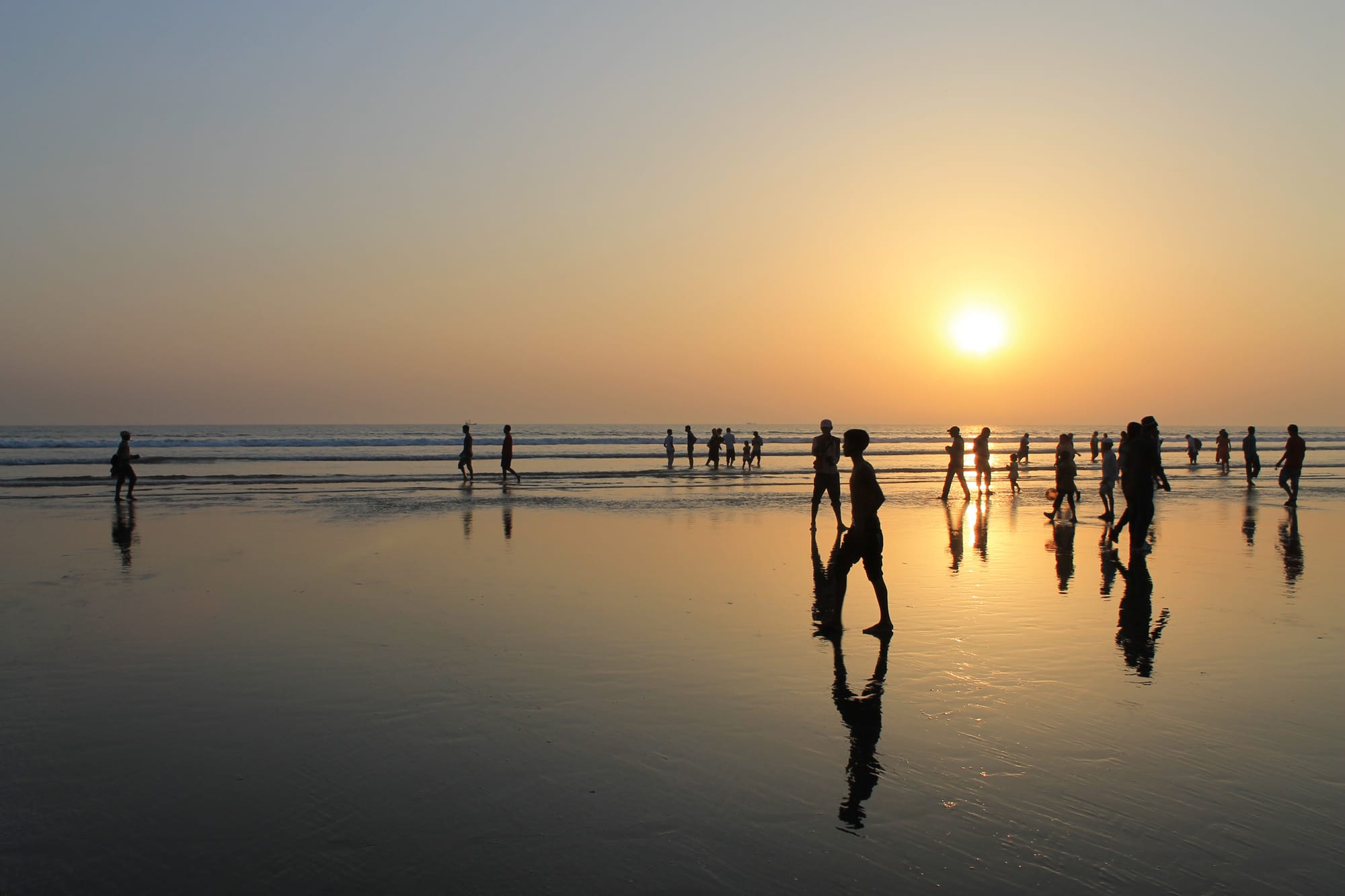
Cox's Bazar, on the southeast coast, is Bangladesh's seaside resort — a long, flat, gently shelving beach that runs, with few breaks, for some 120 kilometres, usually claimed as the longest natural sea beach in the world. The town behind it is busy and fast-growing, with hotels stacked along the shore.
South of town the coast quietens toward Inani and Teknaf; St Martin's Island, offshore, is the country's only coral island, where tourist visits are now restricted to a short winter season.
5. Lalbagh Fort, Dhaka
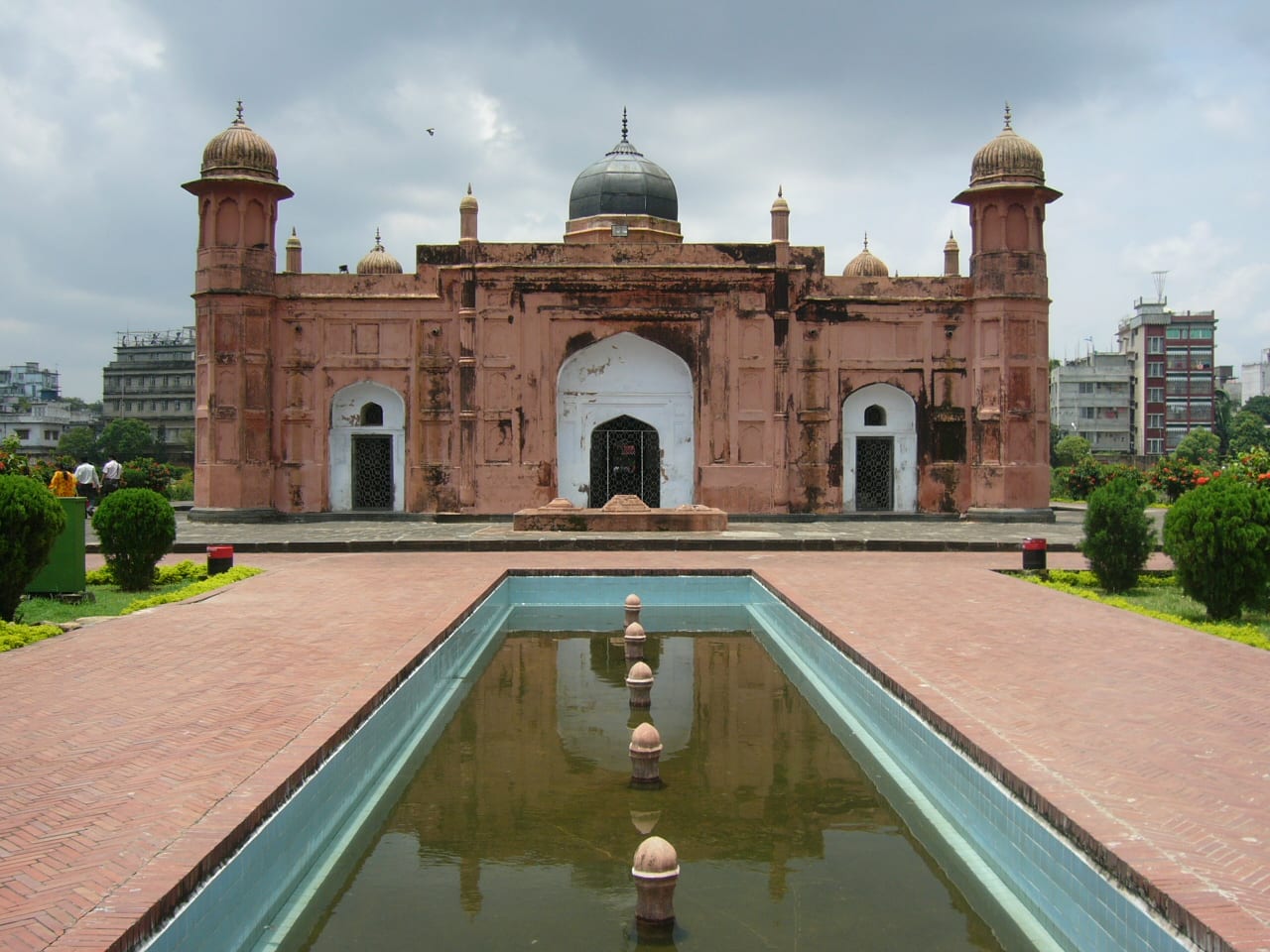
Begun in 1678 by a Mughal prince and abandoned when the governor's daughter, Pari Bibi, died during construction, Lalbagh Fort is old Dhaka's calmest historic space: a walled garden compound with her domed tomb, a mosque, an audience hall and bathhouse, and water channels with fountains.
It is the anchor for a walk through the old city — the pink Ahsan Manzil palace, the ornate Star Mosque, the Armenian church, and the chaos of the Sadarghat river port, where huge ferries load for the delta.
6. Ahsan Manzil, Dhaka
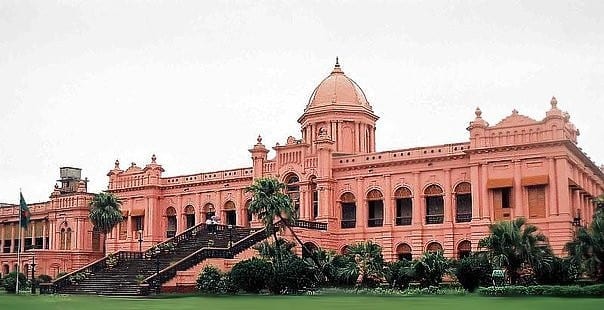
The bright-pink Ahsan Manzil was built between 1859 and 1872 as the palace of the Nawabs of Dhaka, the leading Muslim aristocrats of Bengal, on the bank of the Buriganga. At a 1906 meeting held here, the Nawab of Dhaka put forward the proposal that led to the founding of the All-India Muslim League — the party that would campaign for Pakistan. Restored by 1992, it is now a museum run by the Bangladesh National Museum.
The riverfront in front of it is one of the best places to watch the extraordinary traffic of the Buriganga, thick with ferries, launches, and tiny rowed sampans.
7. Srimangal and the tea country
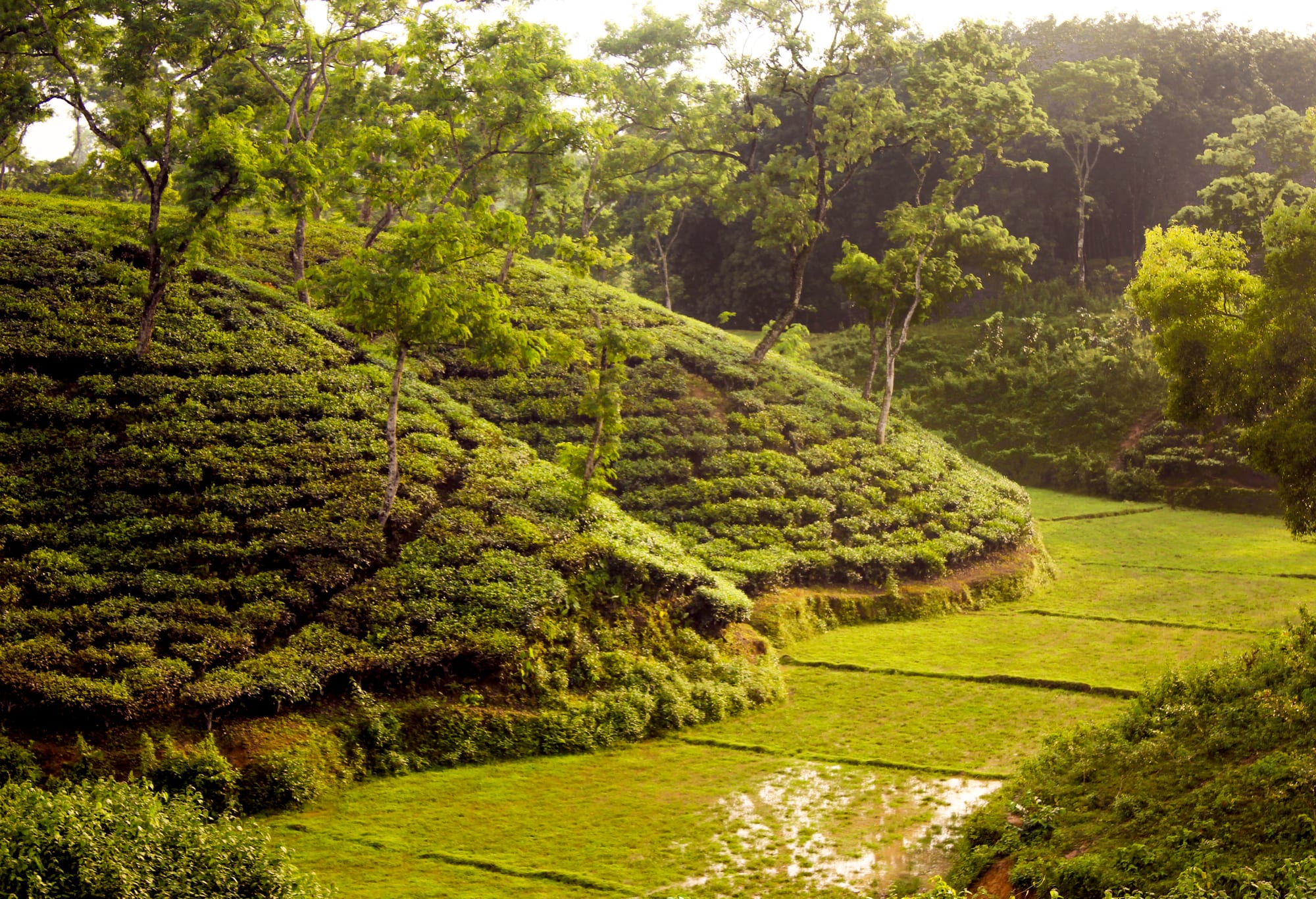
Srimangal, in the hilly northeast, is the heart of Bangladeshi tea: many estates of clipped bushes running over low hills, worked largely by communities descended from labourers brought from central India by the British. The town is the home of the famous "seven-colour tea", poured in distinct layers.
The area also has the Lawachara rainforest reserve, home to the largest surviving population of hoolock gibbons in Bangladesh, and the Ratargul freshwater swamp forest, about 26 kilometres from Sylhet, where boats move between half-submerged trees.
8. Panam City, Sonargaon
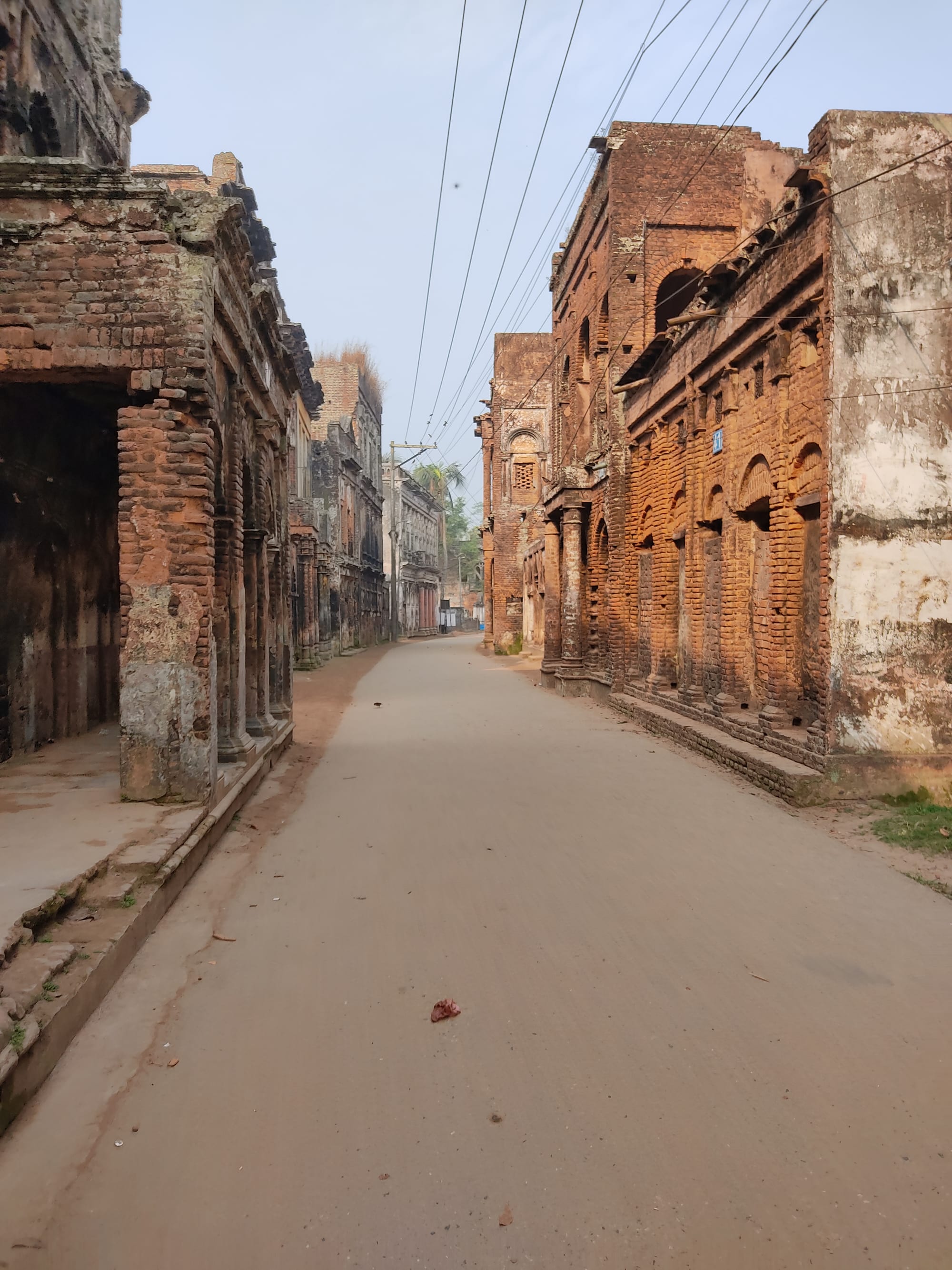
Sonargaon, just southeast of Dhaka, was a capital of Bengal in the medieval period and a centre of the fine muslin trade. Its best-known relic is Panam City: a single street of 52 ornate houses built or rebuilt by wealthy Hindu merchants in the 19th and early 20th centuries, largely abandoned after Partition in 1947 and riots in 1964, and now in picturesque ruin.
The nearby Folk Art Museum, in a restored palace and garden, is one of the better museums in the country.
9. Bandarban and the Chittagong Hill Tracts
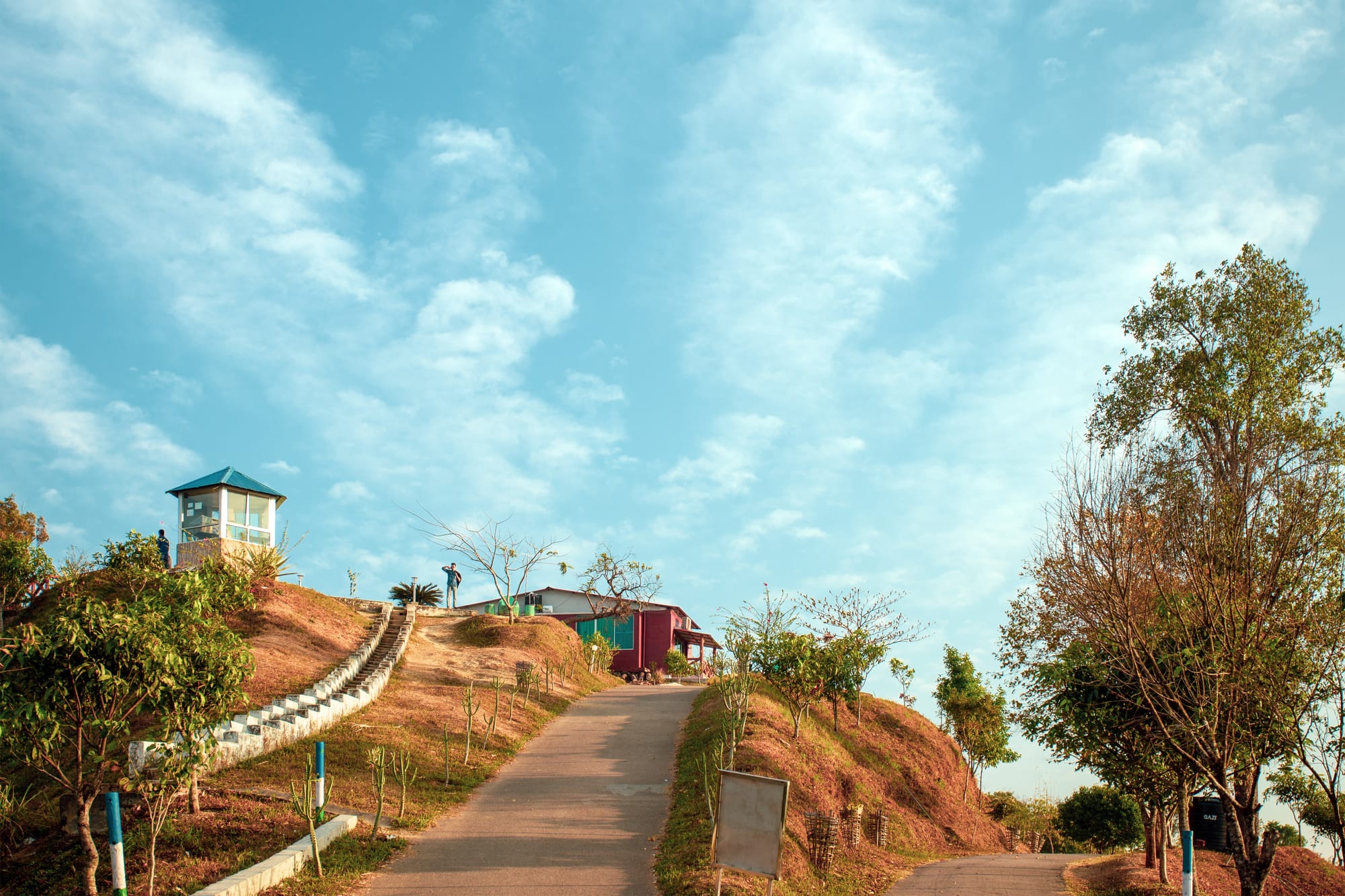
The far southeast is the exception to flat, deltaic Bangladesh: a band of forested hills along the Myanmar border, home to a mix of Indigenous peoples — Marma, Bawm, Mru, Chakma — with their own languages and Buddhist and animist traditions. Bandarban town is the usual base, for viewpoints such as Nilgiri and Chimbuk, boat rides on the Sangu river, and treks towards Bangladesh's highest peaks, such as Keokradong.
The Hill Tracts have a long history of insurgency and are sensitive; the rules for foreign visitors change, so the current situation is worth checking before planning.
Bangladesh is a demanding trip and a rewarding one. Give it two weeks, keep the itinerary loose, and a foreign visitor may well be the only one at many of these places.