Attractions & Natural Wonders · Barbados
Barbados: Ten Attractions and Natural Wonders
A calm Caribbean coast on one side and a wild Atlantic one on the other, a cave toured by tram, a great house that still makes rum, and a Georgian garrison town
By Worldlore Editorial · 30 September 2026
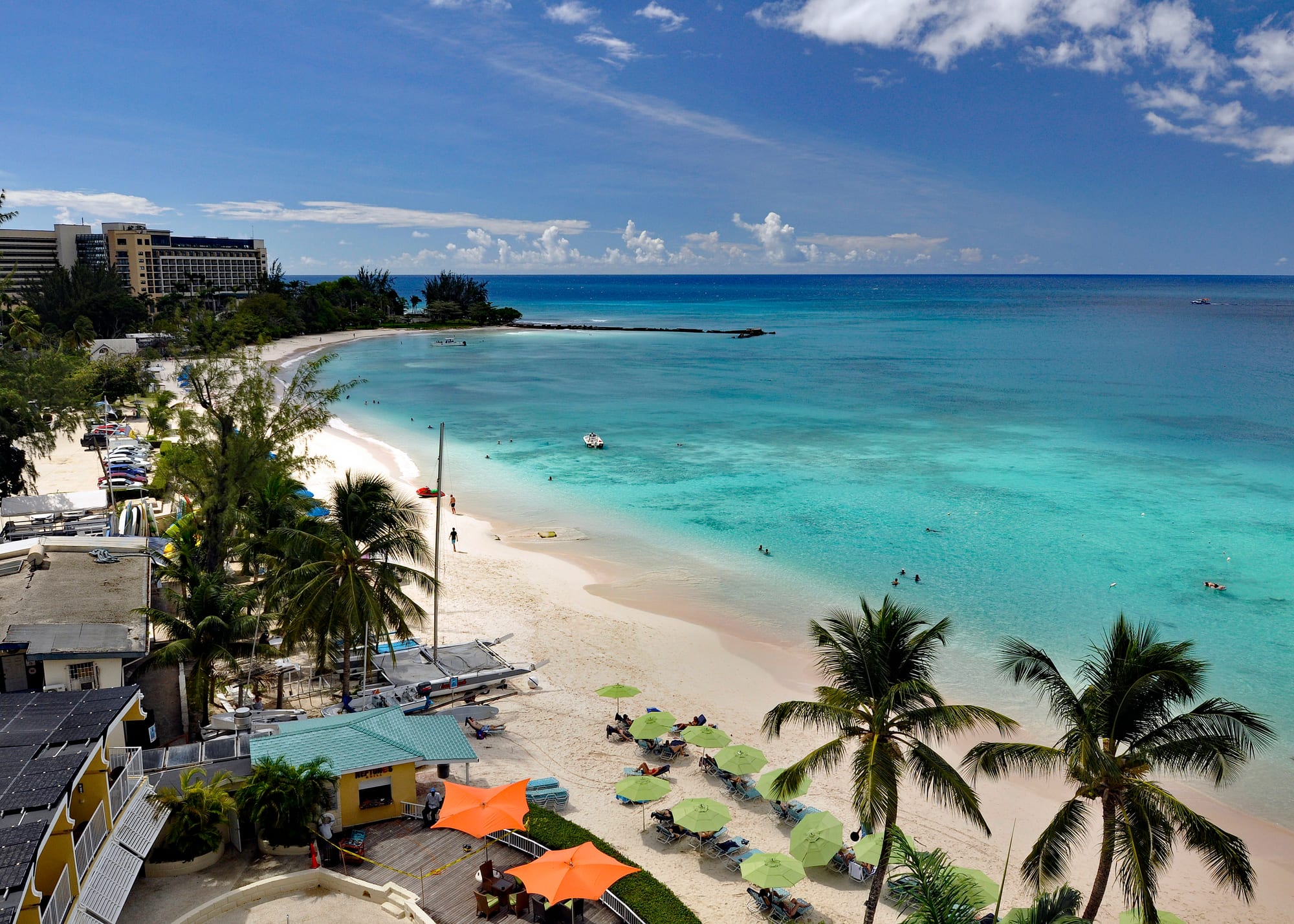
Two coasts, one small island
Barbados sits slightly apart from the rest of the Caribbean chain, further out into the Atlantic, and it has two very different sides. The west and south coasts, facing the Caribbean, are calm, warm, and lined with beaches and resorts. The east coast, facing the open ocean, is wild — big surf, spray, and cliffs. Inland is rolling former sugar country, coral limestone riddled with caves.
The ten below cover both coasts and the interior. The island is small enough to drive across in an hour, though the narrow lanes make it feel bigger. The dry season, December to May, is the peak; hurricane season is June to November.
1. Bathsheba and the east coast
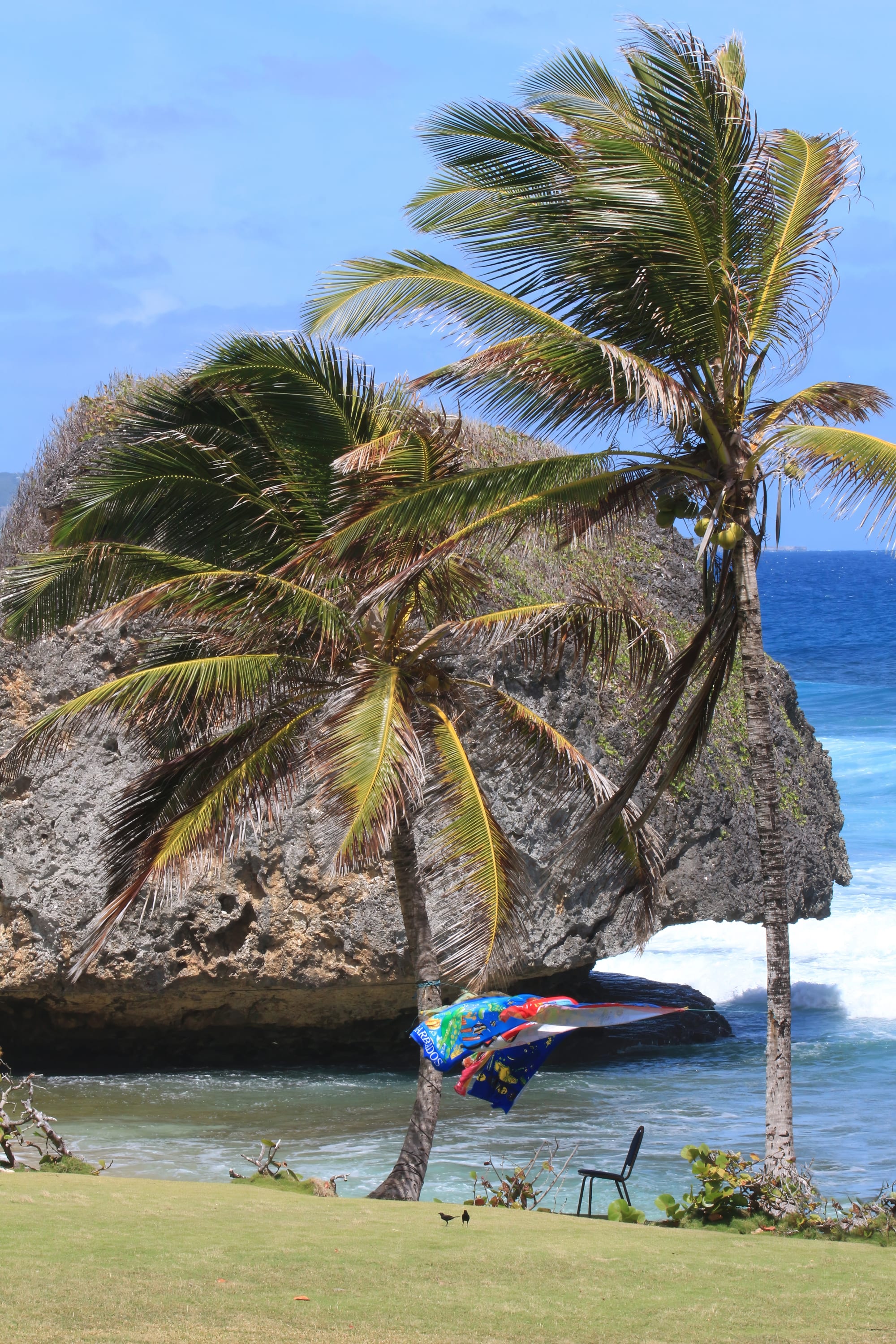
The east coast is the wild half of Barbados: a long line of Atlantic breakers, rock pools, and undercut boulders left standing on the sand. The village of Bathsheba is its centre, and the reef break just offshore — the "Soup Bowl" — is Barbados's best-known surf spot, where local and international surfing competitions take place every year.
The water here is dangerous for swimming, but the rock pools at low tide are safe, and the coastal walk and the cliffs of the Scotland District behind make this the scenic drive of the island.
2. Harrison's Cave
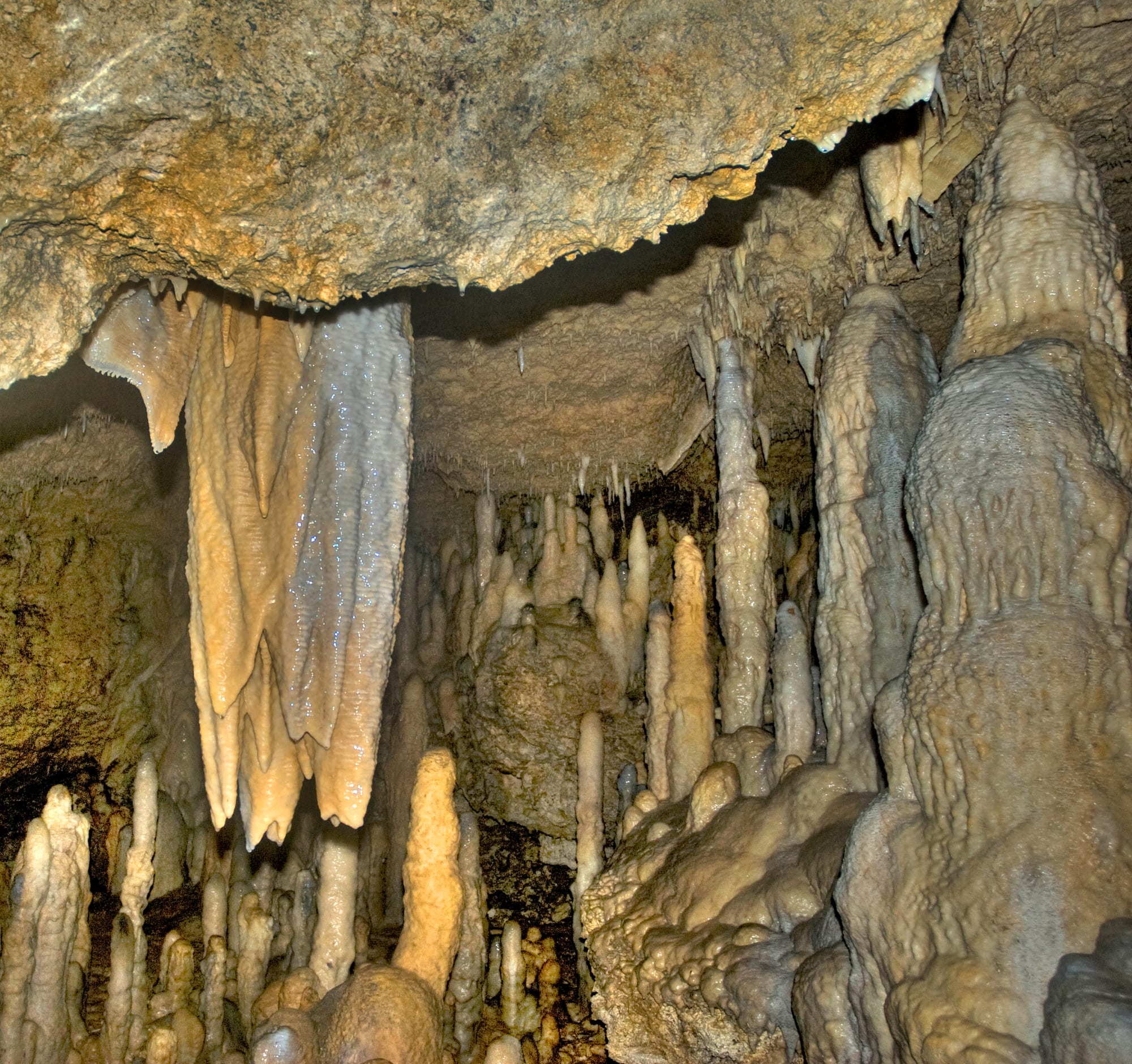
Barbados is a cap of coral limestone, and rainwater has hollowed it out. Harrison's Cave, near the middle of the island, is the show cave: a still-forming system of chambers, flowstone, stalactites, streams, and pools, toured on a tram that trundles down into the earth. Rediscovered in the early 1970s, it opened to the public in 1981.
The central uplands around it are a landscape of gullies, sinkholes, and caverns, among them the forested ravine of Welchman Hall Gully.
3. St Nicholas Abbey
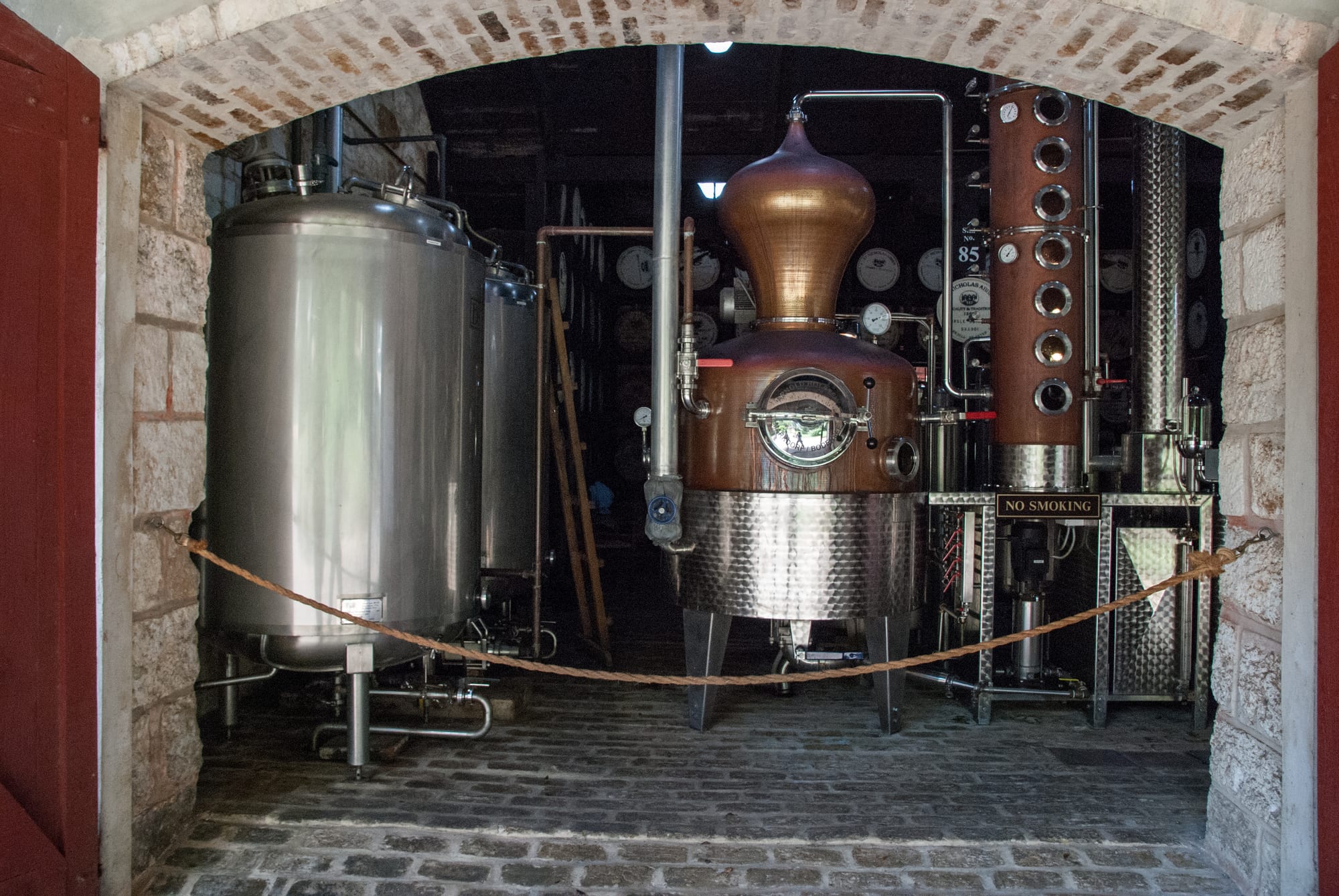
Built around 1658, St Nicholas Abbey (never actually an abbey) is one of only three genuine Jacobean mansions in the Western Hemisphere — curved Dutch gables, finials, a working plantation around it. Sugar has been grown here since 1640, and the estate now distils its own rum on site; visits take in the house, the remains of the mill and sugar works, and a heritage railway completed in 2018.
Like every plantation site on the island, its history is bound up with slavery; from 1810 to 1824 it was owned by the slave-owning Cumberbatch family.
4. The Animal Flower Cave
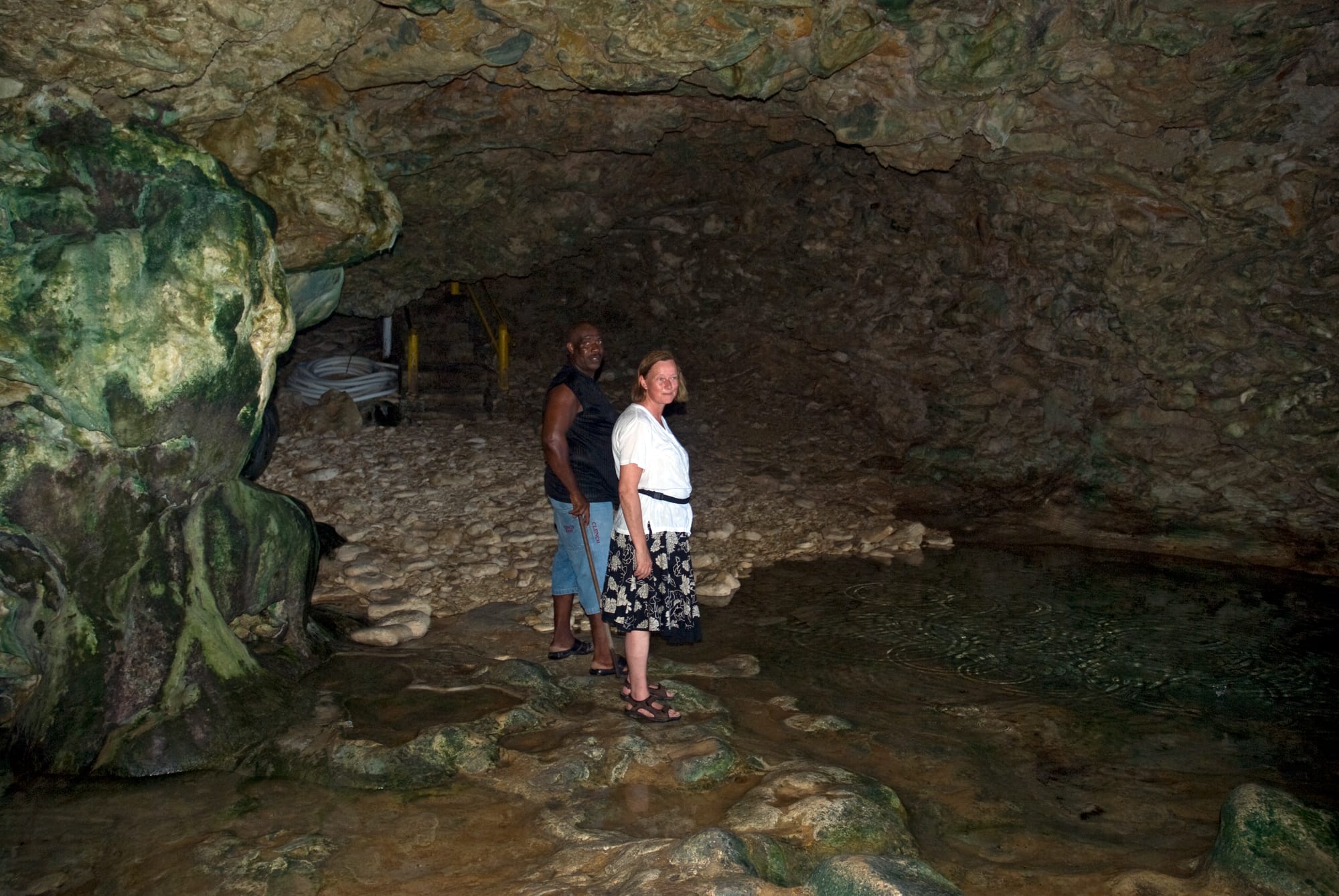
At the northern tip of the island, this sea cave is named for the sea anemones ("animal flowers") in its pools. Coral steps, built in 1912, lead down through an opening in the roof into a chamber where the openings frame the ocean; on calm days it is possible to swim in the natural pools inside. The cave's coral floor is thought to be several hundred thousand years old.
The North Point cliffs around it, battered by the Atlantic, are dramatic in any weather.
5. Historic Bridgetown and the Garrison
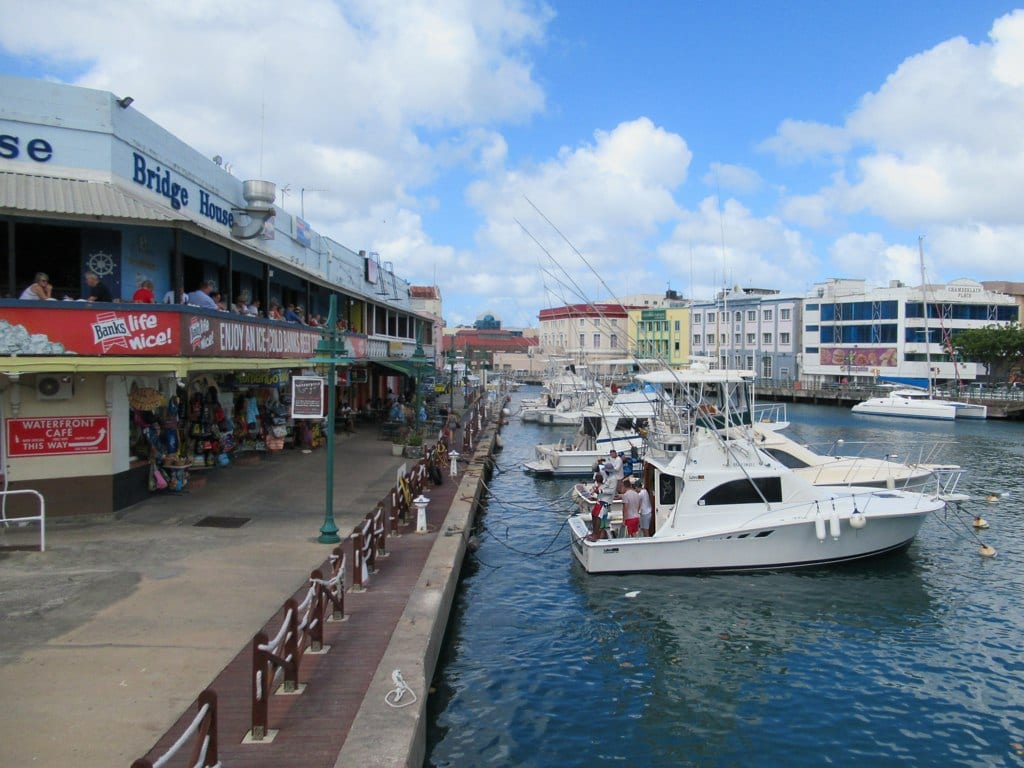
Bridgetown, the capital, has a compact colonial core: the neo-Gothic Parliament buildings of 1870–74 with their clock tower, the Careenage inlet full of boats, and National Heroes Square, formerly Trafalgar Square. About 3 kilometres south, the Garrison — in the 18th and 19th centuries the base of the British West India Regiment — surrounds the Garrison Savannah, a parade ground that is now a racetrack, ringed by old barracks and the Barbados Museum, founded in 1933 in the former military prison. Together they were inscribed in 2011 as the UNESCO World Heritage Site of Historic Bridgetown and its Garrison.
George Washington stayed here in 1751, aged 19, with his half-brother Lawrence, on his only trip outside what became the United States; the house, within the Garrison, is a museum.
6. Hunte's Gardens
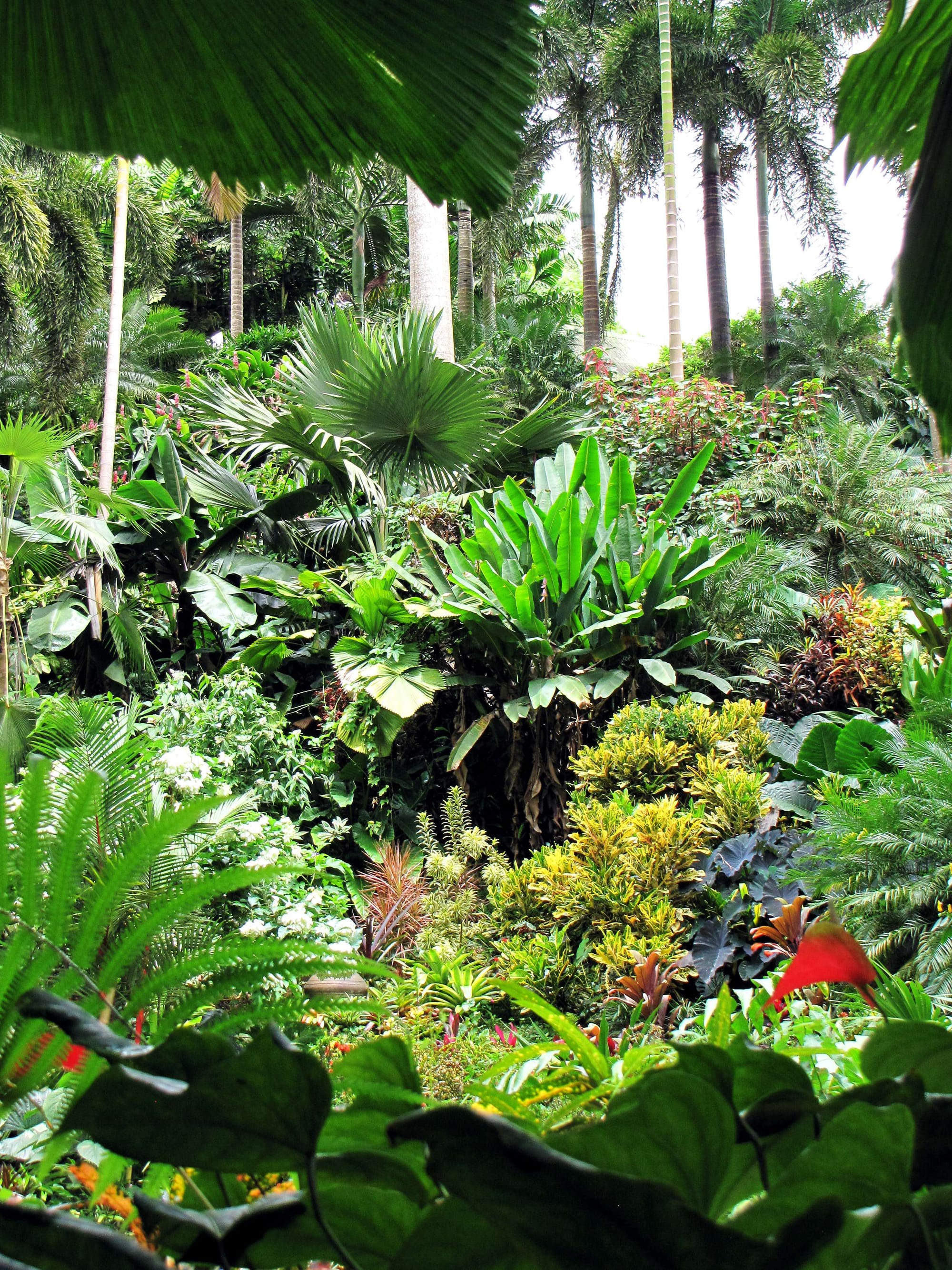
In the centre of the island, the horticulturist Anthony Hunte began in 1990 to plant a theatrical garden inside a deep, sinkhole-like gully on a former sugar plantation, opening it to the public in 2007. Paths wind down through layers of royal palms, ginger lilies, heliconias, and bird-of-paradise flowers.
It is small, and has become one of the most popular gardens on an island full of them.
7. Crane Beach and the south coast
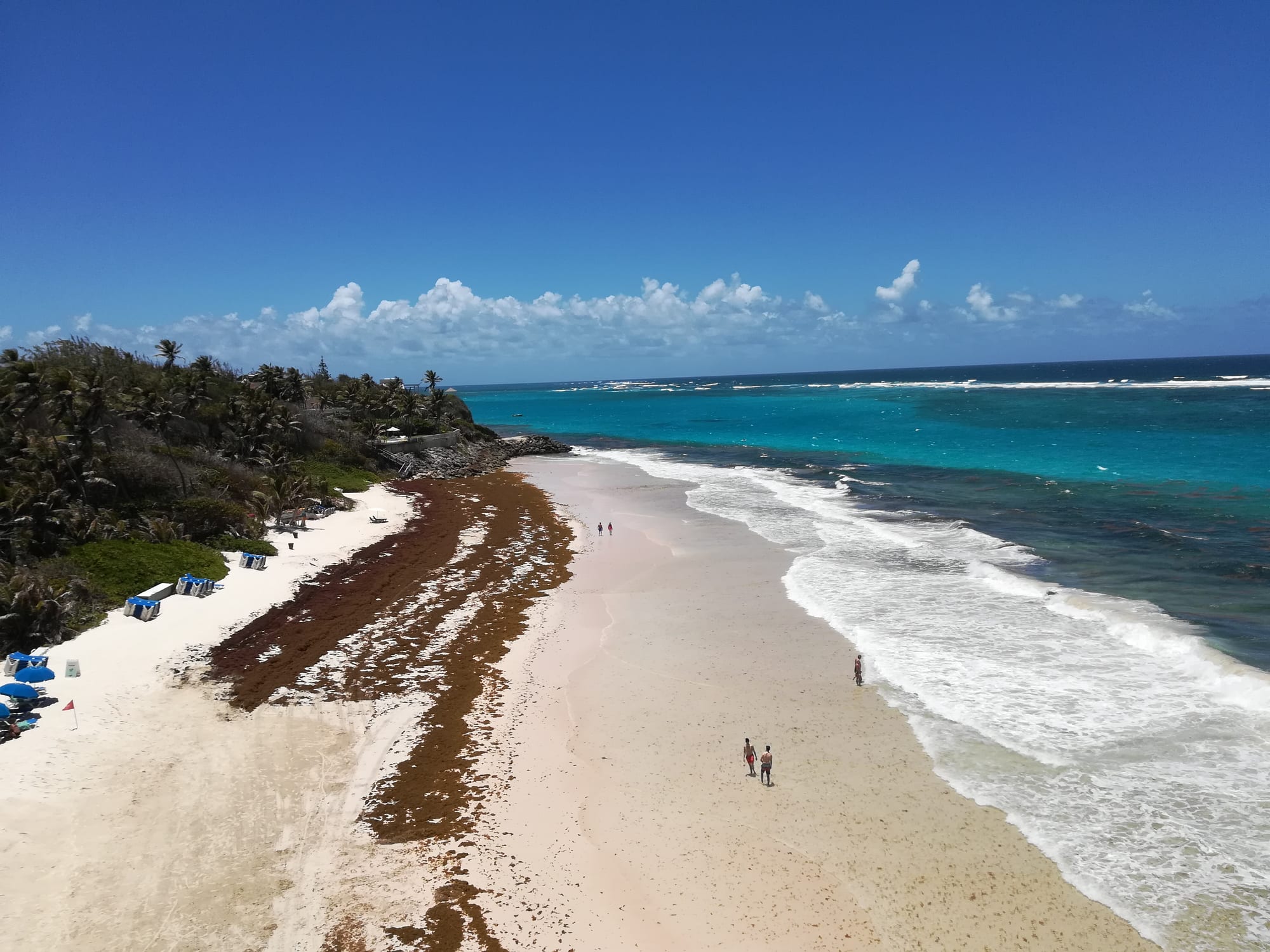
Crane Beach, on the quieter southeast coast, is a wide strip of pink-white sand below cliffs, with enough Atlantic swell for bodysurfing. The Crane hotel above it, opened in 1887, is reportedly the oldest continuously operating resort in the Caribbean.
The rest of the south coast — Silver Sands, Miami Beach, Accra — is the island's liveliest, and the Friday night fish fry at Oistins, where stalls in the fishing town sell fried fish to loud music, is a Barbadian institution.
8. Carlisle Bay
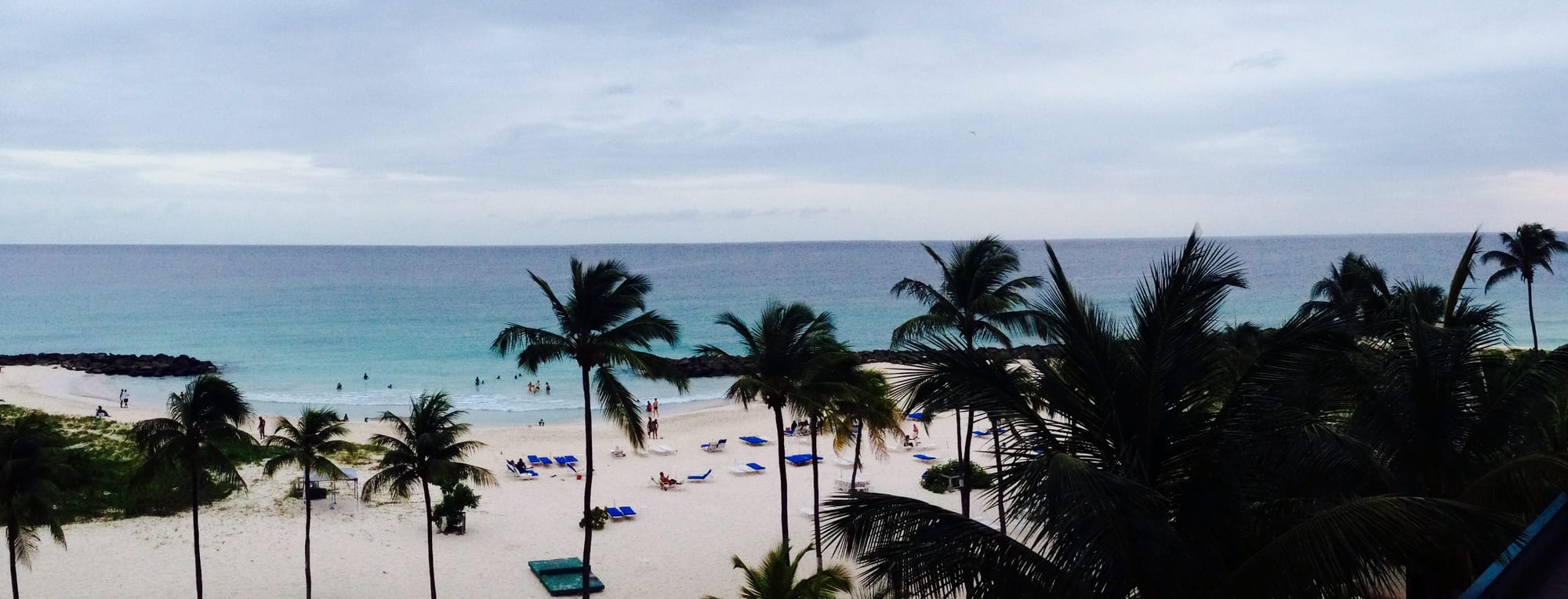
Right beside Bridgetown, Carlisle Bay is a broad, calm, shallow bay that doubles as a marine park: several shipwrecks lie in shallow water not far from the beach, colonised by fish, and turtles are often seen. It is a popular spot for snorkelling and scuba diving, and catamaran day-trips anchor here.
The beach itself (Pebbles, Brownes) is busy and central.
9. Farley Hill and the north
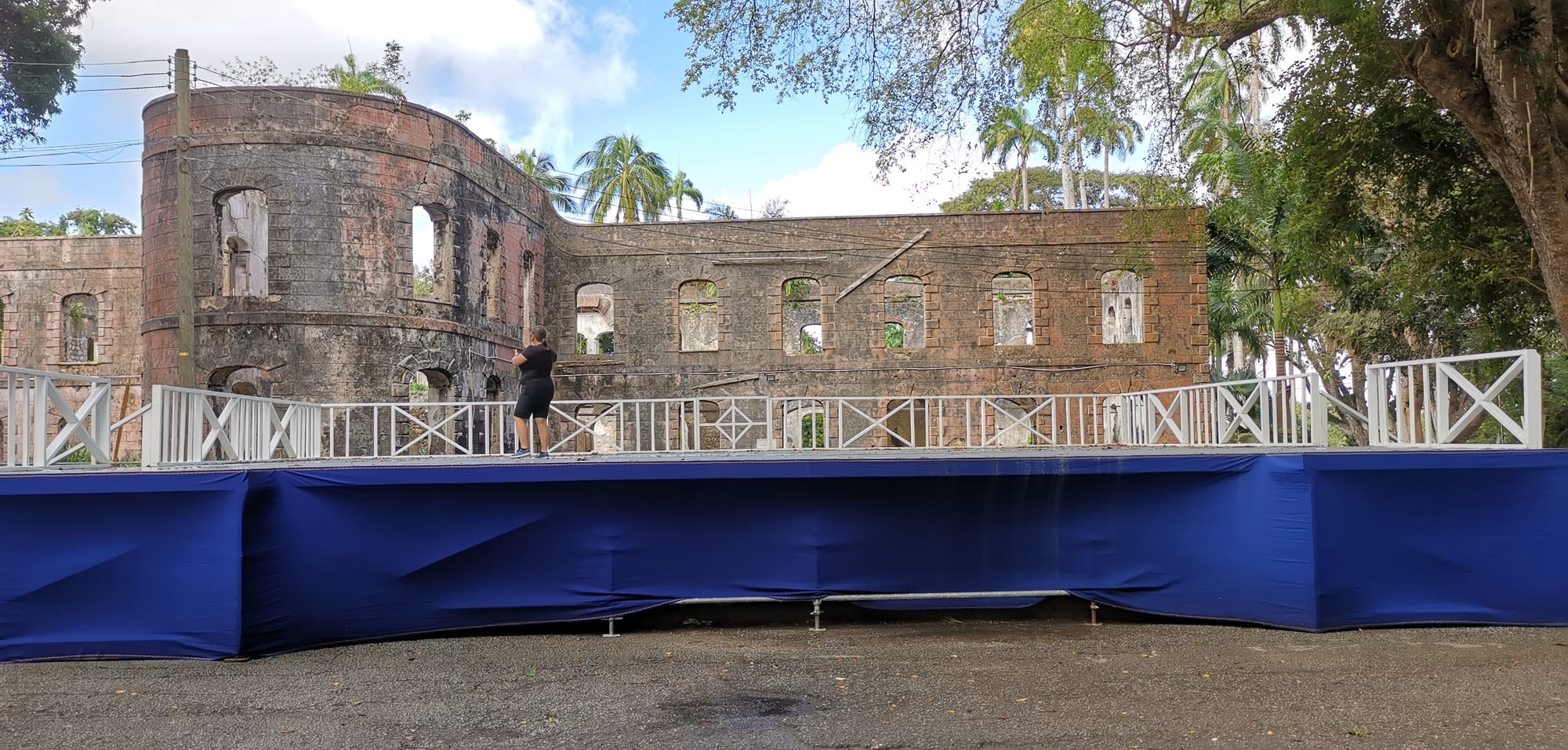
Farley Hill, a Georgian mansion built by Sir Graham Briggs, was regarded as the most impressive house on the island and appeared in the 1957 film Island in the Sun; gutted by fire in 1965, its stone shell now stands in a mahogany-shaded national park, opened by Queen Elizabeth II in 1966, with a view over the wild Scotland District to the Atlantic. It is a popular picnic and wedding spot.
Nearby are the Barbados Wildlife Reserve (green monkeys, tortoises, an aviary) and the sugar windmill at Morgan Lewis, the largest and only surviving complete one in the Caribbean.
10. The west coast beaches
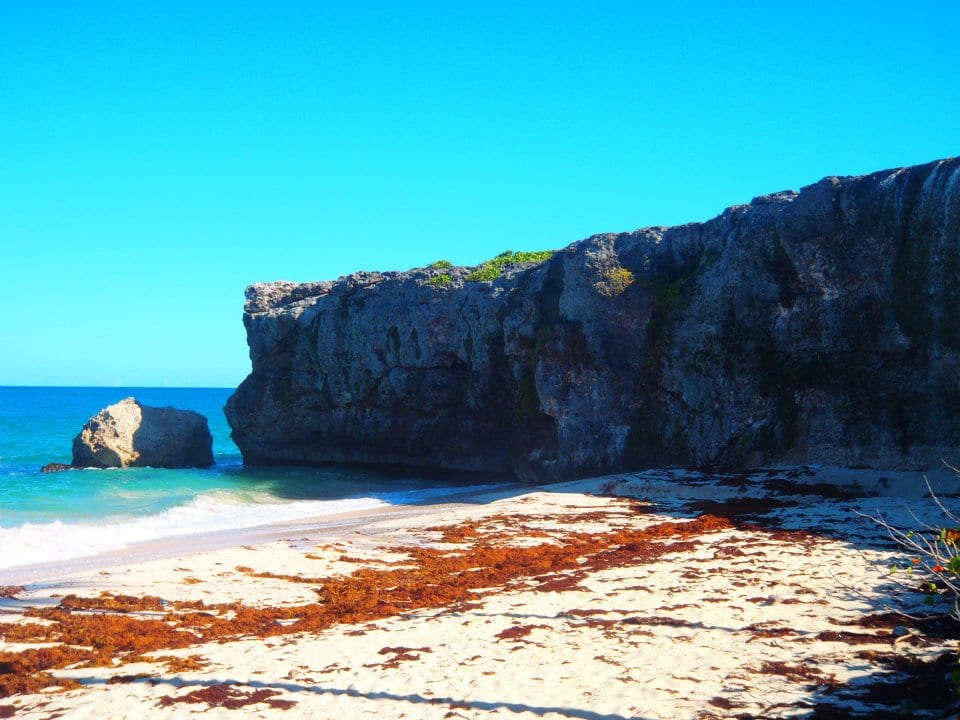
The west coast — sometimes called the "Platinum Coast" — faces the Caribbean and is where the calm water and the smart hotels are: Paynes Bay, Mullins, and the string of beaches around Holetown, where the first English settlers landed in 1627. The swimming is easy, the sunsets face straight out to sea, and turtles are often seen just offshore.
Holetown and Speightstown, the old northern port, both keep some of their small colonial-town character behind the resorts.
Barbados is compact and friendly, with good roads (driving is on the left, and the lanes are narrow) and enough variety — two coasts, caves, gardens, history — to fill a week without repetition.