Food · Barbados
Barbados: Food and the National Dish
A cornmeal-and-okra staple paired with the fish the island is named for, a Saturday tradition of pickled pork, and the birthplace of rum itself
By Worldlore Editorial · 30 September 2026
Three centuries of unbroken British rule
Barbados was under English, later British, rule from the first settlement in 1627 until independence in 1966, and its food carries that history plainly: British staples like macaroni pie and puddings sit beside West African cooking techniques brought over during slavery, all built around a small, relatively flat, coral-limestone island that never had the volcanic peaks or dense forest of its neighbours. What Barbados did have was fish, in abundance — enough that flying fish became something close to a national symbol.
The national dish: cou-cou and flying fish
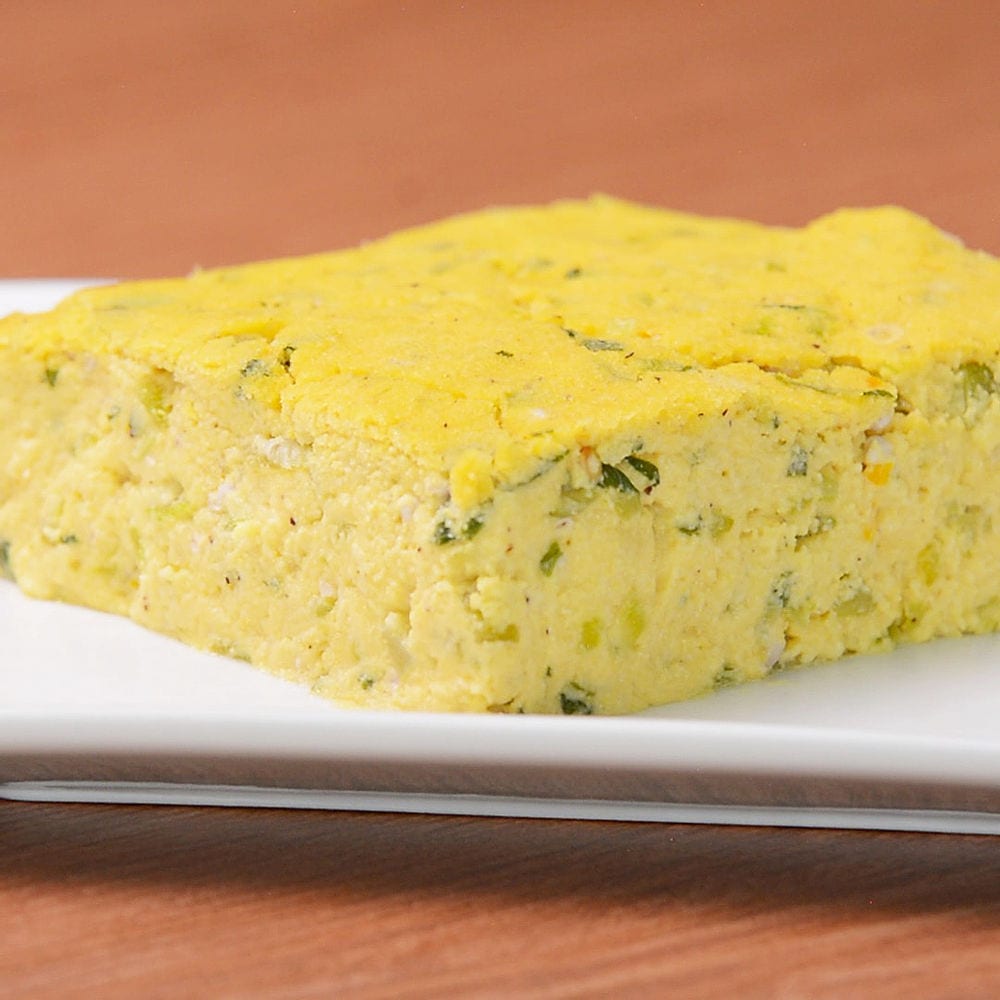
Cou-cou and flying fish is Barbados's national dish. Cou-cou is a smooth, firm paste of cornmeal cooked with okra — part of the same family of dishes as Angola's funge or Antigua's fungee, carried across the Atlantic and adapted island by island — served alongside flying fish, steamed or fried, with a well-seasoned, spicy gravy.
Flying fish themselves are genuinely tied to the island's identity — Barbados is sometimes nicknamed the "land of the flying fish", and the fish appears on coins, in logos and on menus everywhere. The fish is less abundant around the island than it once was, but the dish remains the one every visitor is told to order at least once.
Saturday souse and the weekly rhythm
Bajan eating still runs on a weekly pattern rooted in what was once workable for a plantation-era household. Saturday is for pudding and souse: souse is pickled, seasoned pork, served cold with pickled cucumber, and pudding here is a steamed, spiced sweet potato mixture, not the British dessert the name suggests. Sunday is for a bigger cooked lunch — baked chicken or ham, rice and peas, and macaroni pie almost without exception. Christmas brings jug-jug, a dense dish of guinea corn (sorghum) flour and pigeon peas cooked with salted meat, popularly said to descend from Scottish haggis brought by Scots sent to the island in colonial times.
Dishes to know
Five more to recognise across the island:
- Pudding and souse — pickled pork with a steamed, spiced sweet potato
pudding; the classic Saturday meal.
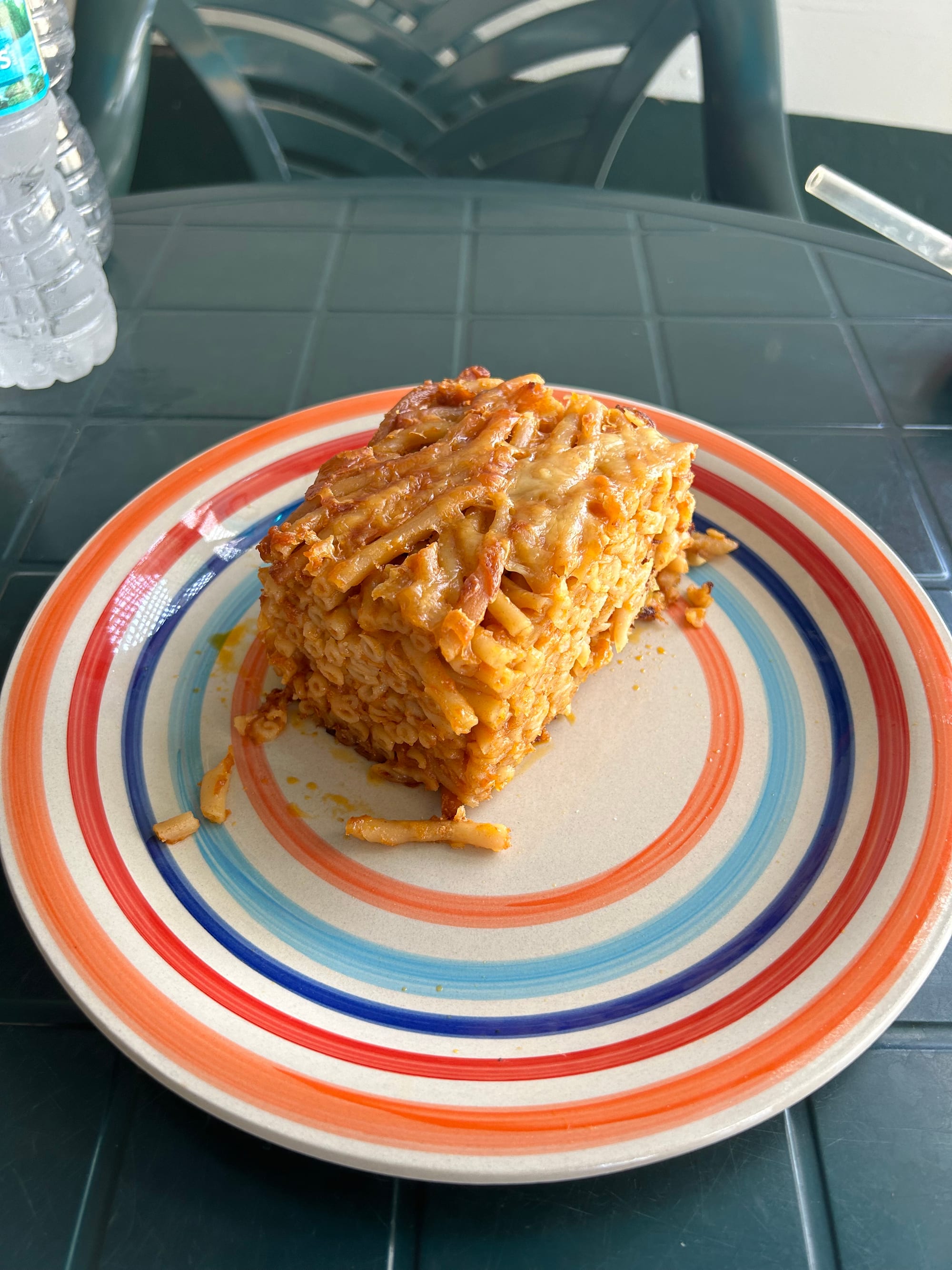
- Macaroni pie — a firm baked macaroni and cheese, cut into squares rather
than served soft.
- Fish cakes — saltfish fritters, often eaten with bakes (small fried
breads) or in a bread roll as a snack or quick lunch.
- Conkies — cornmeal, coconut, pumpkin and sweet potato mixed and steamed in
a folded banana leaf, once made for Guy Fawkes Day and now eaten for Independence Day on 30 November.
- Jug-jug — guinea corn and pigeon peas cooked with salted meat, the
Christmas dish popularly linked to Scottish haggis.
Rum, and the rum shop
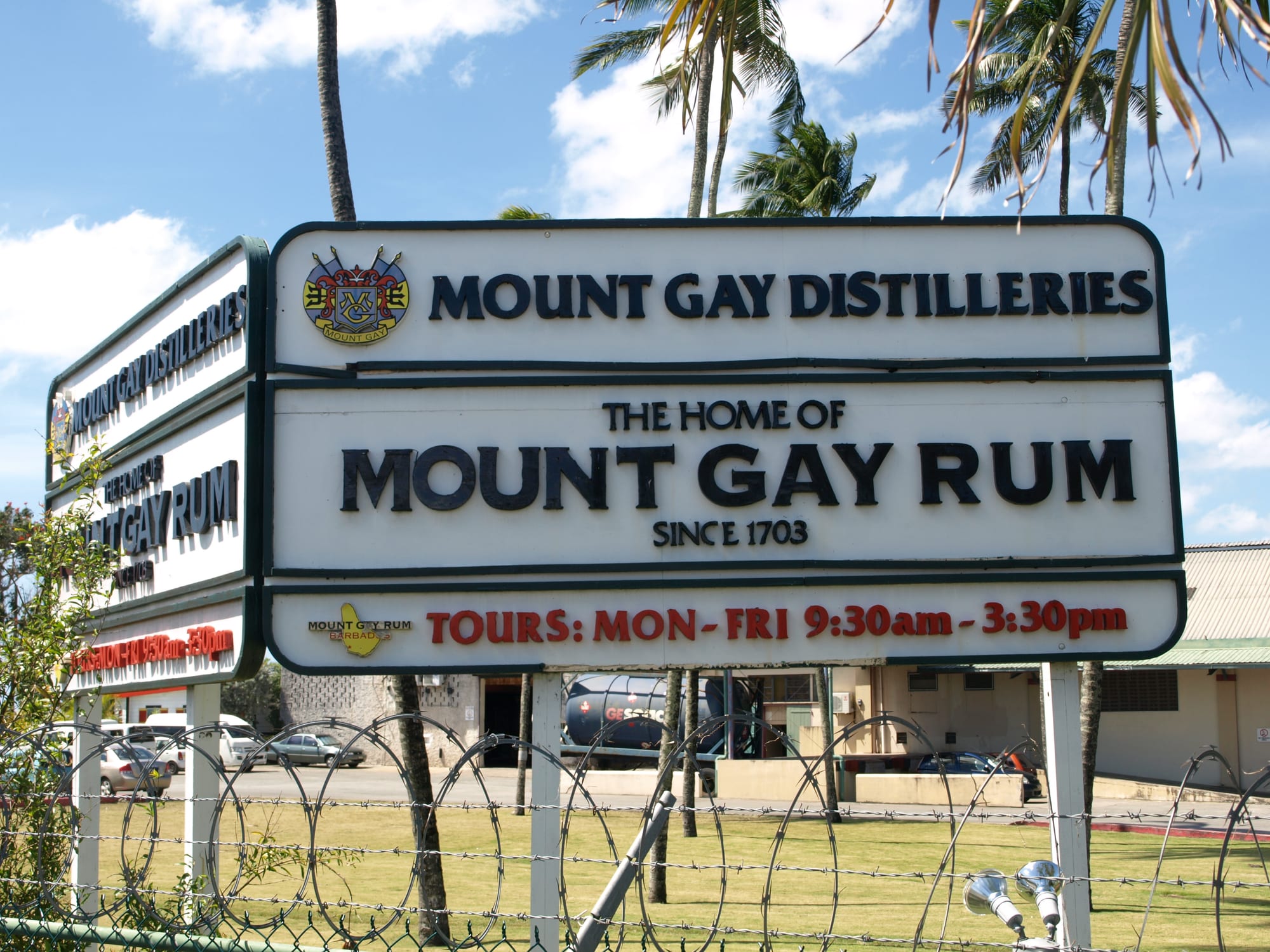
Beyond the big brand names, the rum shop is a genuine Bajan institution: a small, often family-run bar found on seemingly every corner of the island, functioning as the local pub, community hub and general store all at once. Falernum, a sweet, spiced syrup used in rum cocktails, is thought to date back to 18th-century Barbados.
Eating as a traveller
Seafood, especially flying fish and marlin, is the highlight and usually fresh. Vegetarians can rely on macaroni pie, rice and peas, and vegetable sides, though cou-cou's gravy and most everyday cooking are built around fish or meat stock. Tap water, drawn from the island's underground springs, is generally considered safe to drink. The Friday night fish fry at Oistins, on the south coast, is the best-known place to try a wide range of grilled and fried fish in one sitting, alongside music and a genuinely local crowd rather than only tourists.
What to take from the table
Cou-cou and flying fish is the dish that carries the island's name and identity most directly, but a Saturday plate of pudding and souse, eaten the way Bajans actually eat it, says just as much about how food works here.