Food · Botswana
Botswana: Food and the National Dish
Beef cooked for hours until it falls apart and gets pounded by hand, sorghum porridge as the everyday starch, and a dried caterpillar with its own seasonal economy
By Worldlore Editorial · 30 September 2026
Cattle country
Cattle sit at the centre of Tswana culture in a way that goes well beyond food — traditionally the basis of wealth and status, and the usual form of bogadi, the bridewealth that formalises a marriage. It follows that beef, cooked simply and in quantity, anchors the national cuisine, with sorghum, maize and wild greens filling out the rest of a diet suited to Botswana's dry, semi-arid landscape.
The national dish: seswaa
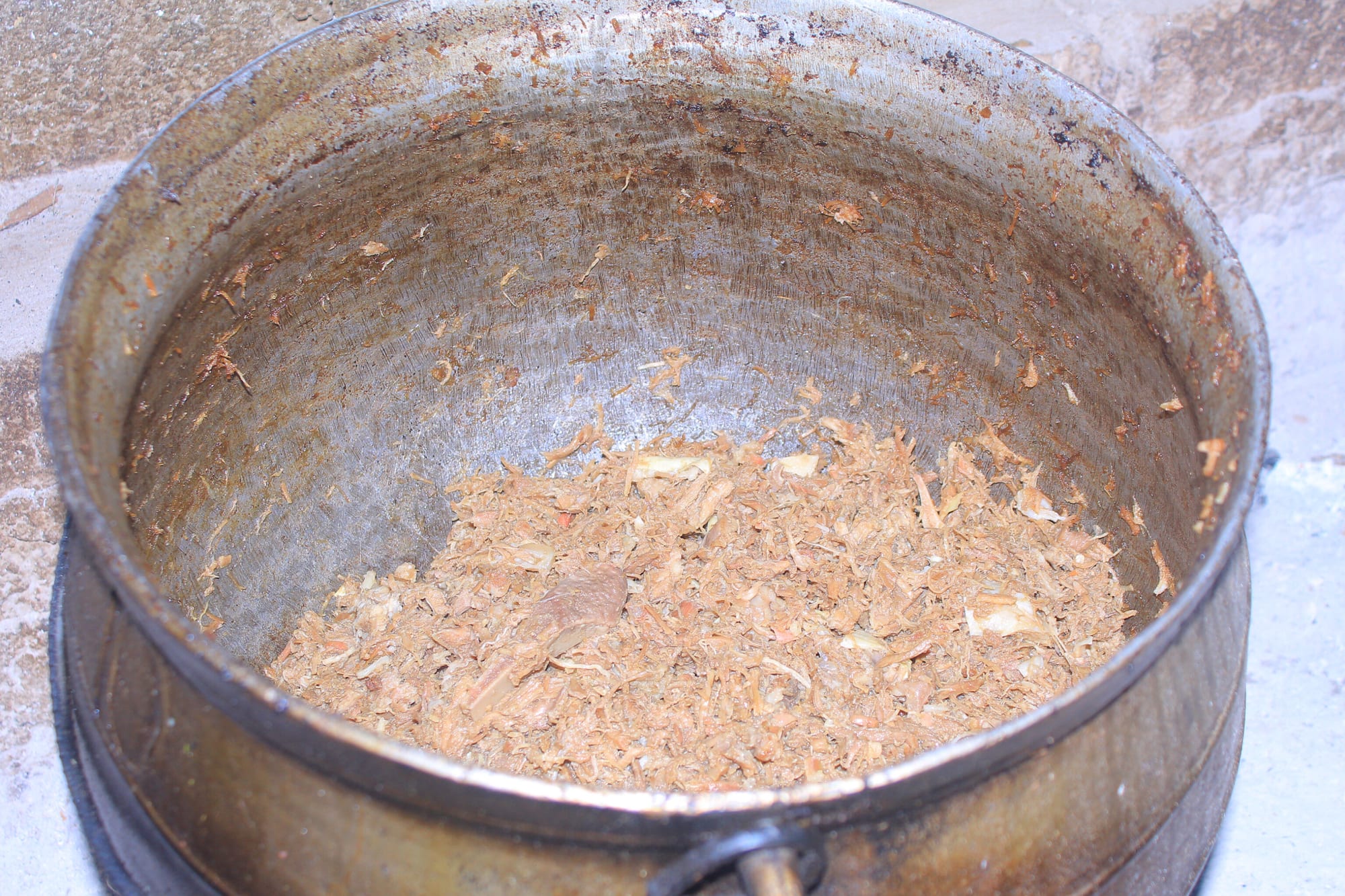
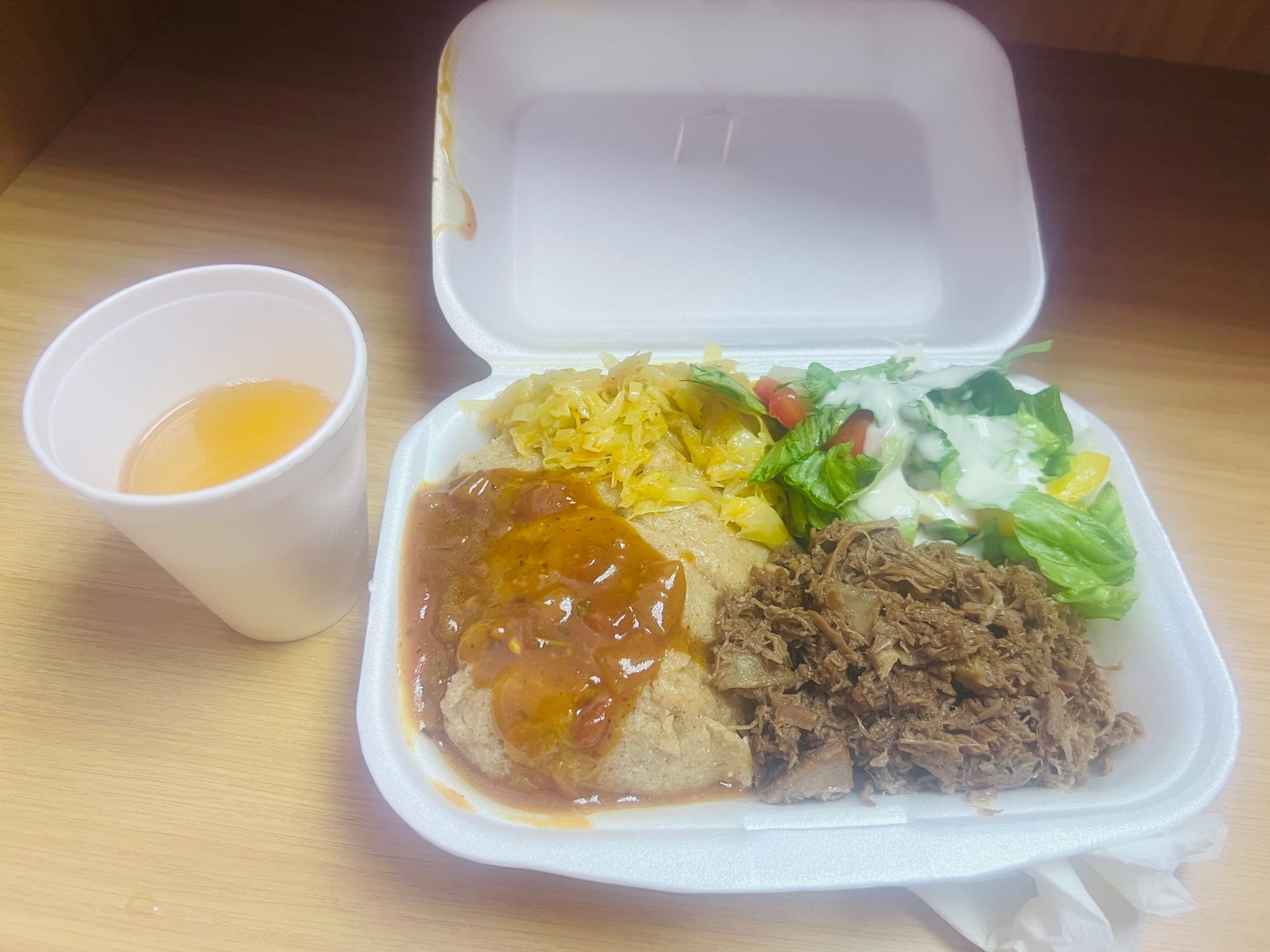
Seswaa, named in the south loswao, is beef (or goat) simmered in a three-legged iron pot with little more than salt, oil and water, until it is soft enough to fall apart, then pounded by hand until it shreds into soft, stringy strands. It is widely regarded as the national dish and is the centrepiece of Botswana's biggest occasions — weddings, funerals, Independence Day celebrations — cooked in large batches to feed a crowd, and served with bogobe, a sorghum or maize porridge, samp, or morogo, wild leafy greens.
Dishes to know
Five more to recognise in Botswana:
- Bogobe — sorghum, maize or millet porridge, sometimes fermented to sour
it or cooked with sour milk and melon (bogobe jwa lerotse).
- Morogo — dark green leafy vegetables such as wild amaranth, a common
vegetable side.
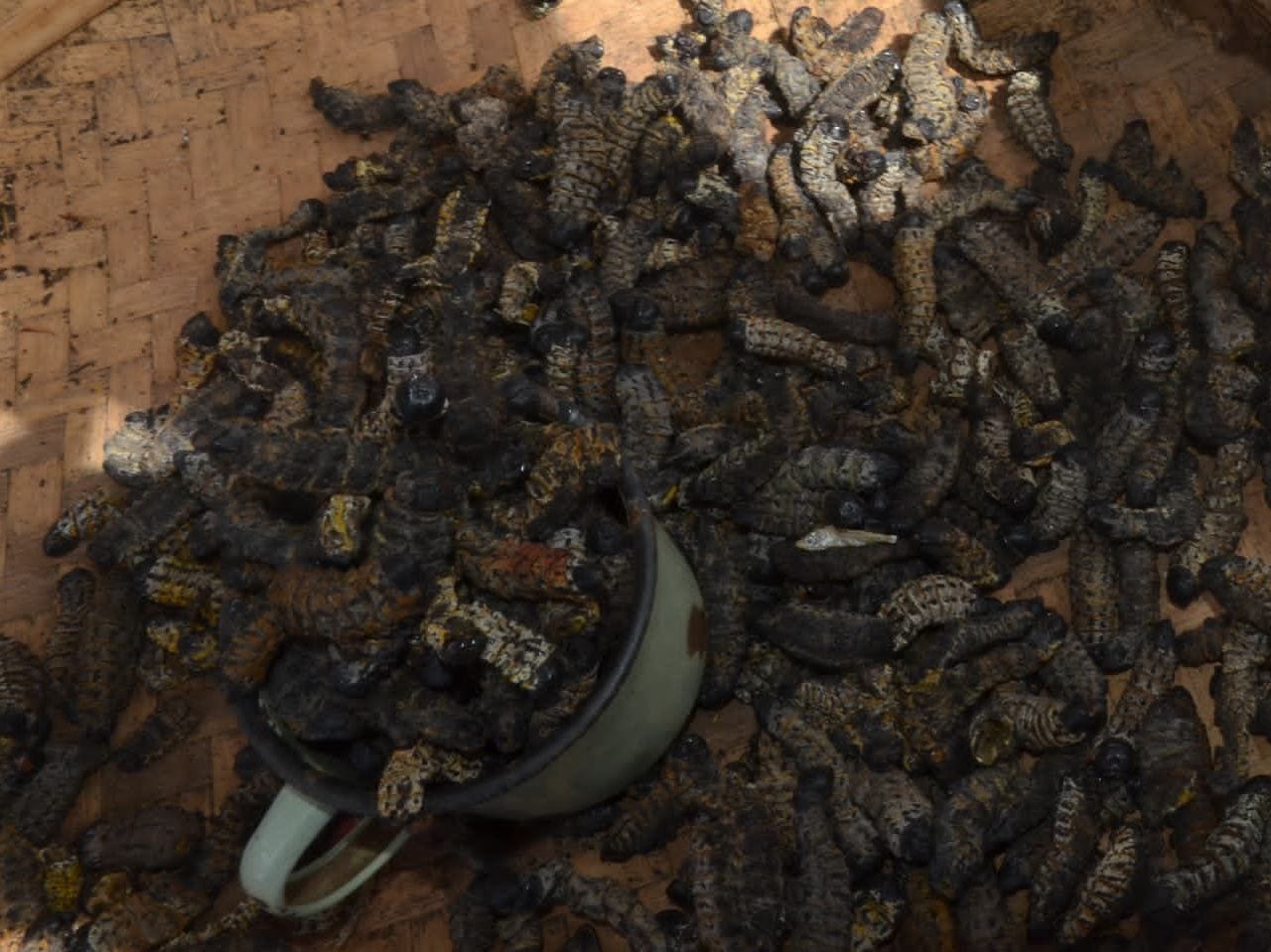
- Phane (mopane worms) — the dried caterpillar of the mopane emperor moth,
dried, then fried or cooked with onion and tomato; a delicacy and a significant seasonal harvest and trade across the region.
- Vetkoek and magwinya — fried dough bread, eaten plain or filled, common
across Southern Africa under both names.
- Madila — traditional soured, fermented milk, eaten on its own or added to
porridge.
Drinks
Bojalwa, a traditional home-brewed sorghum beer, is used ceremonially as much as it is drunk casually, and Chibuku, a commercially produced version of the same style of beer, is sold widely across Southern Africa. Mageu, a lightly fermented, slightly sour drink often made from leftover maize porridge, is a common non-alcoholic option.
Cooking outdoors, and how meals come together
Much of Botswana's traditional cooking still happens outdoors, over an open fire, in a three-legged cast-iron pot — the same slow, communal method used for seswaa scales easily from a single family meal to a feast for a whole village. Meals are generally shared from a central dish rather than plated individually, following a logic of hospitality and communal eating found across much of Southern Africa.
Eating as a traveller
Vegetarians can rely on morogo, bean and porridge dishes, though seswaa and most celebratory food are built entirely around meat. Tap water in Gaborone and the larger towns is treated, though many visitors prefer bottled water. Botswana's safari lodges and camps, a major part of its tourism industry, typically serve international menus alongside a taste of local dishes, so it is worth asking specifically for seswaa or bogobe during a visit.
What to take from the table
Seswaa, pounded soft and served with bogobe, is the dish that best explains Botswana's cattle-centred food culture — simple, communal, and built to feed a large gathering rather than one plate at a time.