History · British Virgin Islands
British Virgin Islands: Pirates, Sugar, and the Offshore Boom
A scatter of small islands claimed by Spain, settled by the Dutch and taken by the English — a failed plantation colony that became one of the world's busiest company registries
By Worldlore Editorial · 30 September 2026
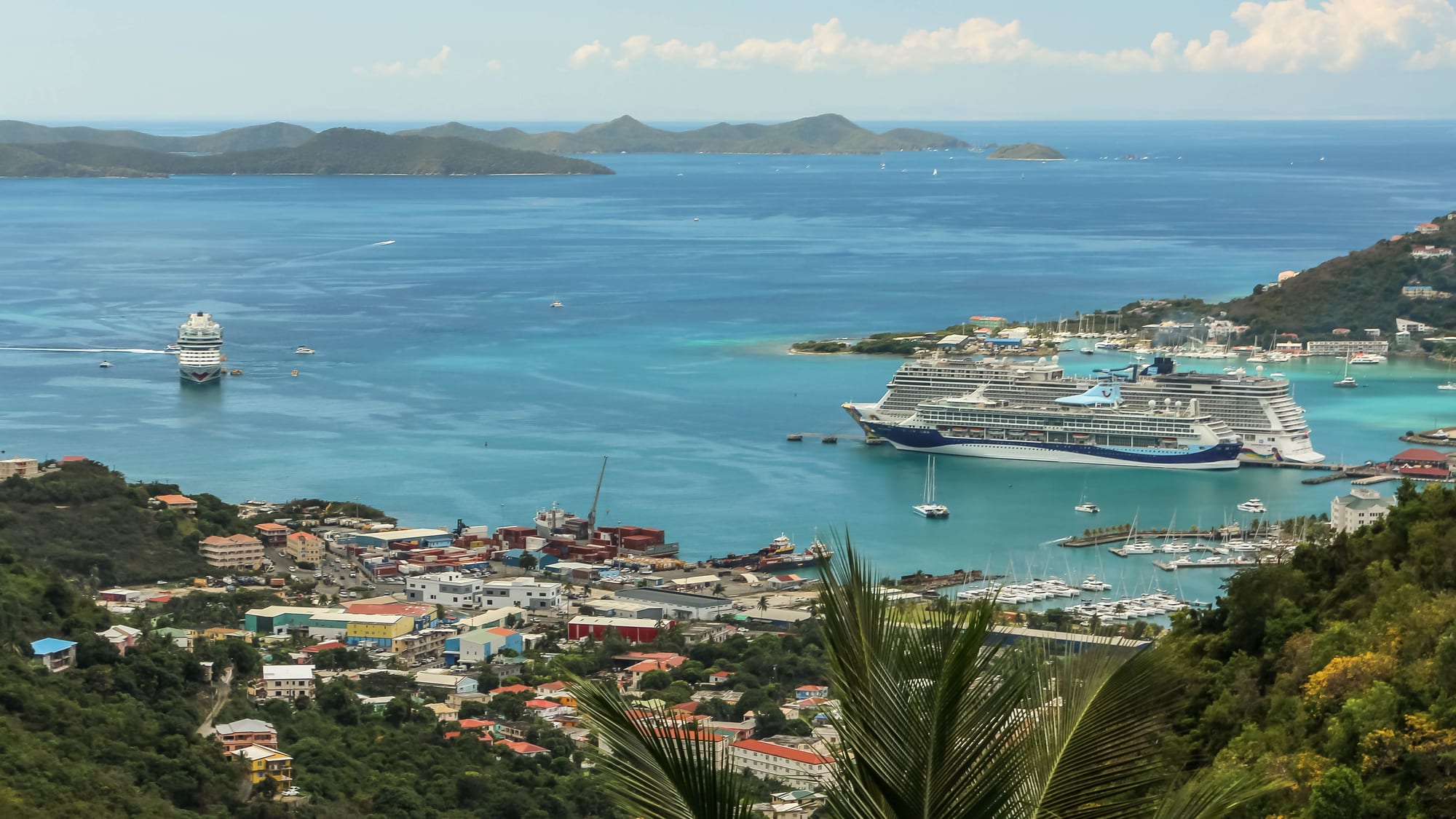
Sixty islands in a sheltered sea
The British Virgin Islands are about 60 small islands and cays at the eastern end of the Virgin Islands group, where the Greater Antilles give way to the Lesser. About 16 are inhabited, and most of the roughly 30,000 people live on Tortola, around the capital, Road Town. The islands are steep, dry and agriculturally poor, but they enclose one of the most sheltered stretches of water in the Caribbean — the Sir Francis Drake Channel — and that geography has defined their history: first as a pirates' lair, then as a marginal sugar colony, and now as a yachting destination and a jurisdiction where several hundred thousand companies are registered.
A short history
- pre-1500
The Taíno
Arawak-speaking people settle the islands from the south.
- 1493
Named
Columbus calls the group the Virgin Islands after St Ursula and her companions.
- early 1600s onward
Dutch and pirates
Dutch settlers establish themselves on Tortola; the channel becomes a pirate haunt.
- 1672
English rule
England seizes Tortola and adds it to the Leeward Islands colony.
- 18th c.
Plantations
Sugar and cotton estates worked by enslaved Africans, never very productive.
- 1834
Emancipation
Slavery is abolished; the plantation economy soon collapses.
- 1853
The uprising
A tax revolt burns Road Town; almost all the white planters flee.
- 1949
The Great March
A protest for representative government leads to a restored legislature.
- 1984
Offshore companies
A new company law turns the BVI into a global incorporation centre.
Naming and taking
The islands were settled for centuries by Arawak-speaking Taíno people, who were gone — killed, enslaved or driven off — within a few generations of European contact. Columbus sighted the group on his second voyage in 1493 and named it for St Ursula and her legendary 11,000 virgin companions. Spain claimed the Virgin Islands but never settled these eastern ones. Dutch settlers had established themselves on Tortola by the 1620s — the privateer Joost van Dyk probably left his name on a neighbouring island — and the maze of anchorages became a working base for pirates, reputedly including Blackbeard. England seized Tortola from the Dutch in 1672 and annexed it to its Leeward Islands colony.
A poor sugar colony
Through the 18th century the English planted sugar and cotton on the steep hillsides, importing enslaved Africans who soon made up the great majority of the population. The estates were small and the yields modest — thin soil, frequent drought — and the colony was never rich. An unusual feature was a Quaker community on Tortola in the mid-1700s, firmly opposed to slavery, which helped to soften its treatment in the territory.
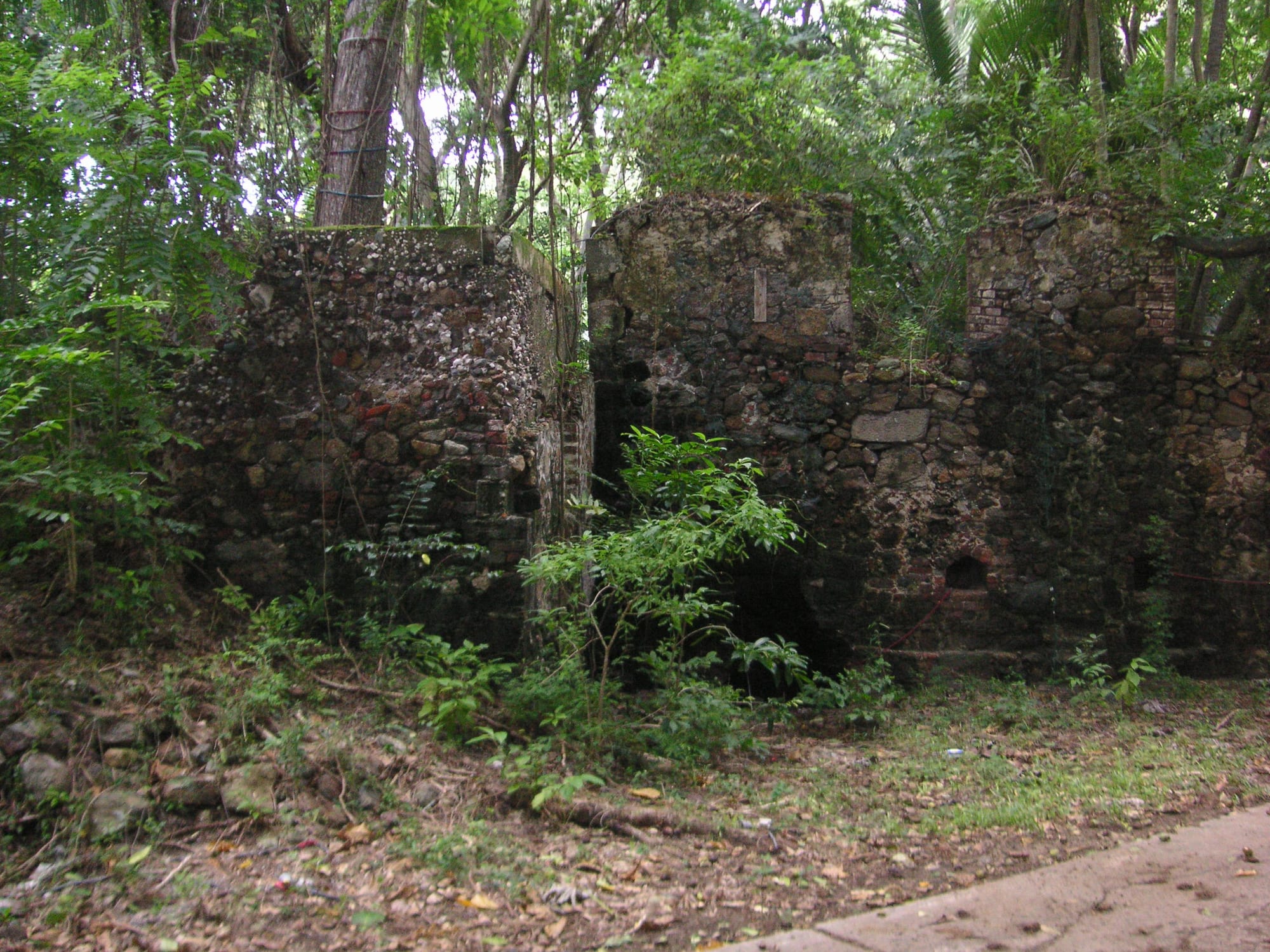
Slavery was abolished across the British Caribbean in 1834. In the BVI the effect was decisive: with the estates already failing, most planter families gave up. In 1853 a revolt over a new cattle tax burned much of Road Town and the remaining plantations, and almost all of the white population fled. The population fell, and the islands settled into a quiet existence of small farmers, fishermen and boatbuilders, largely self-sufficient and almost entirely overlooked by Britain.
The age of leaving, and the Great March
For a century the BVI's main export was labour. Islanders went abroad for work — to the Dominican Republic and above all to the neighbouring Virgin Islands to the west, which Denmark sold to the United States in 1917. Family and money moved constantly between Tortola and St Thomas.
Political life revived slowly. Britain had abolished the local legislature in 1901, and it was a protest march through Road Town in 1949 — over the lack of any elected government — that forced its return the following year. Ministerial government came in 1967, with Hamilton Lavity Stoutt as the first Chief Minister.
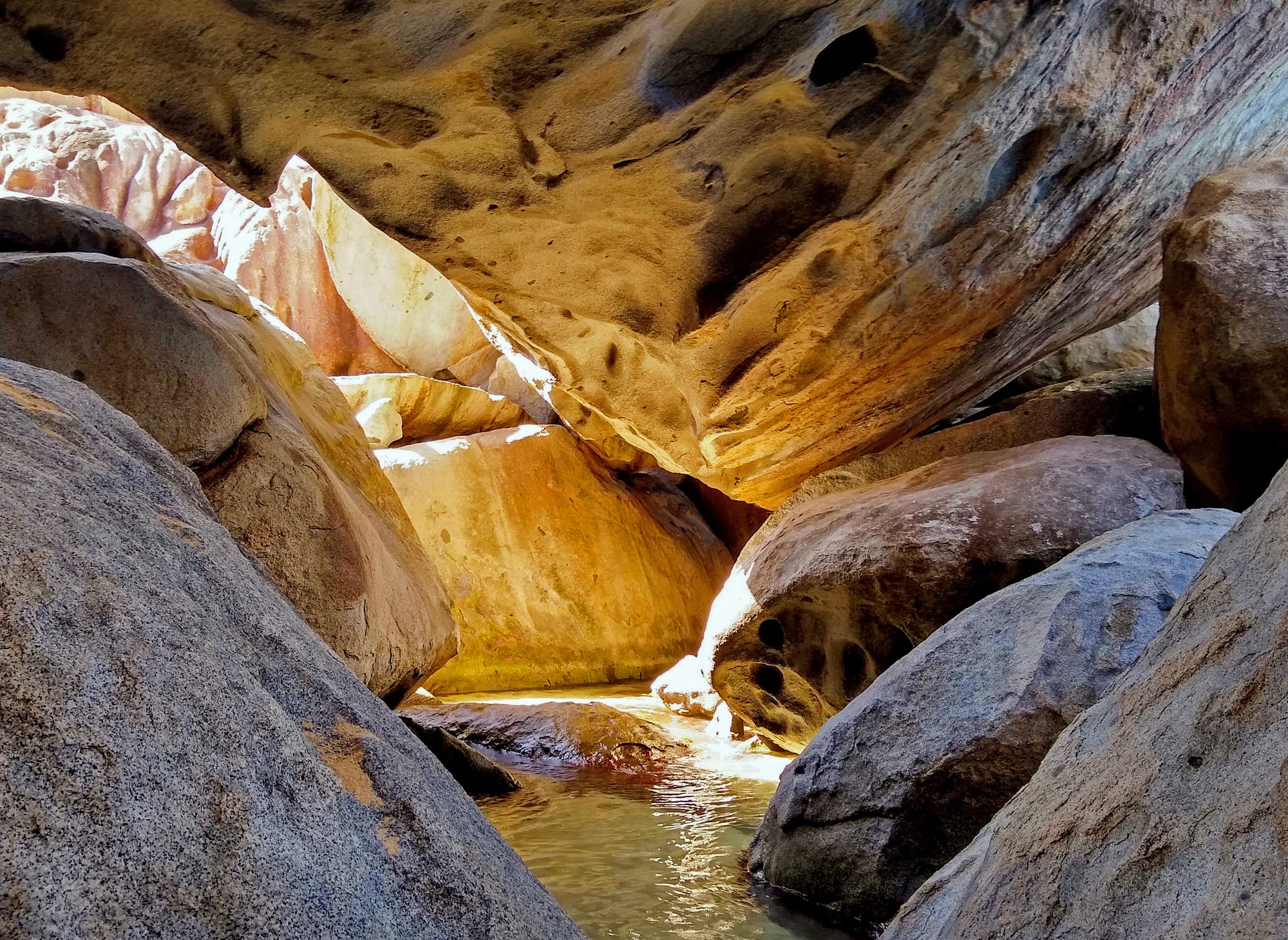
Nearby Norman Island, uninhabited and cave-riddled, is popularly claimed as the model for the island in Robert Louis Stevenson's Treasure Island.
Yachts and companies
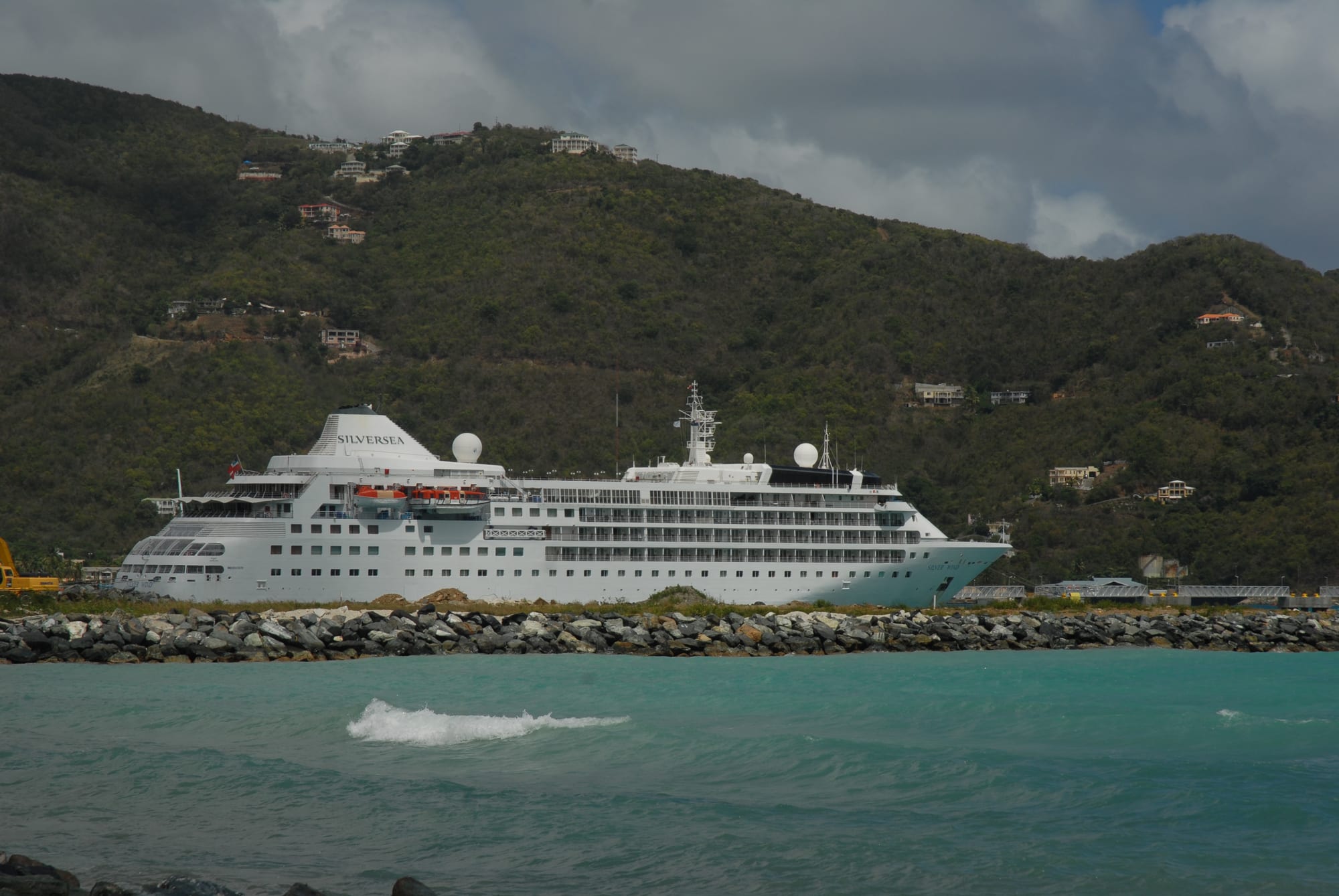
Two industries transformed the territory in the second half of the 20th century. The first was sailing: charter-yacht companies discovered that the sheltered, island-studded Drake Channel, with steady trade winds and short hops between anchorages, was close to an ideal cruising ground, and bareboat chartering became the basis of BVI tourism.
The second, and larger, was finance. In 1984 the BVI passed a law creating a cheap, fast, tax-free offshore company, and it succeeded beyond any expectation. The "BVI company" became a standard building block of international finance, and the territory now has far more registered companies than people — the fees provide about half of the government's revenue. That success has also made the BVI a recurring subject of international scrutiny over tax avoidance, money laundering and sanctions evasion, and of pressure to make company ownership public.
The 21st century has been rough on the territory's governance and luck. Hurricane Irma caused immense damage in 2017. A British-ordered inquiry in 2022 described governance as "appallingly bad" and serious dishonesty as highly likely, and the sitting Premier was arrested that year in a US drug-money sting in Florida; Britain considered imposing direct rule but chose a reform programme instead.
What the BVI keeps
The British Virgin Islands were never worth much for what could be grown on them. Their value has always been in their waters and their status: a safe harbour for pirates, then a corner of the British Empire poor enough to be left alone, and now a small, self-governing territory that has turned a quiet legal privilege — the right to register a company cheaply and privately — into the base of its whole economy.