Attractions & Natural Wonders · Central African Republic
The Central African Republic: Six Attractions and Natural Wonders
A forest clearing where dozens of elephants gather at once, lowland gorillas habituated to visitors, and a wide river at the country's edge — set against one of the world's most difficult security situations
By Worldlore Editorial · 30 September 2026
A note before anything else
The Central African Republic is one of the poorest and least stable countries in the world. Since 2012 it has been through civil war and a long, only partial recovery; armed groups remain active across large areas, and Western governments advise against all travel to the whole country. There is essentially no tourism infrastructure. This article is written as a record of what is there — some of it genuinely world-class — not as an itinerary. Anyone who does travel here goes with specialist operators, security advice, and an understanding that most of the country is off-limits.
With that said, the six below are the CAR's notable sights, concentrated in the far southwest (the Dzanga-Sangha area, historically the safest and the only place that has received visitors) and around the capital.
1. Dzanga Bai
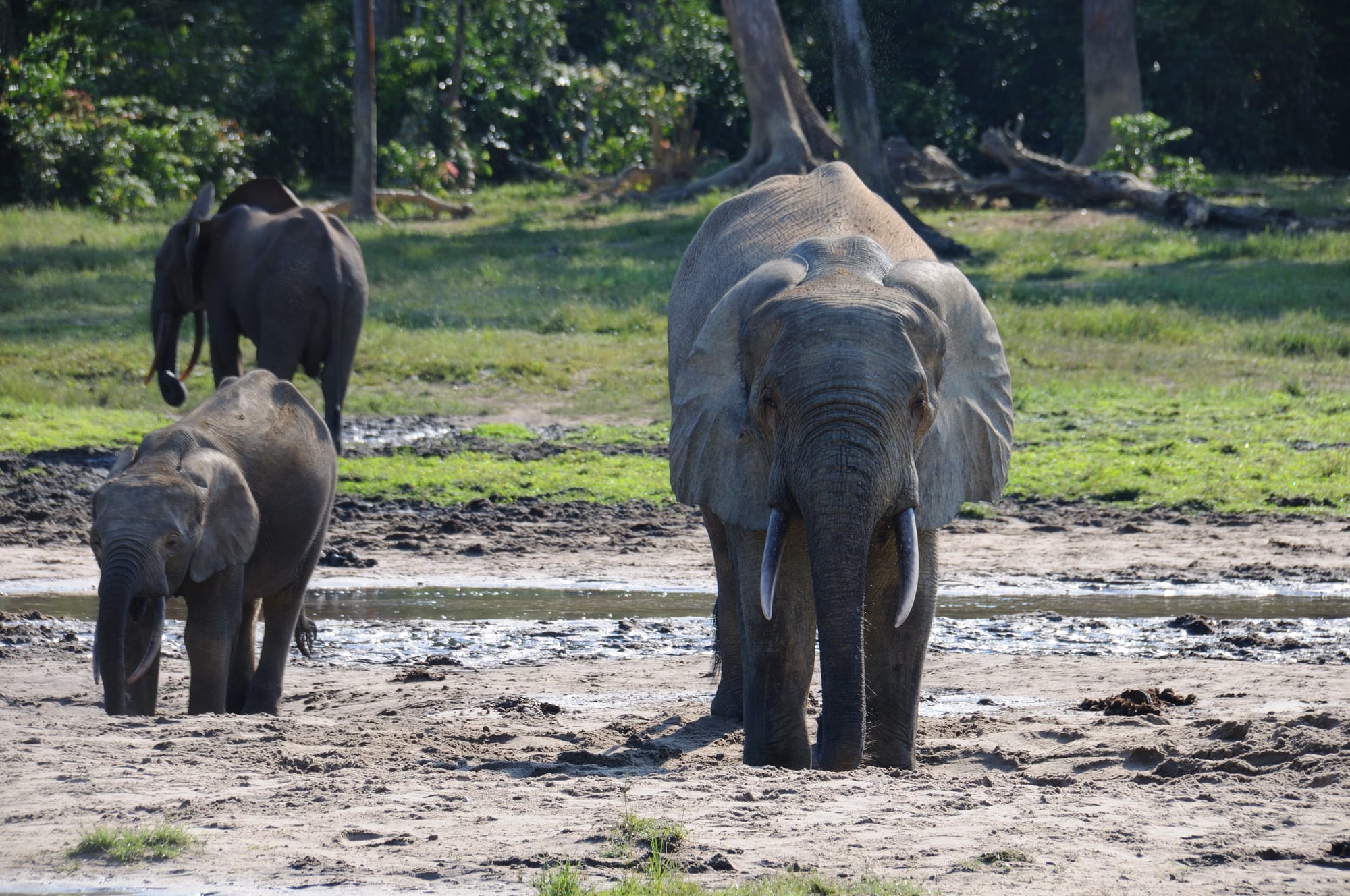
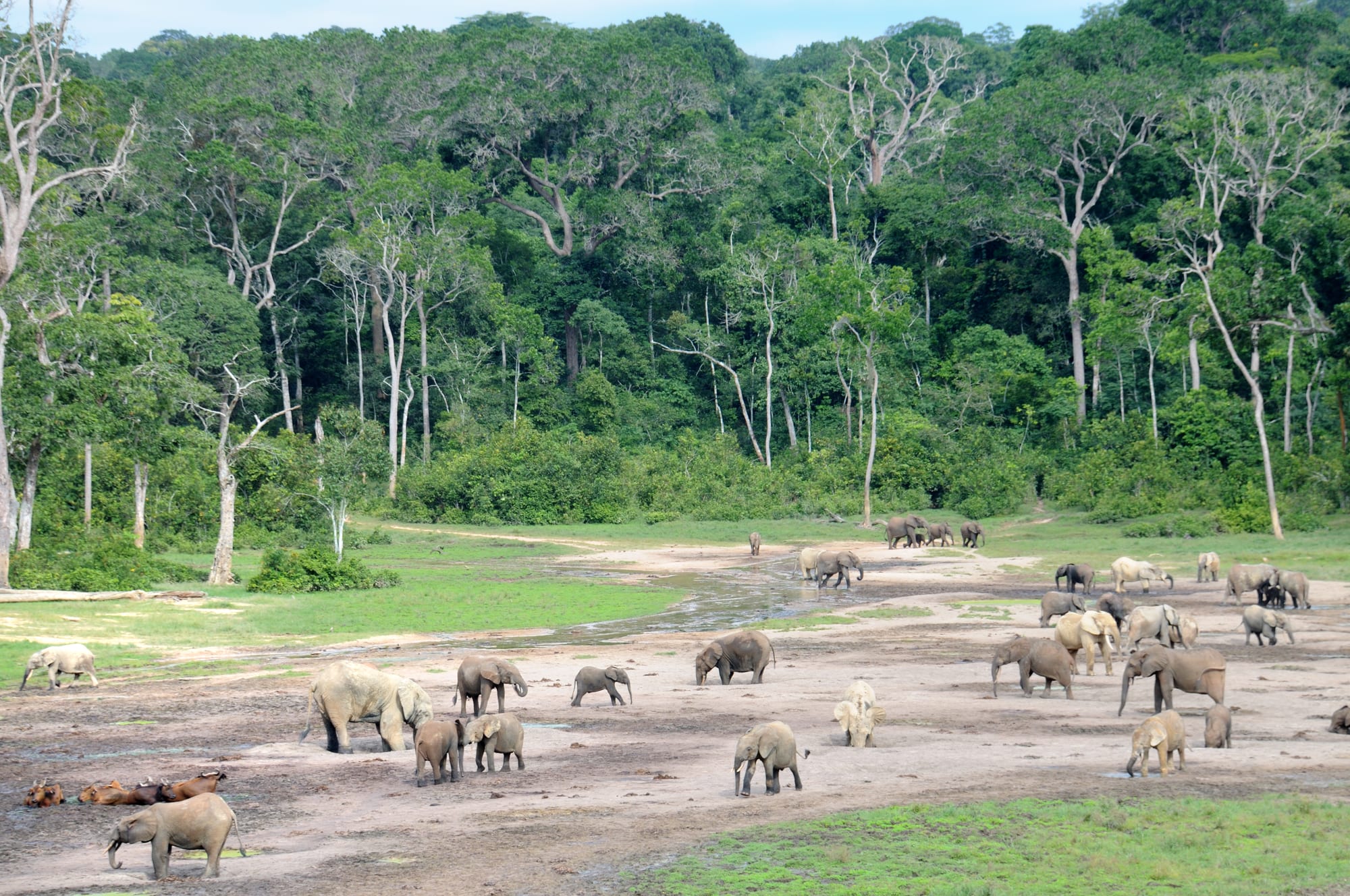
Dzanga Bai is a large natural clearing in the rainforest of the far southwest, where mineral salts in the soil draw African forest elephants in extraordinary numbers — several dozen can be present at once, throughout the year. Visitors watch from an elevated viewing platform at the edge of the clearing, often for hours.
It is one of the best places on Earth to see this critically endangered species, and the centrepiece of the Dzanga-Sangha Special Reserve, which adjoins the Dzanga-Ndoki National Park, the CAR's part of the Sangha Trinational UNESCO World Heritage Site (2012) shared with Cameroon and the Republic of the Congo.
2. Gorilla tracking in Dzanga-Sangha
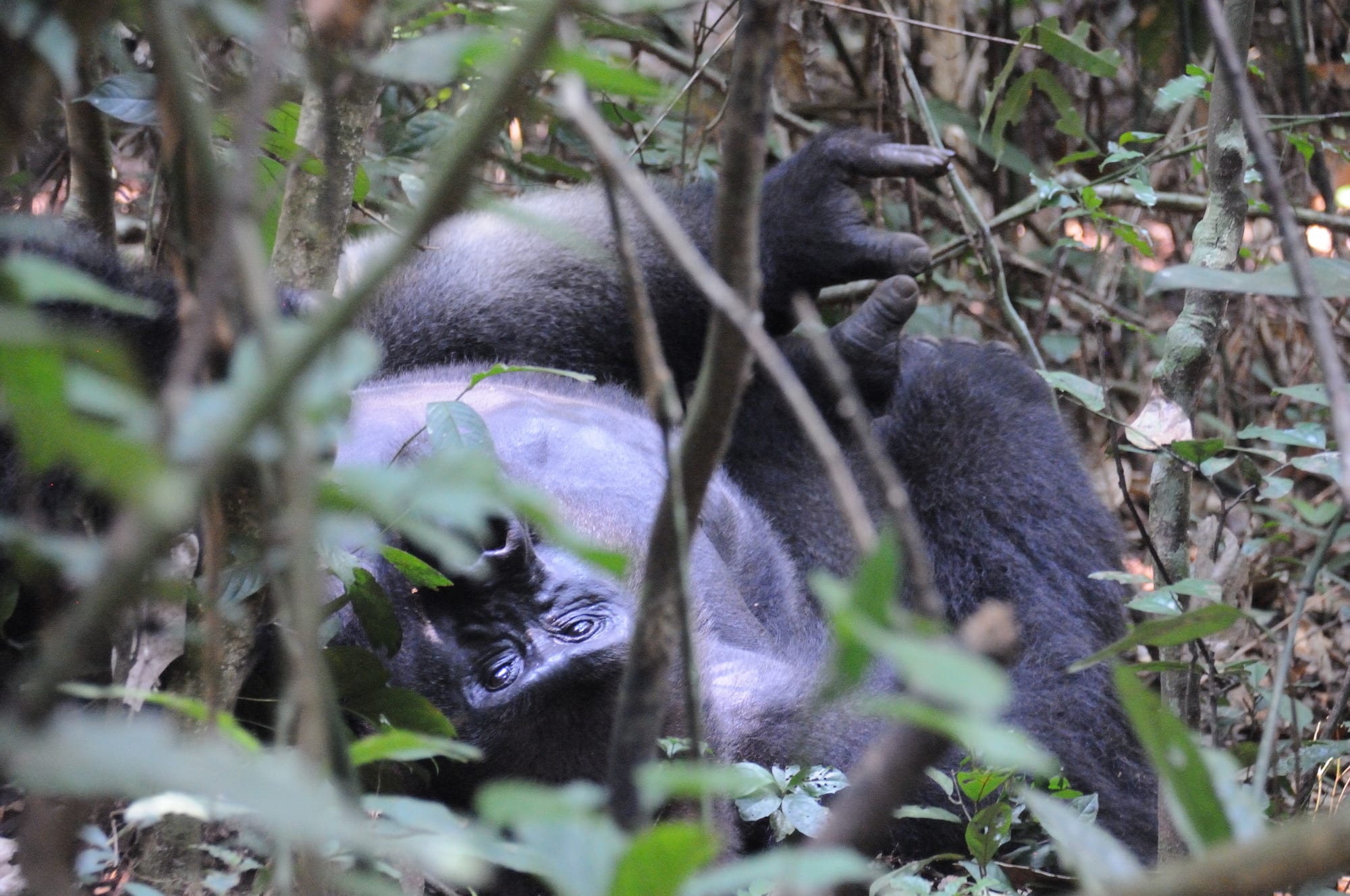
The Dzanga-Sangha Protected Areas, managed with WWF, run a western lowland gorilla habituation programme, based at Bai Hokou since 1997 — one of few for this species (most gorilla tourism is with mountain gorillas in Rwanda, Uganda, and the DRC). Trained Aka (BaAka) trackers lead visitors on foot to a habituated group.
The same forest holds forest buffalo, bongo antelope, and a rich birdlife, and the Aka, whose communal net hunting and knowledge of the forest are central to the area's ecotourism, work as guides and trackers.
3. Boali Falls
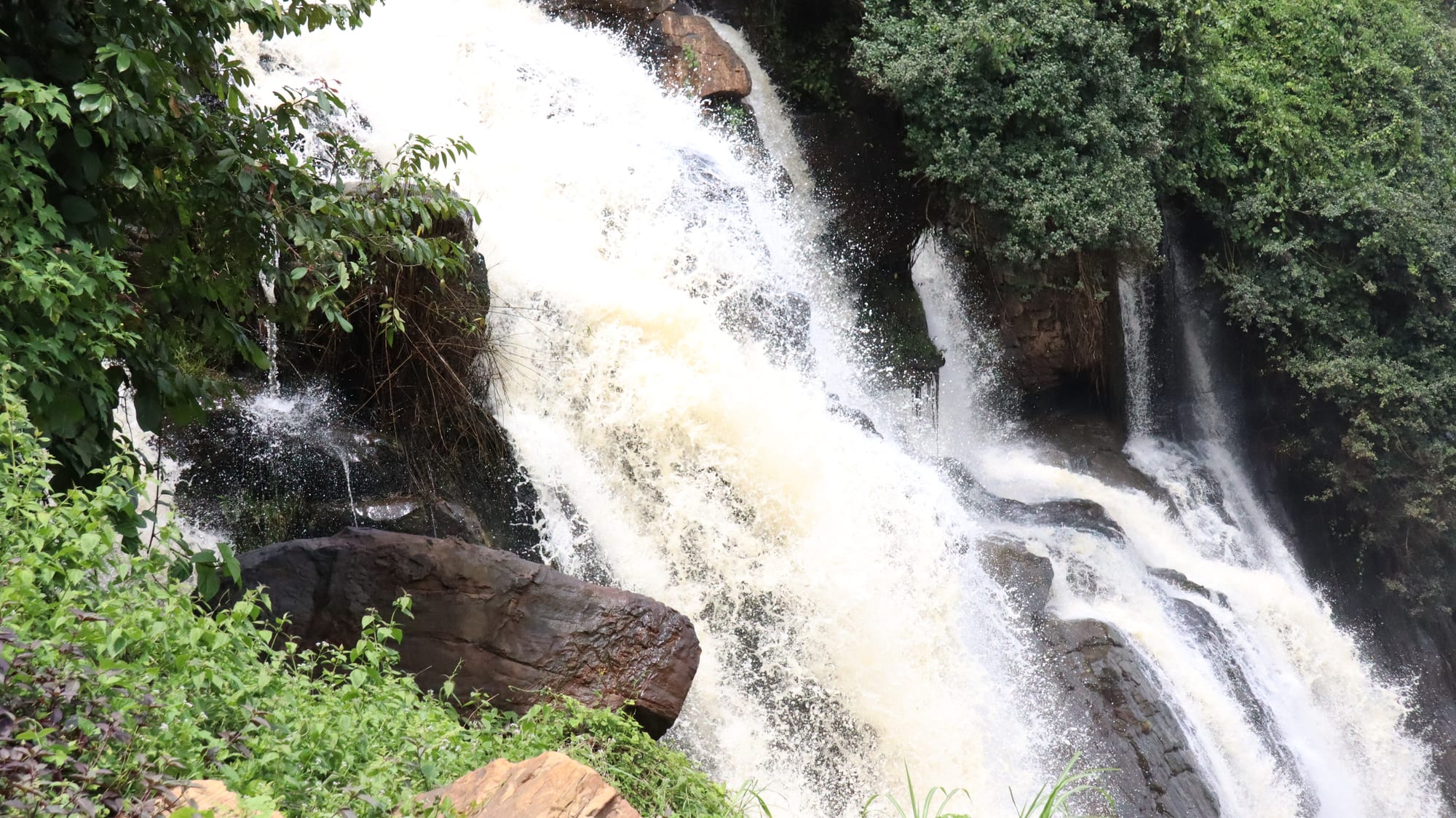
The Boali Falls are a broad cascade on the Mbali river, about 250 metres wide and 50 metres high, with the Boali hydroelectric stations that power the capital just below them. They were, in more peaceful times, the standard weekend trip from Bangui.
The town has been fought over during the civil war, most recently when rebels attacked it in December 2020 before being pushed back in January 2021.
4. The Oubangui River and Bangui
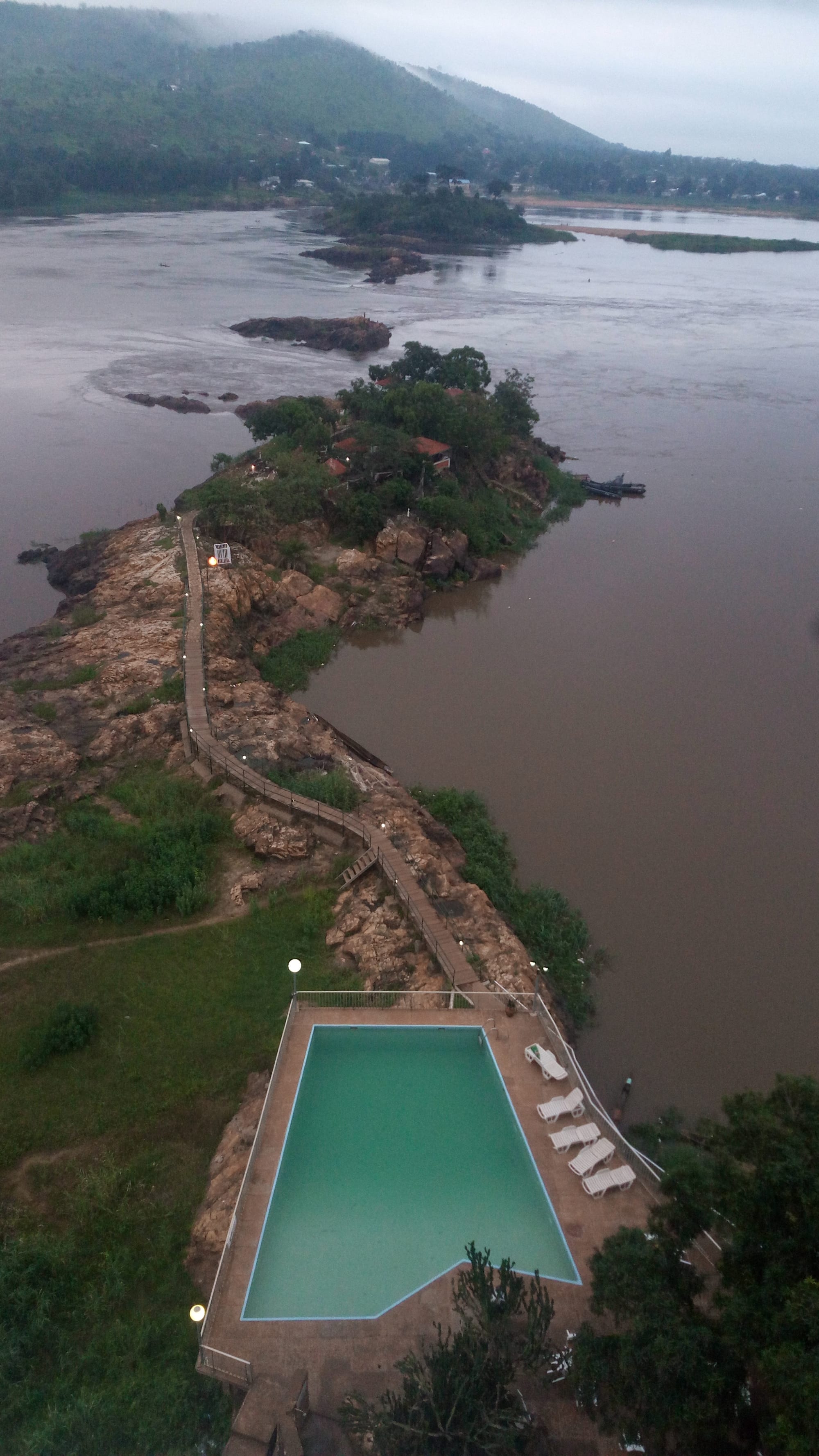
The capital, Bangui, sits on the north bank of the Oubangui, a major tributary of the Congo and the border with the DRC. The city — its name means "the rapids" — grew up around the point where boats could go no further upstream. Its landmarks are modest: the red-brick Notre-Dame cathedral (1937), the Boganda Museum, the central market, and the riverfront itself, busy with pirogues and fishers.
The rapids just upstream (the Chutes de Boali are on a different river) and the forested Congolese bank opposite give the setting some drama.
5. Bangui's hills and surroundings
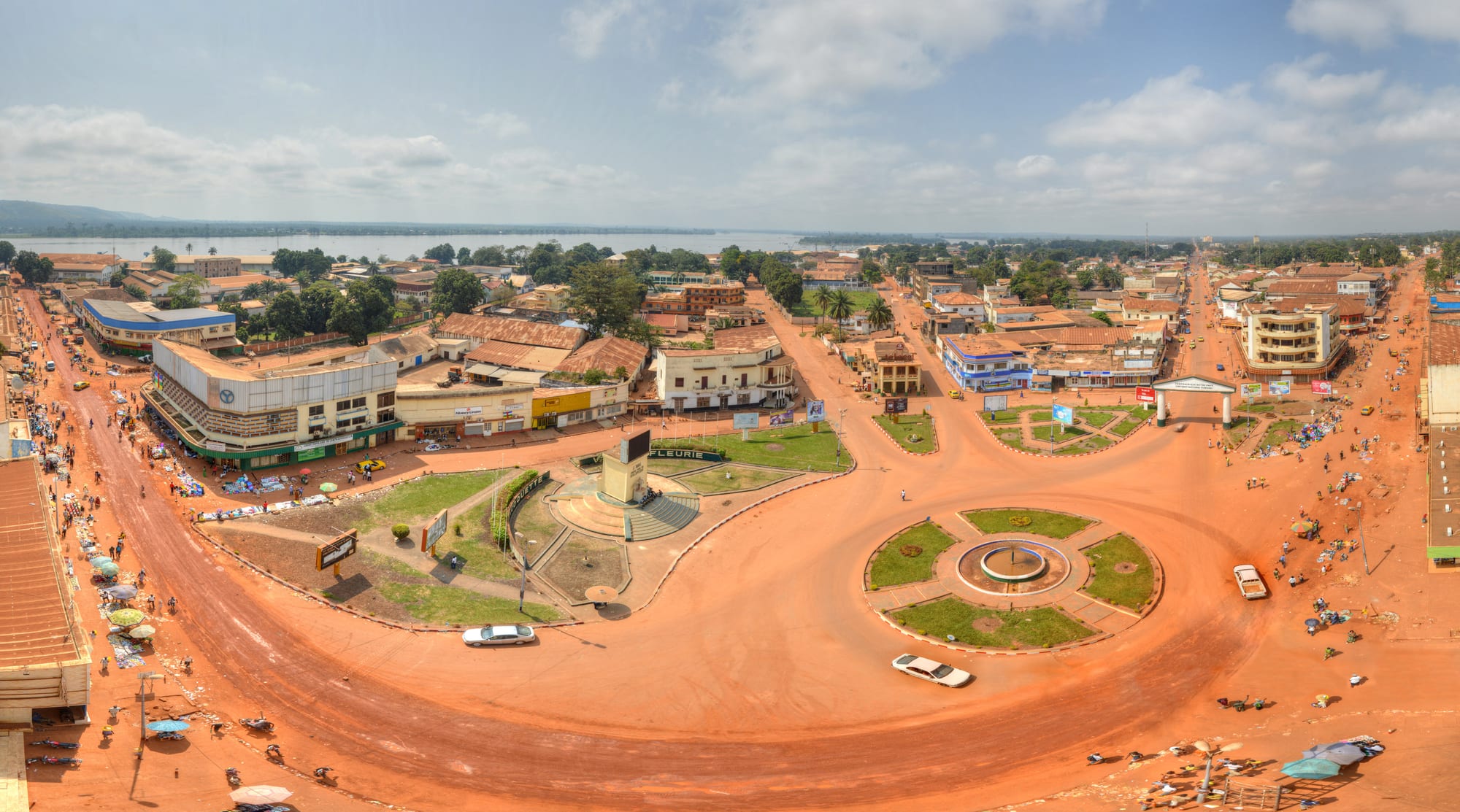
Bangui is backed by low, green hills. The old town keeps its colonial planning, with wide boulevards leading to a central market square, a large arch dedicated to Bokassa, and the Presidential Palace, formerly the Bokassa Palace. Bangui Zoo and the artisans' market, with crafts from across the country, round out the city's sights.
Before the conflict, the countryside around the capital was the source of most weekend trips.
6. Manovo-Gounda St Floris National Park
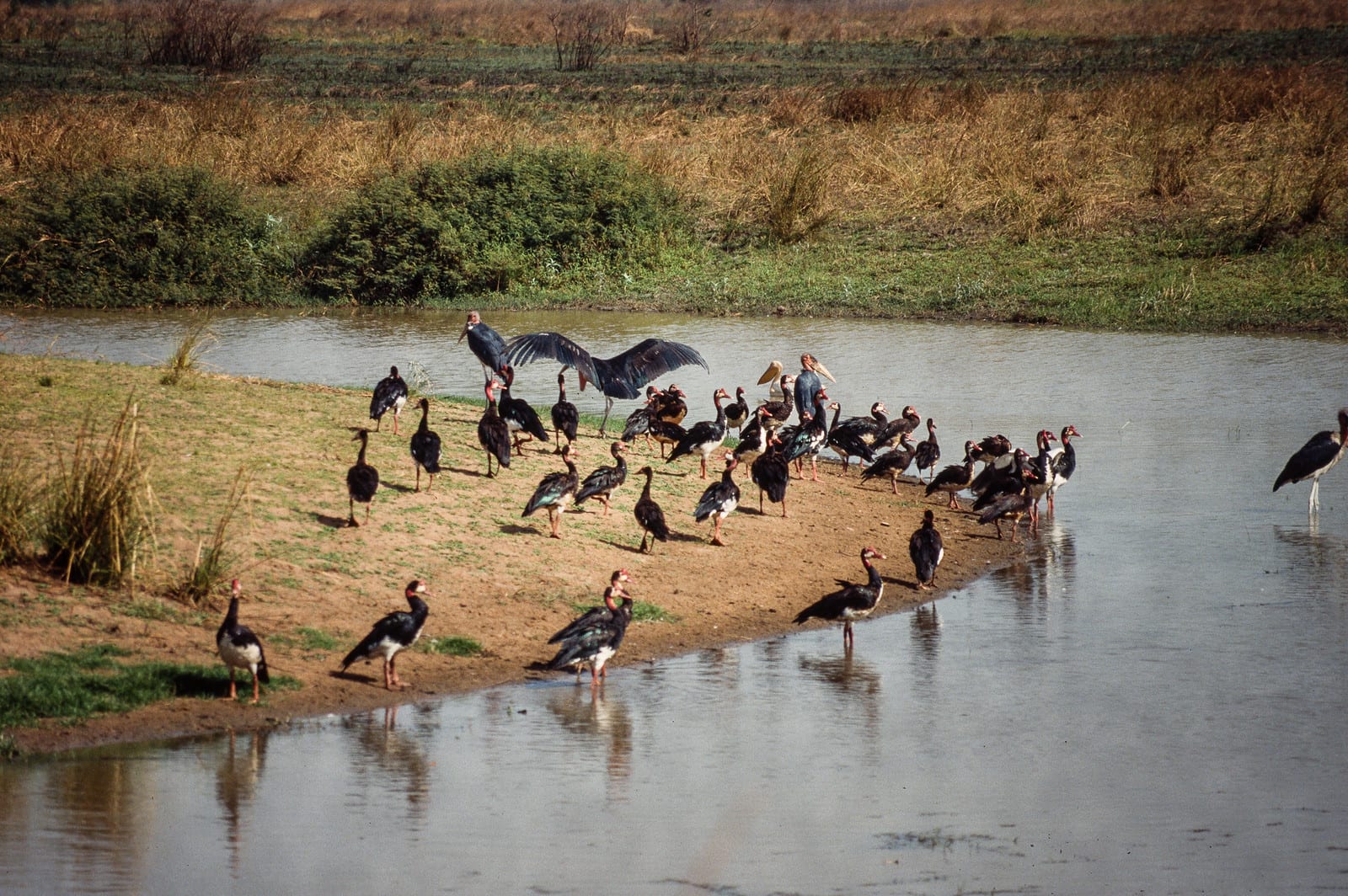
In the far north, this vast park of flood plains and savannah on the Chad border was once home to black rhino, elephant, and huge herds of antelope — one of the richest savannah ecosystems in Central Africa. Poaching by heavily armed hunters, who may have taken as much as 80 per cent of its wildlife, has devastated it; the black rhino is gone, and the park, inscribed in 1988, has been on UNESCO's List of World Heritage in Danger since 1997.
Tourism halted after park staff were shot in 1997, and the park remains out of reach. The Chinko reserve in the southeast, managed by African Parks since 2014, is trying to hold a huge wilderness together against poaching and grazing.
The Central African Republic has some of the finest forest-wildlife experiences in Africa in its southwestern corner, and almost no safe way to reach them at present. Treat this as background, to be revisited only when the security picture changes fundamentally.