Food · Croatia
Croatia: Food and the National Dish
A country split neatly between a Central European interior and a Mediterranean coast, a cheese pastry with heritage protection, and a grape that turned out to be a child of Zinfandel
By Worldlore Editorial · 30 September 2026
Two cuisines under one flag
Croatia's food splits cleanly along its geography. The Adriatic coast — Dalmatia and Istria — cooks in a Mediterranean, strongly Italian-influenced style: olive oil, seafood, cured ham and simple grilled or slow-cooked dishes. Continental Croatia, around Zagreb and the interior, leans Central European, closer to Austria and Hungary, with meat, dumplings and paprika-based stews. The two halves are different enough that Croatia doesn't really have one single national dish — it has two strong regional answers instead.
The coast's answer: peka
Peka is meat, most often lamb, veal or octopus, cooked with vegetables under a bell-shaped metal or ceramic lid heaped with embers and live coals, so everything steams and roasts slowly at once. Restaurants often ask for it to be ordered in advance, since it can't be rushed — part of the dish's appeal is exactly that unhurried, occasion-worthy pace.
The interior's answer: štrukli
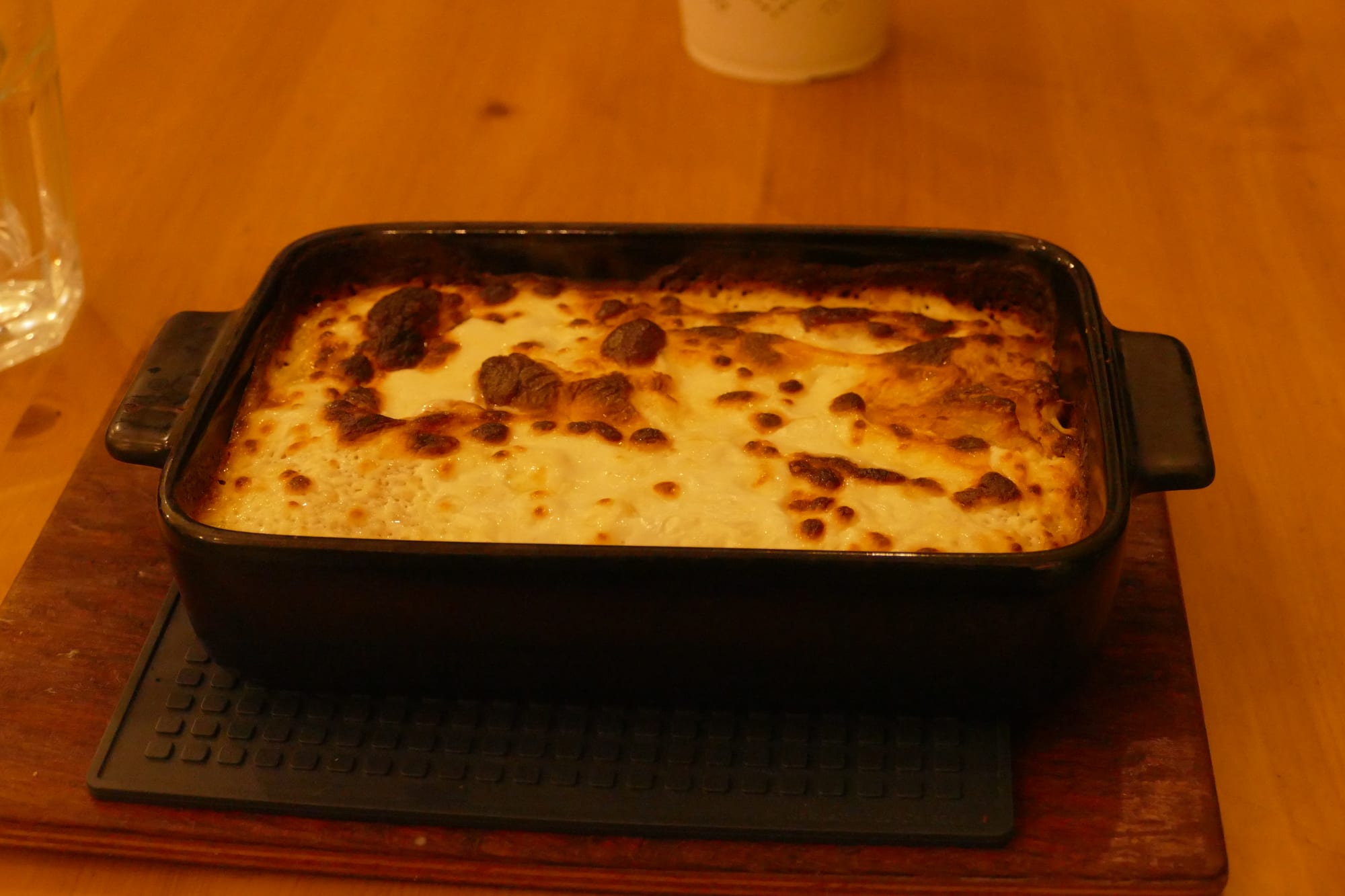
Štrukli, a stretched pastry dough wrapped around a filling of cottage cheese and either baked or boiled, comes from the Zagorje region north of Zagreb and carries real cultural weight — in 2007 it was added to Croatia's list of intangible cultural heritage, and Zagorski štrukli is also a protected name in the European Union.
Dishes to know
Five more to recognise across Croatia:
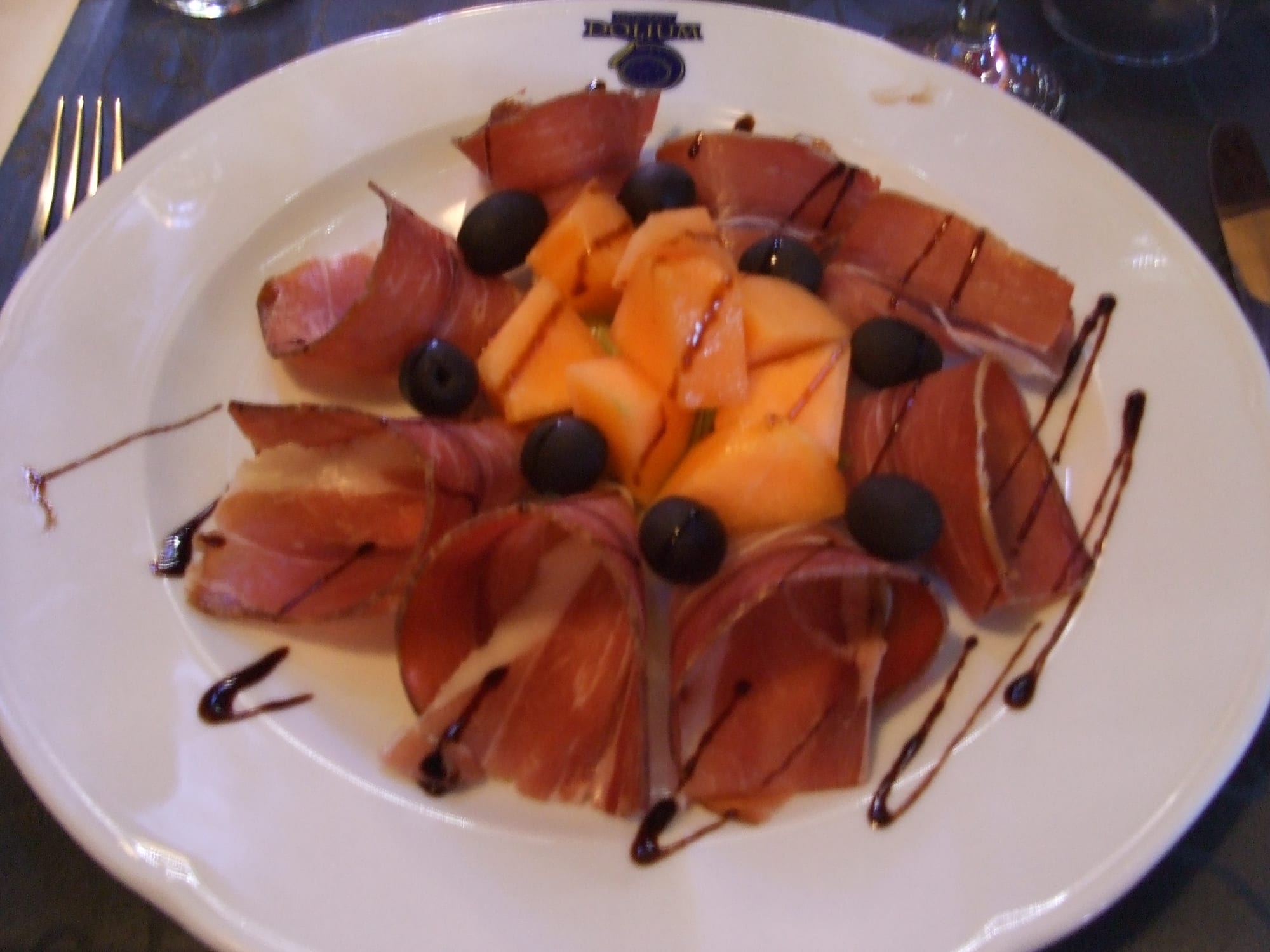
- Pršut — dry-cured ham from Dalmatia, Istria and Krk, similar to Italian
prosciutto; the Dalmatian kind is smoked, the Istrian one is not.
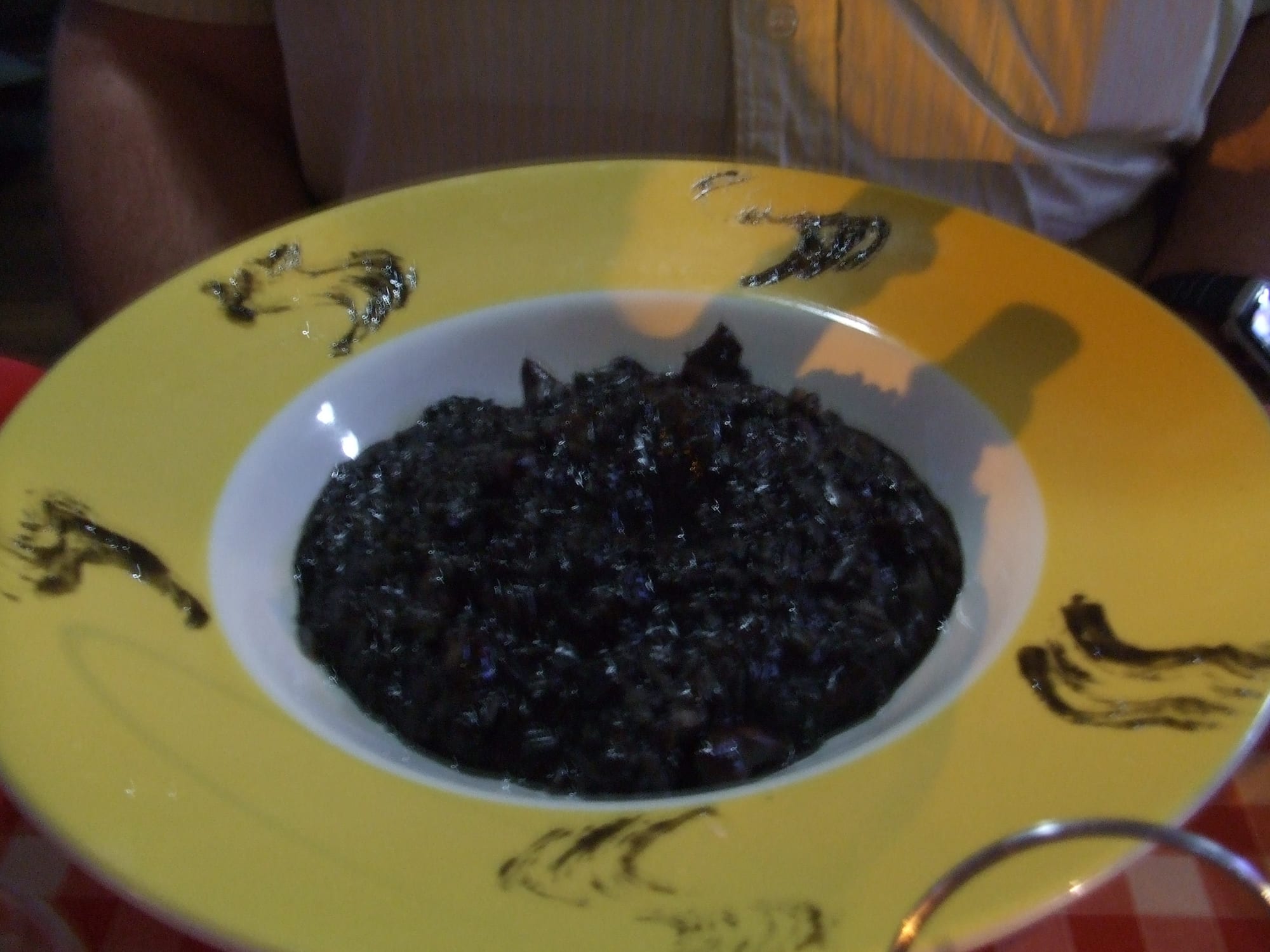
- Crni rižoto (black risotto) — risotto cooked with cuttlefish or squid
ink, a Dalmatian coast speciality.
- Fritule — small fried dough balls with rum and raisins, a festive,
especially Christmas-time treat on the coast.
- Fiš paprikaš — a hot, paprika-rich river-fish stew from Slavonia and
Baranja, close kin of Hungary's halászlé.
- Istrian truffles — truffles from the Istrian peninsula, including the
prized white truffle found in the Motovun forest along the Mirna river.
Wine and drinks
Beyond Plavac Mali, Croatia grows Pošip on the island of Korčula and Malvazija in Istria, the region's main white grape. Rakija, a fruit brandy shared across the wider Balkans, is the standard spirit, and travarica, a herb-infused version, is often served with dried figs at the start of a meal; Hrvatska travarica is protected in the EU. Coffee culture is genuinely central to daily life — sitting for a coffee is a proper social occasion, not a quick errand.
Eating as a traveller
Vegetarians can rely on štrukli, cheese and vegetable dishes on the coast, and Croatia's good produce generally, though peka, pršut and most traditional dishes are built around meat or seafood. Tap water is safe throughout the country. Peka often needs to be ordered ahead, which is worth planning around rather than treating as a last-minute decision.
What to take from the table
There is no single Croatian national dish, and that's the honest, interesting answer: a plate of peka on the coast and a plate of štrukli inland are both unmistakably Croatian, and both come from the same small country experiencing food in two quite different ways.