Food · Eswatini
Eswatini: Food and the National Dish
A thick maize porridge of a kind shared across Southern Africa, cattle at the centre of Swazi identity, and two great royal festivals
By Worldlore Editorial · 30 September 2026
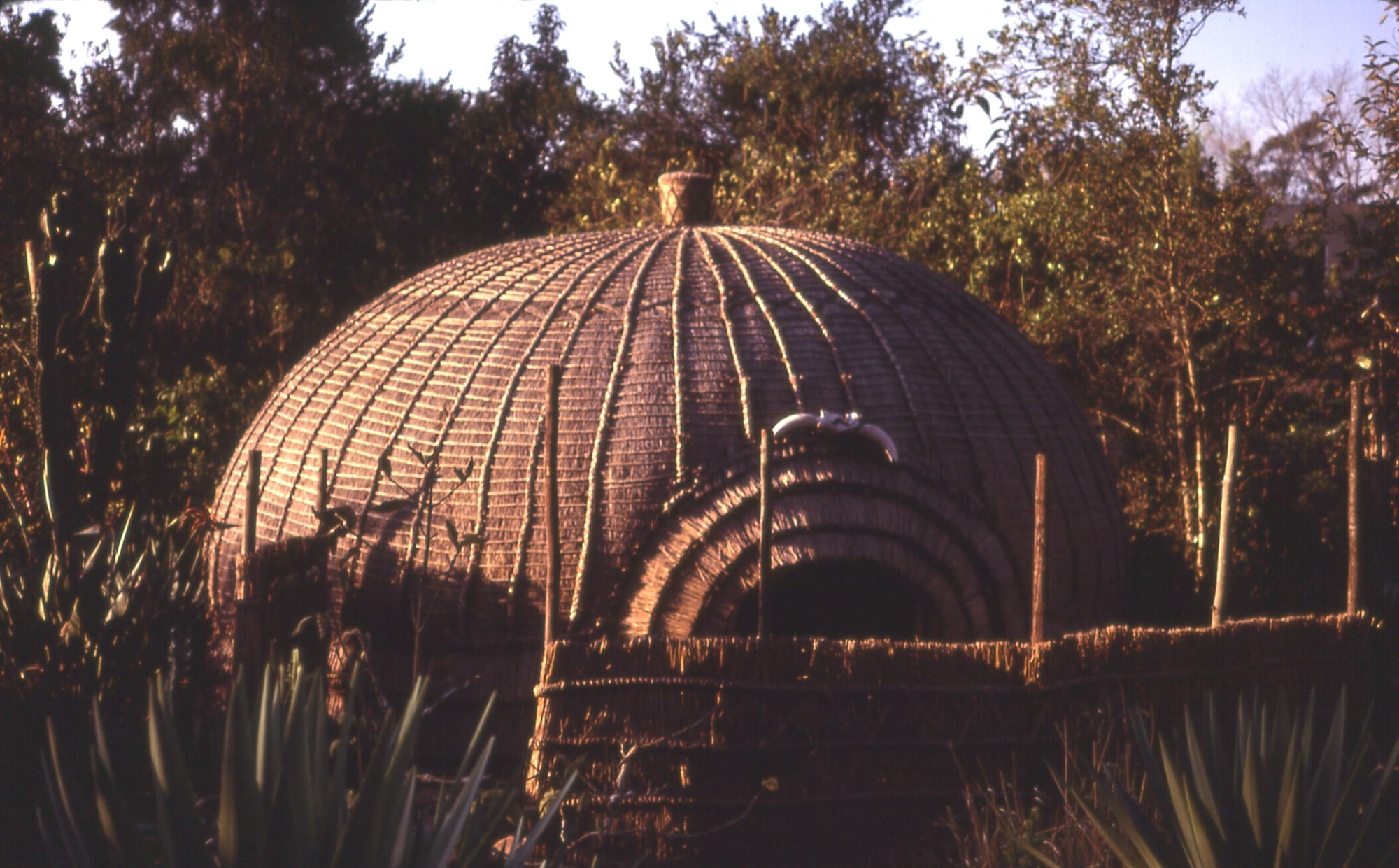
A small kingdom built on maize and cattle
Eswatini's food follows the same basic pattern found across much of Southern Africa: a stiff maize porridge, sishwala, forms the everyday starch, served with meat or vegetables. Cattle hold a cultural importance that goes well beyond food — as in neighbouring countries, they represent wealth and are central to bride-price customs — so beef and dairy carry real weight on the table, even though maize and sorghum, often served with goat meat, are the everyday staples.
Sishwala, sidvudvu and the everyday plate
Sishwala is eaten with meat stew or vegetables, and the wider repertoire includes sidvudvu, a porridge of pumpkin mixed with cornmeal, thick porridges of mashed beans or ground nuts, and pumpkin leaves cooked with ground nuts. Emasi, traditional soured milk, is drunk and eaten much like a thick yoghurt, and umncweba, dried cured meat similar to biltong, is a traditional way of preserving beef.
Feast food and festivals
Eswatini's two great royal ceremonies, Incwala (a kingship ritual held in December or January) and Umhlanga, the Reed Dance held in late August or early September, both involve communal feasting. Incwala ends with a day of feasting, and its rites centre on the royal cattle byre and a bull that young men must throw with their bare hands — a visible expression of how central cattle remain to Swazi identity and celebration.
Eating as a traveller
Vegetarians can rely on sishwala, beans and vegetable relishes, though meat and dairy are central to most celebratory and everyday cooking. Eswatini's tourism industry, built mostly around its game reserves and cultural festivals, means visitor food ranges from simple local dishes to more polished lodge dining, but the maize-and-relish staple described here remains what most Swazis actually eat day to day.
What to take from the table
Sishwala with a meat or vegetable stew is the honest, everyday face of Eswatini's food — and if your visit lines up with Incwala or Umhlanga, the feasting and cattle rites around those festivals shows the country's food culture at its most significant.