History · Faroe Islands
Faroe Islands: The Sheep Islands of the North Atlantic
A Norse settlement with one of the world's oldest parliaments — Danish for six centuries, self-governing since 1948, and a fishing nation that chose to stay out of Europe
By Worldlore Editorial · 30 September 2026
Eighteen islands in the open ocean
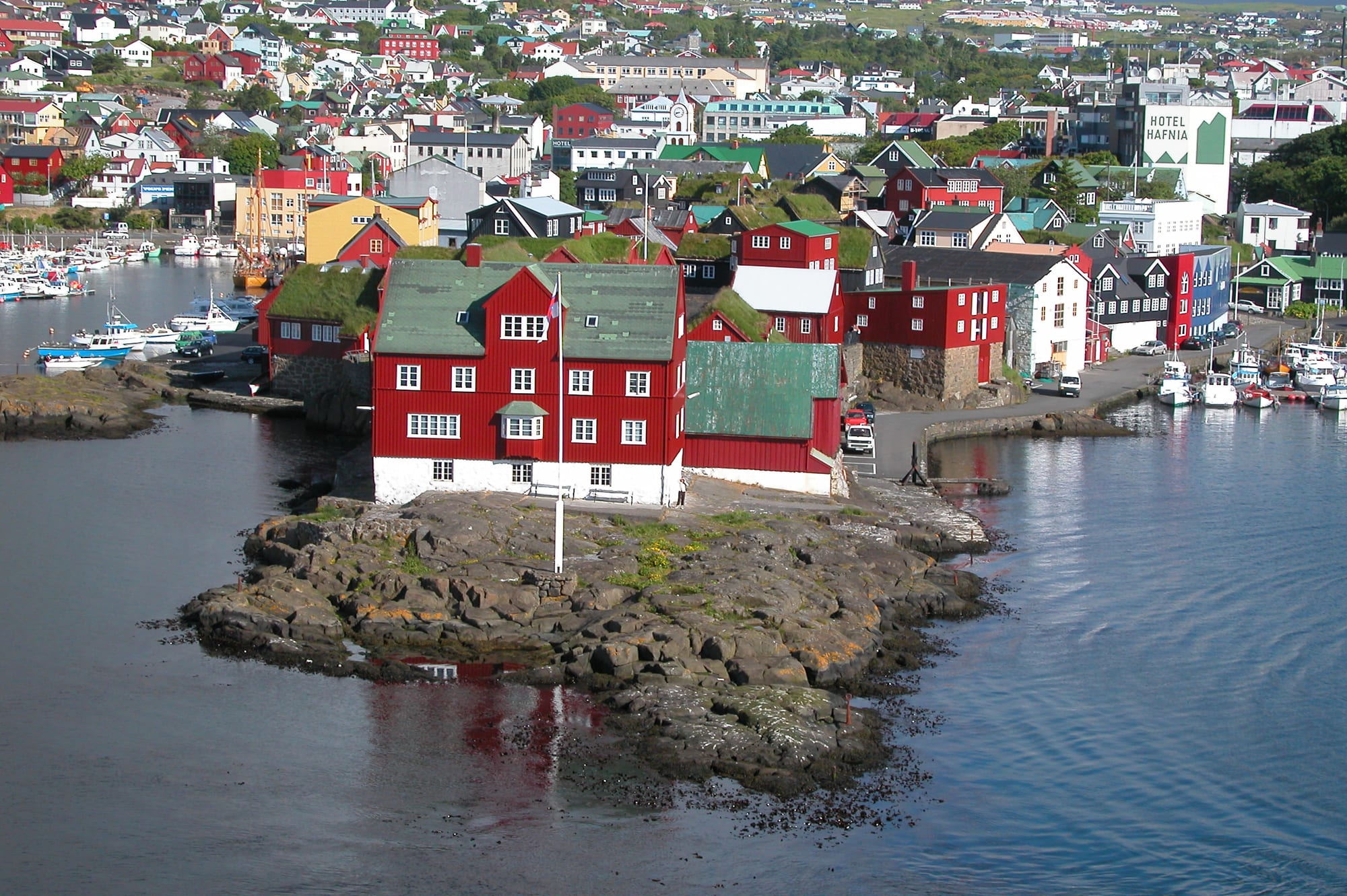
The Faroe Islands are a compact cluster of eighteen steep, treeless islands in the North Atlantic, between Scotland, Iceland and Norway. About 55,000 people live there, most within reach of the small capital, Tórshavn. The Faroese speak their own North Germanic language, descended from Old Norse, and govern themselves — a self-ruling nation inside the Kingdom of Denmark, but outside the European Union that Denmark belongs to.
A short history
- c. 600s
The monks
Irish hermits may be the first people on the islands.
- c. 800–900
Norse settlement
Settlers from Norway bring farming and the Løgting.
- c. 1000
Christianity
The islands convert, and come under the Norwegian crown.
- 1397
Union with Denmark
Norway and the Faroes enter the Kalmar Union.
- 1814
Kept by Denmark
Norway passes to Sweden; Denmark keeps the Faroes.
- 1856
Free trade
The Danish trade monopoly ends; deep-sea fishing takes off.
- 1888
The awakening
A movement to revive the Faroese language begins.
- 1940–1945
British occupation
Cut off from Denmark, the Faroese govern themselves.
- 1948
Home Rule
The Faroes become self-governing within the Danish realm.
Monks, then Norsemen
The first people on the Faroes may have been Irish monks in the 7th century — an account from around 825 describes hermits on remote northern islands, and sheep seem to have been there before the Vikings, giving the islands their name, Føroyar, "sheep islands". Norse settlers arrived from about 800 to 900. They brought a farming and fishing life and an open-air assembly, the Løgting, which met at Tinganes in Tórshavn and ranks among the oldest surviving parliaments in the world.
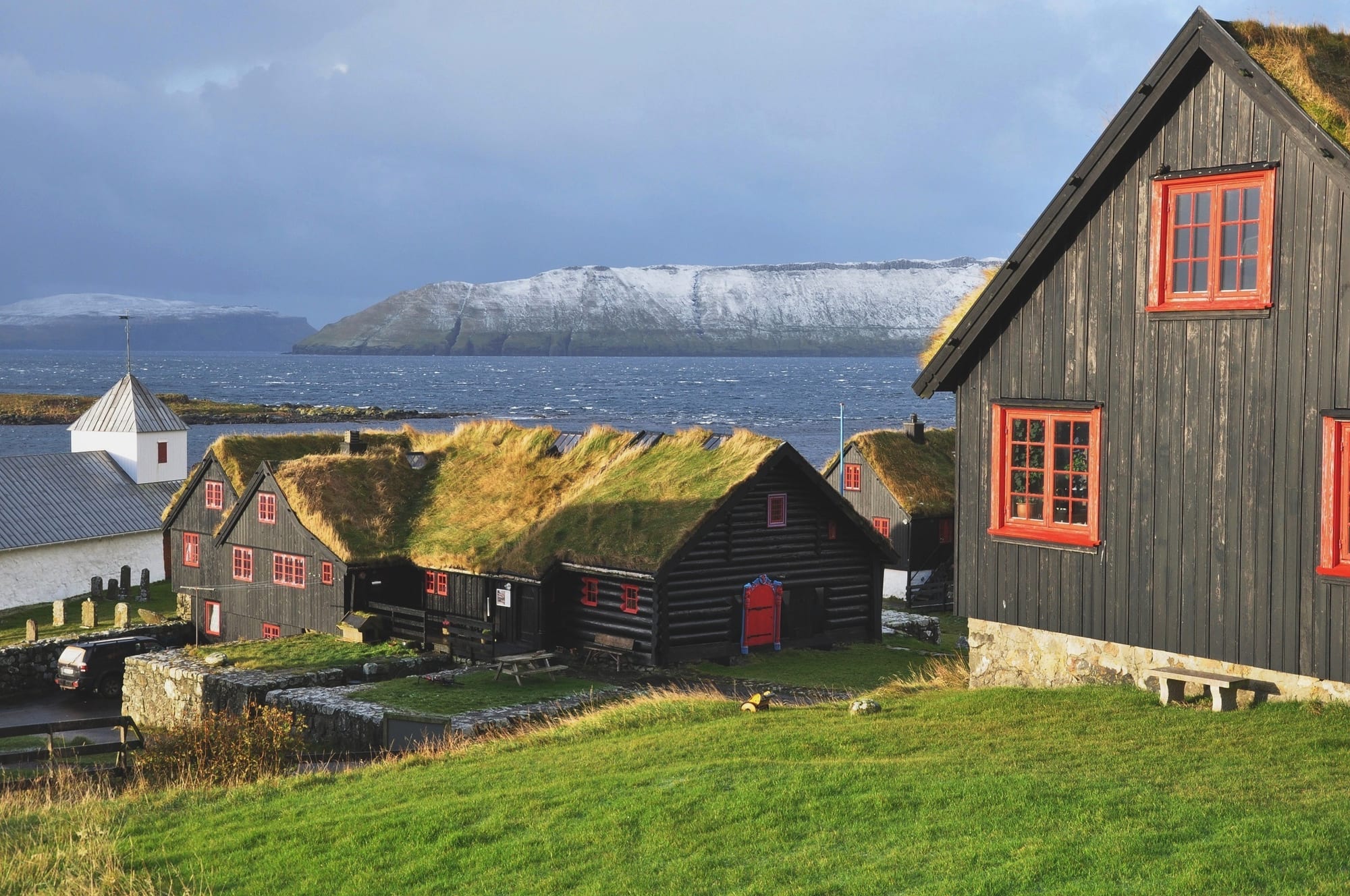
The islands converted to Christianity around the year 1000 and became part of the Kingdom of Norway in 1035. Kirkjubøur, on Streymoy, became the church centre, with a bishop's seat and the great cathedral of St Magnus — begun around 1300 and a roofless ruin since the Reformation.
Danish rule and the monopoly
In 1380 the Faroes passed with Norway to the joint Danish-Norwegian crown, and with Norway joined the Kalmar Union in 1397; when Denmark–Norway was dissolved in 1814 Denmark kept the Faroes, along with Iceland and Greenland. The Reformation was imposed from Copenhagen in the 1530s, which made Danish the language of church and administration and abolished the Kirkjubøur bishopric.
For centuries a royal Danish trade monopoly controlled all commerce with the islands and held the economy down. Its abolition in 1856 changed everything: with free trade, the Faroese converted from subsistence farming to deep-sea fishing, buying up retired British sailing smacks and turning the islands into a fishing nation whose daily bread came, quite literally, from fish.
The national awakening
The Løgting was abolished in 1816 and revived in 1852 only as an advisory county council. A cultural revival followed later in the century: a written standard for Faroese was published in 1854, and from the Christmas Meeting of 1888 in Tórshavn a movement grew to bring the language back into schools, church and public life, and to press for more self-government. Faroese identity, long treated as mere dialect and folklore, became a political programme.
The friendly occupation
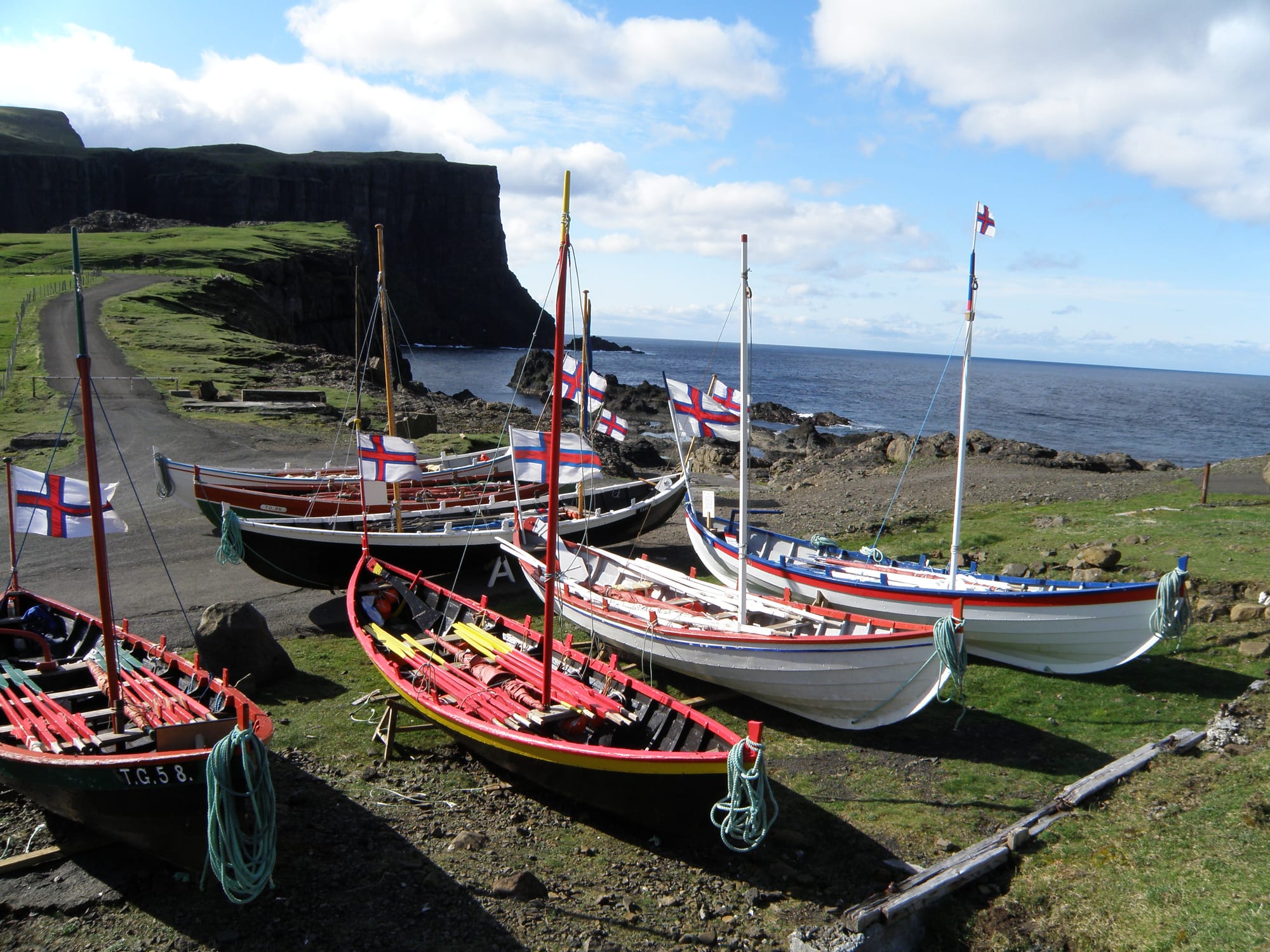
When Germany occupied Denmark in April 1940, Britain immediately occupied the Faroes to keep them out of German hands. For five years the islands were cut off from Copenhagen and effectively ran their own affairs. They flew their own flag, the Merkið, which Britain formally recognised — still marked as Flag Day — and their boats carried fish to wartime Britain at a heavy cost in ships and lives. Having governed themselves once, the Faroese would not simply go back.
A 1946 referendum produced a wafer-thin vote for independence, which was disputed and set aside. The compromise was the Home Rule Act, passed on 23 March 1948: the Faroes became a self-governing community within the Danish realm, with their own parliament, government, flag and language, while Denmark kept matters such as foreign affairs, defence, justice and the currency, and pays an annual grant.
The Faroes now
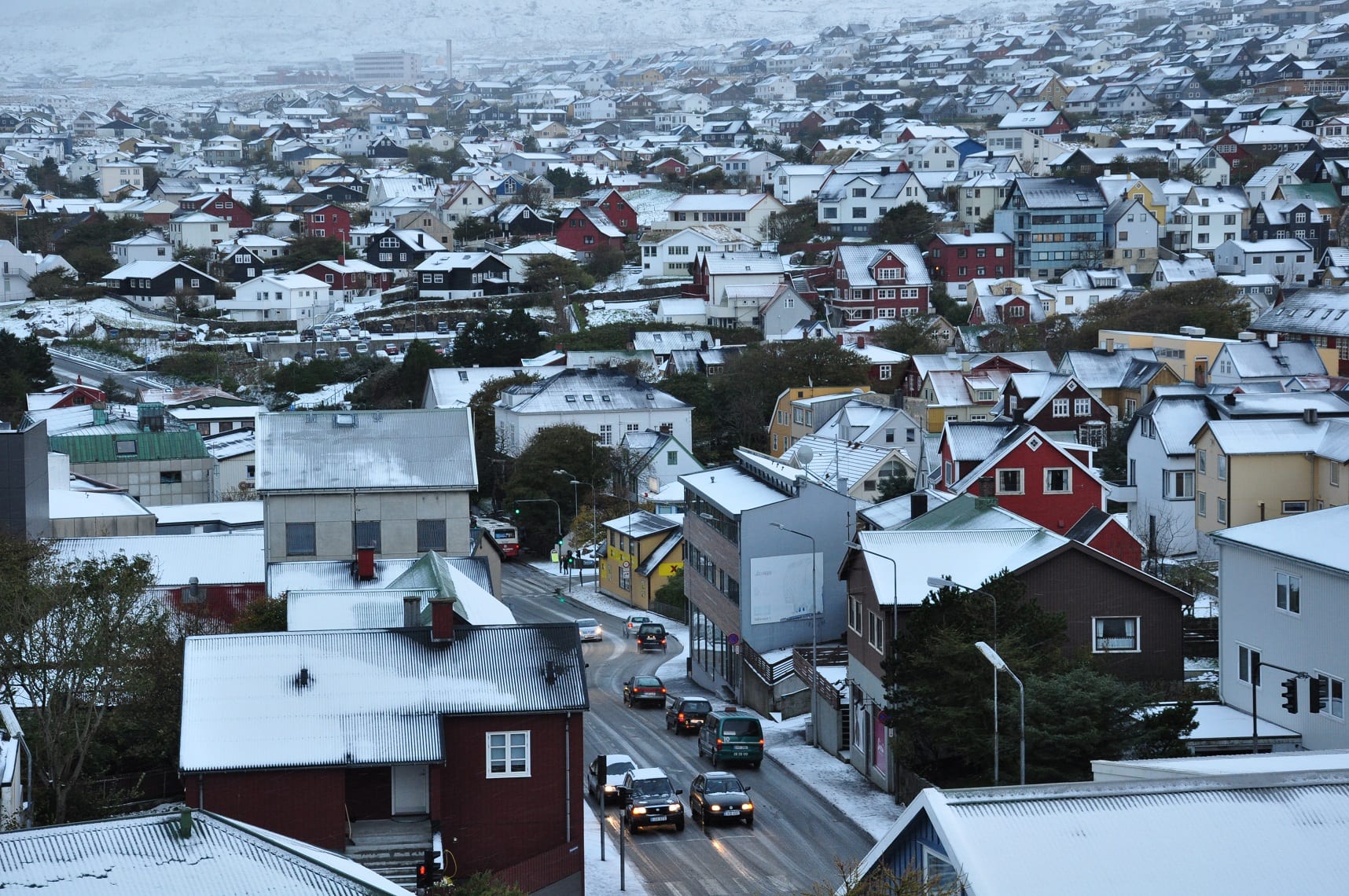
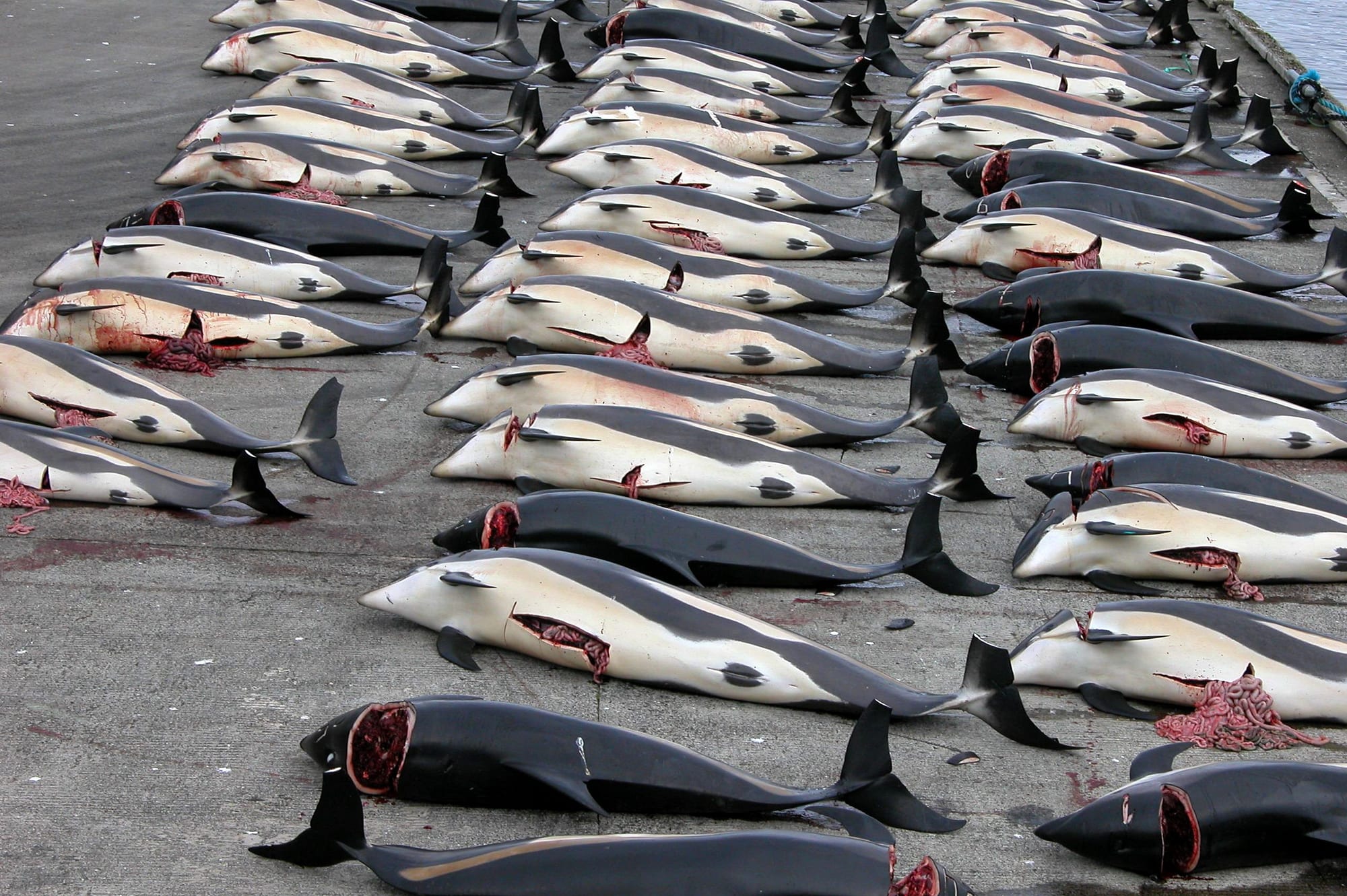
To protect its fishing grounds, the Faroes stayed out of the European Community when Denmark joined in 1973, and run their own 200-mile zone. The fishing economy crashed hard in the early 1990s — unemployment peaked at 26 per cent and about 6 per cent of the population emigrated — before recovering through fisheries and, more recently, large-scale salmon farming, now a major export. The communal pilot-whale hunt, the grindadráp, continues and continues to draw international protest.
Debate over full independence and a Faroese constitution recurs in every generation, while a growing network of undersea tunnels — one with the world's first subsea roundabout — physically binds the scattered islands into a single place.
What the Faroes carry
The Faroe Islands have kept a Norse language and a Viking-age assembly through six centuries of Danish rule, and turned a wartime accident of self-government into a permanent one. They sit in a deliberate in-between: not a state, but not merely a Danish region either — a small nation that has arranged its ties to the wider world almost entirely on its own terms.