Attractions & Natural Wonders · Finland
Finland: Eleven Attractions and Natural Wonders
A sea fortress off Helsinki, a medieval castle on a lake, the last wilderness of Lapland, and a country where nearly every home has a sauna
By Globeway Editorial · 30 September 2026
A quiet country of water and forest
Finland is a big, thinly populated country of about 5.7 million people on the northeastern edge of the Baltic, sharing a long land border with Russia and closer in feel to its Nordic neighbours Sweden and Norway. It is often called the land of a thousand lakes, an undercount — there are more than 180,000 — and forest covers about three-quarters of it. The south holds the cities: Helsinki, Turku, Tampere. The north is Lapland, a sub-Arctic expanse of fell, bog, and reindeer where the sun does not set in midsummer and barely rises at midwinter.
The eleven below run from the capital and the southwest archipelago up through the Lakeland to the Arctic. Summer (June to August) is short, green, and light-filled; winter (December to March) is the season for snow, huskies, and the aurora.
1. Helsinki
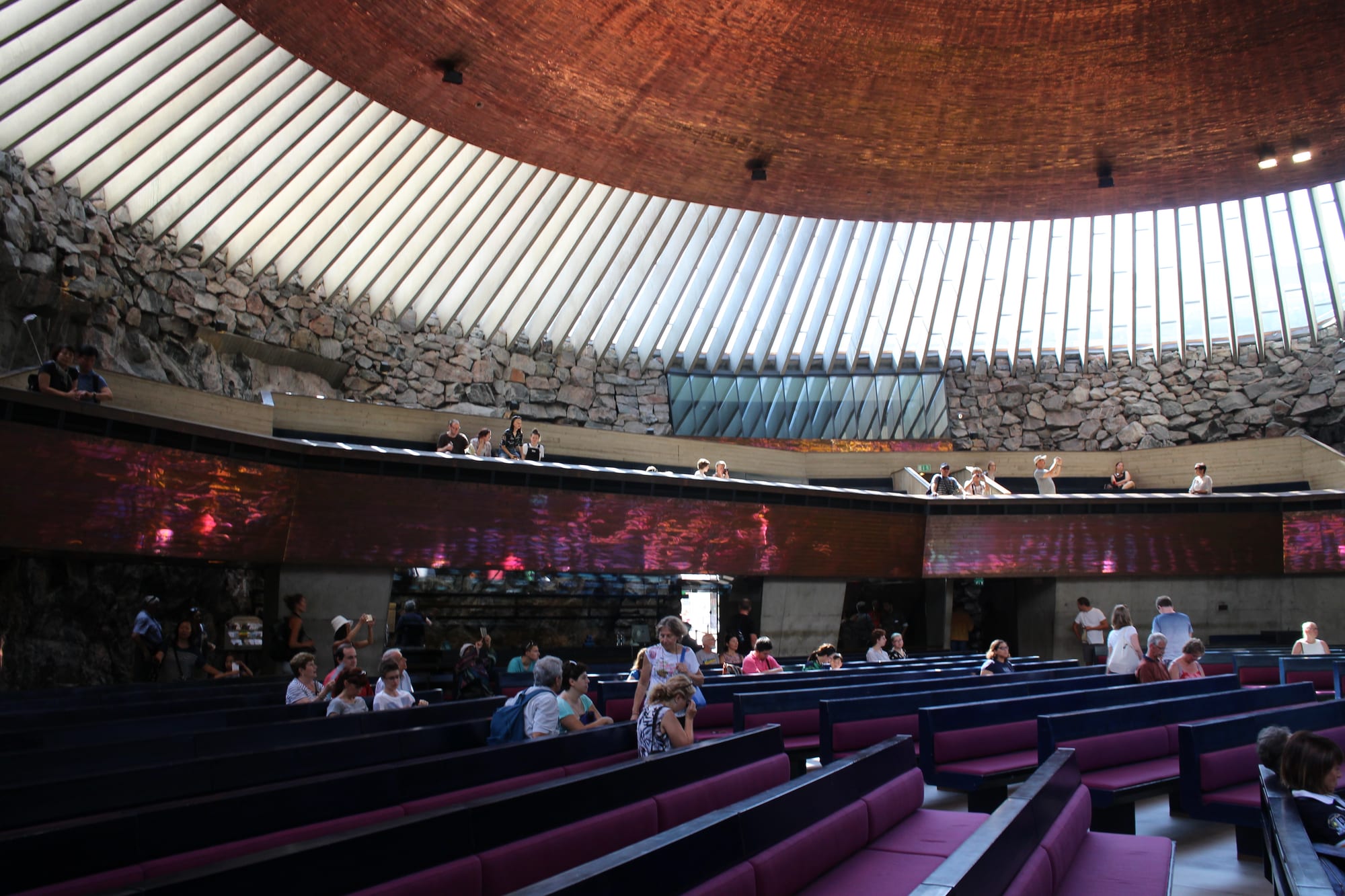
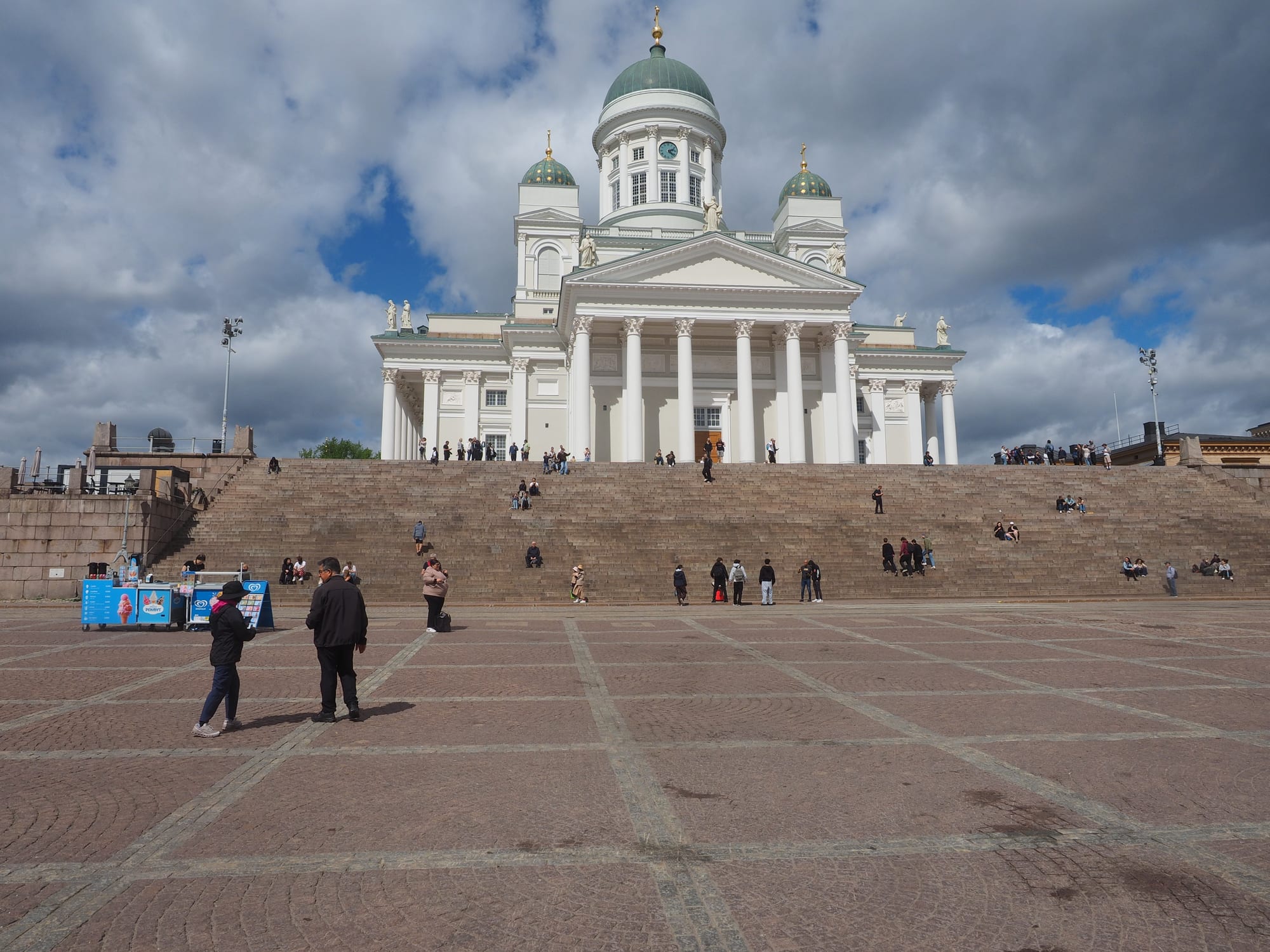
Helsinki is a compact, sea-facing capital of clean neoclassical and Art Nouveau blocks, functionalist landmarks, and a design culture it takes seriously. The set-piece is Senate Square, framed by the white Lutheran cathedral; nearby are the red-brick Orthodox Uspenski Cathedral, the Temppeliaukio rock church, the harbourside Market Square, and streets of small design studios and shops. The Oodi central library and the Kiasma and Amos Rex art museums show the contemporary side.
In summer the city decamps to its islands and the long Baltic light; the harbour ferries and the tram network make it easy to get around.
2. Suomenlinna
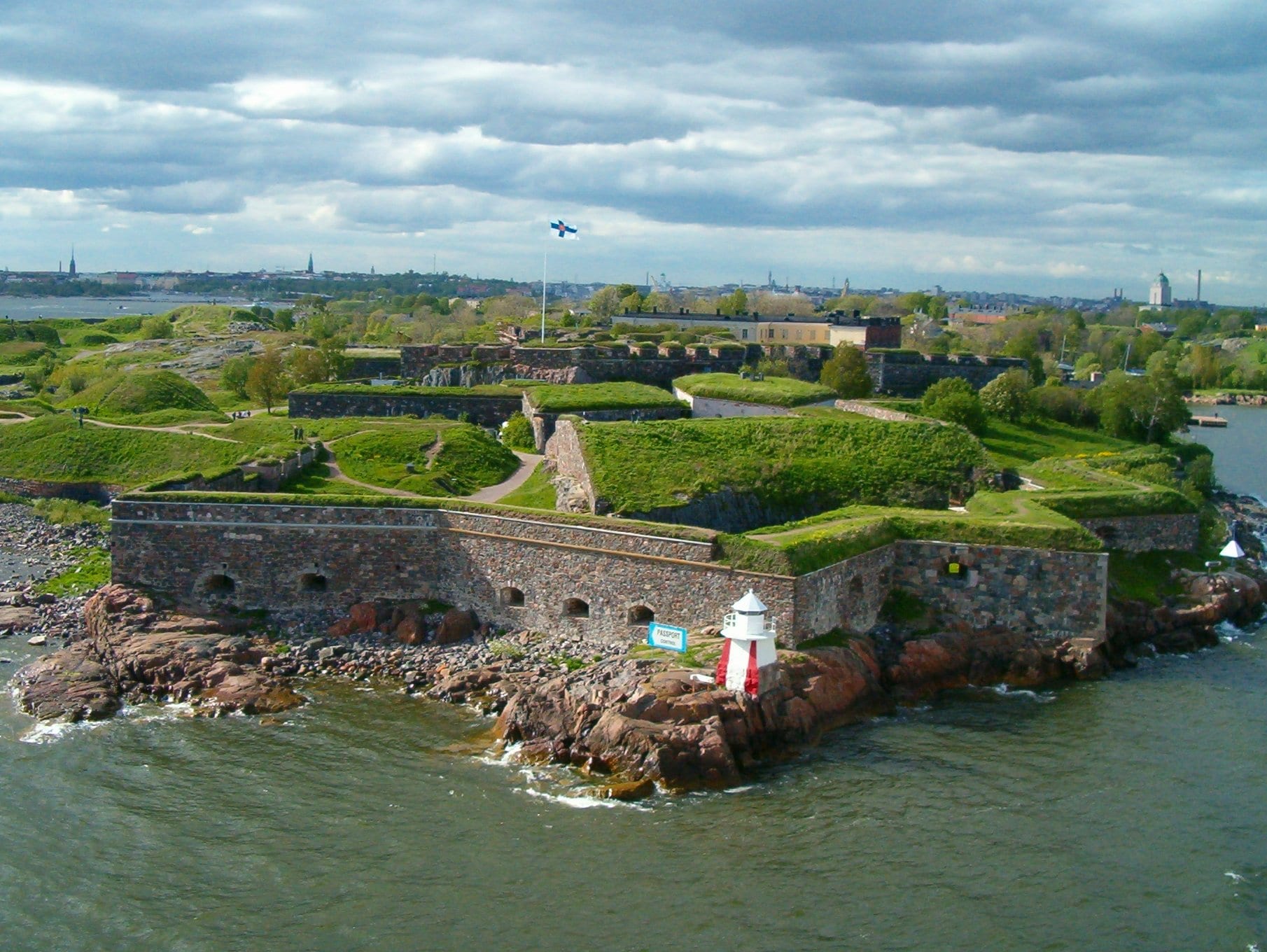
Suomenlinna is a sprawling maritime fortress built by Sweden from 1748 across a group of islands, six of them fortified, guarding the sea approach to Helsinki, later held by Russia and then Finland. It is a UNESCO World Heritage Site and also a living neighbourhood of around 900 residents, with grassy bastions, tunnels, a historic dockyard, the submarine Vesikko, museums, cafés, and picnic spots looking out to the Baltic.
A ferry runs from the Market Square; a visit is a half-day, easily a full one in summer.
3. Turku and the archipelago
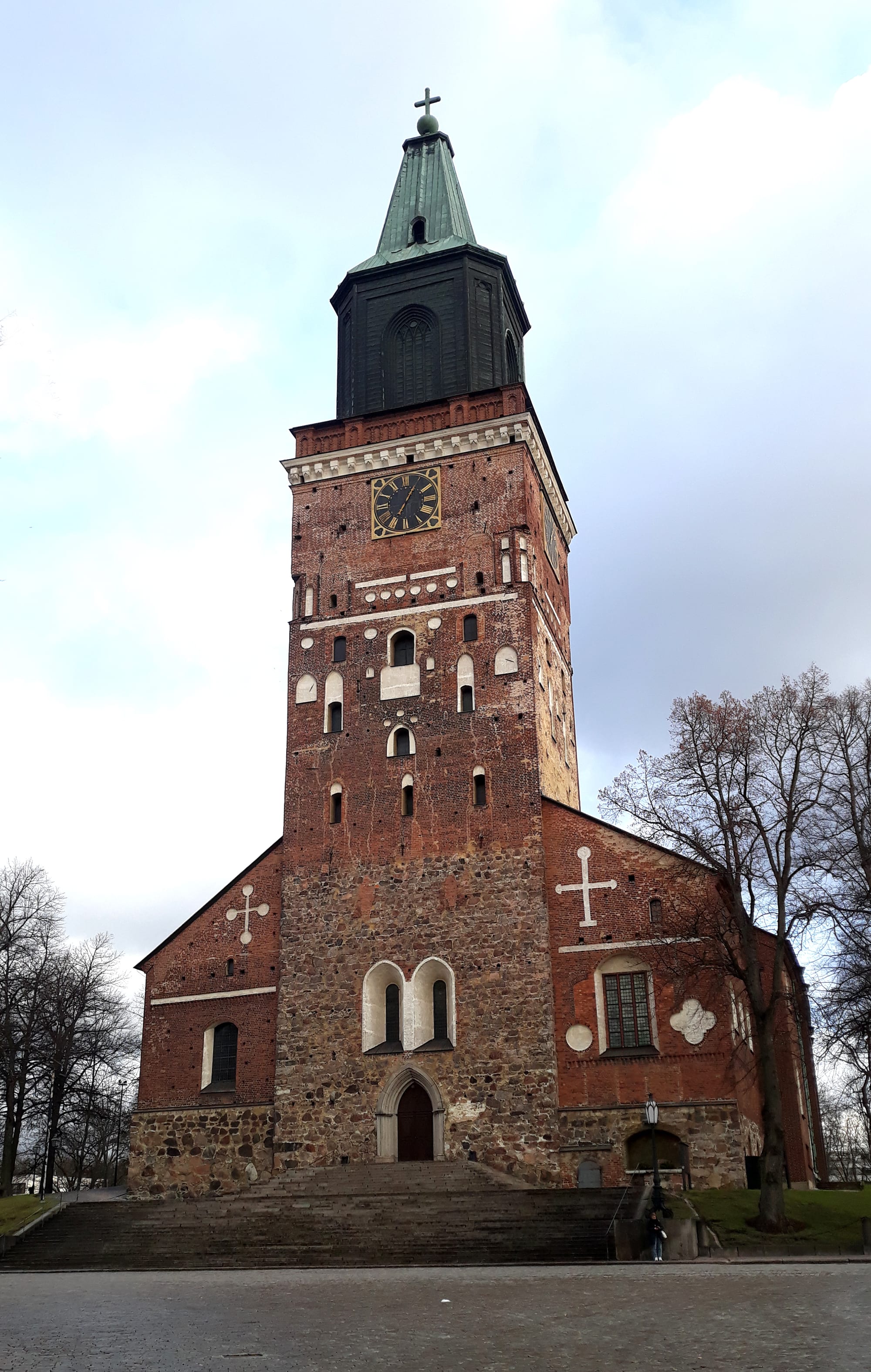
Turku, at the mouth of the Aura on the southwest coast, is Finland's oldest city and its capital until 1812. It has a 13th-century brick cathedral, a stout medieval castle by the harbour, riverside museums, and a lively student scene. Just offshore begins the Archipelago Sea, one of the densest island groups on earth — tens of thousands of skerries and islands threaded by the Archipelago Trail, a loop of small roads, bridges, and ferries popular for cycling.
Ferries from Turku also cross to the Åland Islands and on to Stockholm.
4. The Åland Islands
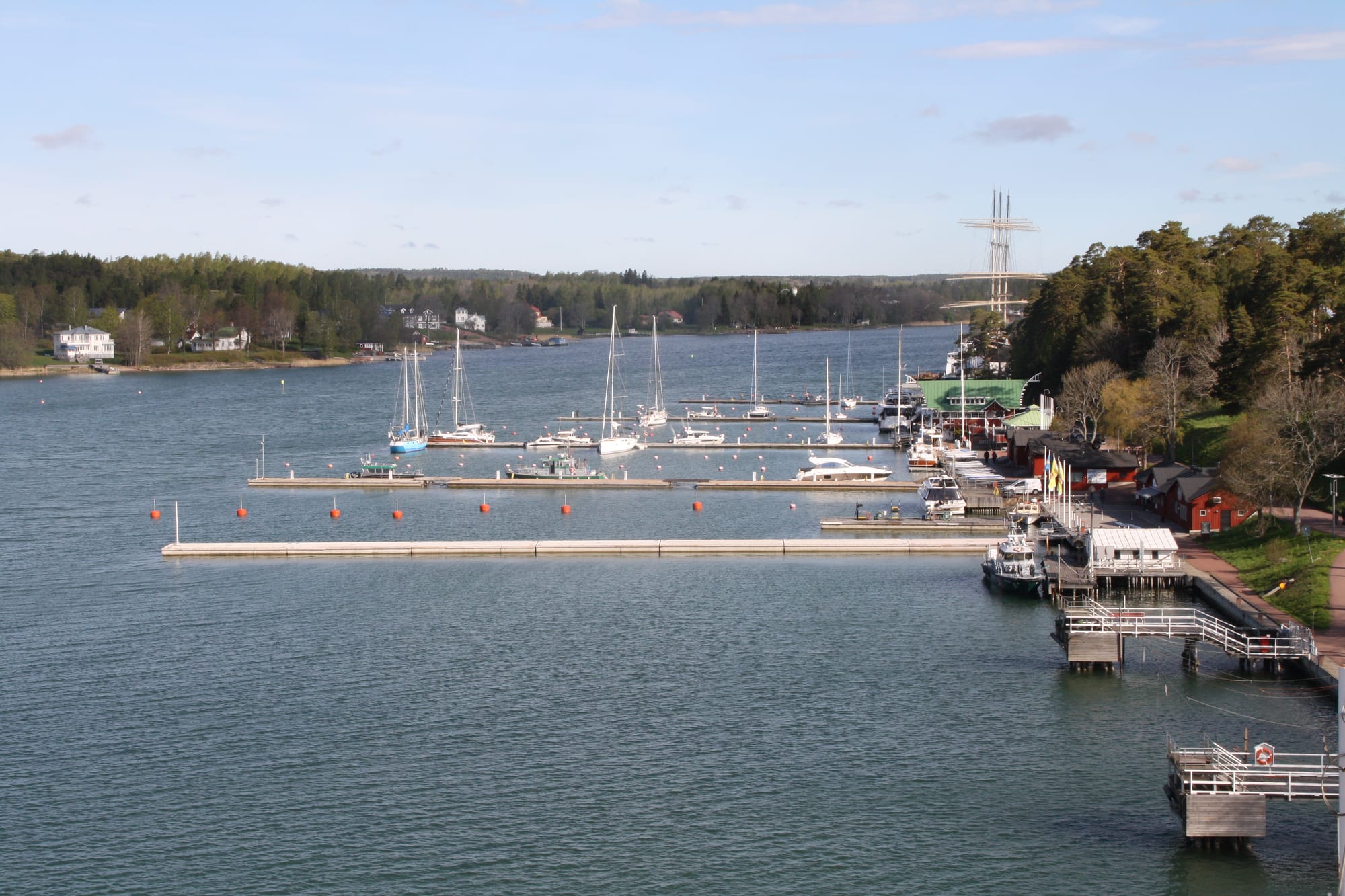
Åland is an archipelago of some 6,500 islands and skerries between Finland and Sweden — an autonomous, demilitarised, Swedish-speaking region of Finland with its own flag, stamps, and parliament. Mariehamn, the small capital, keeps the four-masted windjammer Pommern as a museum ship and has a good maritime museum; beyond it the islands are low, farmed, and ringed by water, linked by a network of inter-island ferries.
It is a cycling and sailing destination above all, reached by ferry from Turku or a short flight from Helsinki.
5. Porvoo
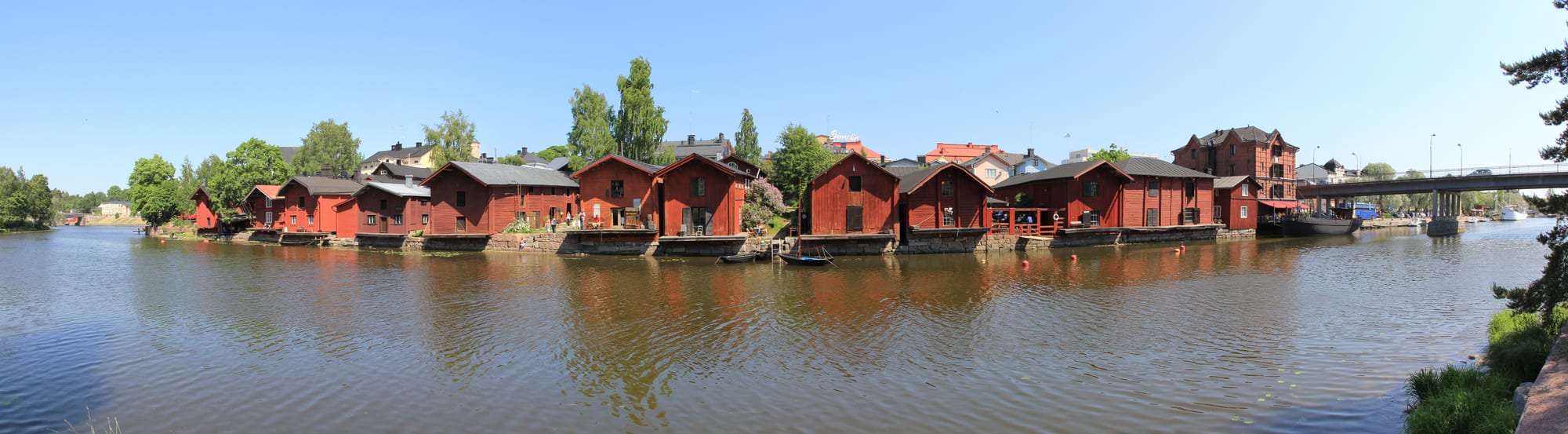
Porvoo, about 50 kilometres east of Helsinki, is often called Finland's second-oldest town and has its prettiest old quarter: a hill of narrow cobbled lanes and small wooden houses below a medieval stone church, and a line of rust-red former storehouses along the river. It is full of cafés, chocolatiers, and craft shops.
It makes an easy day trip from Helsinki.
6. The Lakeland and Olavinlinna
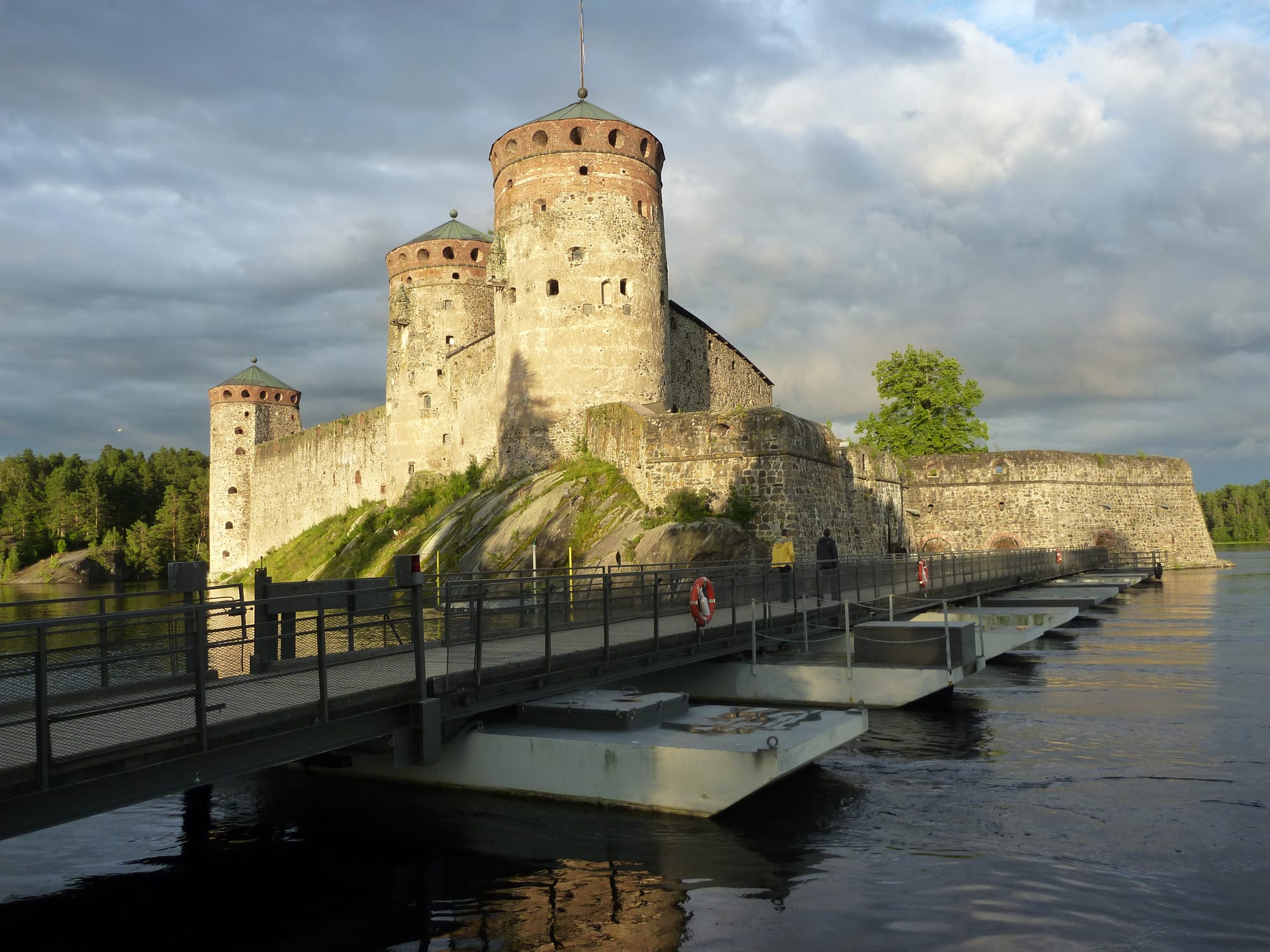
The Finnish Lakeland, filling much of the country's central east, is a maze of interconnected lakes, islands, ridges, and forest — the classic Finnish summer landscape of the lakeside cabin (mökki), the rowboat, and the wood-fired sauna. Its centrepiece is Olavinlinna at Savonlinna, a well-preserved medieval castle founded on an island in 1475 to guard the eastern frontier, which each summer hosts a celebrated opera festival in its courtyard.
Lake cruises, canoe routes, and the protected Punkaharju ridge are all within reach.
7. Lake Saimaa
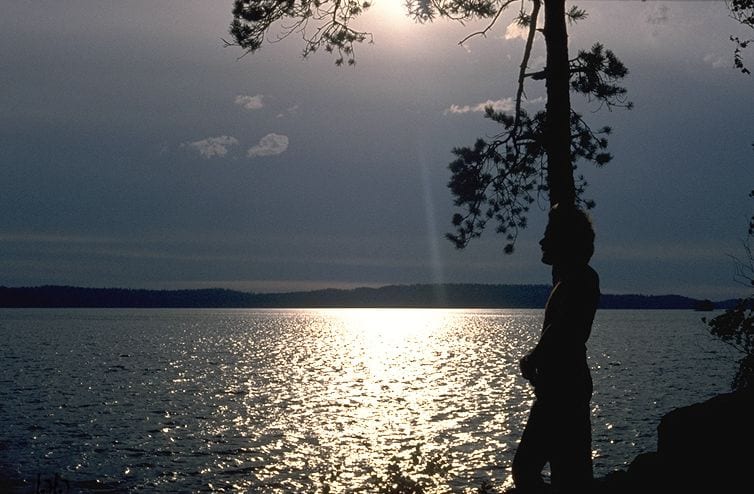
Saimaa is the fourth-largest natural freshwater lake in Europe and the heart of the Lakeland — about 4,300 square kilometres of open water and roughly 14,000 islands. It is the only home of the Saimaa ringed seal, a freshwater seal cut off here since the last Ice Age, of which only around 500 survive; Linnansaari and Kolovesi national parks, best explored by canoe, are the places to look for one. The Saimaa Canal links the lake to the Gulf of Finland.
Savonlinna, Lappeenranta, and Mikkeli are the main lakeside towns and cruise bases.
8. Koli National Park
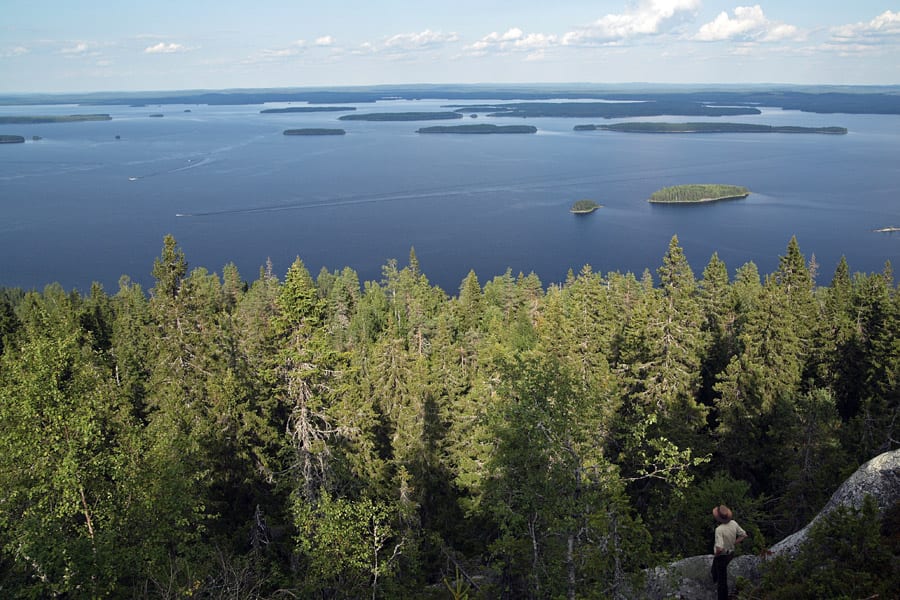
Koli, in North Karelia, is a low range of forested hills whose bare summits look east over the vast Lake Pielinen. The view from Ukko-Koli has been a symbol of Finnish landscape since the 19th century, painted by Eero Järnefelt and others and set to music by Sibelius. Trails run along the ridge and down through old-growth forest; in winter it is a small ski hill.
It lies within the municipality of Joensuu, with a hotel at the top of the hill.
9. Nuuksio National Park
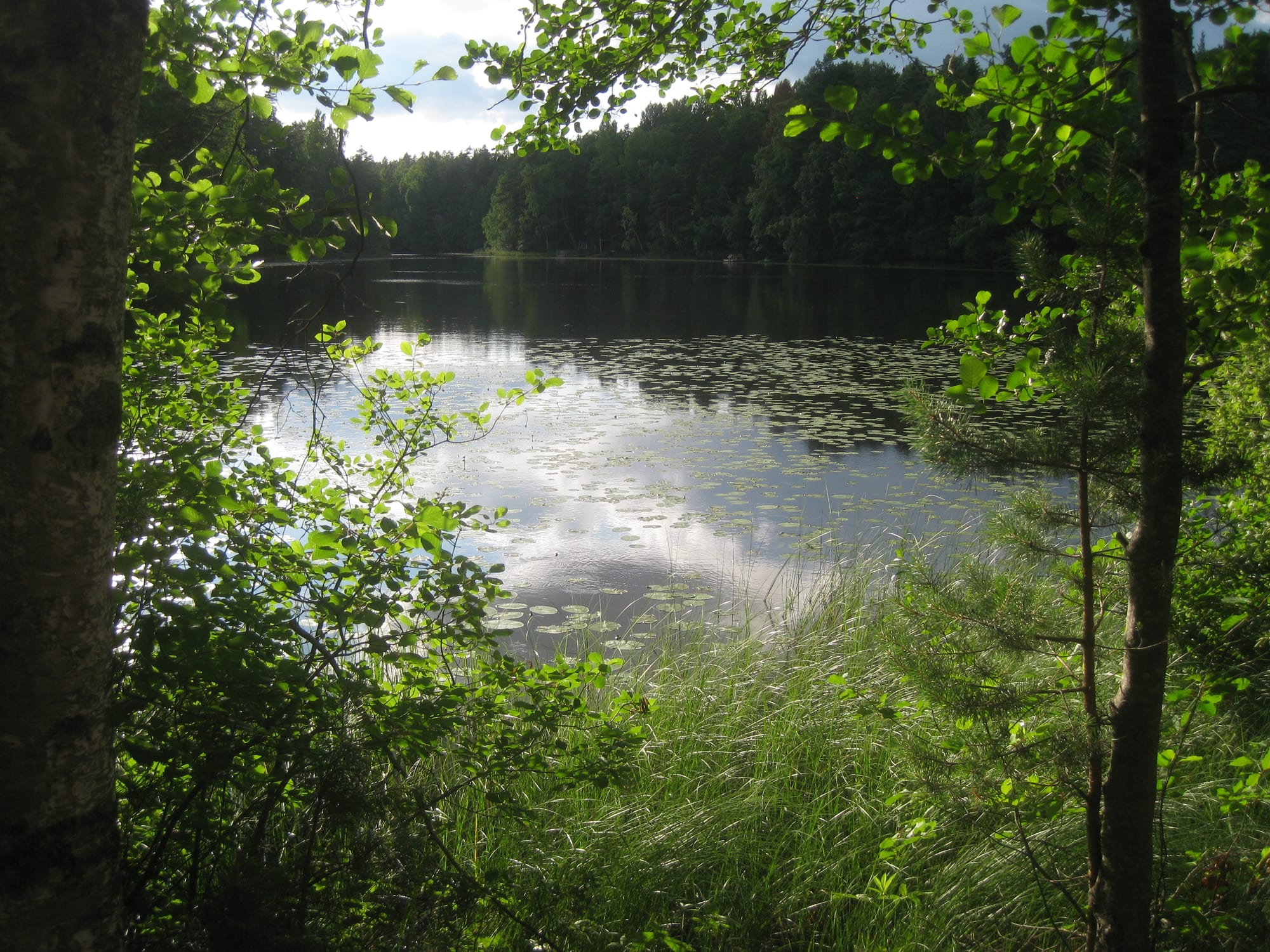
Nuuksio, less than 30 kilometres from central Helsinki, is the easiest taste of the Finnish forest: a rugged area of pine ridges, small dark lakes, bog, and boulder fields, with the endangered Siberian flying squirrel among its residents. Eight marked trails, from 1.5 to 17 kilometres, run through the park, the Haltia nature centre stands beside it, and there are lean-to shelters and campfire spots for a first go at Finnish outdoor life.
It is reached by bus from Espoo and makes a half-day escape from the city.
10. Rovaniemi and Lapland
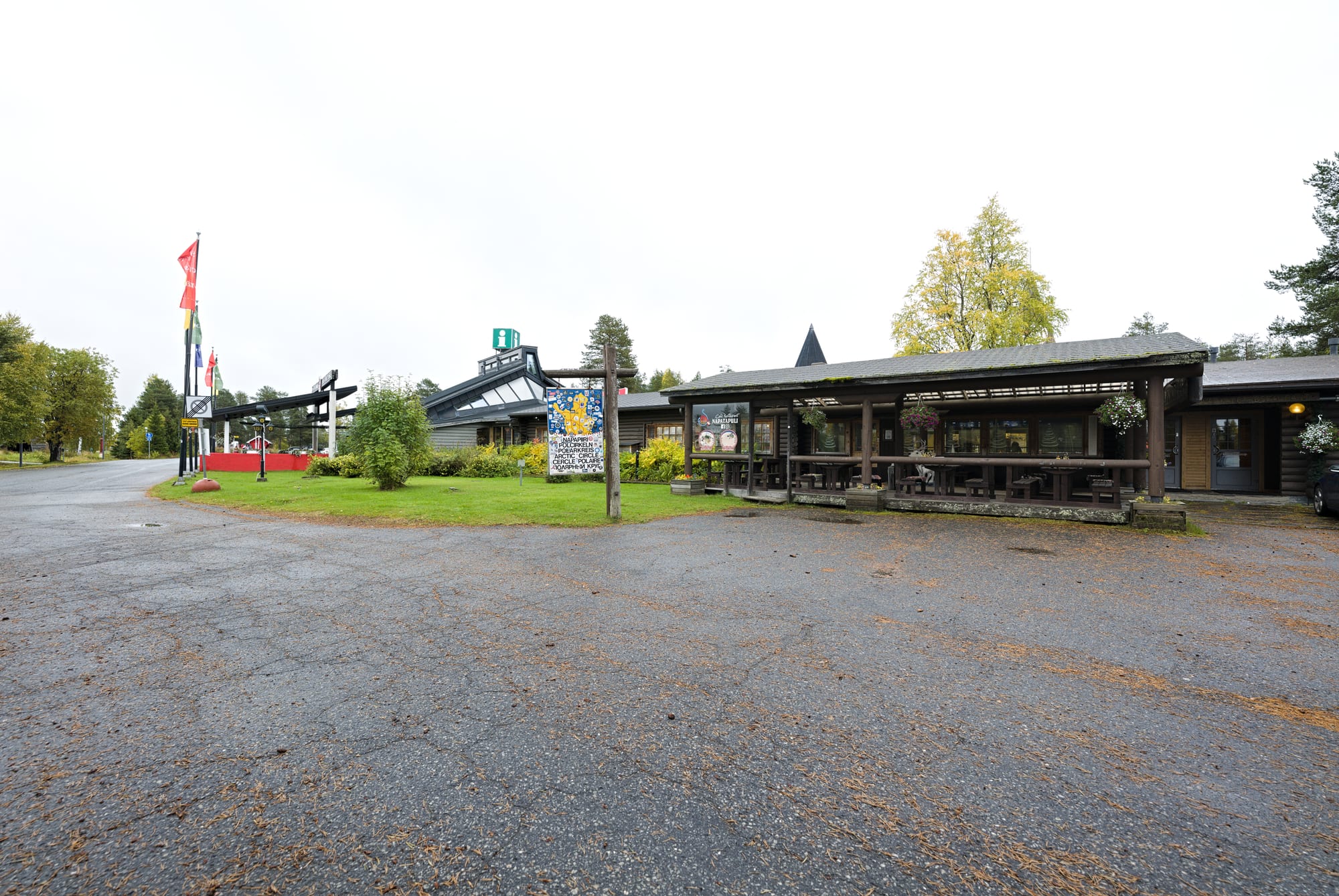
Rovaniemi, rebuilt to an Alvar Aalto plan after its destruction in 1944, is the capital of Finnish Lapland and the main gateway north. On its edge, right on the Arctic Circle, is Santa Claus Village, an all-year Christmas complex where visitors meet Santa, cross the Circle line, and send post from his office. In town, the excellent Arktikum museum covers Arctic nature and Sámi culture.
From here, winter trips run to husky and reindeer farms, snowmobile safaris, and the ski resorts of Levi, Ylläs, and Saariselkä further north.
11. The northern lights and the Lapland wilderness
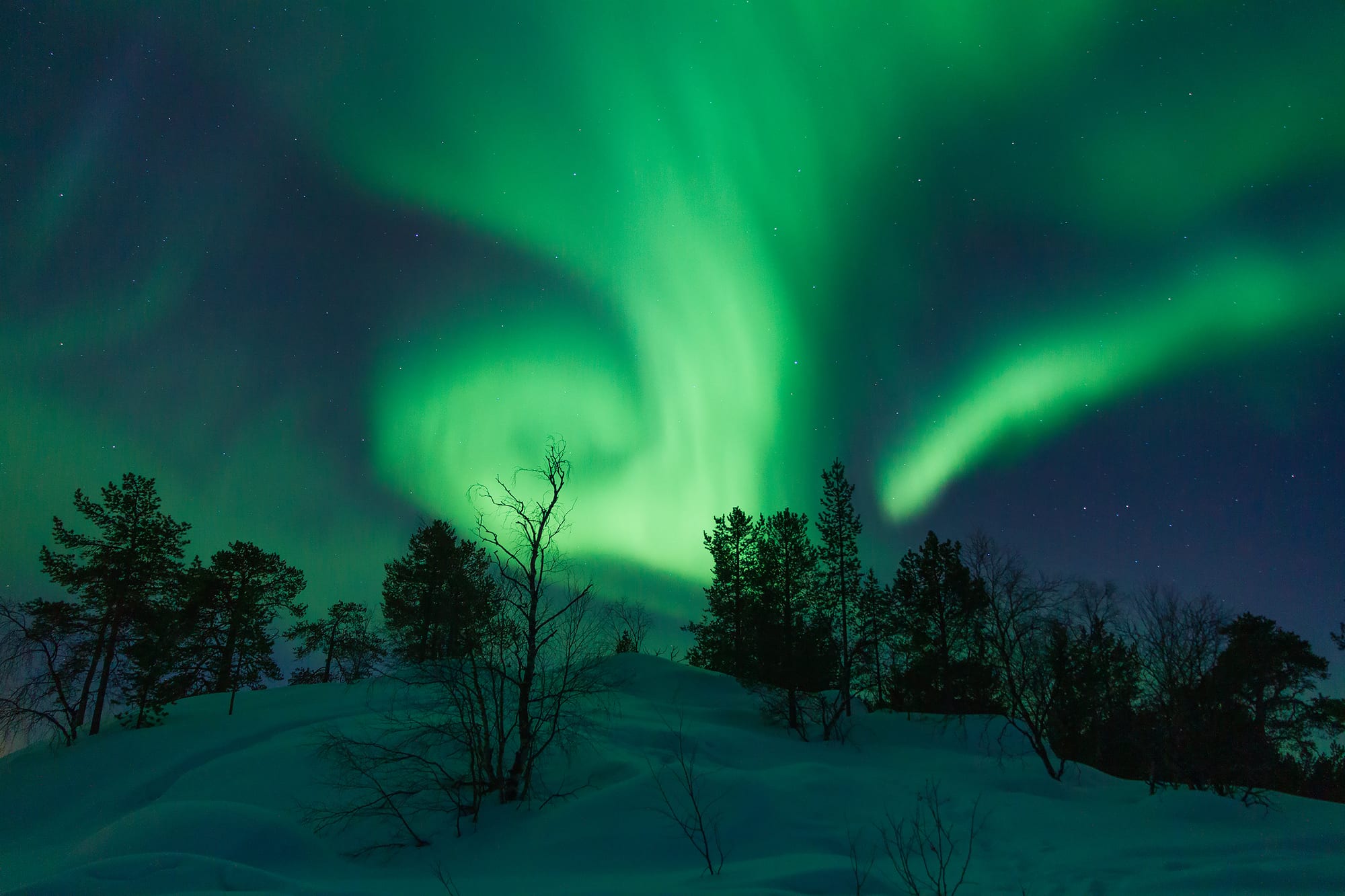
In the far north the aurora is often visible on clear, dark nights from September to March. The best bases are away from town lights: Inari and Lake Inari, the Sámi cultural centre Siida, the fells of Saariselkä and the vast Urho Kekkonen National Park, and Kilpisjärvi in the northwestern arm. Glass-roofed cabins and "aurora bubbles" allow watching from bed.
This is also Finland's emptiest region — reindeer herding, autumn ruska colours, midnight sun in June, and long ski and hiking routes through Pallas-Yllästunturi and other northern parks.
A first trip usually pairs Helsinki with either the southwest (Turku, the archipelago, Porvoo) or a few days in the Lakeland. Lapland is a separate journey, best in winter for snow and aurora or in late summer for hiking; it is a short flight or an overnight train from Helsinki.