Food · France
France: Food and the National Dish
A humble beef-and-vegetable stew at the heart of one of the world's most codified food cultures, built on regional terroir, bread, cheese and wine
By Globeway Editorial · 30 September 2026
A cuisine built on region, technique and time
French food is less a single style than a set of shared principles — fresh, seasonal ingredients tied to a specific region's terroir, and a long tradition of technique passed down through professional kitchens and home cooks alike — applied differently from Normandy to Provence. In 2010, UNESCO recognised "the gastronomic meal of the French" as intangible cultural heritage, a rare acknowledgment of food not as a single dish but as a whole shared social ritual.
The national dish: pot-au-feu
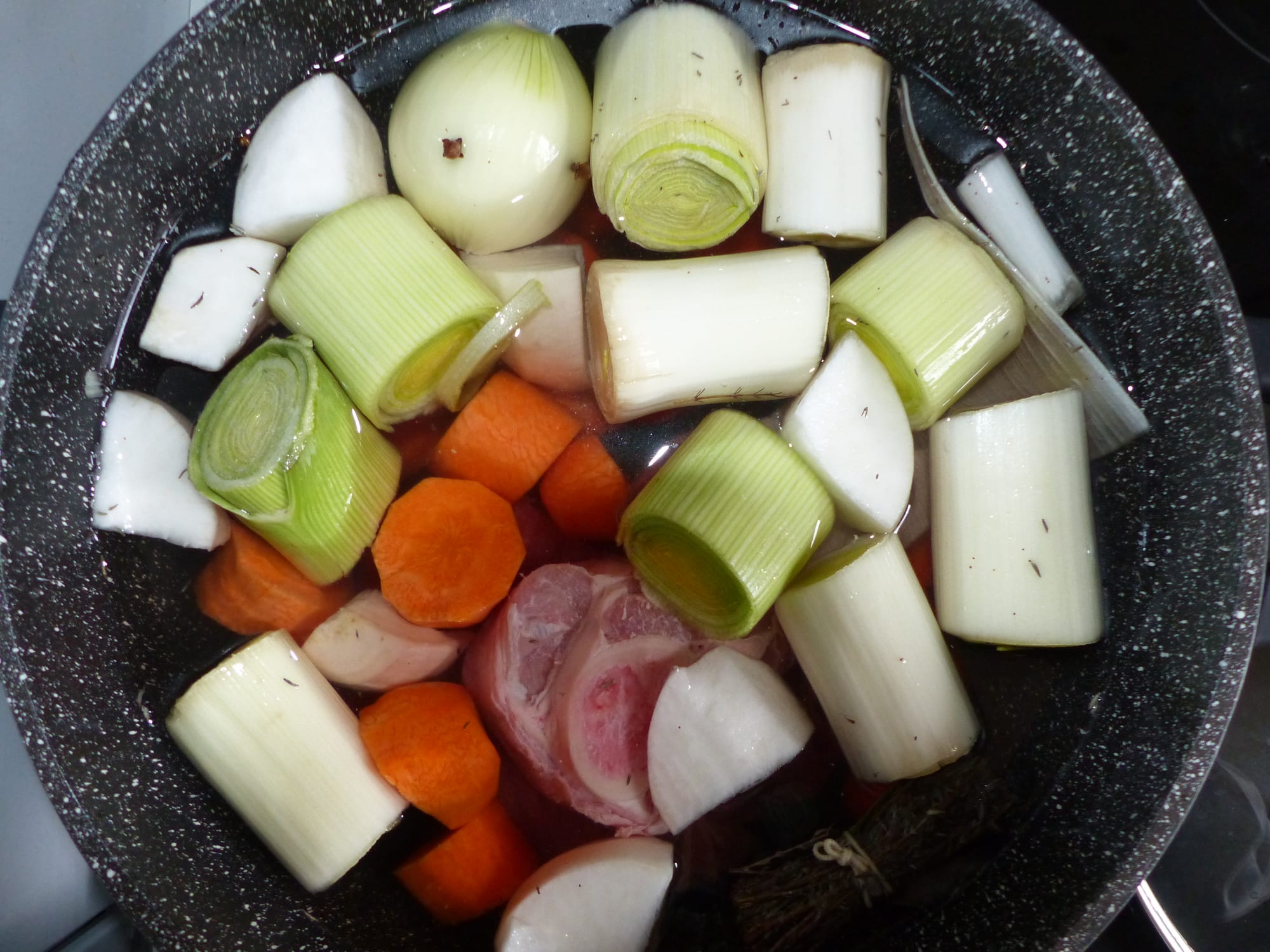
Pot-au-feu, beef slowly simmered with vegetables and herbs in a large pot until both broth and meat are tender, is widely regarded as France's national dish — plain, home-style cooking rather than haute cuisine, and for that reason often named as the dish that best represents everyday French eating. It is traditionally served in two courses, the broth first, then the meat and vegetables together, and remains a familiar dish of French home cooking.
Bread, cheese, butter and wine
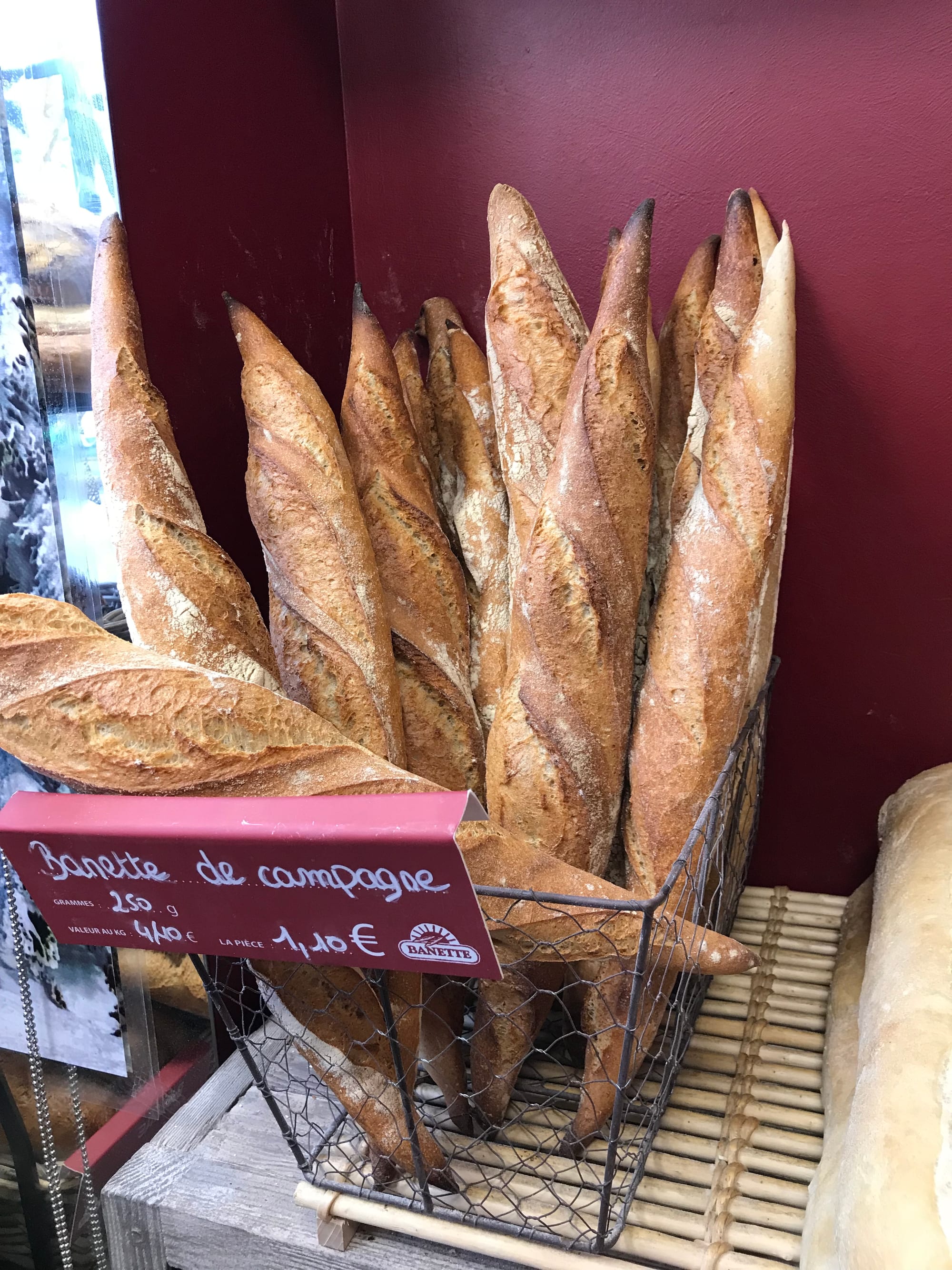
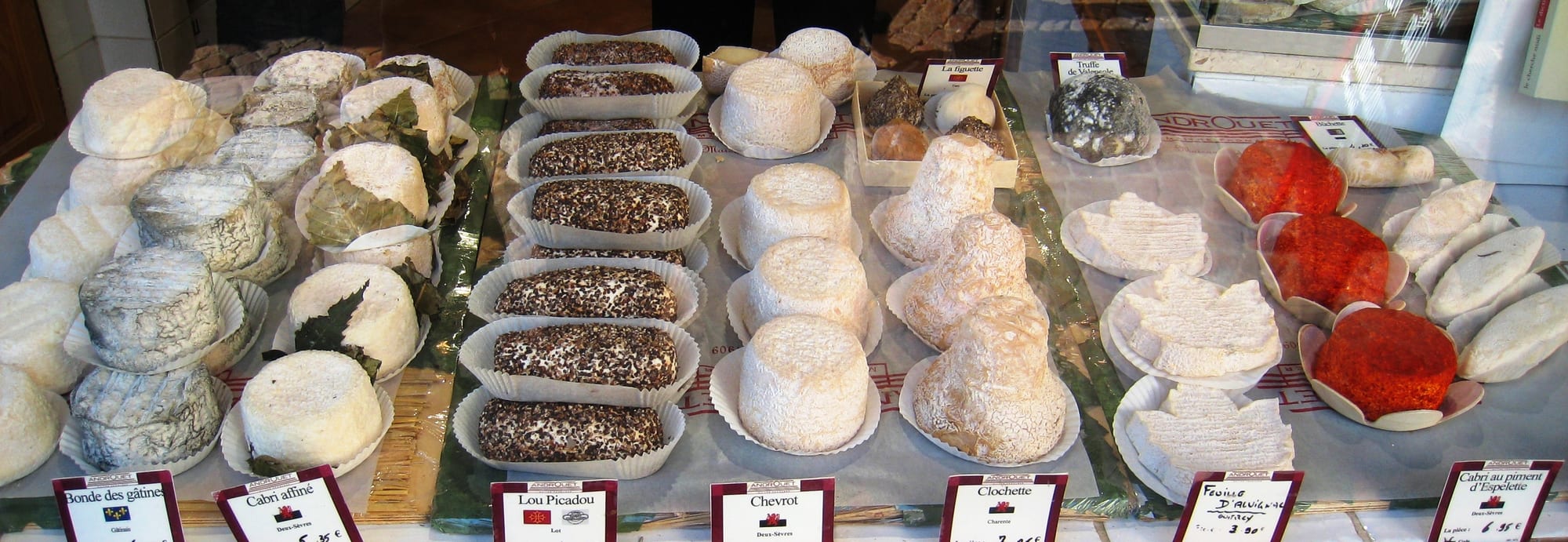
Bread, above all the baguette, bought fresh and often daily from a local boulangerie, sits at the centre of French food culture, alongside a cheese tradition so regionally varied that France produces hundreds of distinct cheeses, by some estimates more than a thousand. Butter, particularly the renowned butter of Normandy and Brittany, and wine, tied closely to the Appellation d'Origine Contrôlée system that ties a wine's name to the specific region it comes from, complete the everyday table.
History behind the technique
Much of what defines French cooking today was codified in professional kitchens over the 19th and 20th centuries, by chefs such as Marie-Antoine Carême and, most famously, Auguste Escoffier, who codified the five mother sauces and organised the kitchen brigade system still standard in many restaurants today. At the same time, France's food remains deeply regional, shaped by geography and history long before any of it was written down — coastal Brittany and Normandy built around butter, cream and seafood; the Mediterranean south around olive oil, herbs and tomatoes; Alsace carrying a distinct Germanic influence from its history on the border.
A country of regional kitchens
Lyon, often called France's gastronomic capital, sits at the crossroads of several regional traditions and is known for its bouchons, small traditional restaurants serving rich, meat-forward Lyonnaise cooking such as sausages and duck pâté, while Provence leans lighter, driven by olive oil, garlic and fresh vegetables — a genuinely different French kitchen from the butter-and- cream cooking further north.
Dishes to know
Five more to recognise across France:
- Boeuf bourguignon — beef braised in red wine, a Burgundian dish that
has become a national classic in its own right.
- Coq au vin — chicken braised in wine, usually a red Burgundy, with
lardons, mushrooms and onions; the name means rooster with wine.
- Ratatouille — a Provençal stewed vegetable dish of tomato, courgette,
aubergine and pepper.
- Quiche lorraine — an open pastry tart of egg, cream and lardons,
originating in the Lorraine region.
- Croissant — a laminated, buttery pastry, now eaten across France as an
everyday breakfast staple.
Drinks
Wine is woven into French meals more as an accompaniment than a separate event, governed by the AOC system that ties each wine's name and style to a specific region. Champagne, from its namesake region in the northeast, remains France's best-known sparkling wine internationally, and coffee, taken strong and often in small servings, punctuates the day from morning to after dinner.
Eating as a traveller
Vegetarians will find more limited options in traditional French restaurants than in most Western European countries, though cities and larger towns have expanded their choices considerably in recent years. Tap water is safe throughout the country. Service is included in French restaurant prices (service compris), so tipping beyond rounding up is a gesture for good service, not an expectation.
What to take from the table
Pot-au-feu, simple and unhurried, is the dish that best explains French food at its core — but the real lesson of eating in France is how much a dish's identity depends on exactly which region's table it comes from.