Attractions & Natural Wonders · The Gambia
The Gambia: Eight Attractions and Natural Wonders
A country that is really a river — mangrove creeks full of birds, a slave-trade island in midstream, rescued chimpanzees on forest islets, and a short Atlantic coast of fishing beaches
By Worldlore Editorial · 30 September 2026
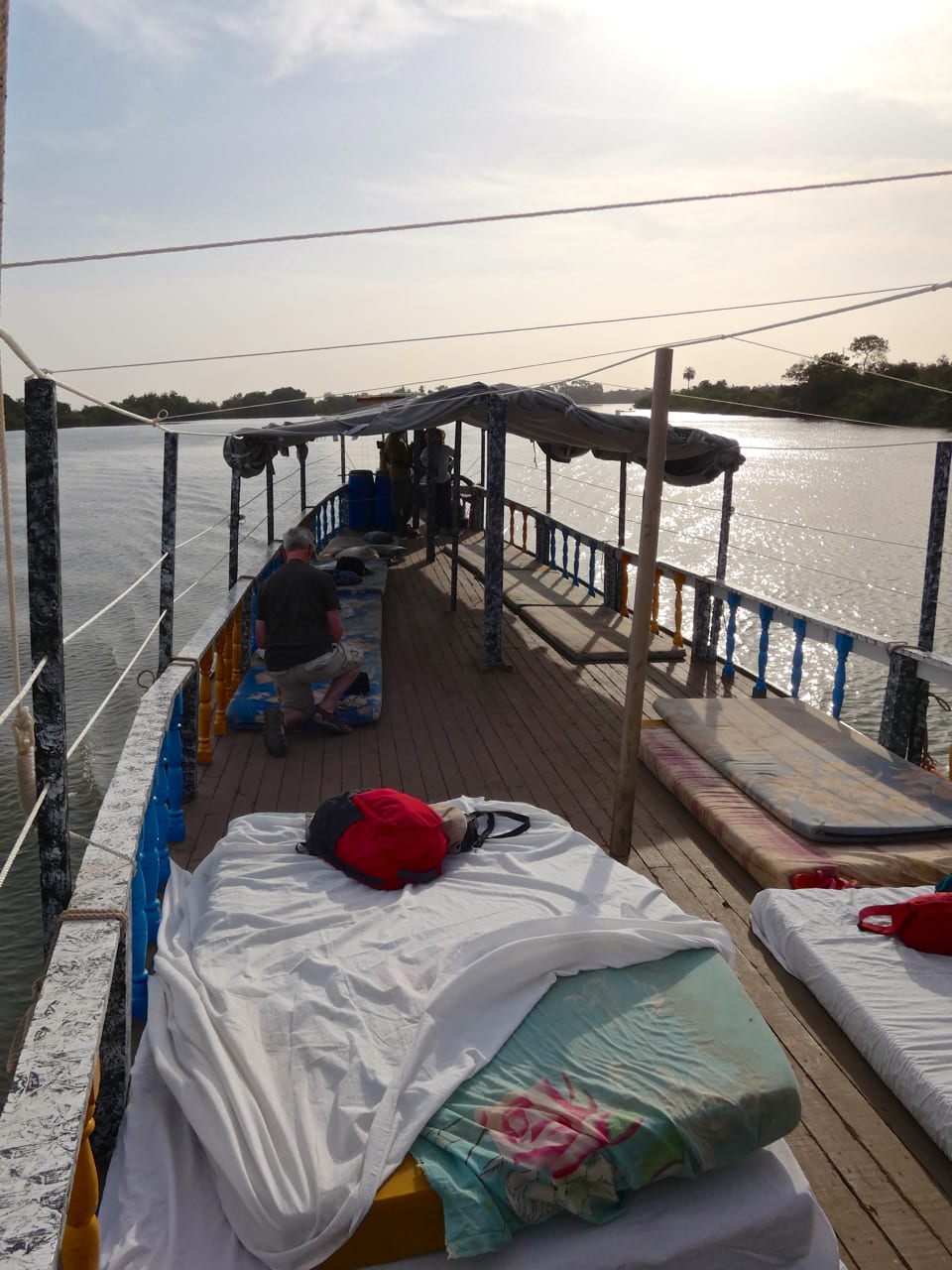
A river with a country around it
The Gambia is the smallest country on mainland Africa — a ribbon of land, less than 50 kilometres wide at its widest, following the River Gambia inland for hundreds of kilometres and surrounded on three sides by Senegal. Most of its 2.4 million people live near the coast, around the capital Banjul and the much larger town of Serekunda. It is flat, hot, and English-speaking, with a long tradition of package tourism from northern Europe in the cool, dry winter — earning it the nickname "the smiling coast" — and superb birdlife: more than 500 species in a tiny area.
The eight below run from the Atlantic beaches up the river. The dry season (November to mid-April) is the time to go; the rains from June to September are heavy.
1. The River Gambia and River Gambia National Park
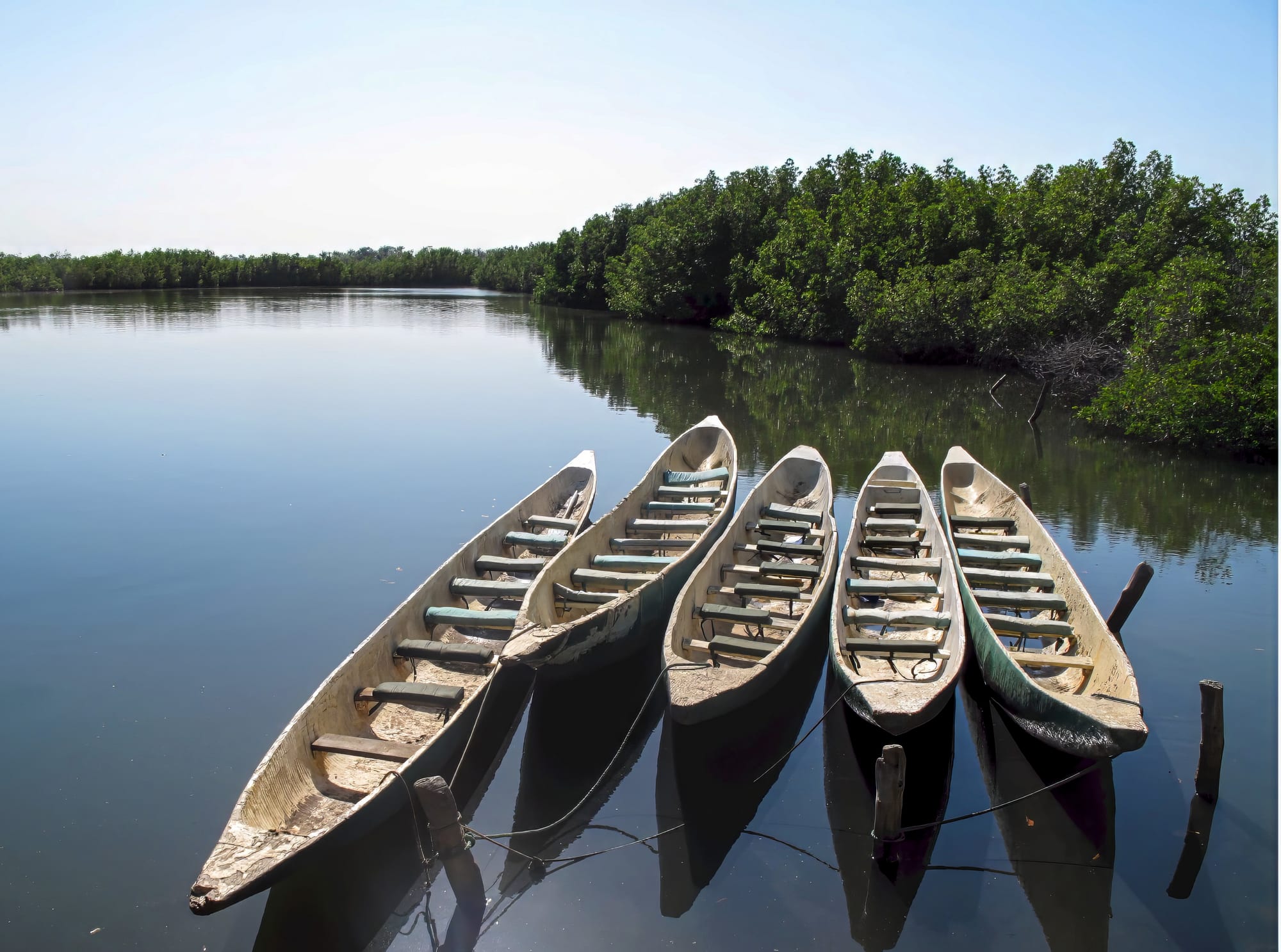
The river is the country's spine and its best attraction — a highway of brown water, mangrove tunnels, and creeks (bolongs) alive with kingfishers, herons, fish eagles, and, upriver, the occasional hippo and the rare West African manatee. Midway upstream, the River Gambia National Park protects the "Baboon Islands", where the Chimpanzee Rehabilitation Project has returned orphaned and confiscated chimps to the wild since 1979; landing is not permitted, but boats pass close.
River cruises and stays at riverside camps such as Tendaba, on the south bank, are the way to experience it.
2. Kunta Kinteh Island
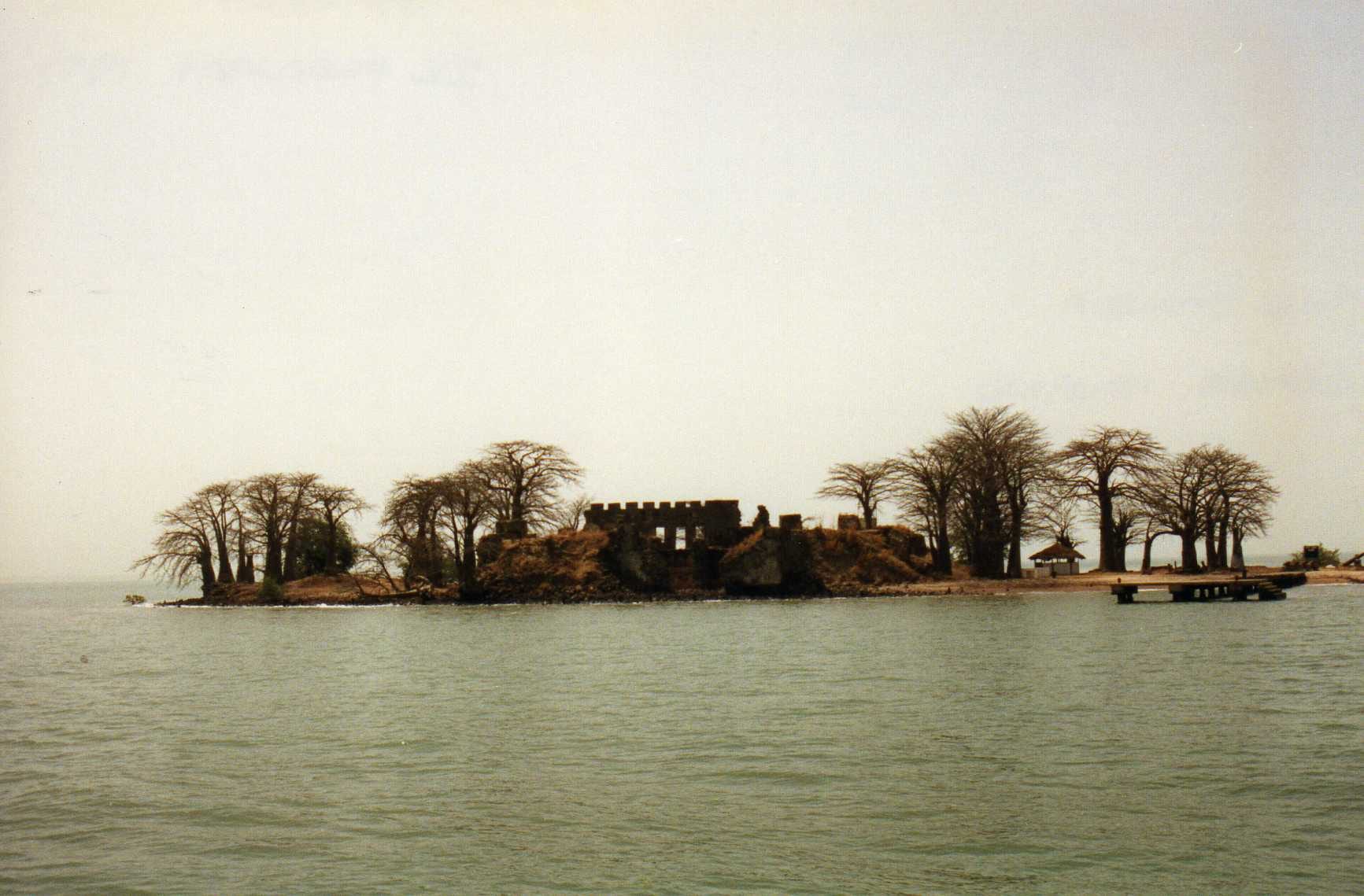
This small, eroding island, 30 kilometres from the river mouth, held a fort fought over by Courlanders, the Dutch, the English and the French, and used for centuries in the transatlantic slave trade. Renamed in 2011 after Kunta Kinte, the ancestor in Alex Haley's Roots, it is a UNESCO World Heritage Site along with related sites on the banks — a ruined Portuguese chapel and a colonial warehouse at Albreda, the Maurel Frères Building at Juffureh, and Fort Bullen and the Six-Gun Battery at the river mouth.
It is visited by boat from Banjul or on a "Roots" day tour, often combined with Juffureh village.
3. Kachikally Crocodile Pool
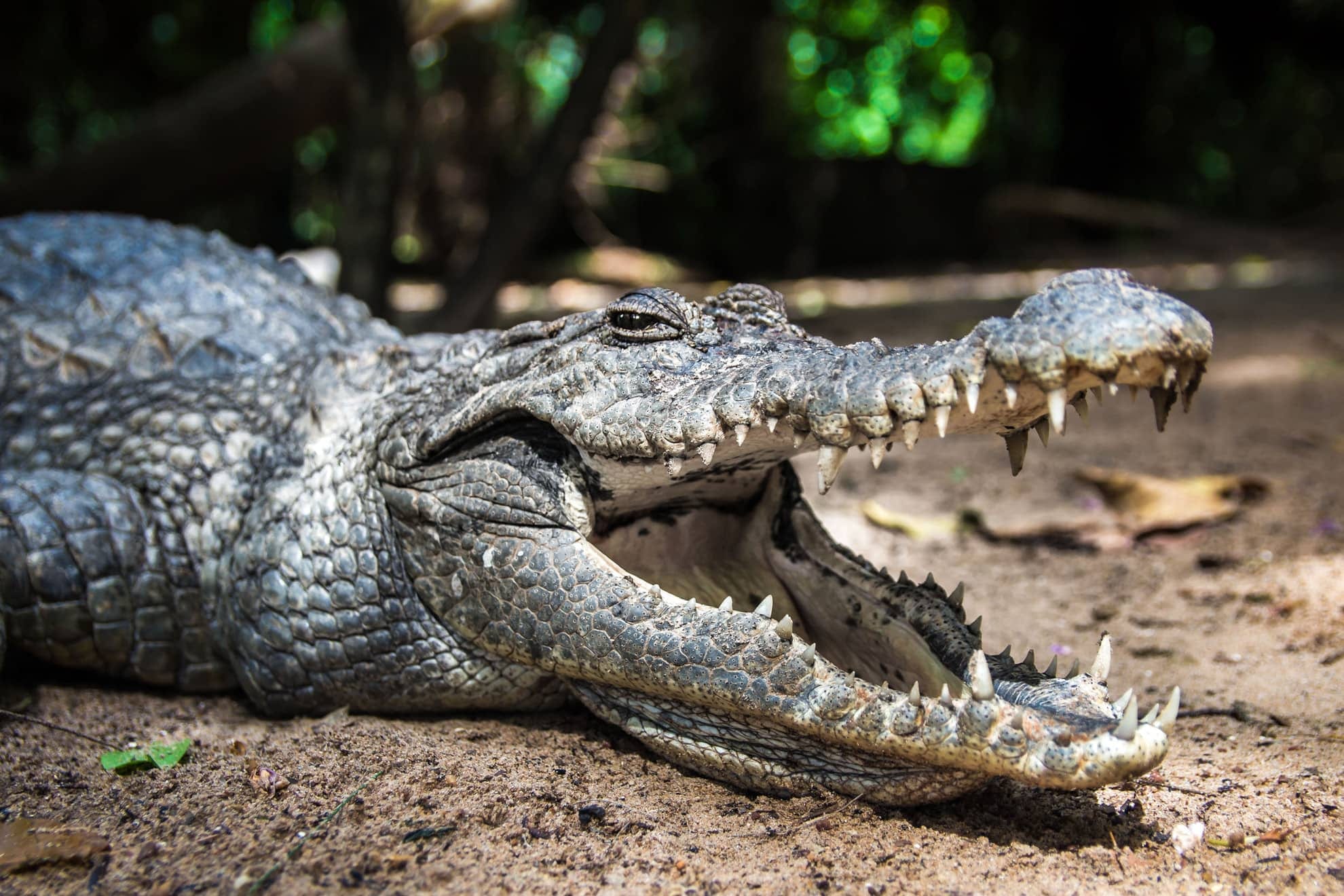
In the coastal town of Bakau, a spring-fed pool in a patch of sacred forest is home to around 80 crocodiles, owned by the Bojang family and used as a site for fertility rituals. Habituated to people, some of the larger animals can be approached and even touched under guidance. A small museum covers Gambian traditional culture.
It is a short taxi ride from the tourist strip and usually combined with the Bakau craft market.
4. Abuko Nature Reserve
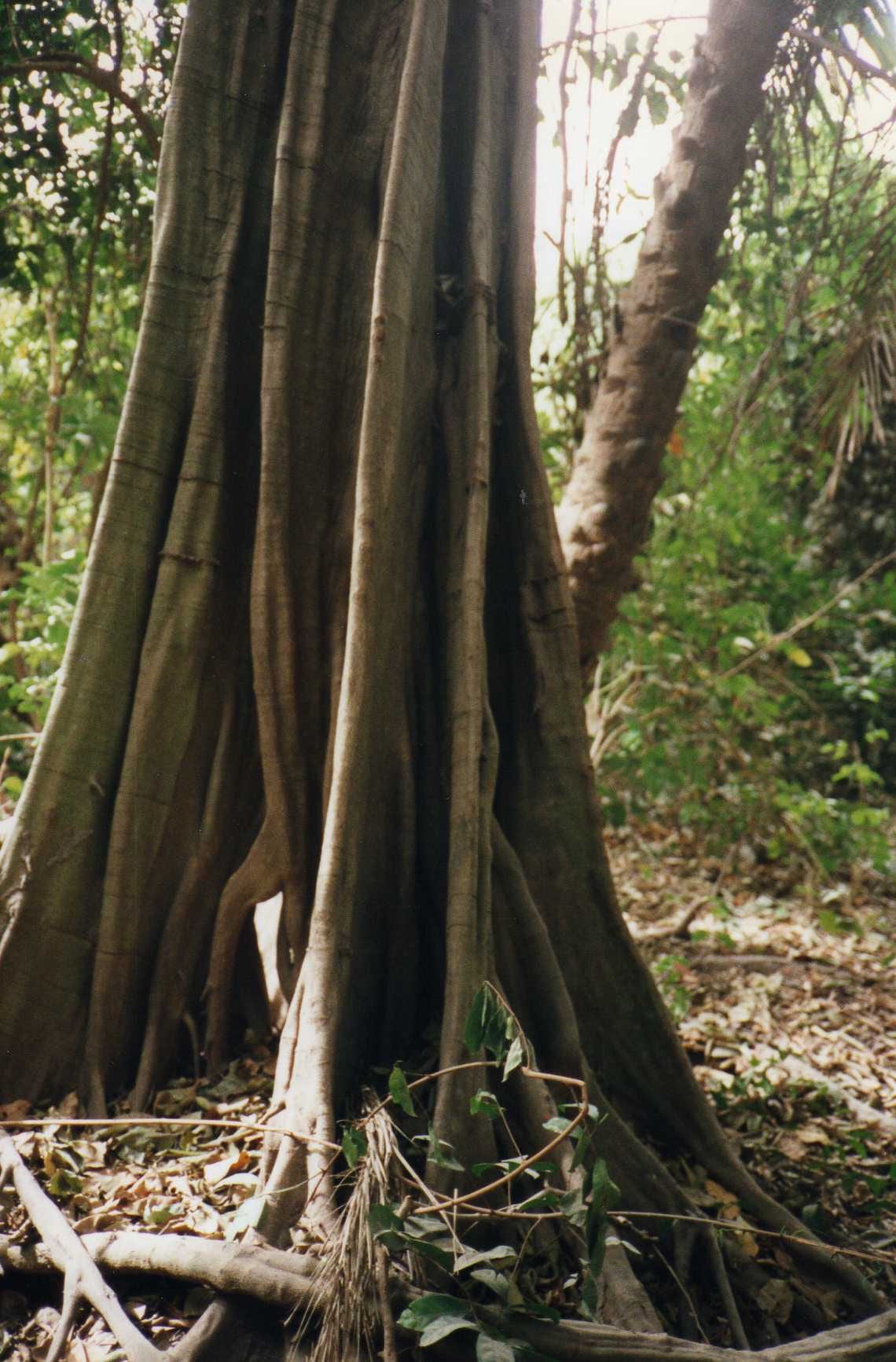
Abuko, a short drive inland from the coast, is a small but exceptional reserve of riverine gallery forest and savanna along a stream. A shaded loop trail passes a crocodile pool, hides overlooking the water, and an animal-rescue enclosure, with good chances of seeing red colobus and vervet monkeys, monitor lizards, and a long list of forest birds — hornbills, turacos, kingfishers — in a couple of hours.
It makes an easy half-day and a good introduction to Gambian wildlife.
5. Bijilo Forest Park
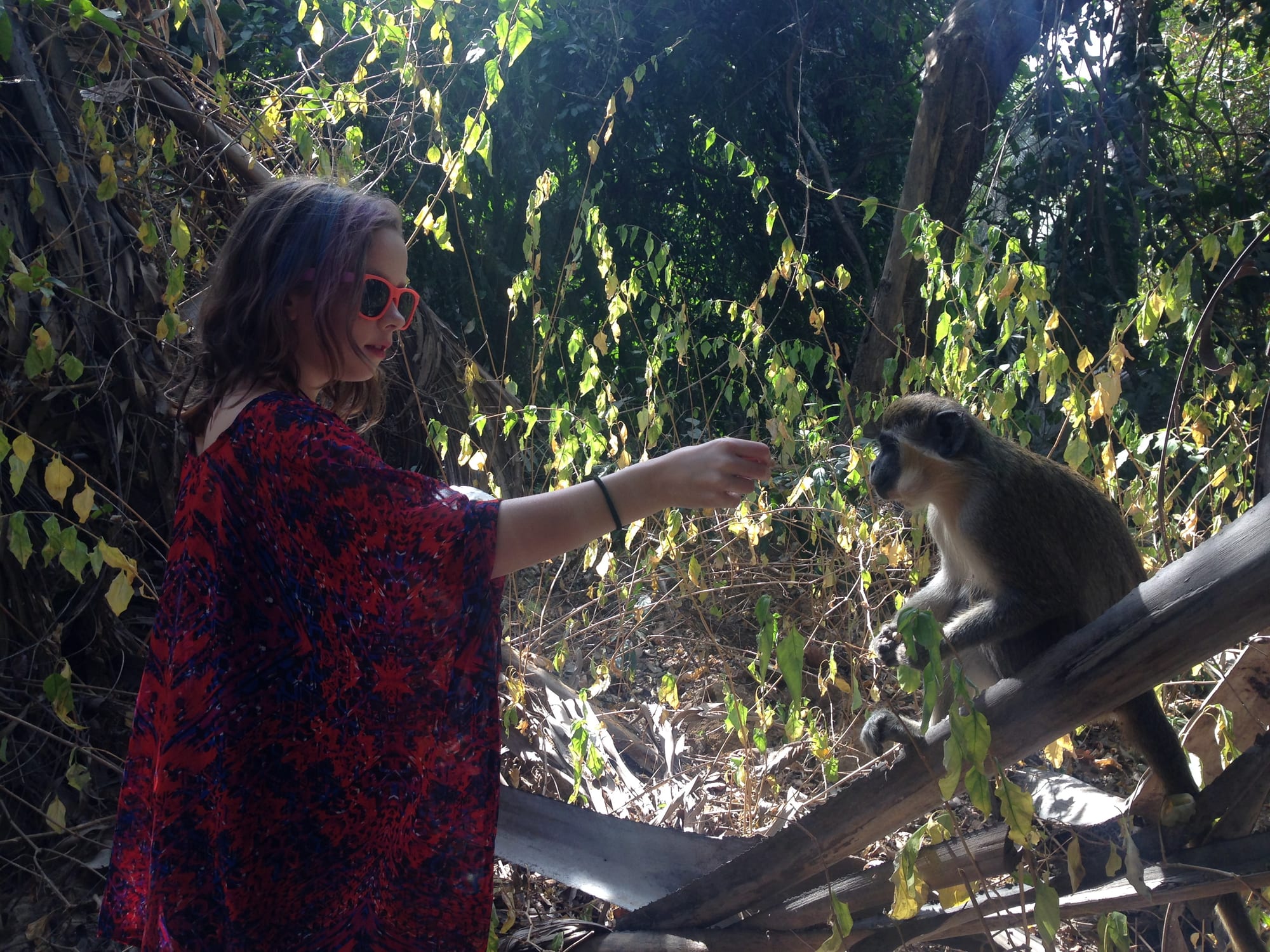
Right next to the Senegambia hotel strip, Bijilo (often known as the Monkey Park) is a small coastal woodland of rhun palms and scrub with a nature trail. Green monkeys, red colobus, and patas monkeys are used to visitors — feeding them is officially discouraged — and the ocean-side path gives a break from the beach. Birdlife is good in the early morning.
An hour or so is enough; it is walkable from most Kololi hotels.
6. The Wassu stone circles
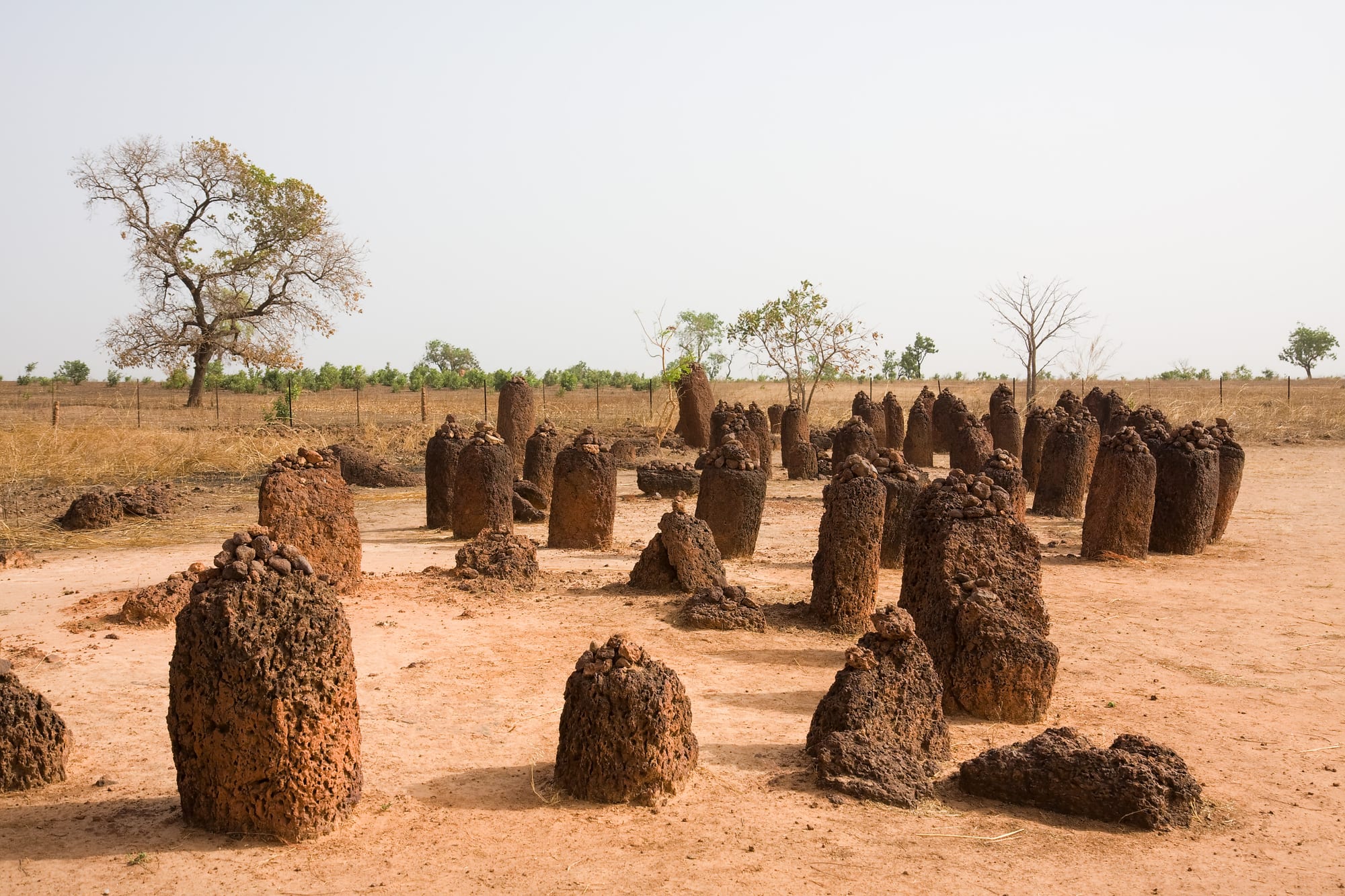
Near Kuntaur, on the north bank of the river well upstream, stand the finest of the more than 1,000 stone circles scattered across the Gambia–Senegal border region. Built between the 3rd century BC and the 16th century AD over burial mounds, the Wassu group has the tallest stone, about 2.6 metres, quarried and shaped from laterite; a small museum explains the little that is known. It forms part of the Stone Circles of Senegambia, inscribed as a UNESCO World Heritage Site in 2006.
It is a long drive or a river-cruise stop, usually paired with the Baboon Islands.
7. Tanji and the fishing coast
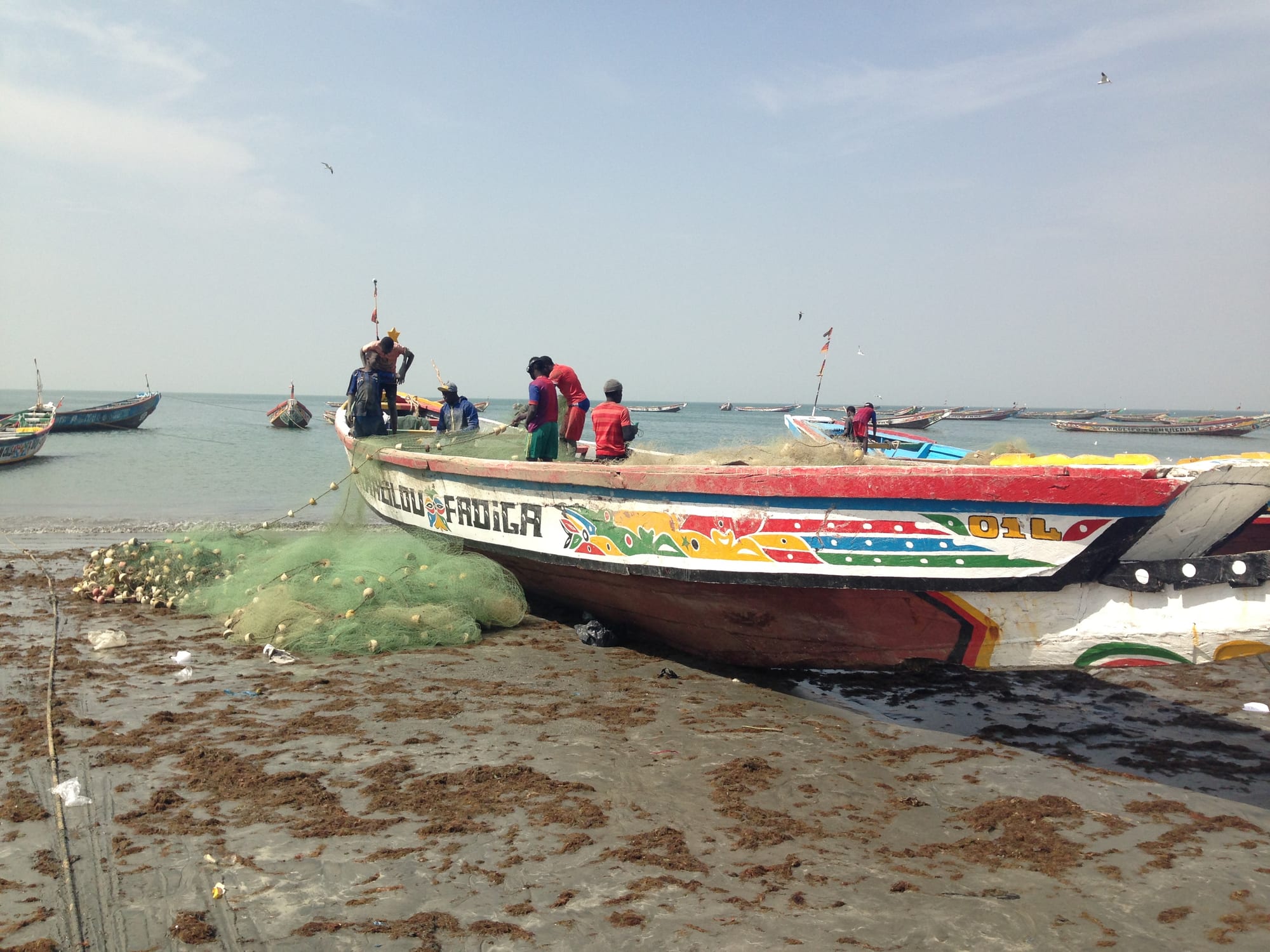
Tanji, south of the resorts, is primarily a fishing town: long painted pirogues run up onto the sand, women crowd the waterline to buy and smoke fish, and the noise and colour are constant, especially late afternoon when the boats come in. There is a village museum of Gambian rural life and, just offshore, the Bijol Islands bird reserve.
Further south are the quieter beaches of Gunjur and Kartong, near the Senegal border.
8. Serekunda, Banjul, and the coast
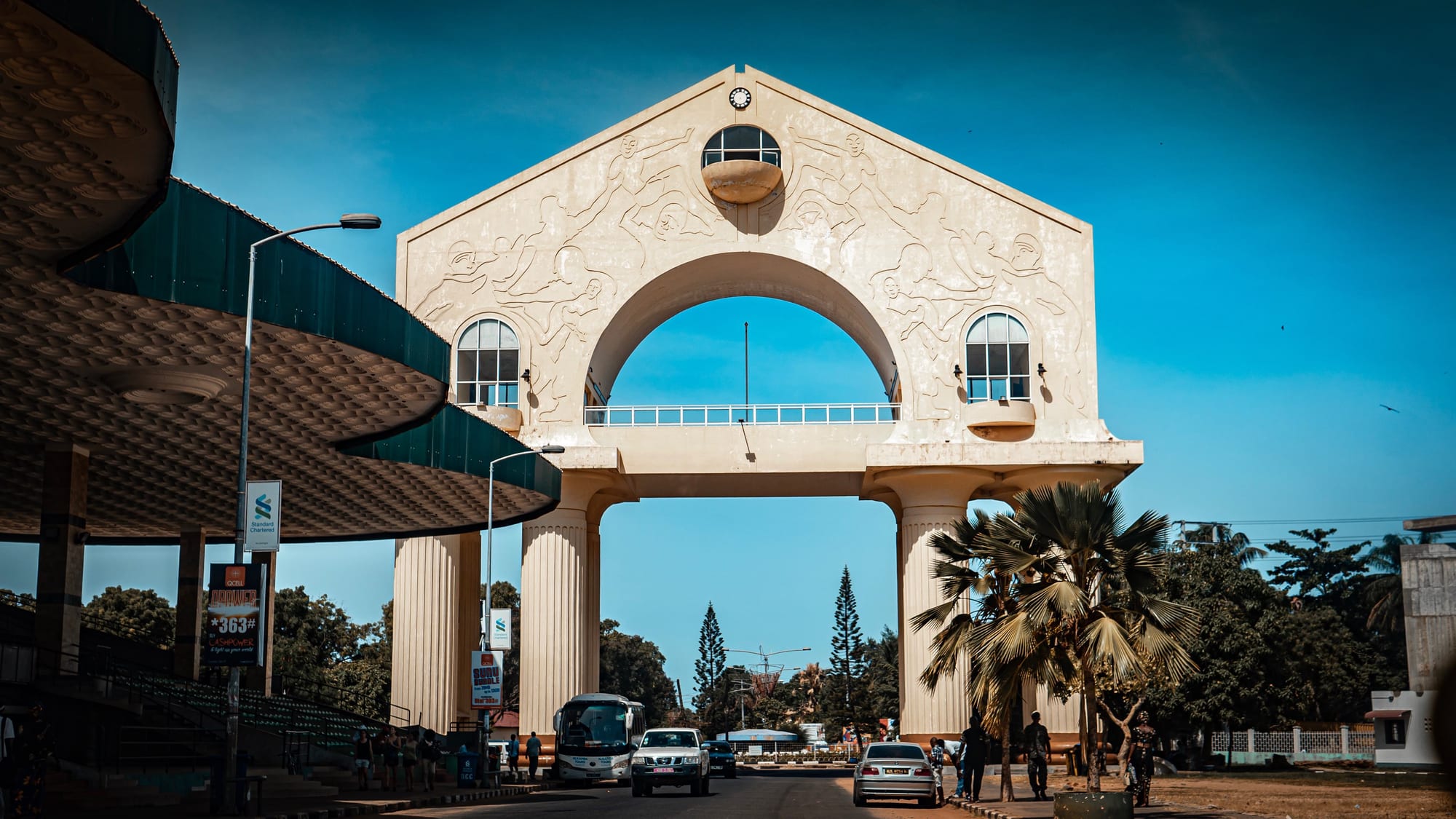
Serekunda, the largest town, has the country's biggest and most chaotic market — cloth, produce, hardware, everything. Nearby Banjul, the small capital on an island at the river mouth, has the Arch 22 monument, a modest national museum and the Albert Market; the beaches of Cape Point lie nearby in Bakau. The tourist heart, though, is the Kololi–Senegambia strip: a string of beach hotels, bars, and craft stalls where most visitors are based.
It is the easiest base, with the airport, the resorts, and day trips to everything above.
The Gambia is compact and low-cost. Many visitors stay a week on the coast with a day trip or two; adding an upriver cruise or a few nights at Tendaba or a Baboon Islands camp turns it into a proper birding and river trip of 10 days or more.