Food · Greenland
Greenland: Food and the National Dish
A simple meat soup that adapts to whatever the hunt brings home, and an Inuit food tradition built on seal, whale, fish and reindeer long before any of it was imported
By Worldlore Editorial · 30 September 2026
Food from the hunt, not the farm
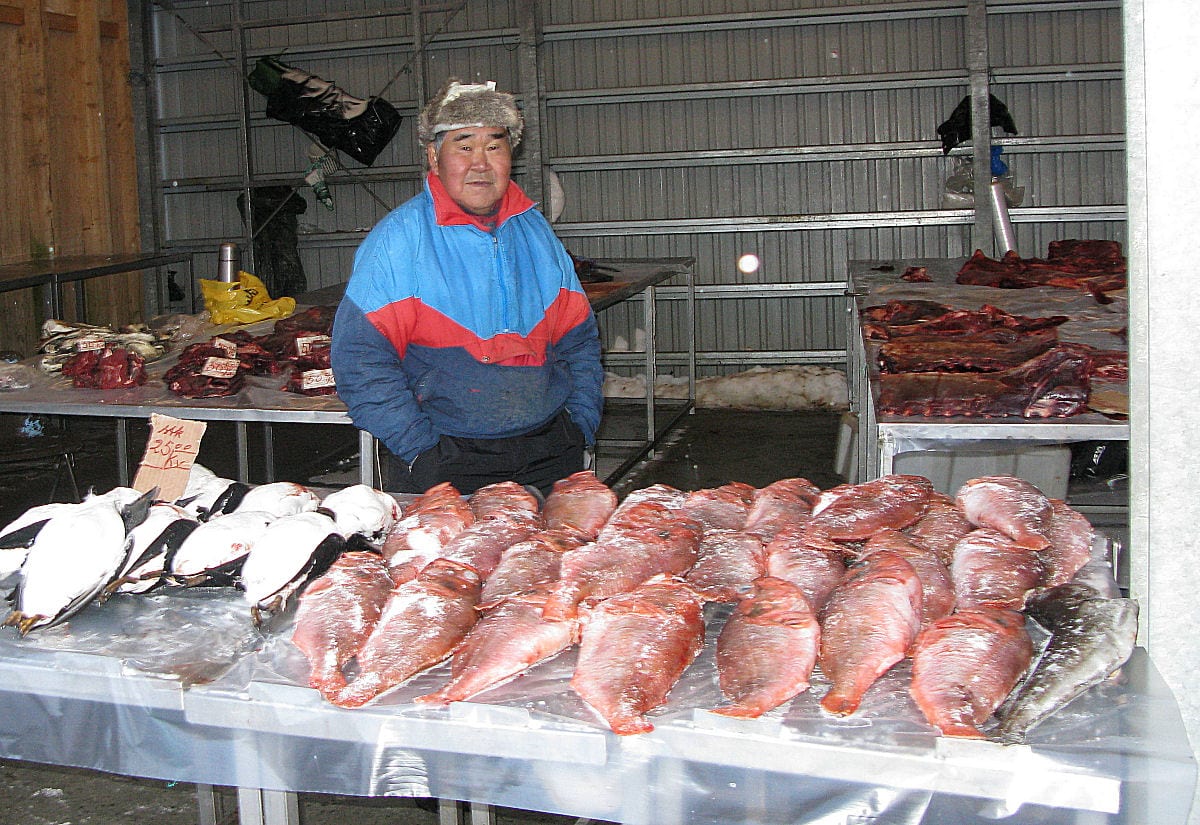
Greenland's Arctic climate makes farming nearly impossible across almost the entire country, so its food culture developed instead around hunting and fishing, a way of life that people in Greenland have followed for thousands of years and that the Kalaallit (Greenlandic Inuit) carry on today. Seal, whale, reindeer, muskox and a range of fish remain genuinely everyday food here, not a novelty kept for tourists.
The national dish: suaasat
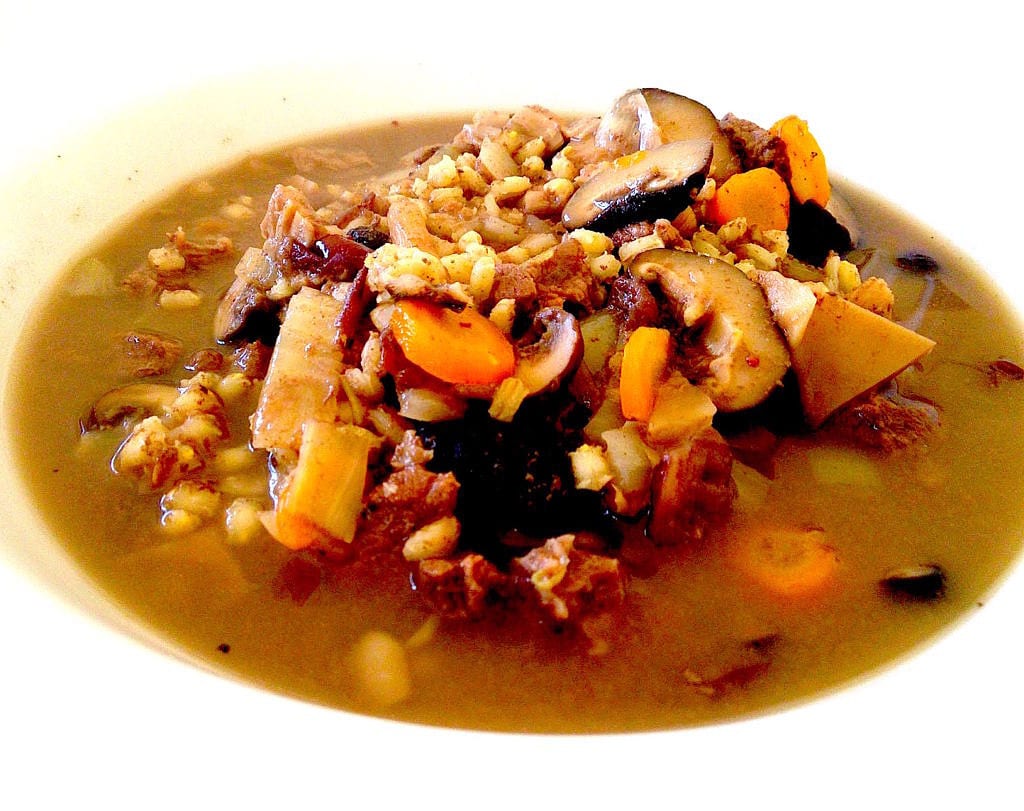
Suaasat, a simple soup of meat, usually seal, whale, reindeer or seabird, simmered with onions and potatoes and often thickened with rice or barley, is Greenland's national dish. What counts as "correct" suaasat varies by household and by what's actually been caught, since the dish is built around adapting to the hunt rather than following one fixed recipe — a genuinely practical approach to a country where farming is so limited.
Seal, whale and the Arctic pantry
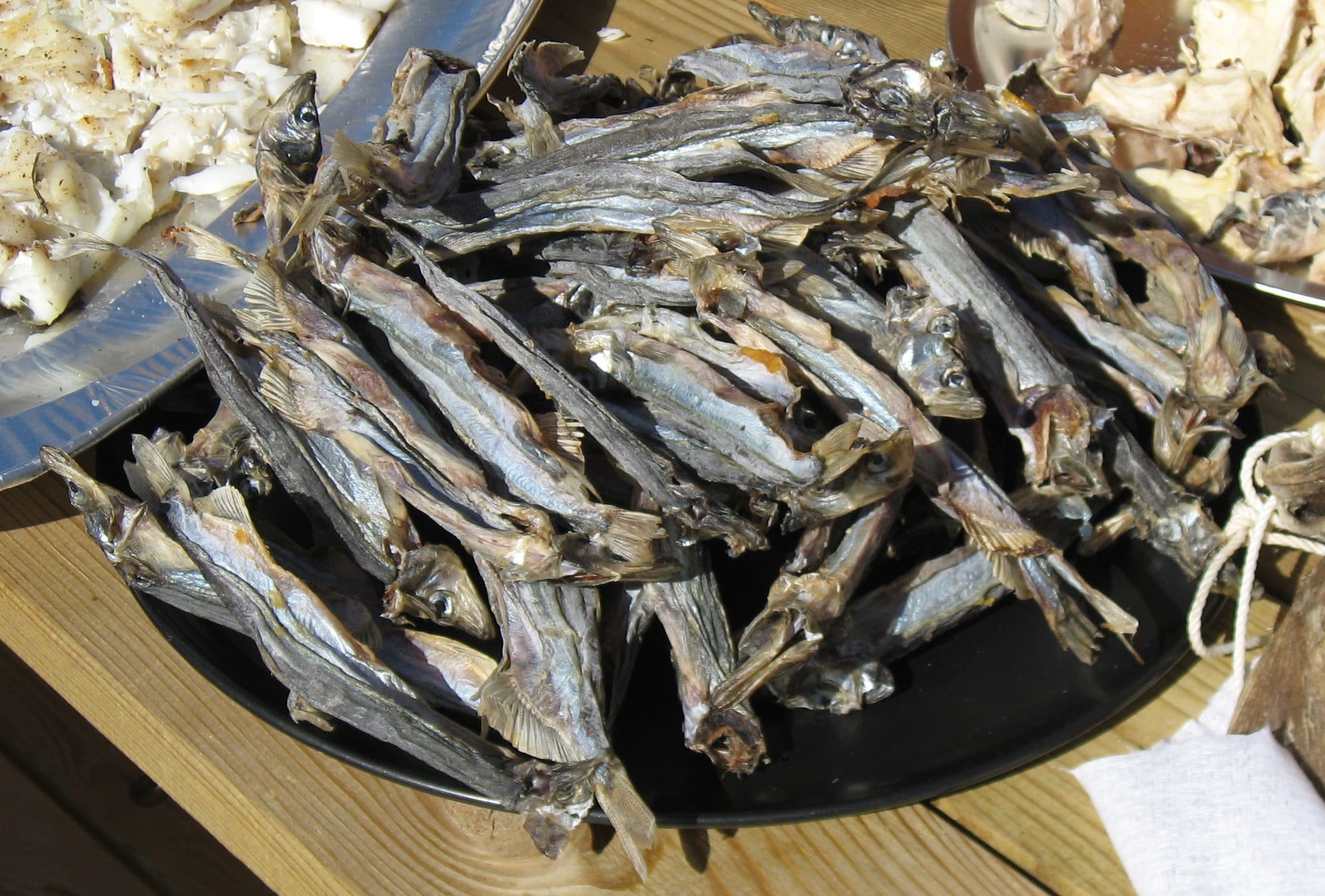
Seal and whale meat remain central, legally regulated staples of the Greenlandic diet, alongside fish such as halibut and cod, and ammasat (capelin), a small fish that is easily dried and traditionally laid out whole on rocks in the sun. Reindeer and muskox, hunted inland, round out the country's meat supply, while almost all fruit and vegetables are imported given the climate.
History behind the hunt
People have hunted in Greenland since about 2500 BC, thousands of years before Danish colonisation began with Hans Egede's expedition in 1721. Whaling continues under International Whaling Commission quotas for Indigenous subsistence hunting, and seal hunting remains culturally significant. Animal foods made up most of the Greenlandic Inuit diet until around 1980 and still do in some regions, although grocery stores now supply imported foods such as coffee, tea and biscuits.
Dishes to know
Five more to recognise across Greenland:
- Ammasat — capelin, a small fish traditionally dried whole on rocks in
the sun.
- Mattak — raw whale skin and blubber, a traditional delicacy eaten
across Greenland and the wider Arctic.
- Arfivik — smoked bowhead whale meat, served with onions and potato.
- Dried cod and whale with blubber — a popular lunch and snack food.
- Muskox tartare — raw muskox meat; muskox are hunted in spring and
also served cooked.
Drinks
Coffee is an everyday drink, and Greenlandic coffee, a flaming mix of hot coffee, whisky, Kahlúa, Grand Marnier and whipped cream served in a wine glass, is a popular after-dinner drink. Local breweries add their own touches: the Greenland Brewhouse in Narsaq pioneered a beer made with glacier ice, and crowberries and angelica are brewed into ales at the Icefiord Brewery.
Eating as a traveller
Vegetarians will find options genuinely limited outside Nuuk and the larger towns, since so much of the traditional diet is built on hunted meat and fish; imported produce is available but often expensive. Tap water in the towns is generally safe to drink. Visiting a local market such as Nuuk's Kalaaliaraq is a direct, honest way to see what Greenlandic hunting and fishing actually supply, before deciding what to try.
What to take from the table
Suaasat, simple and shaped entirely by what the hunt provides, is the dish that best explains Greenlandic food — proof that a genuinely sustaining cuisine can be built almost entirely without agriculture, in one of the most demanding climates on Earth.