Attractions & Natural Wonders · Grenada
Grenada: Eight Attractions and Natural Wonders
The Spice Isle — a horseshoe harbour town, a rainforest crater lake, an underwater gallery of statues, and the smell of nutmeg on the breeze
By Worldlore Editorial · 30 September 2026
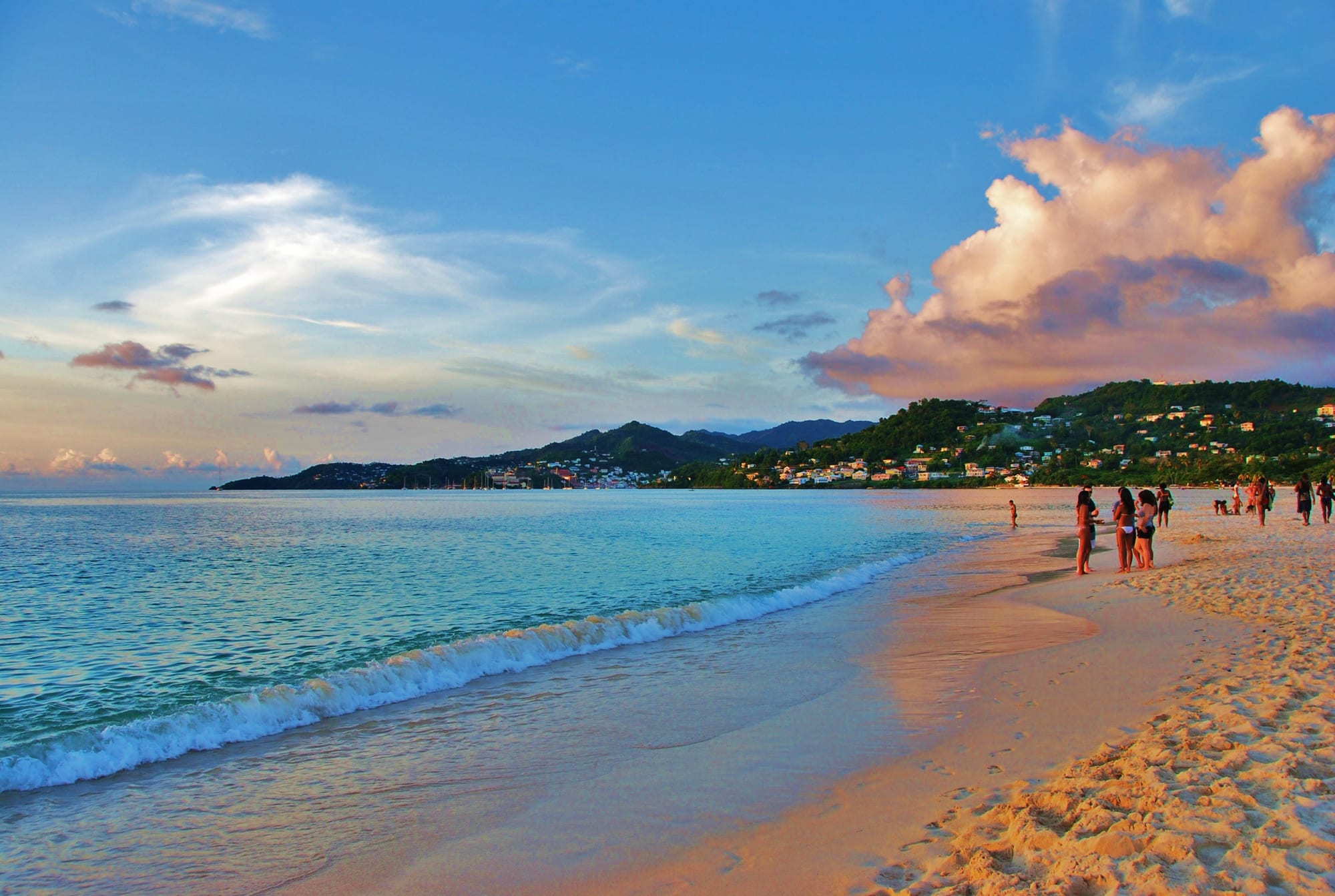
The Spice Isle
Grenada is a three-island nation at the southern end of the Windward Islands, just north of Trinidad — the main island plus Carriacou and Petite Martinique, home to about 115,000 people. It is volcanic, green, and mountainous, ringed by beaches and reefs, and famous for spices: it is the world's second-largest producer of nutmeg, and cinnamon, clove, and cocoa still grow on its estates. A 1983 US-led invasion, after a coup, is now a footnote; the island is quiet, friendly, and largely low-rise.
The eight below cover the capital, the beaches, the rainforest interior, and the sister island of Carriacou. It is warm year-round; the dry season early in the year is the most reliable, and hurricane season runs June to November.
1. Grand Anse Beach
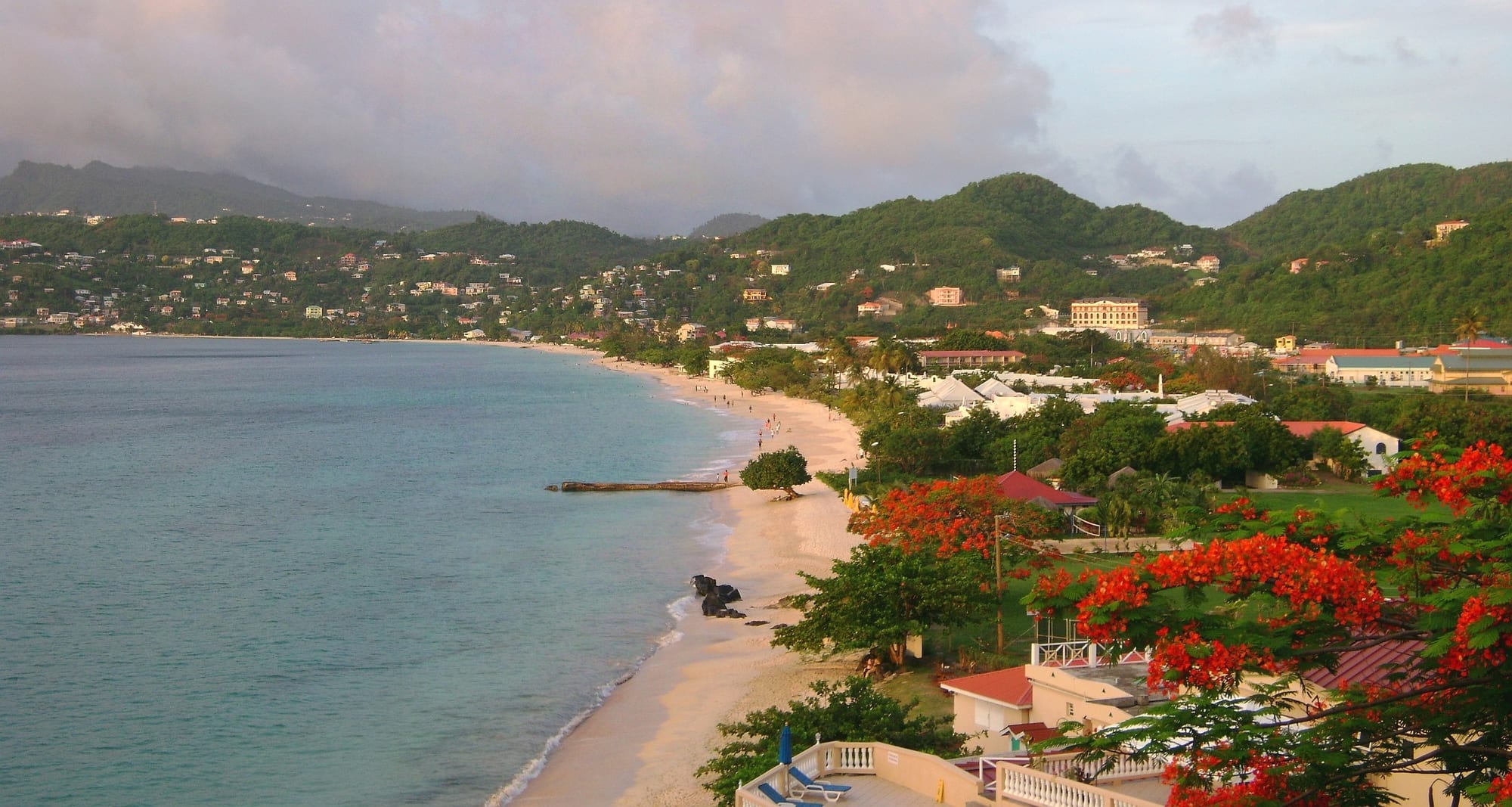
Grand Anse is Grenada's main beach — about two miles of soft pale sand and calm, clear water, lined with small hotels, a craft market, and beach bars, yet never built up into a wall of high-rises. Its northern end looks across to the pastel houses of St George's, and quieter coves lie just around the headland.
It is a short drive from the capital.
2. St George's
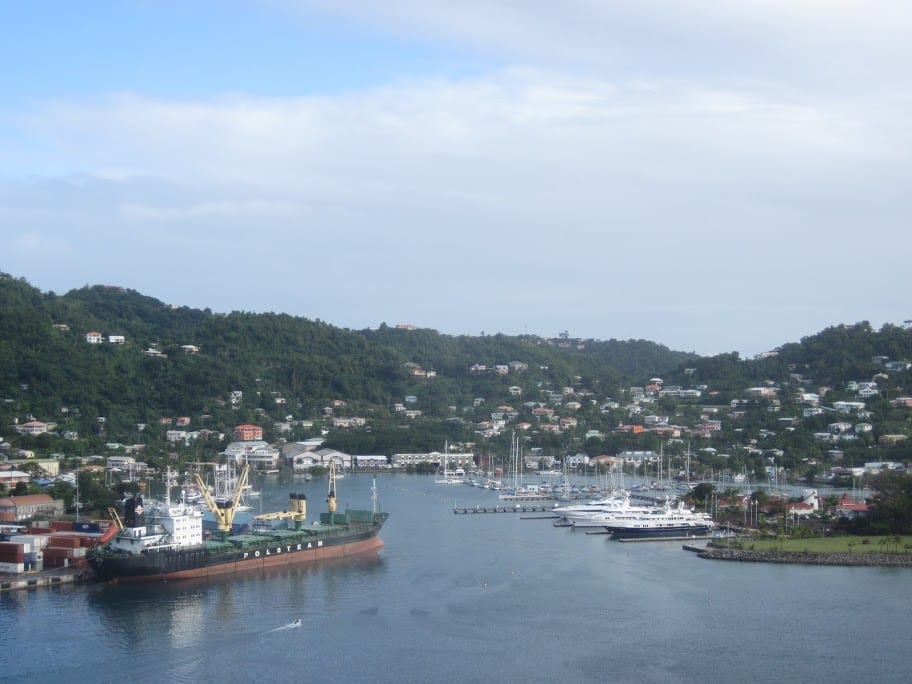
St George's is widely admired as one of the prettiest capitals in the Caribbean — a horseshoe harbour set in an old volcanic crater, rimmed by steep streets of Georgian brick-and-stone warehouses with red-tiled roofs. Around it are the Carenage waterfront, the busy market, the small national museum in an old French barracks, and the Anglican church, back in use after years of repair following 2004's Hurricane Ivan.
It is compact and walkable, if hilly.
3. Fort George
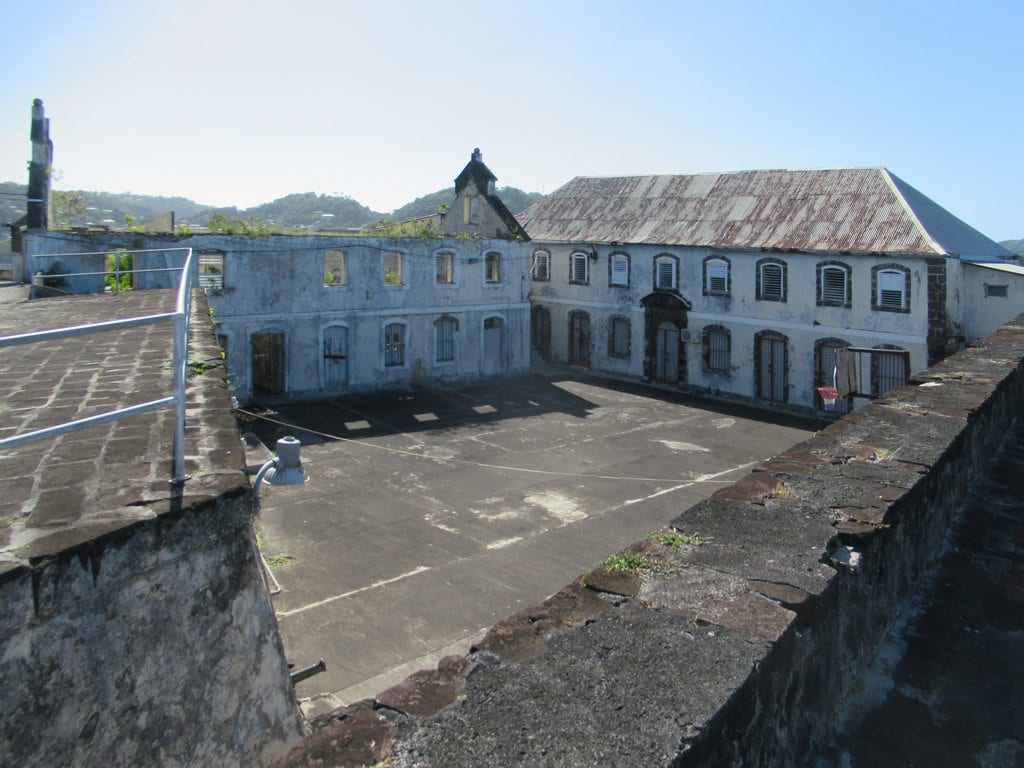
Fort George sits on the promontory dividing the harbour from the open sea, its ramparts and cannon giving the best views over the town and coast. Built by the French as Fort Royal and renamed by the British, it housed the police headquarters until 2024 and is now a tourist attraction; it was also the site, in October 1983, of the execution of Prime Minister Maurice Bishop and others, the event that triggered the US-led intervention. A plaque in the courtyard marks the spot.
Fort Frederick, higher up on Richmond Hill, has an even wider panorama.
4. The Molinere Underwater Sculpture Park
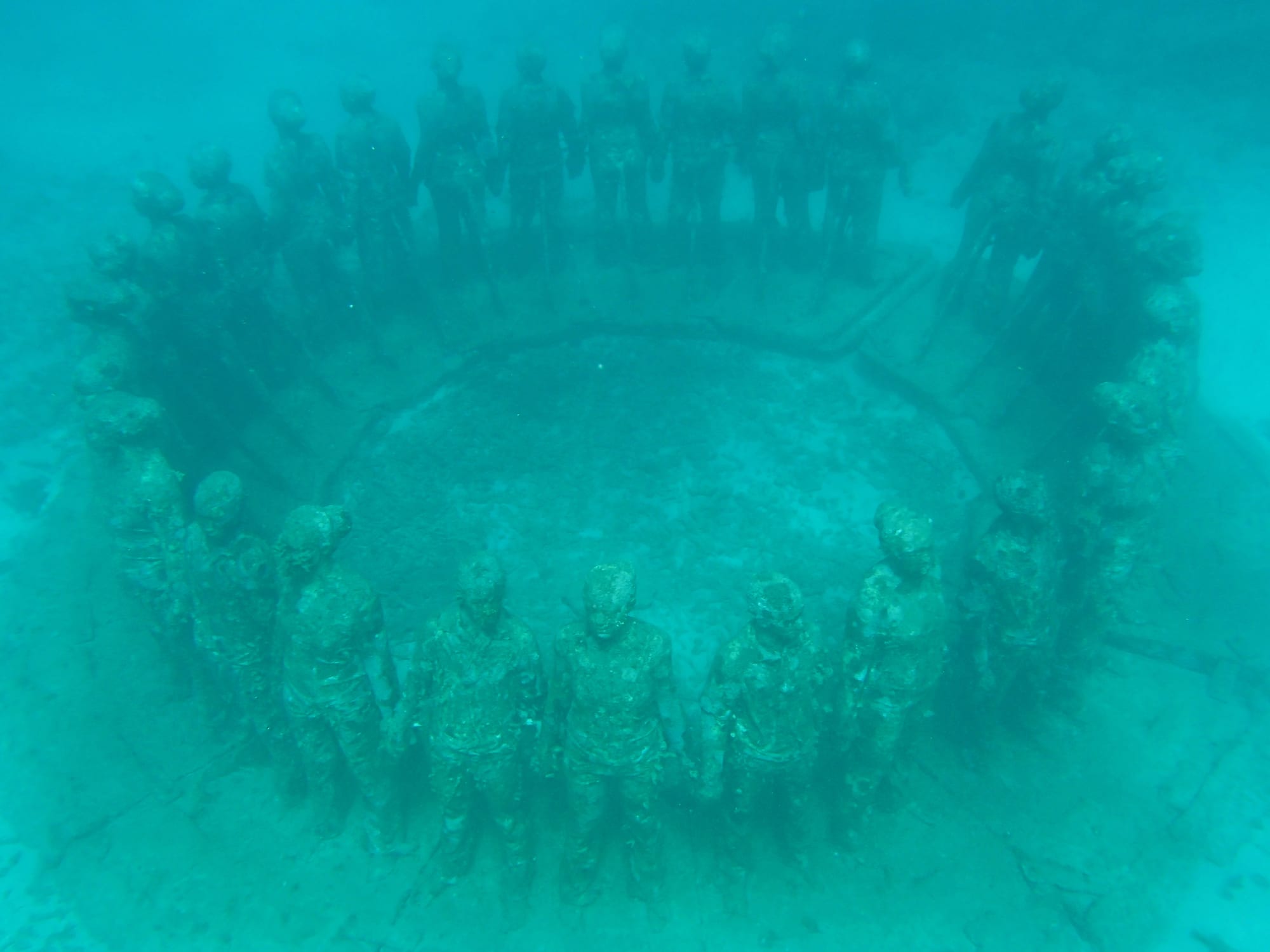
Just north of St George's, in sheltered Molinere Bay, British sculptor Jason deCaires Taylor installed the world's first underwater sculpture park in 2006 — dozens of concrete figures (a ring of children holding hands, a man at a desk) set on the seabed at snorkelling and shallow-diving depth, now growing their own reef. More works have been added since.
It is visited by snorkel trip, dive, or glass-bottom boat from the capital.
5. Grand Étang Forest Reserve
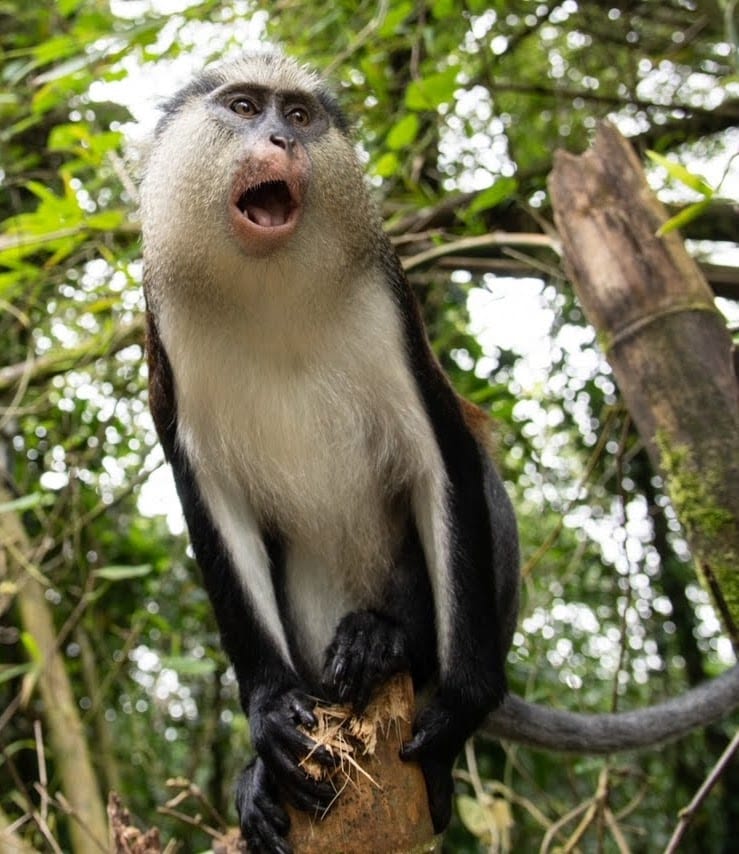
The mountainous spine of the island is protected as the Grand Étang Forest Reserve, centred on a crater lake in an old volcano, wrapped in cloud forest and often misted. Trails range from an easy lakeside stroll to steep mountain climbs and the tougher Seven Sisters waterfall hike, and mona monkeys live in the forest.
The cross-island road runs right past it.
6. Annandale Falls and the waterfalls
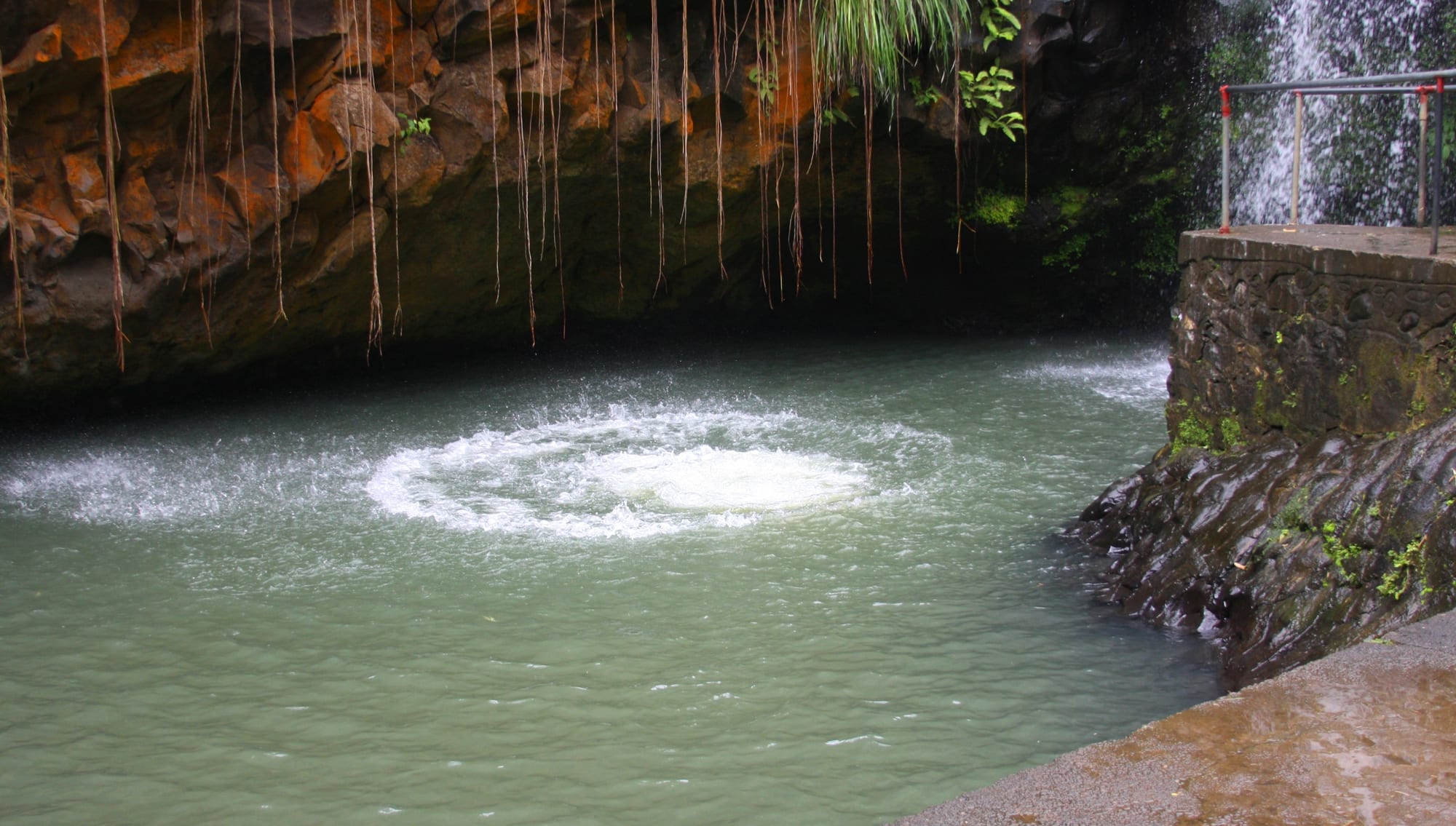
Grenada's wet interior feeds a string of waterfalls. Annandale, dropping into a swimming pool close to the road, is the most accessible. Concord Falls is another popular stop; the Seven Sisters and Mount Carmel falls need longer, muddier hikes through nutmeg and cocoa groves.
Most can be visited on a half-day island tour combined with Grand Étang.
7. The nutmeg and spice estates
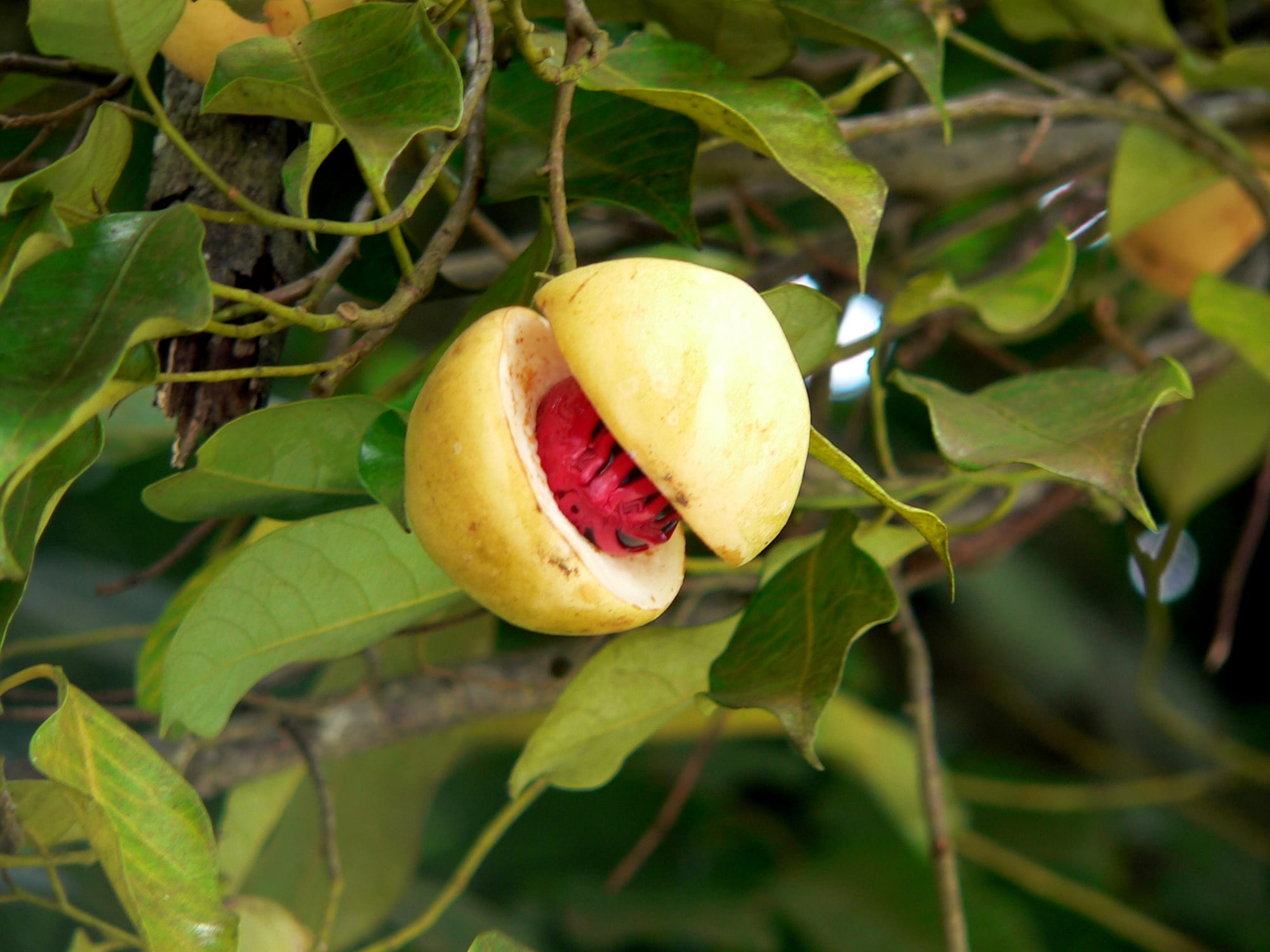
Spices are woven through a visit to Grenada. The nutmeg processing station at Gouyave, on the west coast, shows the nut's journey from the tree to graded export; estates in the northeast grow cocoa for the island's chocolate makers; and the River Antoine distillery, near Lake Antoine, is a historic estate where a water wheel still drives the cane crusher.
Gouyave's weekly "Fish Friday" street festival is a local institution.
8. Carriacou and Petite Martinique
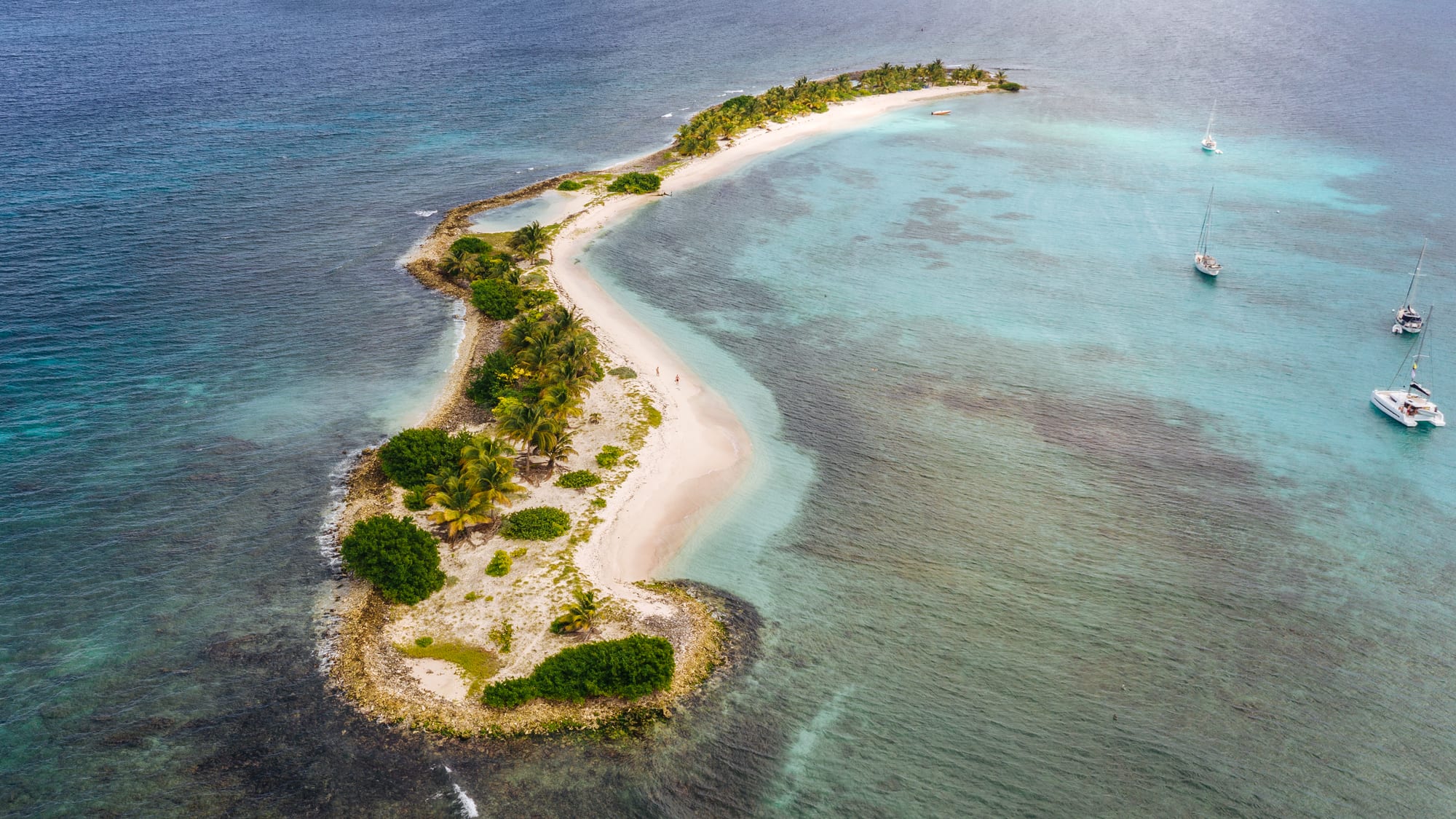
Carriacou, a ferry ride or short flight to the north, is a quieter island of about 6,000 people, known for wooden boat building, a strong Big Drum musical tradition, and an annual regatta held since 1965. Off its west coast, Sandy Island and Paradise Beach have some of the region's best easy snorkelling. Tiny Petite Martinique, beyond, is home to about 900 people.
Both were hit hard by Hurricane Beryl in 2024 and are rebuilding.
Grenada is small, green, and unhurried. Most visitors base themselves near Grand Anse and mix beach days with an island tour of the interior and estates; adding a few nights on Carriacou makes a relaxed 10-day trip.