Food · Grenada
Grenada: Food and the National Dish
A one-pot feast simmered until the liquid disappears, and a Caribbean island whose nutmeg trade shapes almost everything else on the table
By Worldlore Editorial · 30 September 2026
The Spice Isle's everyday table
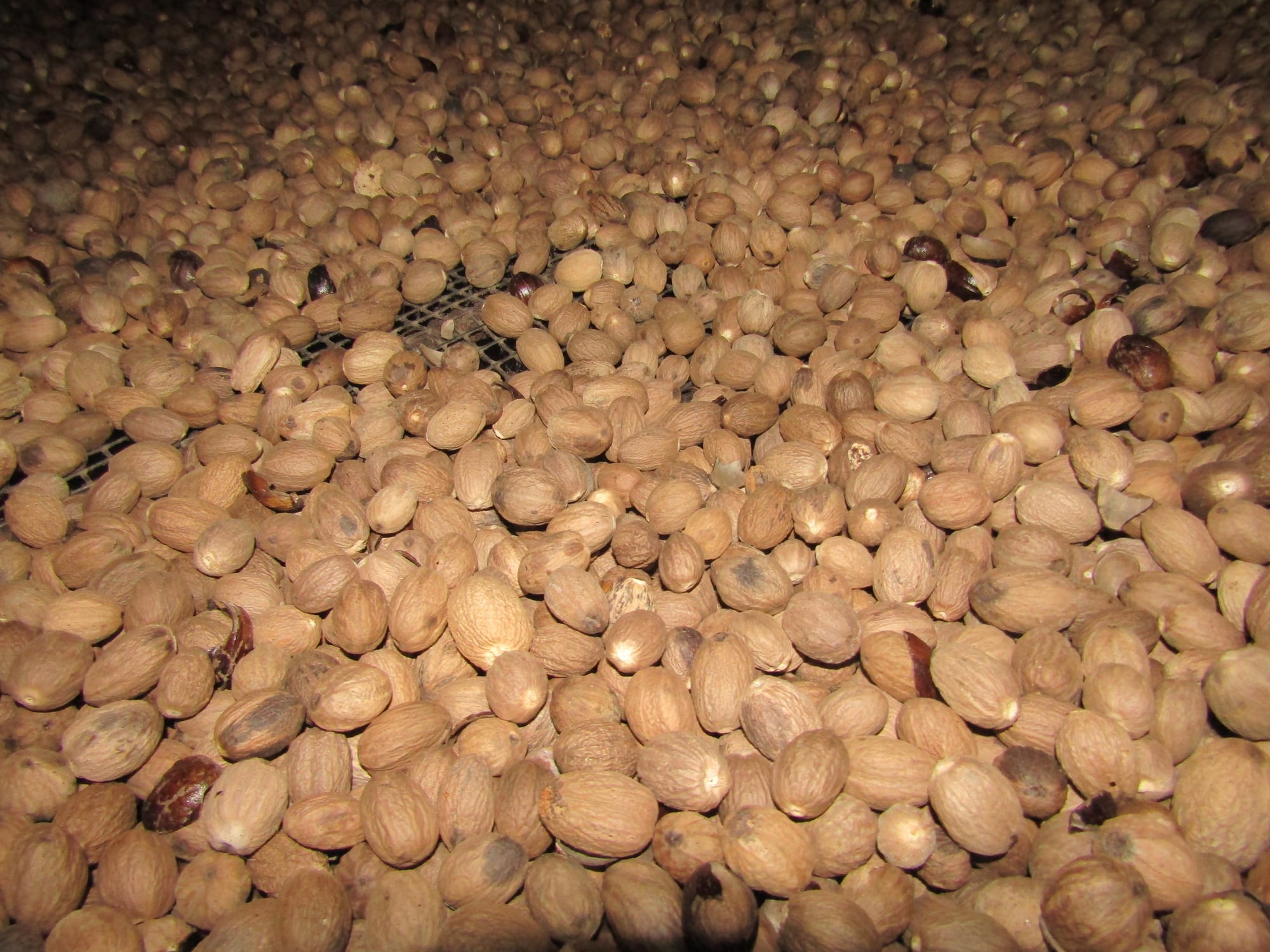
Grenada, nicknamed the Spice Isle for its major role in the global nutmeg and mace trade, brings that reputation directly into its kitchens: nutmeg, cinnamon, cloves and other spices appear throughout Grenadian cooking, not just in the export crop growing on the island's hillsides. Alongside that spice trade, Grenadian food follows the wider Caribbean pattern of one-pot cooking, salted and fresh fish, and root vegetables.
The national dish: oil down
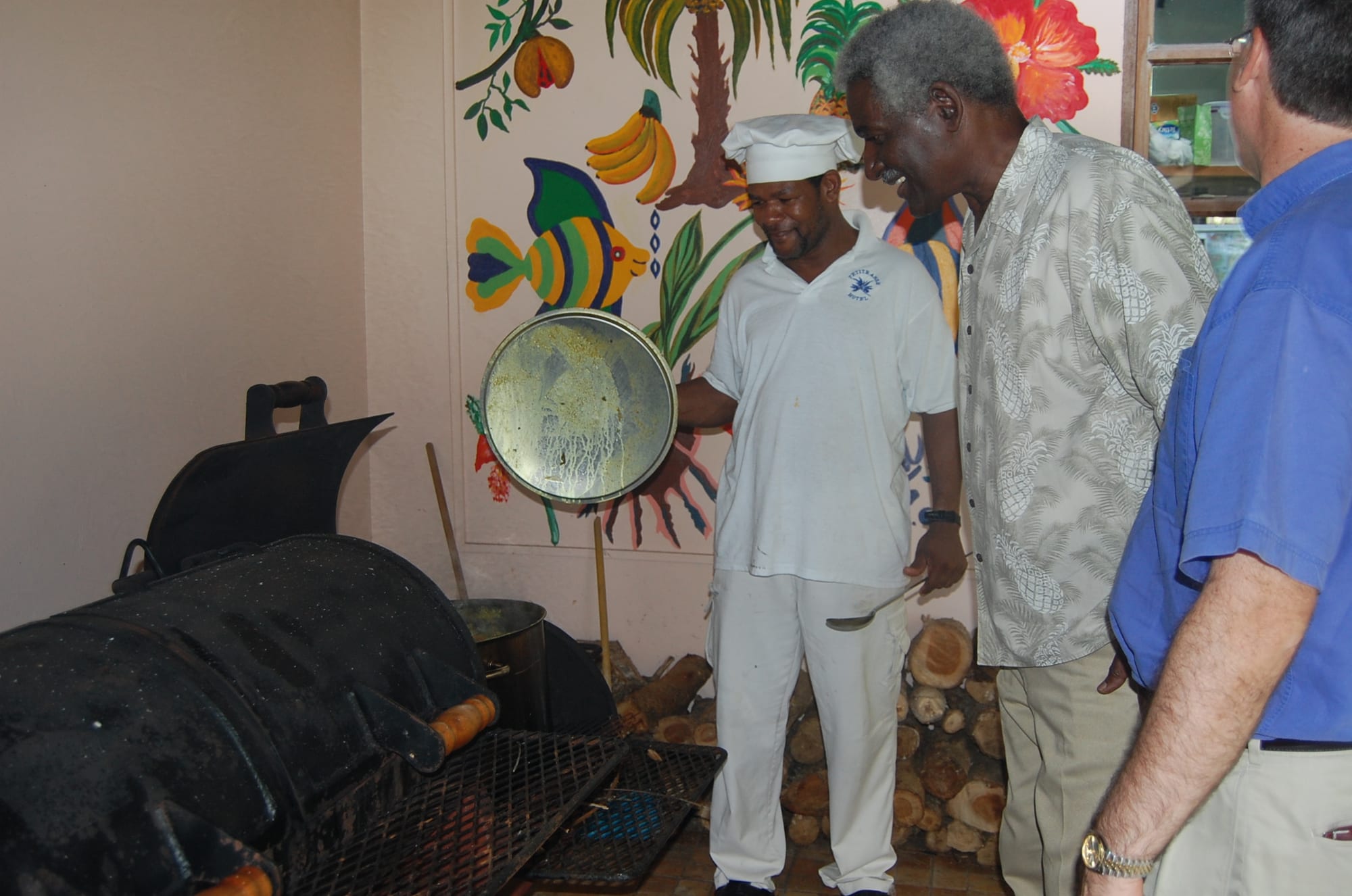
Oil down, a one-pot dish of breadfruit, salted meat, callaloo, dumplings and coconut milk simmered together until all the liquid has cooked down and the oil from the coconut milk is absorbed or settles at the bottom of the pot (giving the dish its name), is Grenada's national dish. There is no set recipe: each household and parish makes it its own way, and exactly how to "pack the pot", layer by layer, is a matter of taste and tradition.
Nutmeg, breadfruit and the island pantry
Nutmeg and mace, grown and processed on the island since the 19th century, flavour everything from savoury dishes to drinks and desserts, while breadfruit, callaloo (in Grenada, the leaves of taro, known locally as dasheen bush), plantain and root vegetables like dasheen and yam form the everyday starch base. Saltfish, salted and dried cod imported from the North Atlantic, remains a Caribbean-wide staple that Grenada shares with its neighbours.
History behind the spice trade
Nutmeg arrived in Grenada from the East Indies in 1843 and grew into such a significant crop that the island became the world's second-largest producer after Indonesia, a status still reflected on Grenada's own flag, which carries a nutmeg symbol. That trade history sits alongside an older African, Indigenous Kalinago and European colonial food heritage shared across much of the Eastern Caribbean.
Dishes to know
Five more to recognise across Grenada:
- Callaloo soup — a soup made from callaloo leaves, coconut milk and
other vegetables, sometimes with crab.
- Saltfish and bakes — salted, dried cod served with fried bakes, a
dough also sold as a popular street food.
- Roti — dal puri flatbread wrapped around a curry, commonly goat,
reflecting Grenada's Indo-Caribbean influence.
- Grenadian spice cake — a cake flavoured with the island's own spices.
- Fish cakes — fried fish cakes, a popular Grenadian street food.
Drinks
Rum is the island's signature spirit, made at historic estates such as River Antoine, where the cane is still crushed by a water wheel. Mauby, a sweet-then-bitter drink made from tree bark and sugar, is a popular non-alcoholic choice, and nutmeg and mace turn up in drinks as well as food.
Eating as a traveller
Vegetarians will find breadfruit, callaloo and root vegetable dishes manageable, though saltfish and meat feature in many traditional recipes. Tap water is generally safe in the main towns. Visiting the nutmeg processing plant in Gouyave, known locally as the Nutmeg Pool, is a direct way to see the trade behind so much of Grenada's food before eating any of it.
What to take from the table
Oil down, cooked slowly in one big communal pot, is the dish that best represents Grenadian food — and the nutmeg dusted over so many other dishes on the island is a direct, edible link to the trade that built Grenada's economy and put a spice pod on its flag.