History · Guinea-Bissau
Guinea-Bissau: Cabral's Country
A small, riverine corner of West Africa — a slave-trade coast, a neglected Portuguese colony, a liberation war that fought Portugal to a stalemate, and decades of coups and cocaine since
By Worldlore Editorial · 30 September 2026
A river country
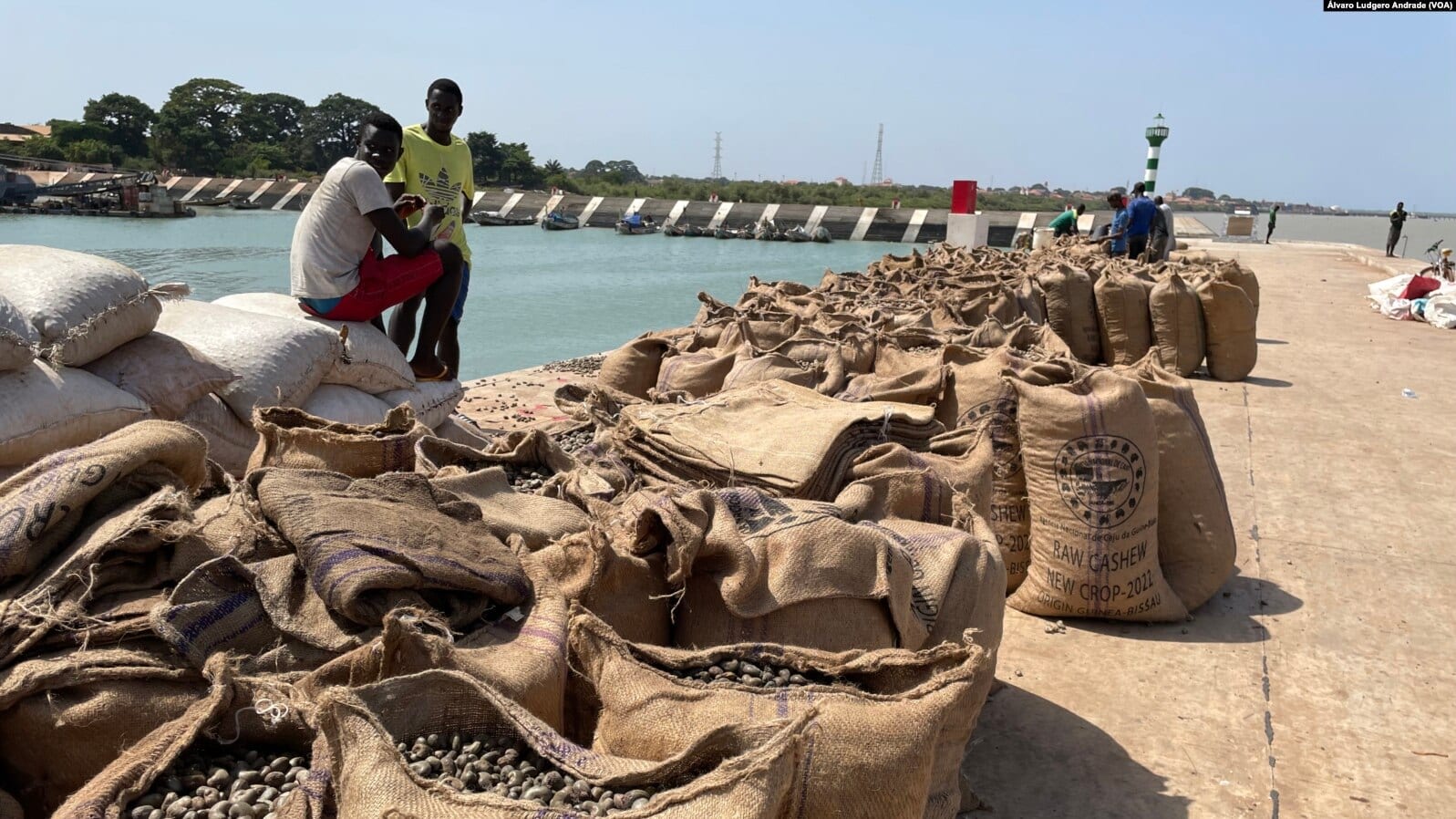
Guinea-Bissau is small and low-lying, a maze of tidal rivers and mangrove between Senegal and Guinea, with the scattered Bijagós Archipelago offshore. About 2.1 million people live there, most of them farming rice and cashew — cashew nuts are the main export crop. Portuguese is the official language, but daily life runs in Kriol, a Portuguese-based creole. Its history has two landmarks: it produced Amílcar Cabral, one of Africa's foremost thinkers on liberation, and since independence it has had more coups than completed presidential terms.
A short history
- 16th–19th centuries
Kaabu
A Mandinka empire dominates the interior.
- 1440s
Portuguese contact
Traders reach the coast.
- 1580s
Cacheu
A slave-trading fort is built; the rivers feed the Atlantic trade.
- 1880s–1936
Pacification
Portugal takes the interior and islands by force.
- 1956
The PAIGC
Amílcar Cabral co-founds the liberation movement.
- 1963–1974
The war
The PAIGC wins control of most of the countryside.
- 1973
Cabral killed
Assassinated months before independence is declared.
- 1974
Independence
Portugal recognises Guinea-Bissau after its own revolution.
- 1998–present
Instability
Civil war, then a cycle of coups and the cocaine trade.
Kaabu, and the slave coast
The interior was the western frontier of the Mali Empire and then the domain of Kaabu, a Mandinka empire deeply involved in the slave trade. The coastal and island peoples — Balanta, Papel, Bijagó — were decentralised and fiercely independent; the Bijagós raided by sea and were not subdued for centuries.
Portuguese ships reached the coast in the 1440s, and for a long time "Portuguese Guinea" was administered as an appendage of Cape Verde. Its rivers, worked through forts at Cacheu and Bissau and through Cape Verdean intermediaries, were among the busiest slaving routes of the Upper Guinea coast, feeding the Americas, Brazil among them.
A neglected colony
Portugal only imposed real control over the interior and the islands through violent "pacification" campaigns between the 1880s and 1936. Portuguese Guinea was then a neglected backwater of the empire, with few European settlers, whose main economic value to Portugal was the peanuts it grew for vegetable oil.
Cabral and the war
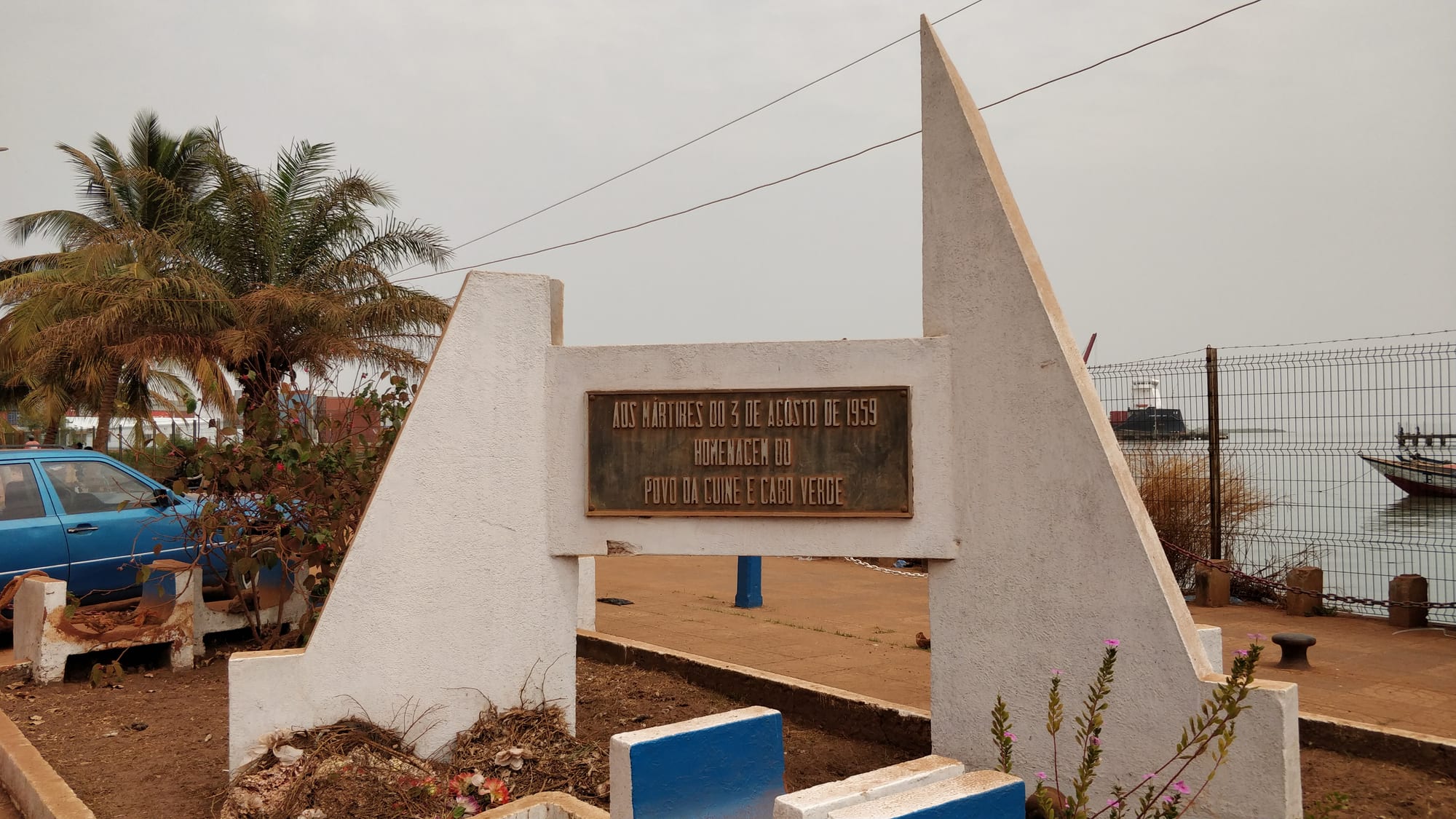
The PAIGC — the African Party for the Independence of Guinea and Cape Verde — was founded in 1956, led by Amílcar Cabral, an agronomist born in Portuguese Guinea to Cape Verdean parents, whose writing on culture, class and armed struggle influenced liberation movements far beyond Africa. After the Pidjiguiti killings, the party launched an armed struggle in 1963.
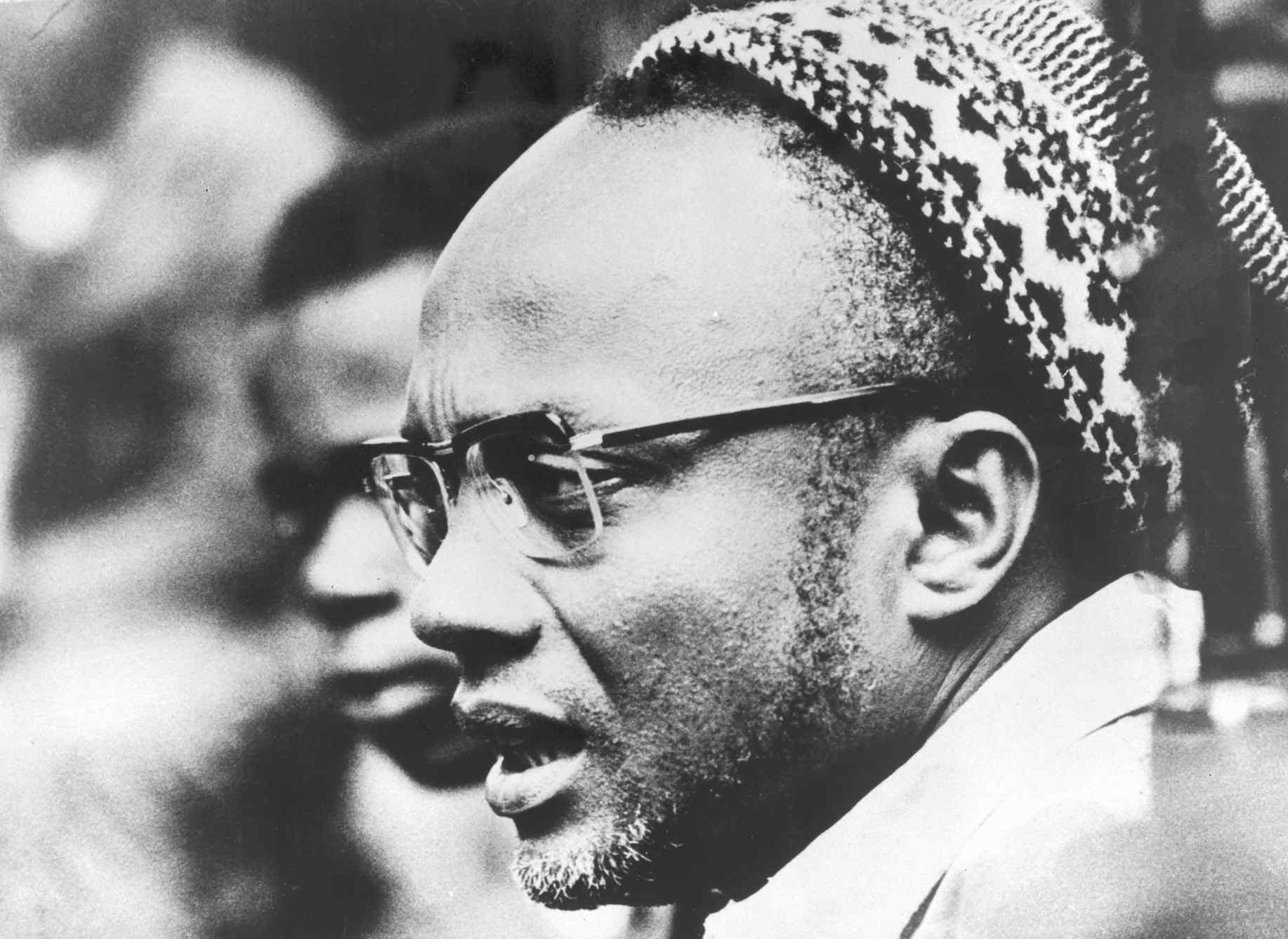
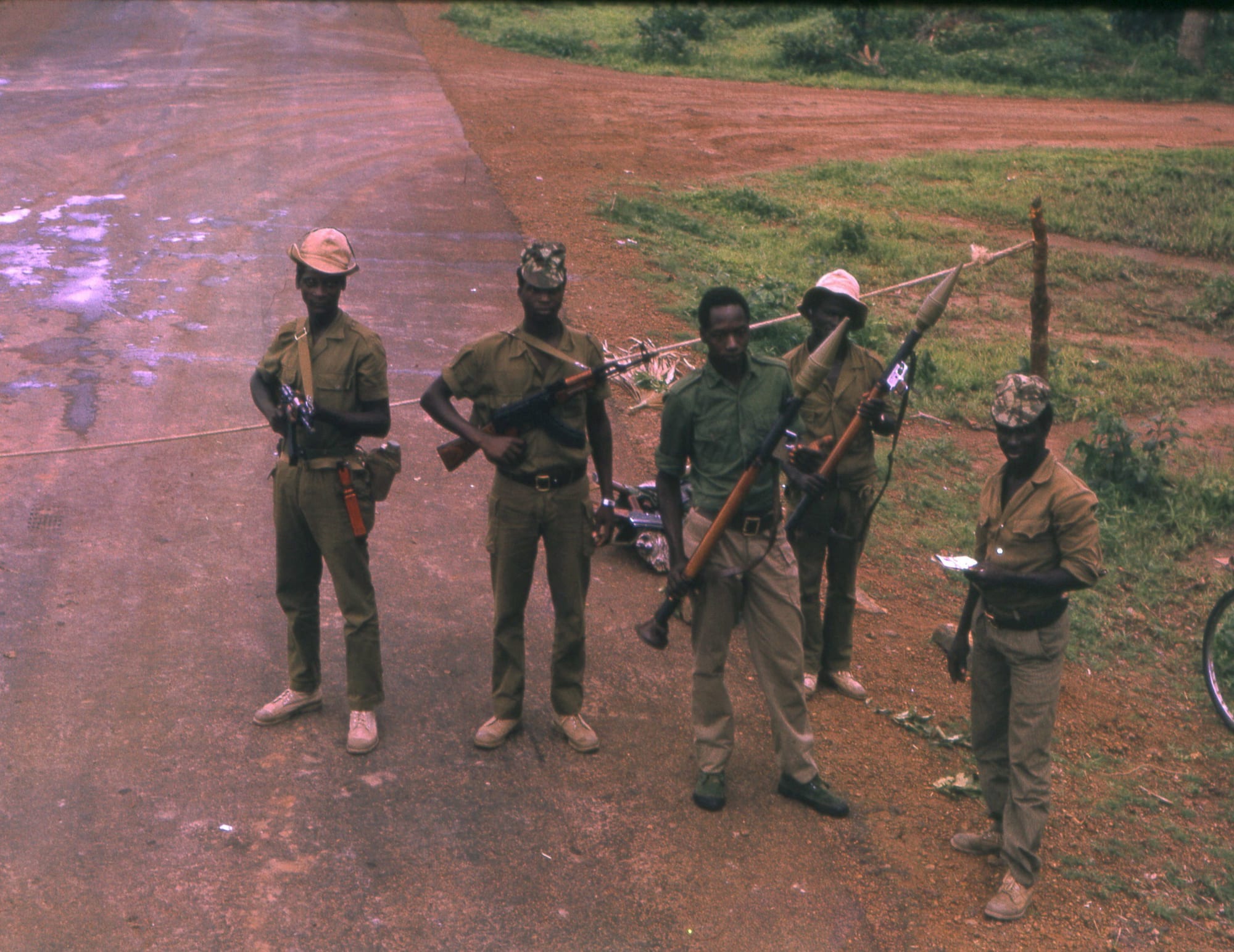
The PAIGC fought the Portuguese army to a stalemate. By the early 1970s the PAIGC held most of the countryside, ran services in its liberated zones, and elected a national assembly. Portugal clung to the towns with tens of thousands of troops. Cabral was assassinated in Conakry in January 1973; the PAIGC declared independence that September, and after the 1974 revolution in Lisbon — hastened by the unwinnable colonial wars — Portugal recognised it.
Coups and cocaine
Independence quickly soured. A 1980 coup by João Bernardo "Nino" Vieira ended the planned union with Cape Verde, and Vieira dominated the country until a 1998–99 civil war wrecked Bissau and forced him out. Since then coups, mutinies and assassinations have followed one another — only one elected president, José Mário Vaz (2014–2019), has completed a full term — and in 2009 Vieira himself was killed by soldiers hours after the army chief died in a bombing.
From the mid-2000s, Latin American cartels made Guinea-Bissau a transhipment hub for cocaine bound for Europe, using its islands and airstrips and buying the cooperation of senior military officers — among them the former navy chief Bubo Na Tchuto, later arrested and charged with drug trafficking in the United States. The trade has hollowed out the state further.
On 26 November 2025, three days after a general election and a day before its results were due, the army seized power and detained President Umaro Sissoco Embaló, who was later flown to Senegal. General Horta Inta-A Na Man was named transitional president for a one-year transition, and the military leadership has set legislative and presidential elections for 6 December 2026.
What Guinea-Bissau carries
Guinea-Bissau won its independence through a long liberation war, waged by a movement admired around the world and led by a genuinely original thinker. It has spent the fifty years since unable to build a stable state on that foundation — undermined first by its own factional army, and then by a global drug route that runs straight through it.