Food · Guinea-Bissau
Guinea-Bissau: Food and the National Dish
A rich peanut stew from a small West African coast, cashews grown for export more than for eating, and an archipelago that shapes the country's fishing life
By Globeway Editorial · 30 September 2026
A small coastal nation built on rice and fish
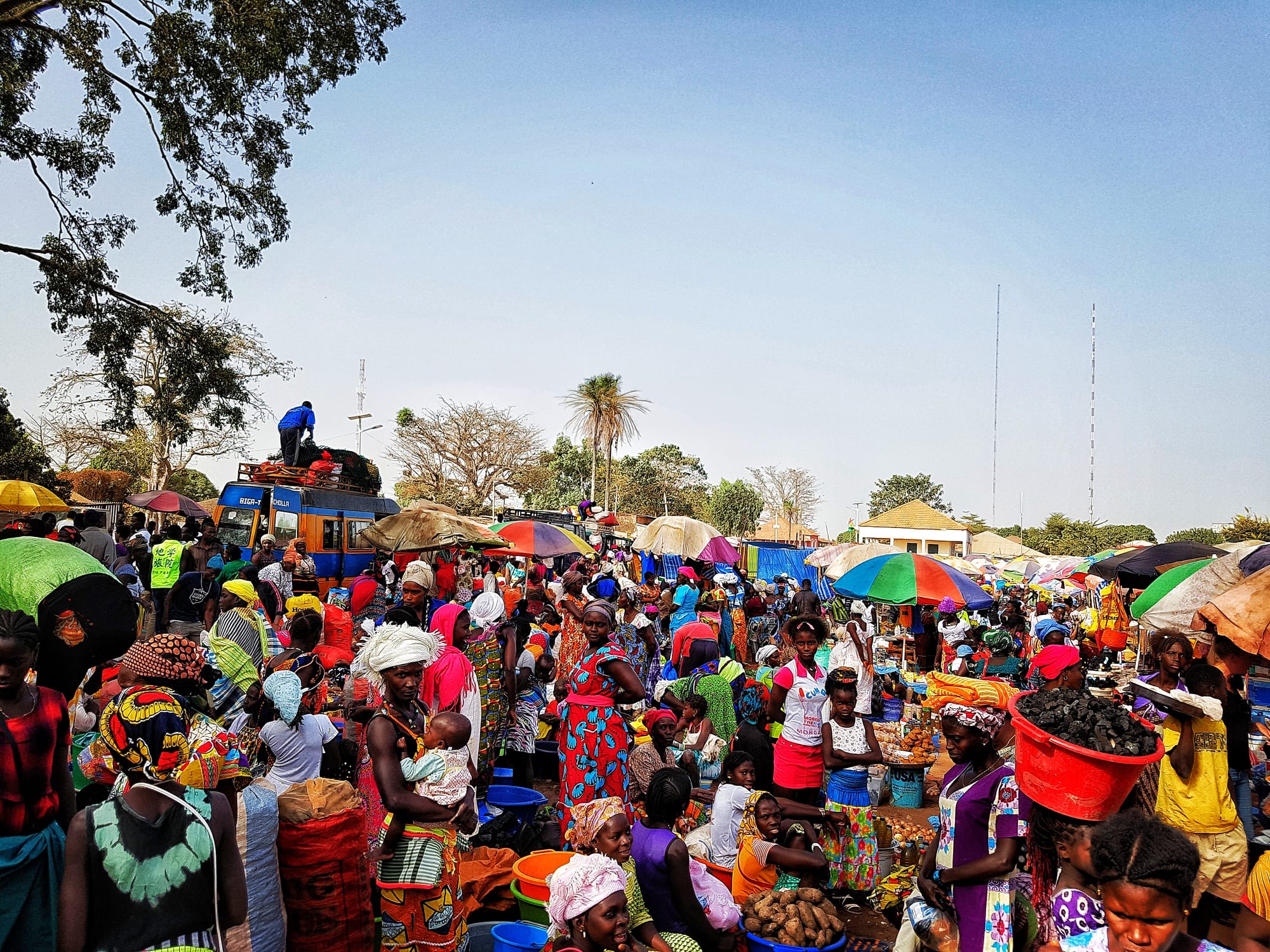
Guinea-Bissau's food reflects its position on West Africa's Atlantic coast, anchored by rice, much of it grown in coastal paddies and mangrove areas, alongside fish and seafood drawn from both the mainland coast and the Bijagós archipelago, a cluster of islands off Guinea-Bissau's shore with its own distinct fishing traditions.
The signature dish: caldo de mancarra
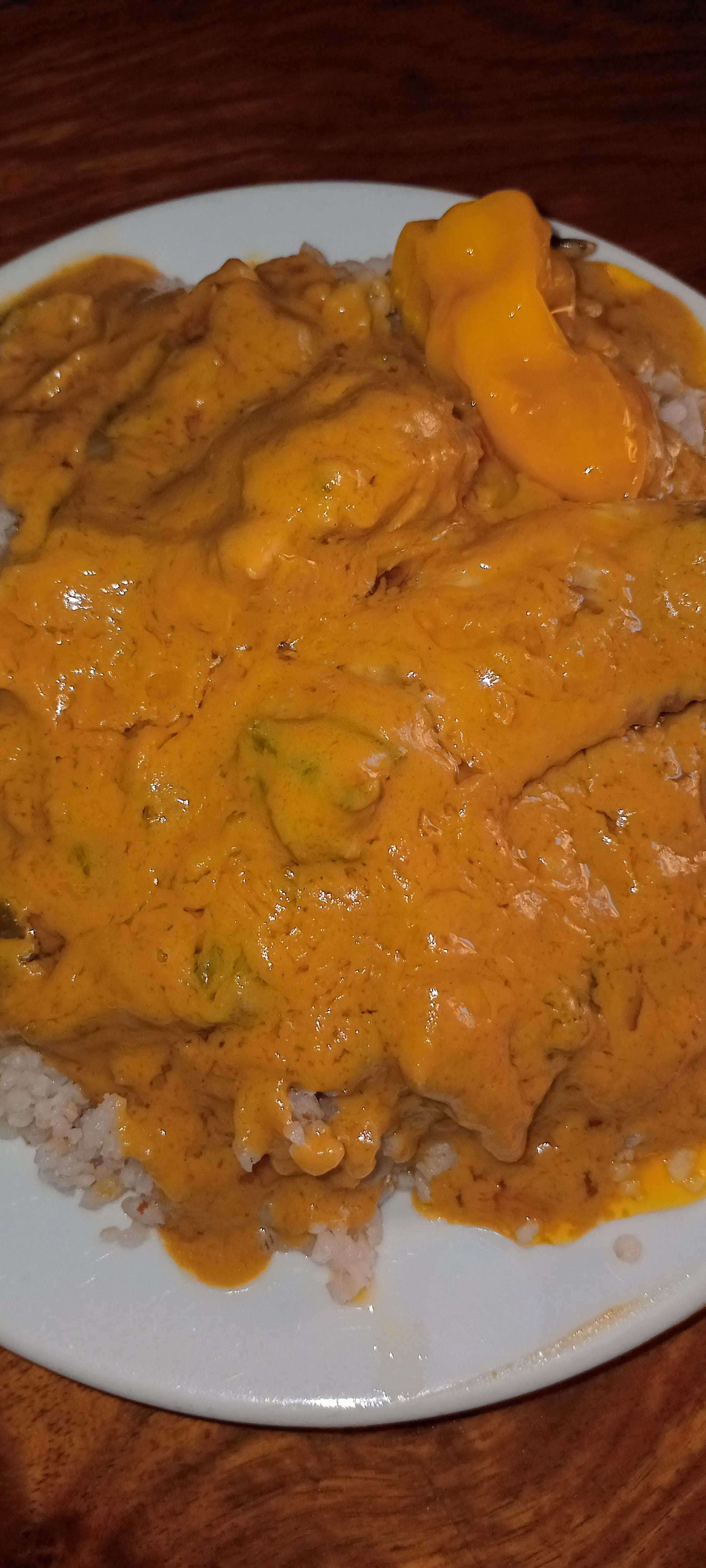
Caldo de mancarra (also spelled caldo di mancarra), a rich stew built on a peanut sauce (mancarra means peanut) and most often made with chicken, is one of Guinea-Bissau's most representative dishes. Served over rice, it belongs to the same wider family of West African peanut stews found under different names across the region, but carries its own specific identity and name here.
Rice, cashews and the everyday pantry
Rice, grown extensively along Guinea-Bissau's coast, remains the everyday staple, paired with fish, peanuts and palm oil in most main dishes. Cashews, grown widely across the country, have become Guinea-Bissau's dominant export crop, even though the nut itself plays a smaller role in everyday home cooking than the crop's economic importance might suggest.
History and the Bijagós islands
Portuguese colonial rule, lasting until 1974, left its clearest culinary mark in the Portuguese Creole vocabulary still used for dishes like caldo de mancarra, layered onto older West African cooking traditions that predate colonisation. The Bijagós archipelago, a UNESCO biosphere reserve made up of dozens of islands off Guinea-Bissau's coast, maintains its own distinct fishing culture and food traditions shaped by its island geography, separate in character from the mainland.
Dishes to know
Five more to recognise across Guinea-Bissau:
- Caldo de tchebem — a fish stew made with palm fruit extract, okra and
vegetables, typically served with rice.
- Grilled fish — a coastal staple, reflecting Guinea-Bissau's strong
fishing tradition both on the mainland and across the Bijagós islands.
- Sigá — a stew or sauce of palm oil, okra and meat or fish, typically
served with white rice.
- Djambo — a stew of sweet potato leaves and peanuts with beef or
chicken.
- Badadji — rice with plain yoghurt, often served with palm oil.
Drinks
Cashew fruit juice, made from the fleshy fruit that grows around each cashew nut, is a distinctly local drink reflecting the country's major export crop. Palm wine is a traditional drink in rural communities, and imported beer and soft drinks are common in Bissau and other towns; cashew juice is also fermented into an alcoholic cashew wine.
Eating as a traveller
Vegetarians will find rice, cassava and palm oil-based dishes manageable, though fish and meat are central to most traditional cooking. Tap water is not reliably safe outside major hotels; stick to bottled or boiled water. A visit to the Bijagós islands, if time allows, offers a genuinely different, more fishing-centred side of Guinea-Bissau's food culture than the mainland.
What to take from the table
Caldo de mancarra, rich with peanuts, is one of the dishes that best represent Guinea-Bissau's everyday cooking — and a glass of cashew fruit juice alongside it is a direct taste of the crop that quietly drives much of the country's economy.