History · Macau
How did Macau come to make more money from gambling than Las Vegas?
A legal monopoly, a fast ferry, the end of Portuguese rule and a door opened to mainland Chinese tourists turned a fading port into the world's casino capital.
By Globeway Editorial · 2 November 2026
The short answer
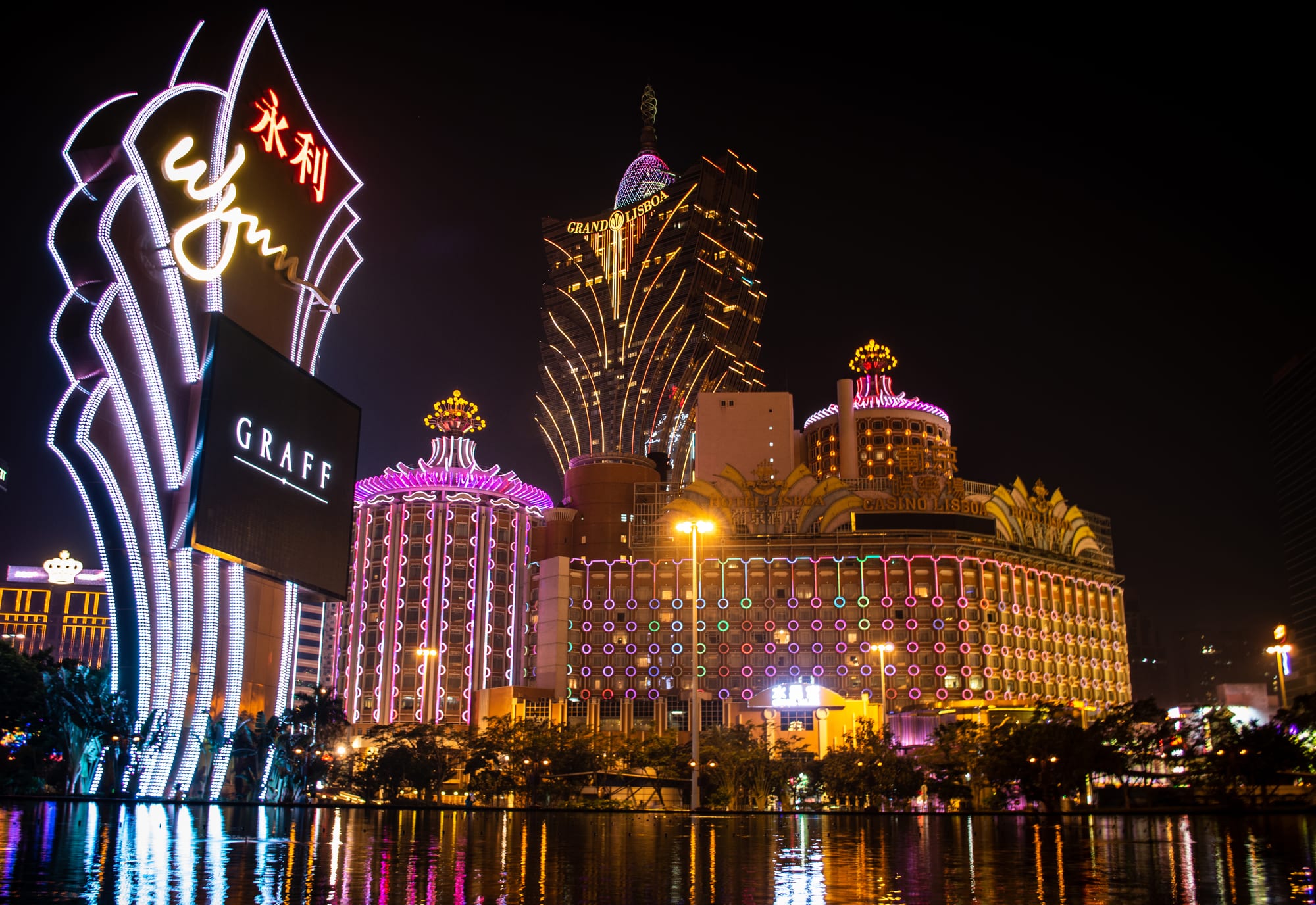
Macau is the only place in China where casinos are legal, and it sits on the doorstep of mainland China, where casino gambling is illegal. For four decades a single company held the right to run every casino in the territory. After Portugal handed Macau back to China in 1999, the new government broke that monopoly in 2002 and let in rival operators, including the biggest names from Las Vegas. At almost the same moment, China began letting its citizens visit Macau on their own rather than only in tour groups or on business.
The result was explosive. The new casino companies built vast resorts, mainland visitors poured in, and in 2007 Macau's gambling revenue overtook that of the Las Vegas Strip. Its gambling industry has since been estimated at around seven times the size of Las Vegas's, with revenue of US$37 billion in 2018. Much of that money comes from a single card game, baccarat, played at high stakes by Chinese gamblers.
A port that turned to gambling
Macau's first fortune came from trade. Portuguese merchants settled there in the 16th century, and in the late 1500s it was a busy warehouse town shipping Chinese silk to Japan. Then the ground shifted. After the First Opium War and the founding of British Hong Kong, Macau lost its role as a major port.
Short of income, the Portuguese administration legalised gambling in 1849. Later in the 19th century the government licensed the fantan houses, the traditional Chinese gambling halls named after a game in which players bet on how many objects will be left when a heap is counted off in fours, and more than 200 of them paid gambling rent to the government. In 1937 a monopoly concession went to the Tai Heng Company, which proved too cautious to make the most of it.
Stanley Ho's forty-year monopoly
The modern industry began with a bid. In 1961 a group including Stanley Ho, a businessman who had moved to Macau from Hong Kong during the Second World War, and the Hong Kong tycoon Henry Fok won the public tender for the gaming monopoly, promising to promote tourism and build infrastructure. Their company, the Sociedade de Turismo e Diversões de Macau (STDM), held the rights to all forms of gambling in the territory for the next four decades.
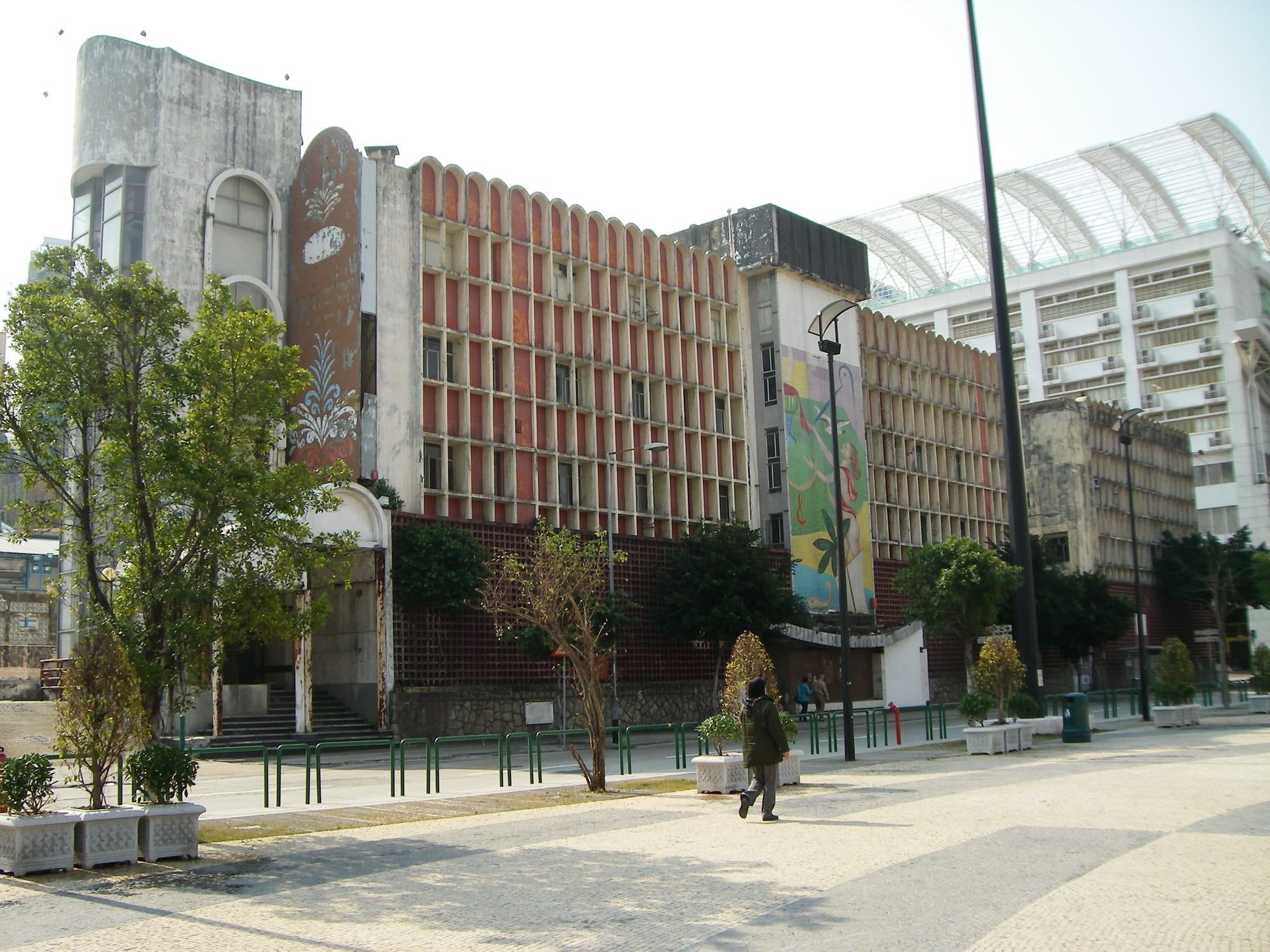
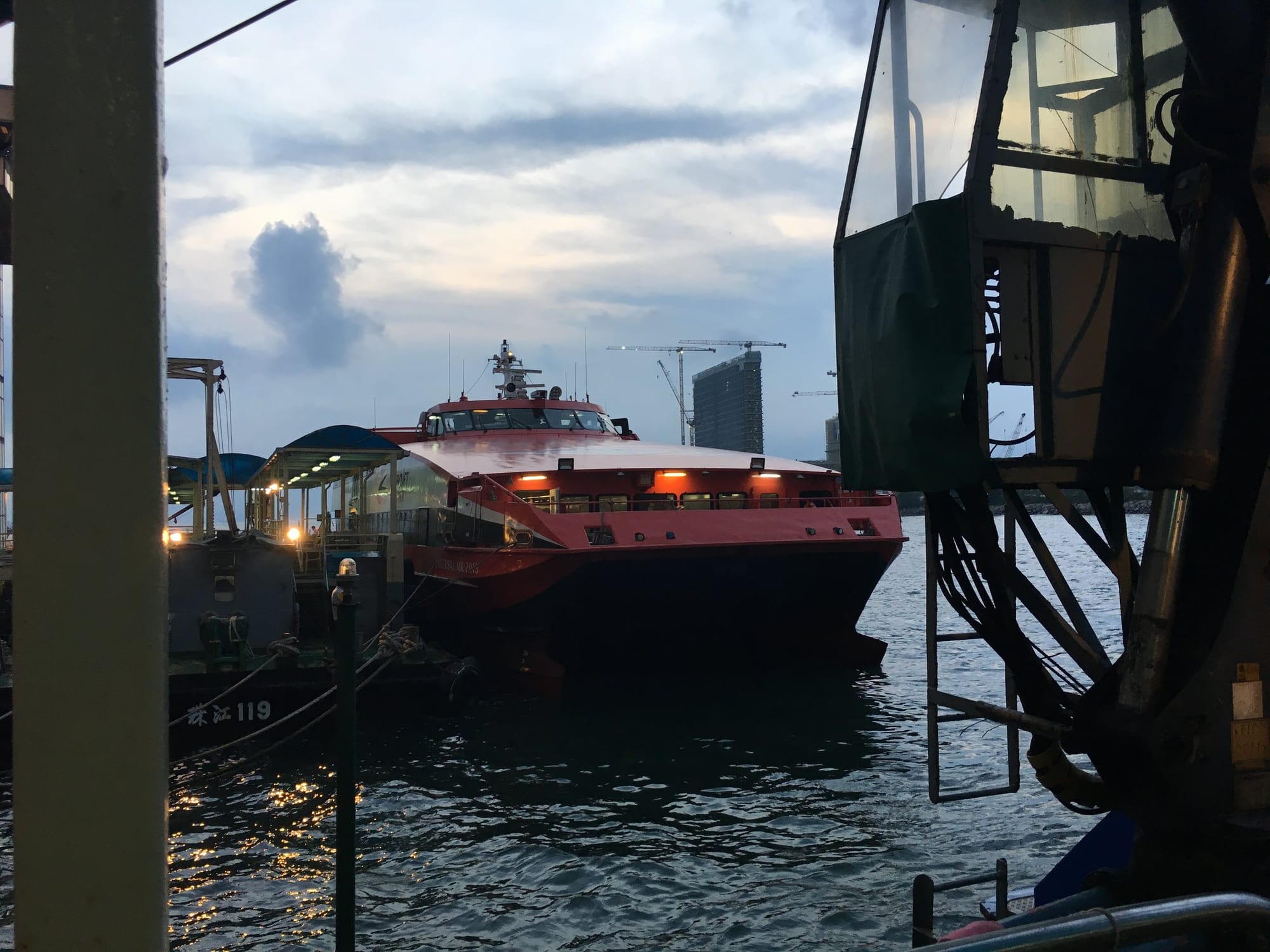
STDM introduced Western-style casino games and, crucially, modernised the sea link with Hong Kong, bringing millions of gamblers across the Pearl River estuary every year. Ho opened the Estoril Hotel, Macau's first luxury casino resort, in late 1962 and his flagship Lisboa Casino Hotel in 1970. Through a subsidiary, TurboJET, his group came to run one of the world's largest fleets of high-speed jetfoils between Hong Kong and Macau.
In the 1980s Ho began renting out private gambling rooms in his casinos to independent agents. This became the junket system: agents recruit high rollers, bring them to Macau and lend them money to gamble. Macau's law forbids casinos to lend to gamblers but does not expressly stop private companies from doing so, leaving the trade in a legal grey area. For decades the junkets fed the casinos' VIP rooms with wealthy players from across the border.
The monopoly ended in turmoil. In the late 1990s rival triad gangs fought for control of Macau's illicit businesses before the handover, in what became known as the casino wars; the violence left 122 people dead. Ho's licence, extended in 1986 for 15 years, expired at the end of 2001.
Handover, competition and the open door
Macau returned to China at midnight on 20 December 1999, after 442 years of Portuguese rule, as a special administrative region with its own economic system. The new government chose to liberalise. In 2002 it replaced the monopoly with three casino concessions, later six, granted to SJM (a subsidiary of Ho's STDM), Wynn Resorts, Las Vegas Sands, Galaxy Entertainment Group and others, including a partnership between MGM and Ho's daughter Pansy Ho.
The newcomers built quickly. The Sands Macao opened near the ferry terminal on 18 May 2004. On Cotai, a strip of land reclaimed from the sea between the islands of Taipa and Coloane, Las Vegas Sands opened The Venetian Macao on 28 August 2007, which became the territory's largest casino.
Demand came from the mainland. On 28 July 2003 China launched the Individual Visit Scheme, letting residents of selected cities visit Hong Kong and Macau on their own instead of only with approved tour groups or business visas. It began with Beijing, Shanghai and eight cities in Guangdong province and had grown to 49 cities by 2023. Macau's visitors still come largely from mainland China and Hong Kong.
- 1849
The Portuguese administration legalises gambling to raise revenue.
- 1961
Stanley Ho's group wins the gaming monopoly.
- 1970
The Lisboa Casino Hotel opens.
- 20 December 1999
Macau is handed over to China.
- 2002
The monopoly ends and new casino concessions are granted.
- 28 July 2003
The Individual Visit Scheme opens Macau to independent mainland visitors.
- 2007
The Venetian Macao opens and Macau's gambling revenue overtakes the Las Vegas Strip.
Why the money is so much bigger
Macau's casino money comes overwhelmingly from the gaming tables, and above all from high-stakes baccarat. Chinese gamblers generally prefer table games, only about 5 per cent of Macau's annual gaming revenue comes from slot machines, and baccarat is the only game played in its VIP rooms. Taxes on baccarat are the single largest source of public revenue in the territory.
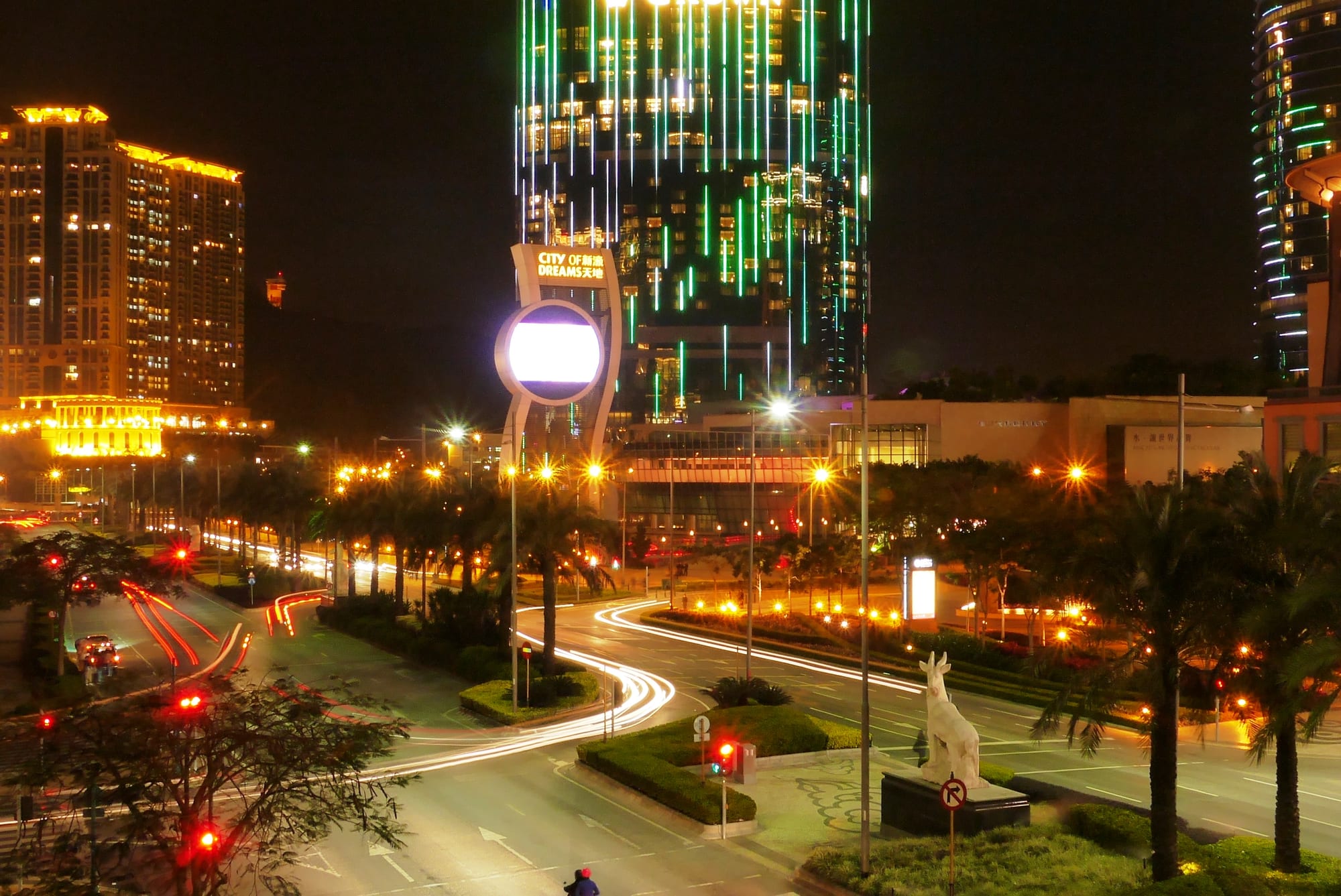
The boom remade Macau. The economy grew at double-digit rates every year from 2002 to 2014, making it one of the richest places in the world per person. Gambling's share of the economy peaked in 2013 at over 60 per cent. The tax rate on gross gaming revenue is 35 per cent, plus contributions that can lift the total to 40 per cent, and gaming taxes make up about 75 per cent of government revenue. That money funds a generous welfare system and an annual cash payment to residents.
A fragile kind of success
Depending so heavily on one industry, and on one source of customers, carries risks. When Xi Jinping's anti-corruption campaign took hold in mainland China, casino revenues fell, and competition from new casinos elsewhere in Asia pulled high rollers away; in 2019 earnings hit their lowest level in three years. The pandemic was far worse. Revenue fell 56 per cent in 2020, and monthly visitors dropped from about 3 million to fewer than 1 million in 2021.
Recovery has followed. In August 2025 Macau's casinos took in US$2.76 billion, the highest monthly figure since January 2020, and the territory remains the largest gambling centre in the world. Beijing, though, is pressing Macau to diversify away from its heavy dependence on gambling.