Culture & Customs · Nigeria
How did Nollywood become one of the biggest film industries in the world?
When Nigeria's cinemas collapsed, Lagos traders and filmmakers turned to cheap video cassettes, and sheer volume made Nollywood a giant.
By Globeway Editorial · 2 November 2026
The short answer
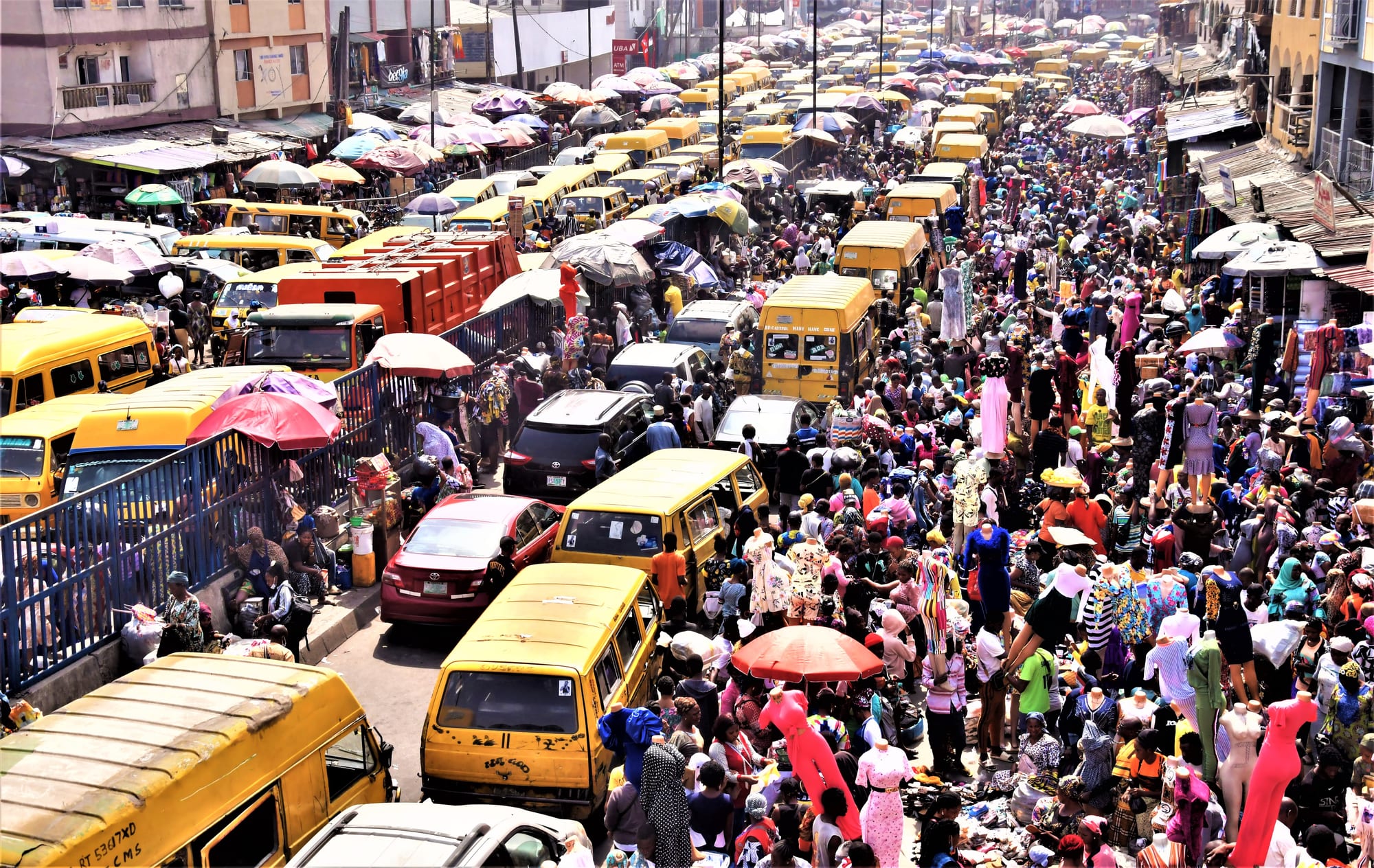
Nollywood became huge by making films faster and cheaper than anyone else, not by spending more. In the late 1980s Nigeria's cinemas were collapsing, so producers and traders in Lagos markets began shooting films straight onto video cassettes and selling them for people to watch at home. Films were made in days or weeks on tiny budgets, copied by the hundred thousand and sold in markets across the country. By 2005 the national censors were registering more than 1,700 Nigerian video films a year.
That volume is what puts Nollywood among the giants. In 2009 UNESCO rated it the second-biggest film industry in the world by output, after India's and ahead of the United States. By money it is smaller: estimates in 2014 valued it at about US$5.1 billion, which was reported as the third most valuable film industry in the world, behind the United States and India. Its stories, told in English, Yoruba, Igbo, Hausa and other Nigerian languages, found a vast audience across Africa and the diaspora.
A golden age that faded
The first films shown in Nigeria were screened at the Glover Memorial Hall in Lagos in August 1903. Through the colonial era, though, most production and distribution was in foreign hands, and Nigerian stories rarely reached the screen. After independence in 1960 that began to change. In 1972 the military government of Yakubu Gowon issued the Indigenization Decree, which transferred about 300 cinemas from foreign owners to Nigerians, and the oil boom of 1973 to 1978 gave many people money to spend on going to the pictures.
Theatre companies that had toured Yoruba towns moved onto film, led by figures such as Hubert Ogunde and Moses Olaiya. Olaiya's Mosebolatan (1985) took ₦107,000 in five days. But by the late 1980s the golden age was ending. A falling naira, little finance, few studios and repeated economic adjustment programmes under military rule hit the business hard. Some cinemas were bought by churches; others simply closed. By 1999 every one of the old cinema houses had collapsed.
Cassettes, camcorders and a market in Lagos
The answer came from television and from traders. Nigerian law limited foreign content on television, so Lagos producers had filmed local popular theatre for broadcast, and copies began to circulate on video. In 1983 a heavily promoted television horror film, Evil Encounter, appeared on video in the streets the morning after it aired and sold quickly at Alaba market in Lagos. The lesson was clear: a film could make money on tape without any cinema at all.
The first Nigerian film produced on video was Soso Meji in 1988. The film most often credited with starting the boom, though, is Living in Bondage (1992), an Igbo-language thriller about a man who joins a secret cult and sacrifices his wife for wealth. It began with a script by Okechukwu Ogunjiofor, who lacked money, and Kenneth Nnebue, a businessman who imported VHS tapes from Taiwan and had a surplus of blank cassettes. They shot it on a VHS camcorder. It is regarded as the first Nigerian home video to achieve blockbuster success, though historians point out that video films were already selling before it, including Nnebue's own Yoruba-language films.
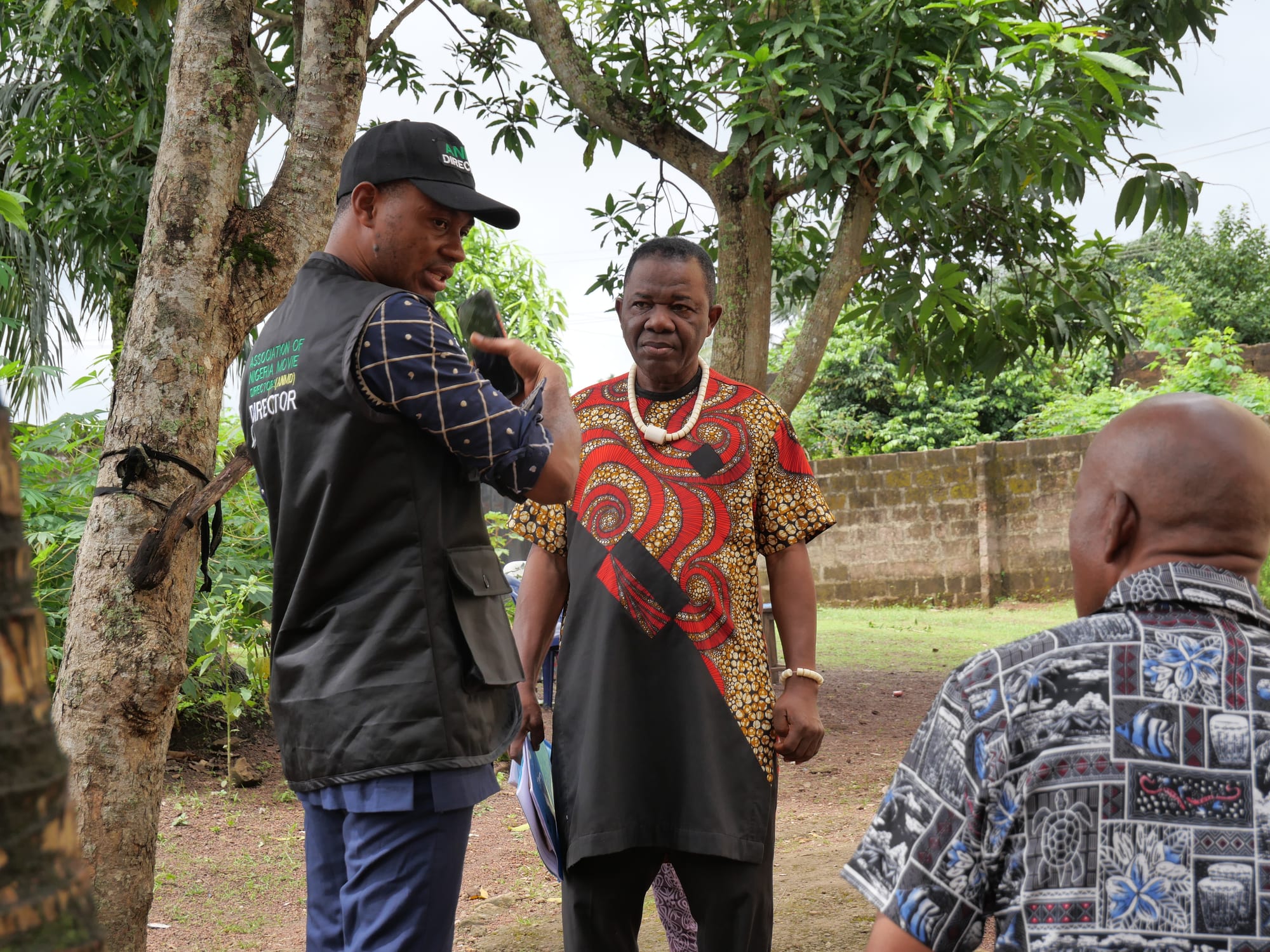
Video-era films were shot on location in rented homes, hotels and offices, most often in Lagos, Enugu, Abuja and Asaba.
Speed, stories and a continent of viewers
The business model was simple and fast. Marketers in the markets paid for the films and often controlled casting. Most financiers were based at Idumota market in Lagos, while the films were distributed widely through Alaba market, in Ojo. A finished film skipped cinemas entirely and was copied onto about 200,000 cassettes, later VCDs and DVDs. An average title sold 50,000 copies; a hit might sell several hundred thousand.
Shooting schedules were extraordinary. The director Chico Ejiro, who made more than 80 films in five years, was reported to boast that he could finish a film in three days. Registered titles rose from 177 in 1995 to 1,018 in 2002, and reached 1,711 in 2005. By 2004 at least four or five films were being made every day, and at its peak around 2008 the industry released about 200 video films a month.
Audiences cared less about polish than about stories they recognised. The films dealt with money, betrayal, love, family, faith and the supernatural, and they were watched on television screens across Africa, the Caribbean and the diaspora. Actors became household names across the continent, and Nigerian slang and fashions spread with them. The success even caused a backlash: shops selling Nigerian films were raided by police in Ghana, and the Democratic Republic of the Congo tried to ban them.
- 1903
The first films are screened at the Glover Memorial Hall in Lagos.
- 1972
The Indigenization Decree transfers about 300 cinemas to Nigerian owners.
- 1988
Soso Meji becomes the first Nigerian film produced on video.
- 1992
Living in Bondage becomes the first Nigerian home video blockbuster.
- 2004
Silverbird opens modern cinemas in Lagos, beginning the return to the big screen.
- 2005
Registered Nigerian video films reach an all-time high of 1,711.
- 2009
UNESCO rates Nollywood the world's second-biggest film industry by output.
Piracy, and the move back to cinemas
Speed had a price. Critics called the industry "visionless", with actors arriving on set to find the script still being written. Piracy was worse. According to the World Bank, about 90 percent of DVDs circulating in Nigeria were illegal copies, and a new release had about two weeks before pirated versions flooded the market. Investors began to move their money elsewhere, and after the peak years of 2005 to 2008 the number of video films declined.
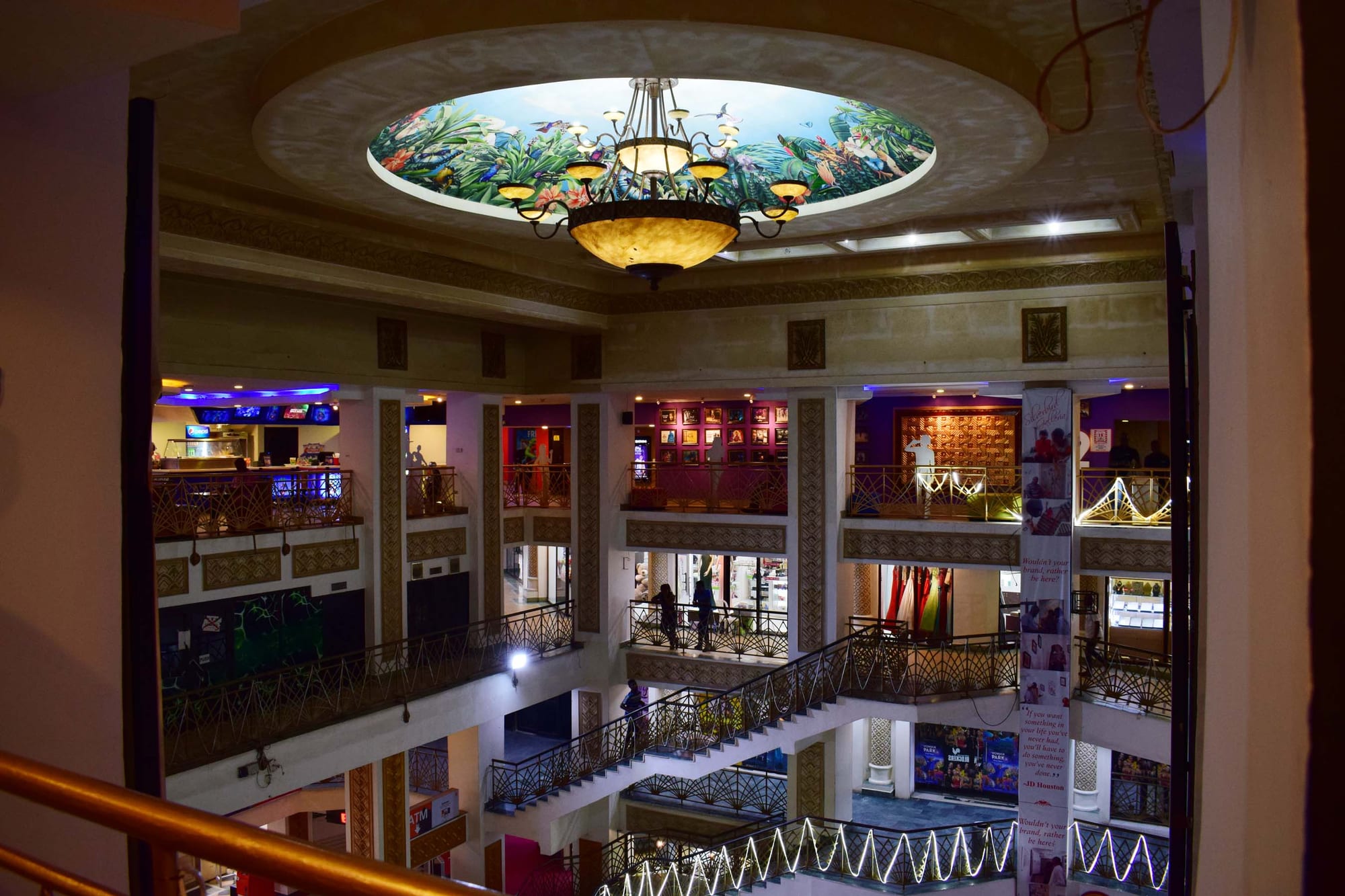
The Yoruba-language film Irapada (2006), by Kunle Afolayan, was the first film of the new wave to be shown here.
What followed is known as New Nigerian Cinema. In 2004 the Silverbird Group opened modern cinemas in Lagos, followed by other chains, and Nigerian films returned to the big screen with budgets that typically ran from about US$250,000 to US$750,000 and shoots that took months rather than days. The thriller The Figurine (2009) is widely regarded as the turning point. Government funds and bank loans followed, and streaming opened another door: Lionheart (2018), directed by Genevieve Nnaji, became the first Netflix original film produced in Nigeria, and filmmakers now also release work directly on YouTube to reach viewers and fight piracy.
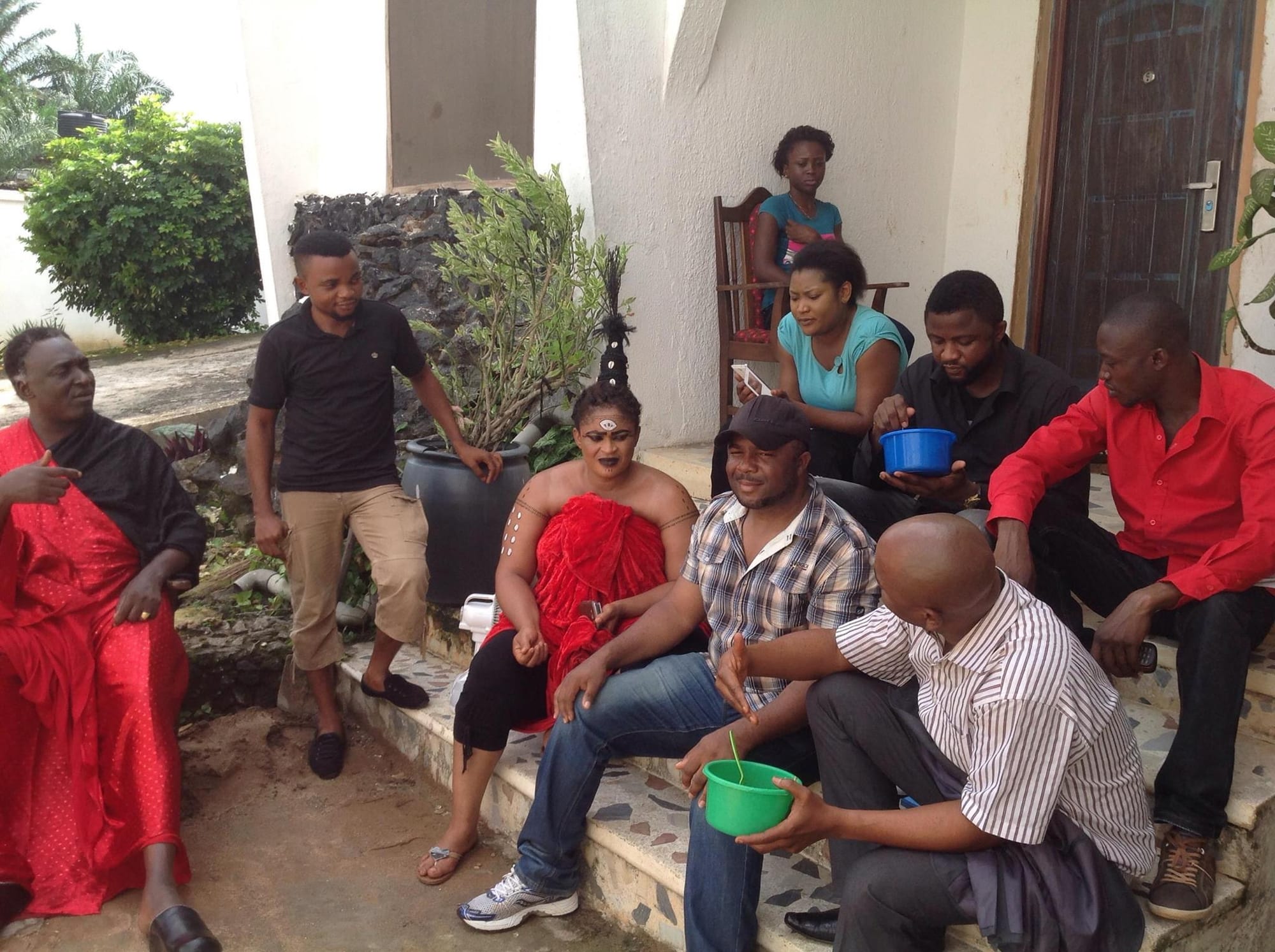
Nollywood is not one industry but several, with films made in English, Yoruba, Igbo, Hausa and other languages.
Many languages, one name
Nollywood is a nickname, a blend of "Nigeria" and "Hollywood", first traced to articles in The New York Times in 2002. It covers several industries at once. Yoruba-language cinema grew out of travelling theatre. Hausa-language film, called Kannywood, is based in Kano in the north. Efik, Ibibio and Annang films are made around Calabar and Uyo. English-language films form a melting pot, drawing filmmakers from most of the regional industries.
The box office keeps growing too. A Tribe Called Judah, produced by and starring Funke Akindele and released in December 2023, became the first Nollywood film to earn one billion naira at the box office. From a surplus of blank cassettes, the industry built a film culture that a whole continent recognises.