Attractions & Natural Wonders · Hungary
Hungary: Eleven Attractions and Natural Wonders
A river capital of grand bridges and thermal baths, a baroque wine town, the biggest lake in Central Europe, and a plain where cowboys still crack whips
By Globeway Editorial · 30 September 2026
A river, a plain, and a language of its own
Hungary sits in the Carpathian Basin in Central Europe, landlocked, with a population of about 9.6 million. Its language, Hungarian, is unrelated to those of any of its neighbours, and its culture — from goulash to Bartók to a strong bath tradition inherited from Roman and Ottoman times — has a distinct flavour. The country is mostly flat: the Great Hungarian Plain (Alföld) covers the east and south, with low hills and the Danube bend in the north and Lake Balaton in the west.
The eleven below start in Budapest — where most of the interest is — and fan out to the wine regions, the lake, and the plain. Late spring and early autumn are ideal; Budapest is a year-round city, and the baths are wonderful in winter.
1. The Hungarian Parliament and Pest
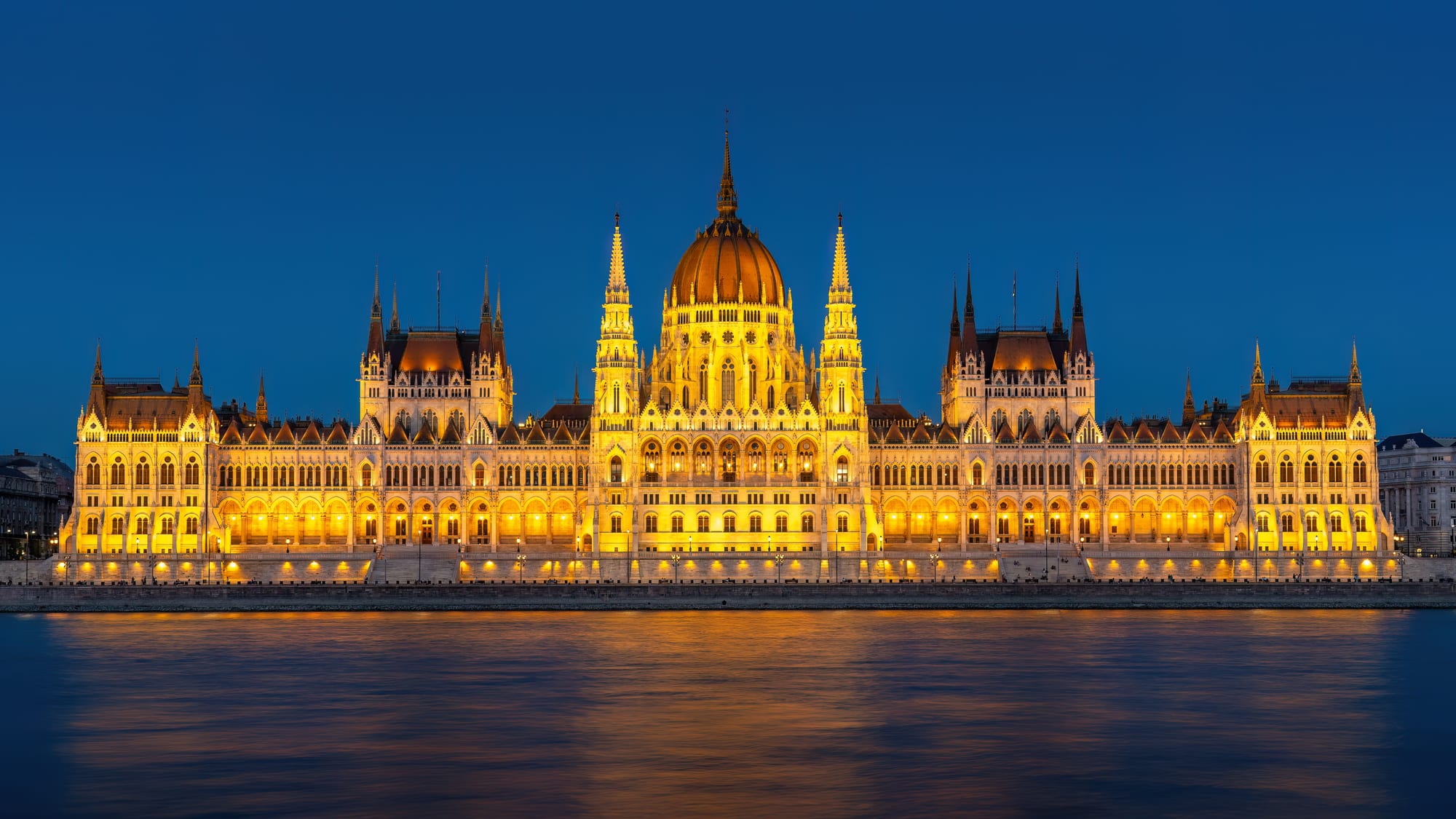
The Parliament, a neo-Gothic pile of 691 rooms opened in 1902, is the largest building in Hungary and displays the Holy Crown of Hungary; guided tours run when the house is not sitting. Around it, flat Pest is the commercial half of the city — the grand Andrássy Avenue and the Opera House, the domed St Stephen's Basilica, the huge Central Market Hall, the Jewish Quarter with Europe's largest synagogue and its "ruin bars", and the sombre Shoes on the Danube memorial.
Pest is walkable and laid out on ring and radial boulevards; the metro Line 1 is itself a UNESCO monument.
2. Buda Castle Hill and Fisherman's Bastion
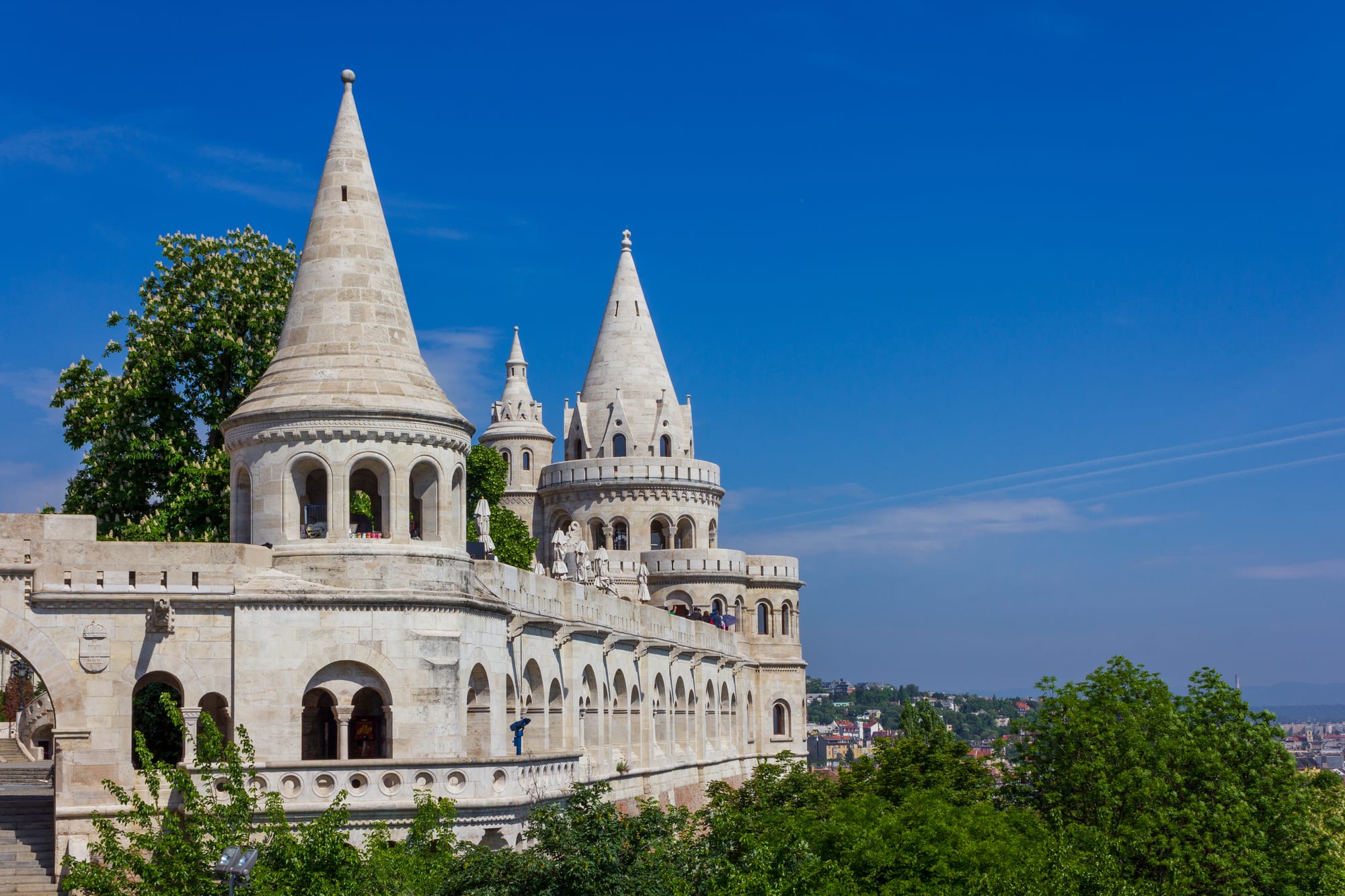
On the hilly Buda side, the medieval Castle District holds the sprawling Buda Castle (now the National Gallery and history museum), the Matthias Church with its tiled roof, and the Fisherman's Bastion — a whimsical white rampart of turrets giving one of the best views over the river and Parliament. Below, the Buda hills have the Gellért Hill citadel, reopened in 2026 after renovation, and the Rudas and Gellért baths.
A funicular or a short walk climbs from the Chain Bridge; go at sunrise or dusk to beat the crowds.
3. The Chain Bridge and the Danube
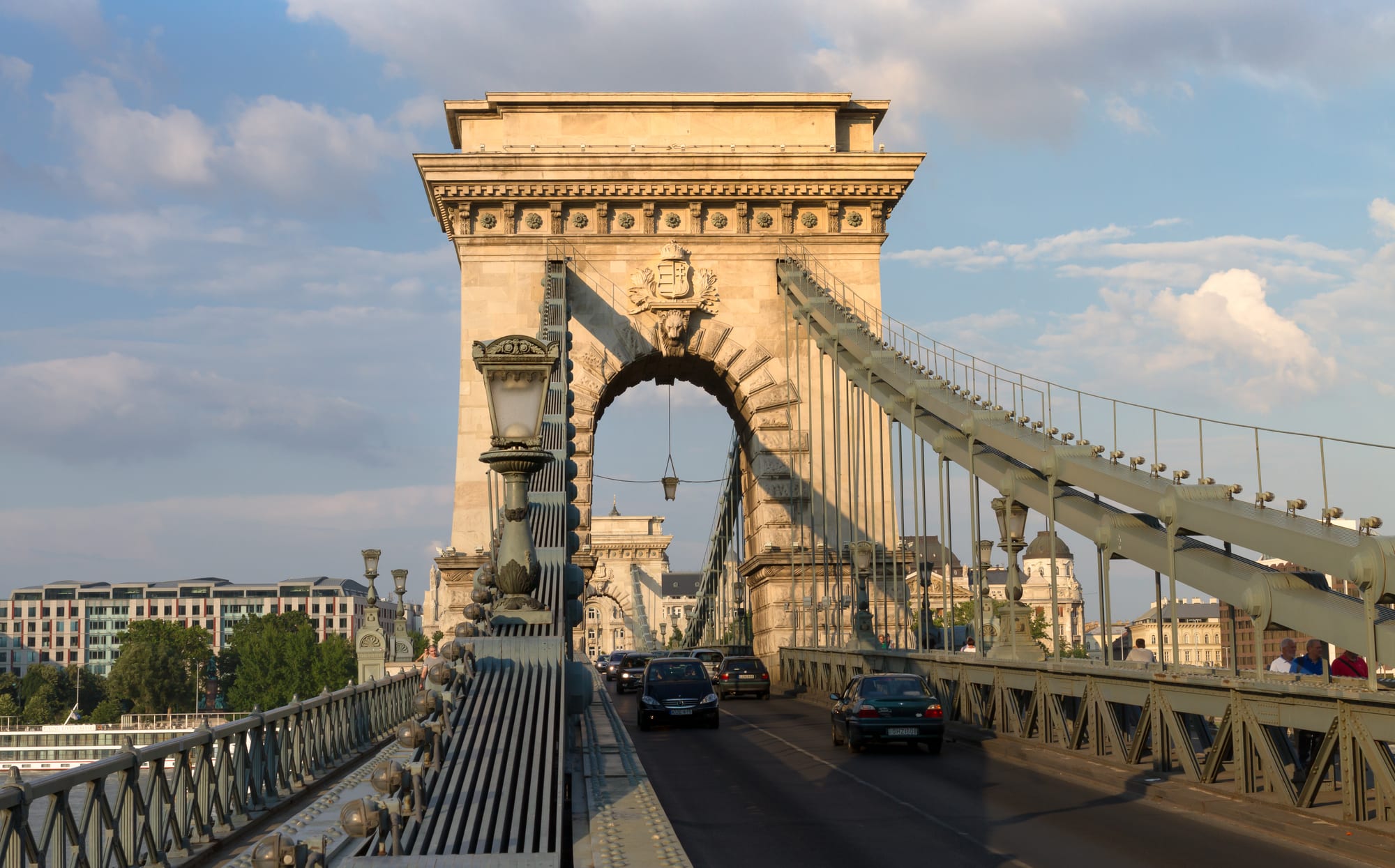
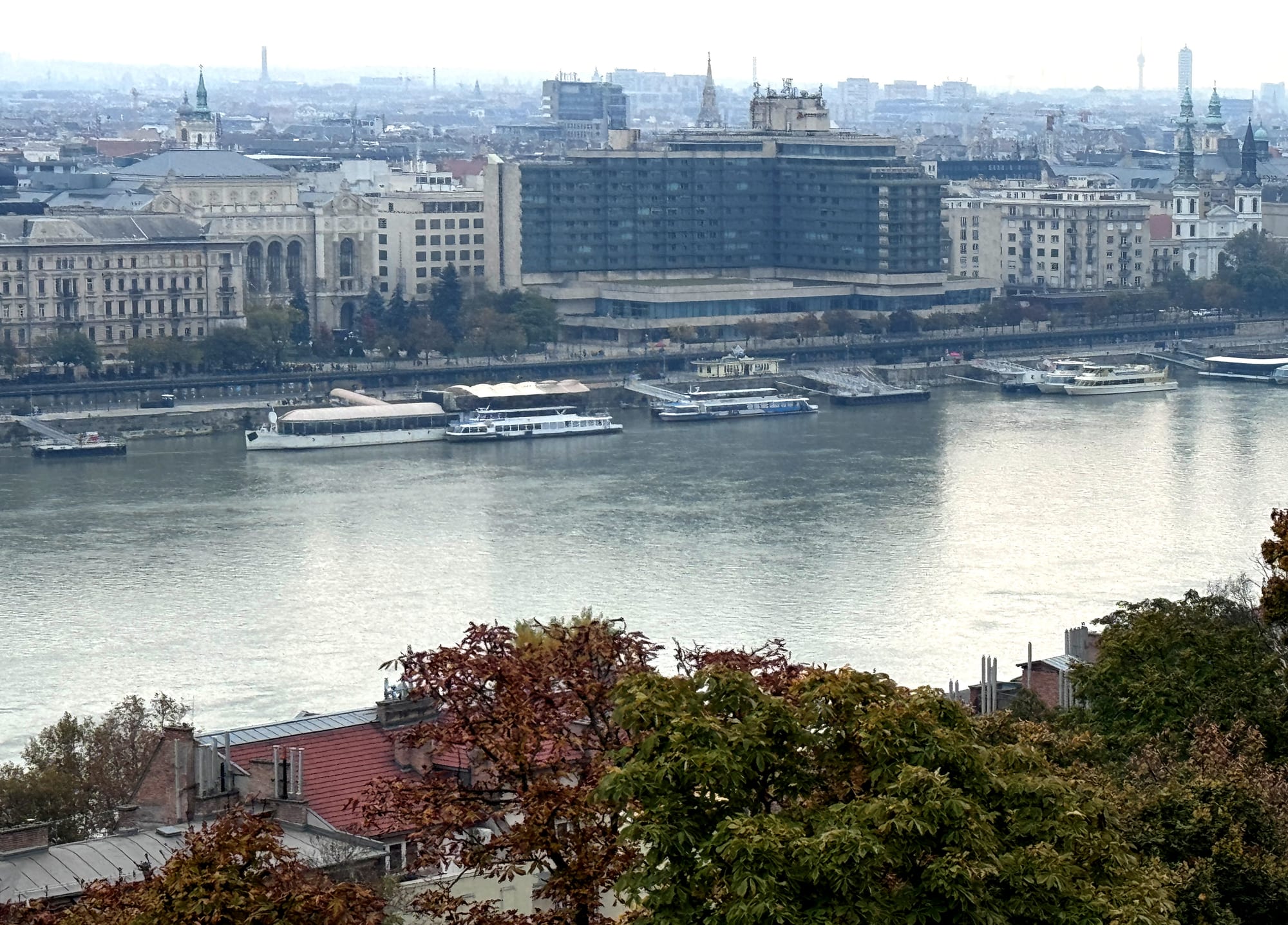
The Széchenyi Chain Bridge, guarded by four stone lions, was the first permanent link between the two halves of the city and remains its symbol. The Danube here is the spine of a sightseeing walk or an evening cruise, passing the Parliament, Castle Hill, the Gellért Hill statue, and Margaret Island — a park in midstream, largely closed to cars, with gardens, a musical fountain, and a running track.
Evening river cruises, some with dinner, are a popular way to see the lit-up banks.
4. The thermal baths
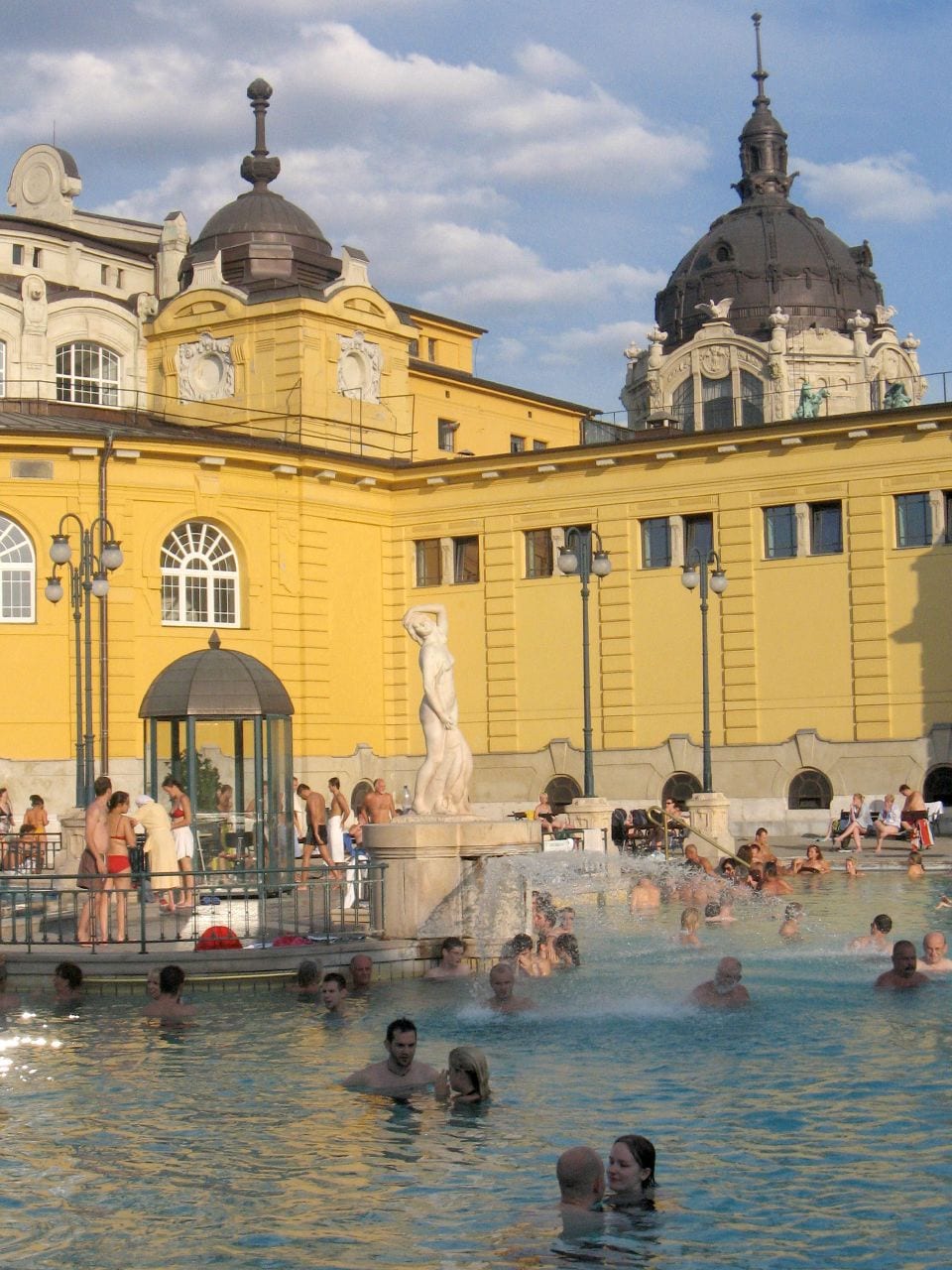
Budapest sits on a network of hot springs and has bathed in them since Roman times, with a big boost from the Ottomans. The grand yellow Széchenyi Baths in City Park have 18 pools, some outdoors and warm enough to use in the snow, and is the largest medicinal bath in Europe; the 16th-century Ottoman Rudas and the Lukács are the other classics. The Art Nouveau Gellért closed for refurbishment in October 2025, with reopening planned for 2028, and the Ottoman Király has been closed for renovation since 2020.
For many locals the baths are a social habit as much as a treatment.
5. Lake Balaton
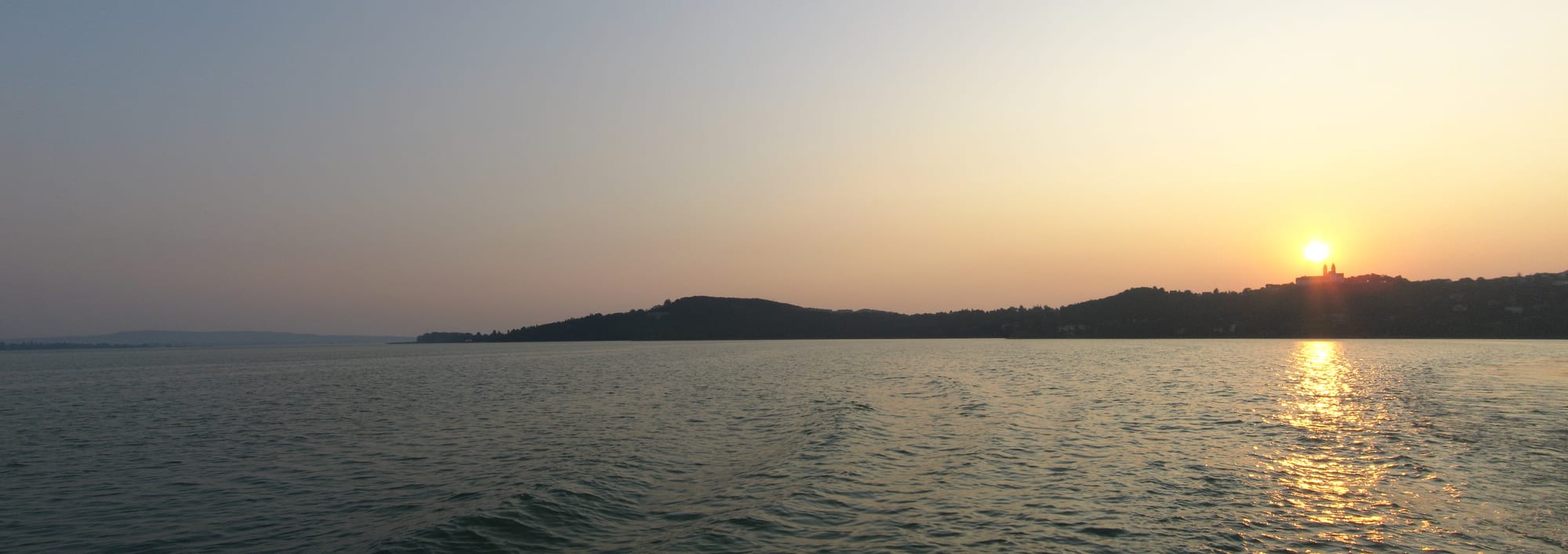
Balaton, the largest lake in Central Europe, is Hungary's summer playground — long, shallow, and warm, averaging about 3 metres deep. The south shore (Siófok) is the party side; the north shore is prettier, with the Tihany peninsula and its baroque abbey, the volcanic hills and wine of Badacsony, the reed-fringed Kis- Balaton nature area, and the thermal lake of Hévíz, the largest swimmable thermal lake in Europe.
Ferries cross the lake, and a cycle path rings the whole shore.
6. Eger
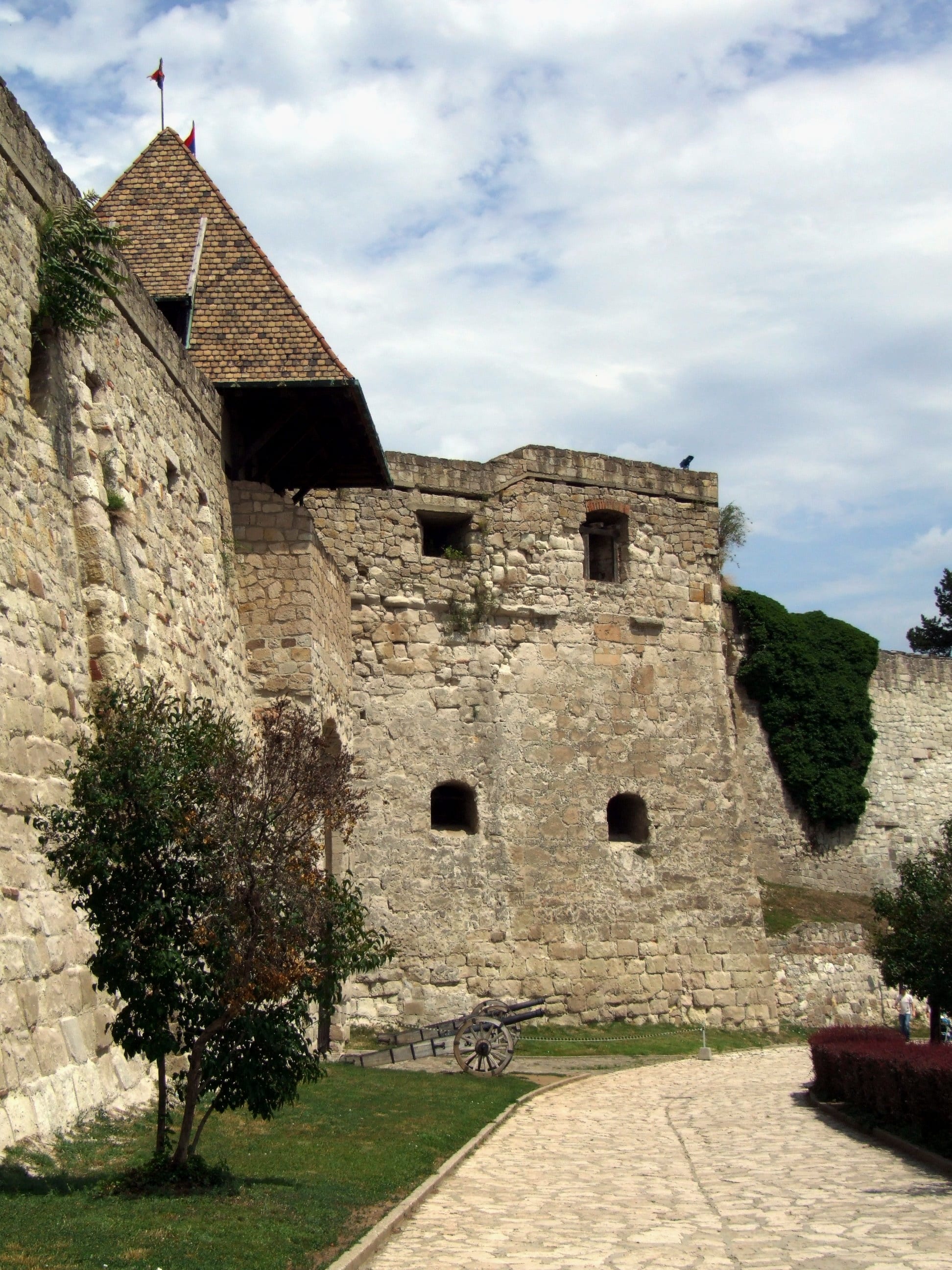
Eger, in the northern hills, is a compact baroque town famous for two things: the 1552 defence of its castle against a much larger Ottoman army, a founding national legend, and the red wine "Egri Bikavér" ("Bull's Blood"), tasted in the cellars of the Szépasszony-völgy ("Valley of the Beautiful Women") on the edge of town. It also has a 40-metre minaret, one of the most northerly left from Ottoman rule in Europe.
It makes an easy overnight from Budapest.
7. The Tokaj wine region
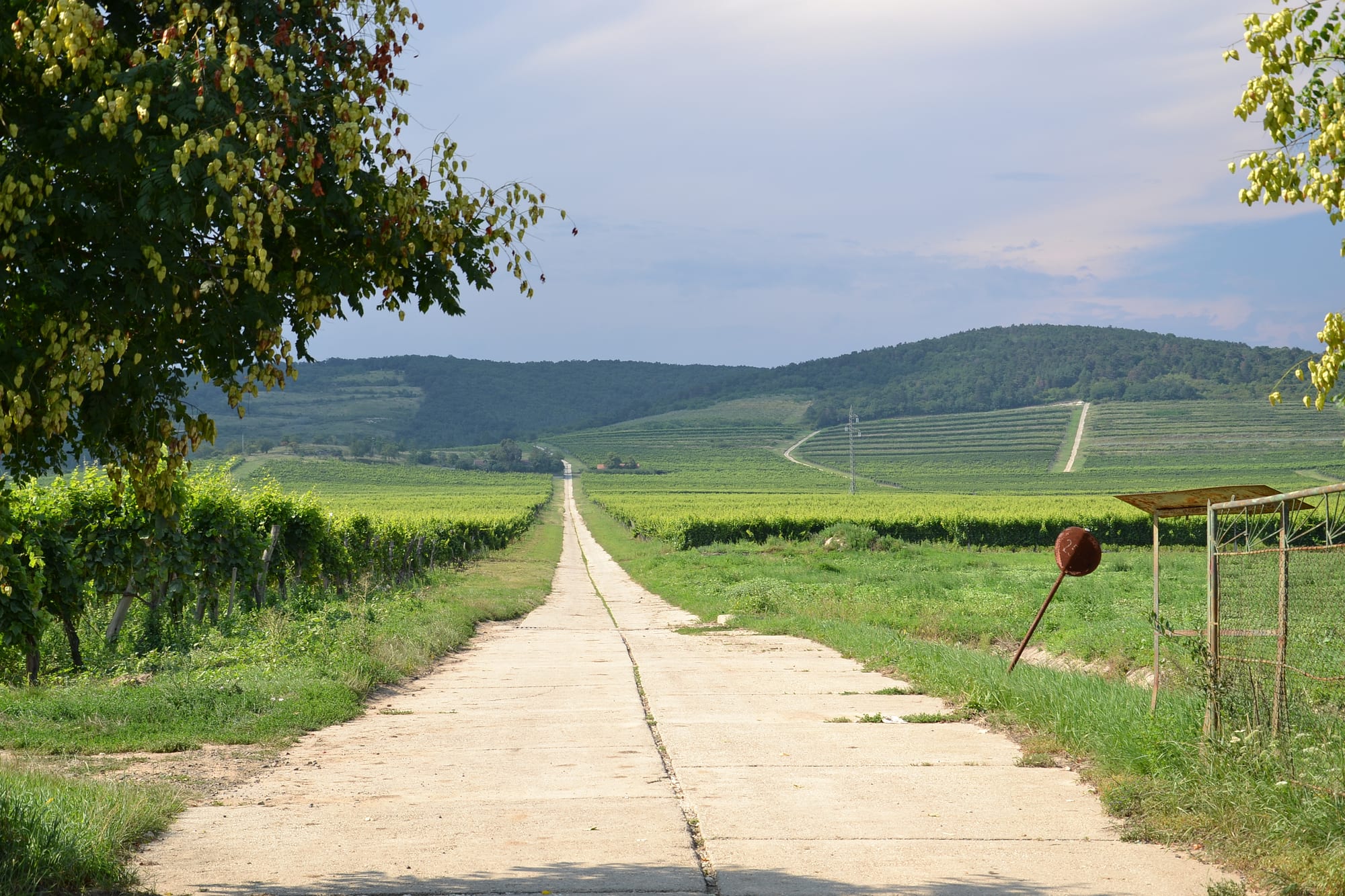
In the far northeast, the volcanic slopes around the town of Tokaj produce Tokaji Aszú — a golden, honeyed dessert wine made from grapes shrivelled by "noble rot", prized at European courts for centuries and protected as a UNESCO cultural landscape. Cellars carved deep into the rock, many dating from between 1400 and 1600, host tastings in Tokaj, Mád, and Tarcal.
It pairs with a visit to Eger for a wine-focused few days.
8. Pécs
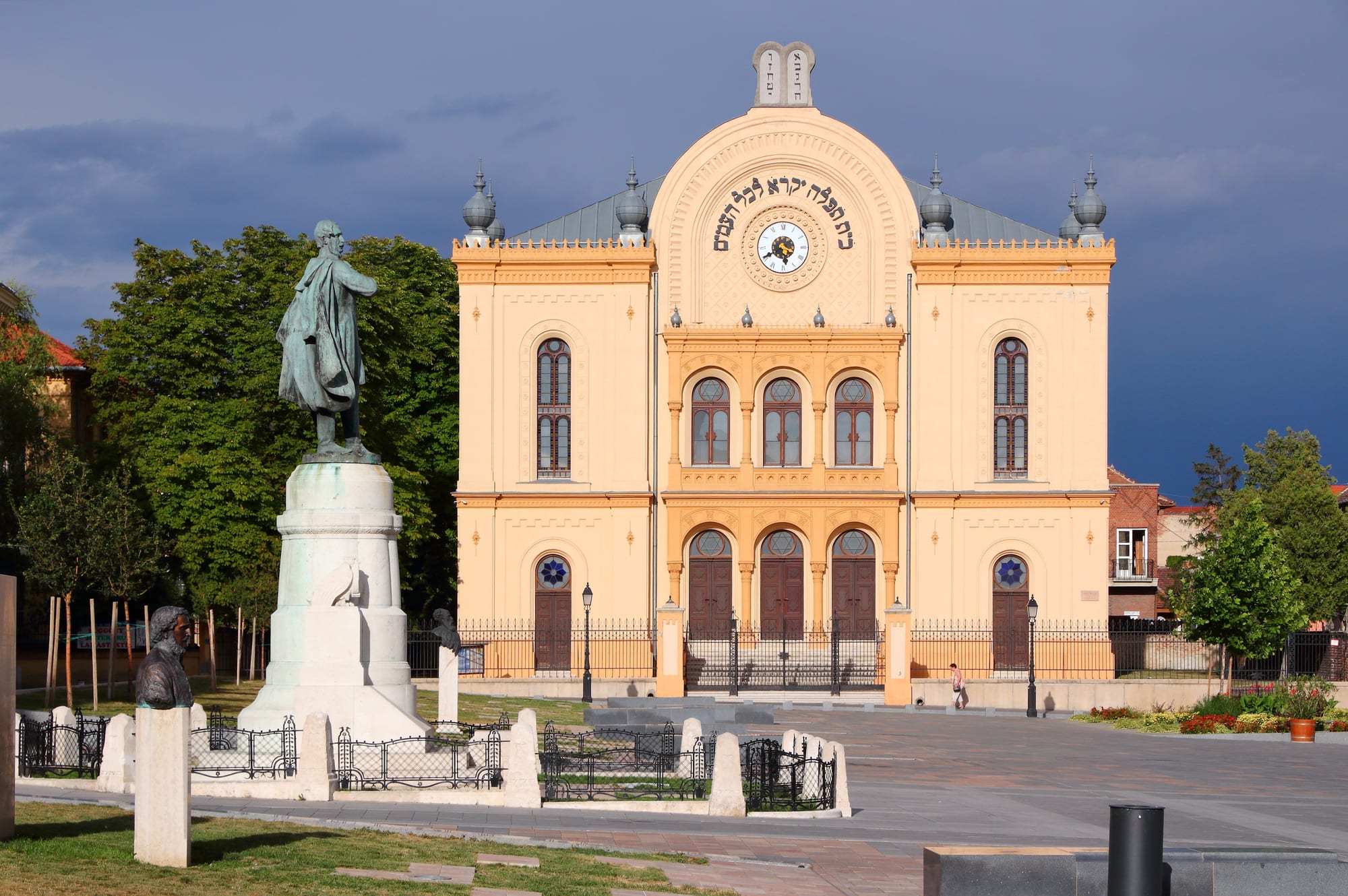
Pécs, near the Croatian border, sits on the sunny southern slopes of the Mecsek hills. It has an early-Christian burial complex from Roman "Sopianae" (a UNESCO site) with painted tombs, a former mosque that is now the parish church on the main square, a cathedral dating back to the 11th century, the Zsolnay porcelain quarter, and the oldest university in the country.
It makes a good base for the Villány wine region and the Mecsek hills.
9. Hollókő
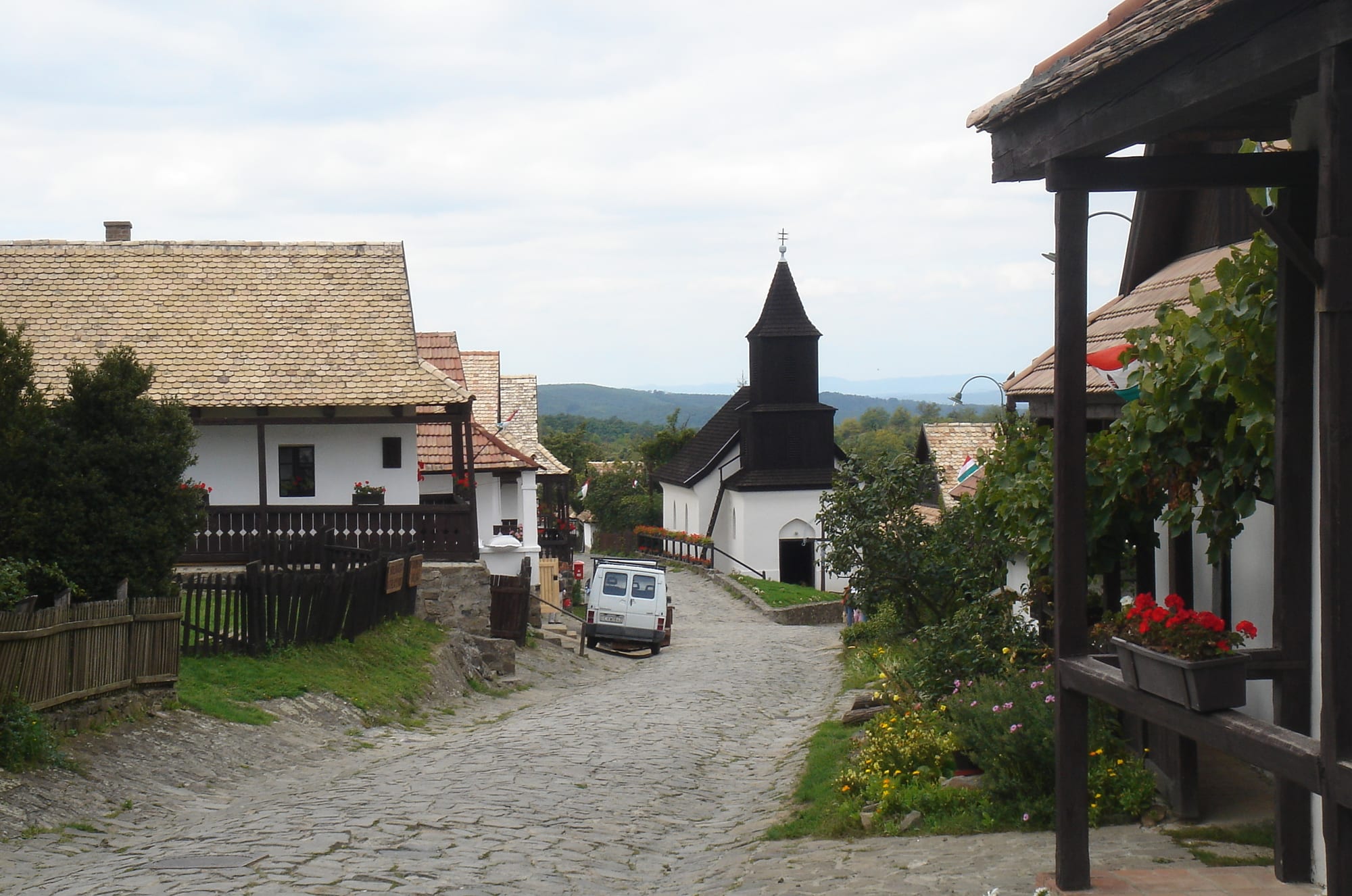
Hollókő, in the Cserhát hills north-east of Budapest, is a small, still-inhabited village of 67 protected houses — whitewashed, timber-porched farm cottages around a wooden-towered church — kept as an example of rural life before the 20th century, and a UNESCO World Heritage Site. Folk costume and Palóc customs are part of village life, especially at festivals.
There is a ruined hilltop castle above the village and marked walks in the hills.
10. Hortobágy and the Great Plain
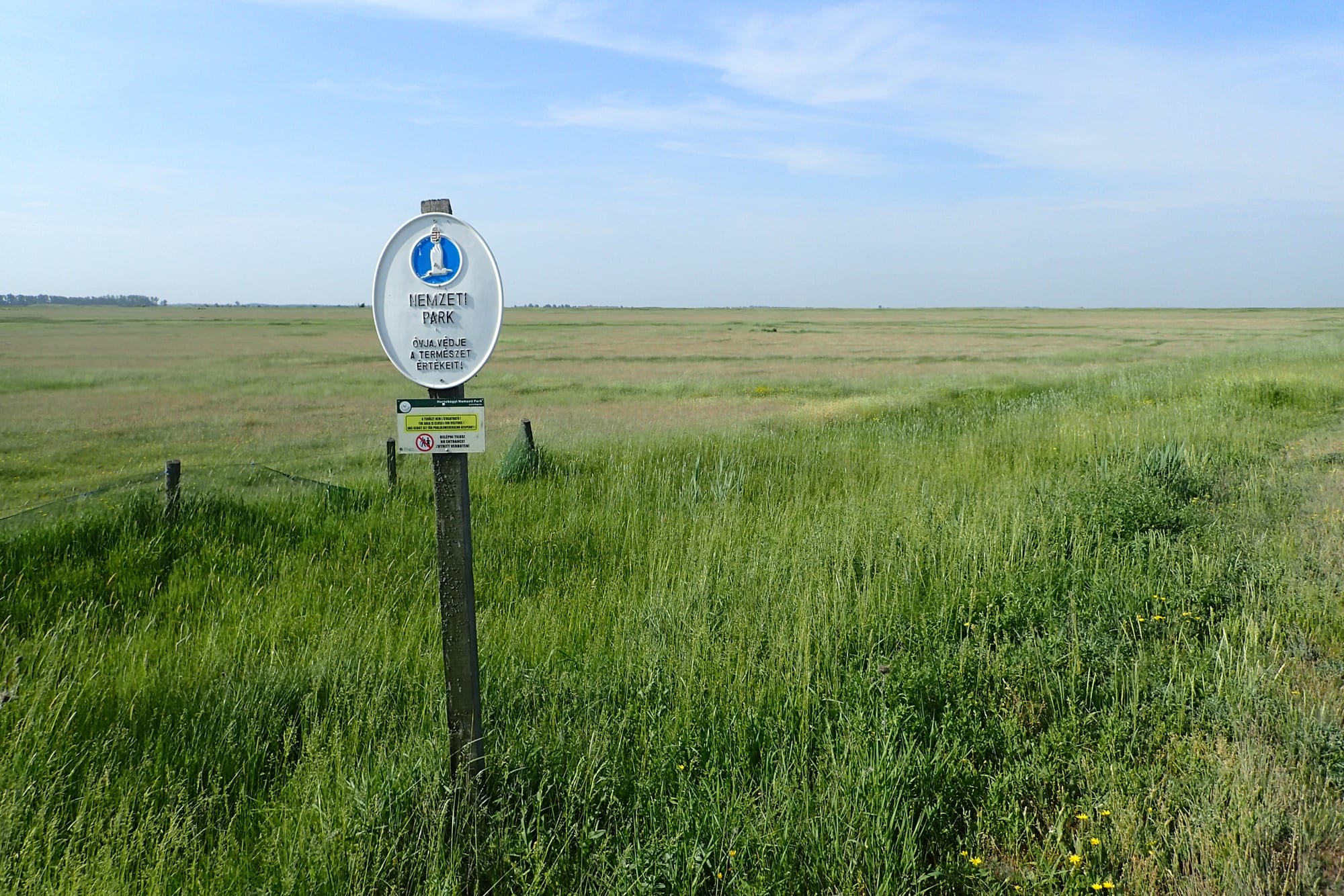
Hortobágy, east of the Tisza, is the classic Hungarian puszta — a vast, flat, salty grassland grazed by grey cattle, racka sheep with corkscrew horns, and water buffalo, and worked by csikós horse-herders who put on riding displays. The park is a UNESCO site and an important stopover for migrating cranes and other birds.
Debrecen, Hungary's second-largest city, is the regional base.
11. The Aggtelek caves
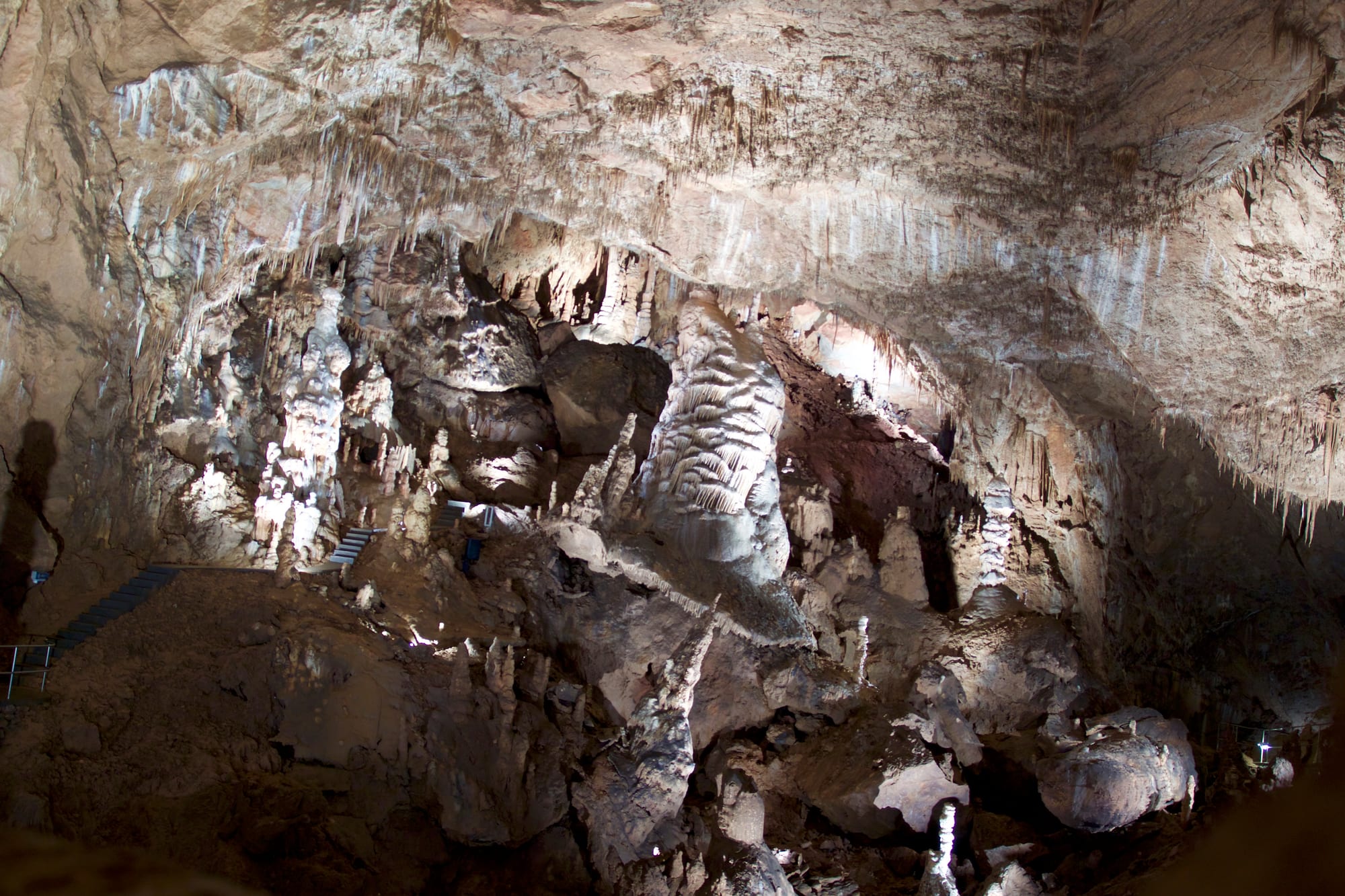
In the far north, on the Slovak border, the Aggtelek Karst holds a great many caves, jointly listed by UNESCO in 1995 with the Slovak Karst next door. The show-piece Baradla Cave is part of a cave system more than 25 kilometres long, with richly decorated stalactite halls, one large enough to hold 1,000 people.
It is a remote corner, usually combined with a trip to Tokaj or the Bükk hills.
Hungary is small and Budapest-centric: three or four days in the capital covers the essentials, with easy overnights or day trips to Eger, Lake Balaton, or the Danube Bend (Szentendre, Visegrád, Esztergom). A week allows time for Tokaj, Pécs, or the plain.