Food · Jamaica
Jamaica: Food and the National Dish
A fruit once feared for its toxicity, now cooked into the official national dish alongside salted cod, and a smoky pimento-wood grilling tradition known worldwide
By Worldlore Editorial · 30 September 2026
An island cuisine built on African, Indigenous and colonial layers
Jamaican food blends West African cooking techniques, brought by enslaved people, with Indigenous Taíno methods like pimento-wood smoking, and ingredients introduced under British colonial rule. That layered history produced a cuisine distinctly Jamaica's own, recognised today for both its official national dish and its globally famous jerk seasoning.
The national dish: ackee and saltfish
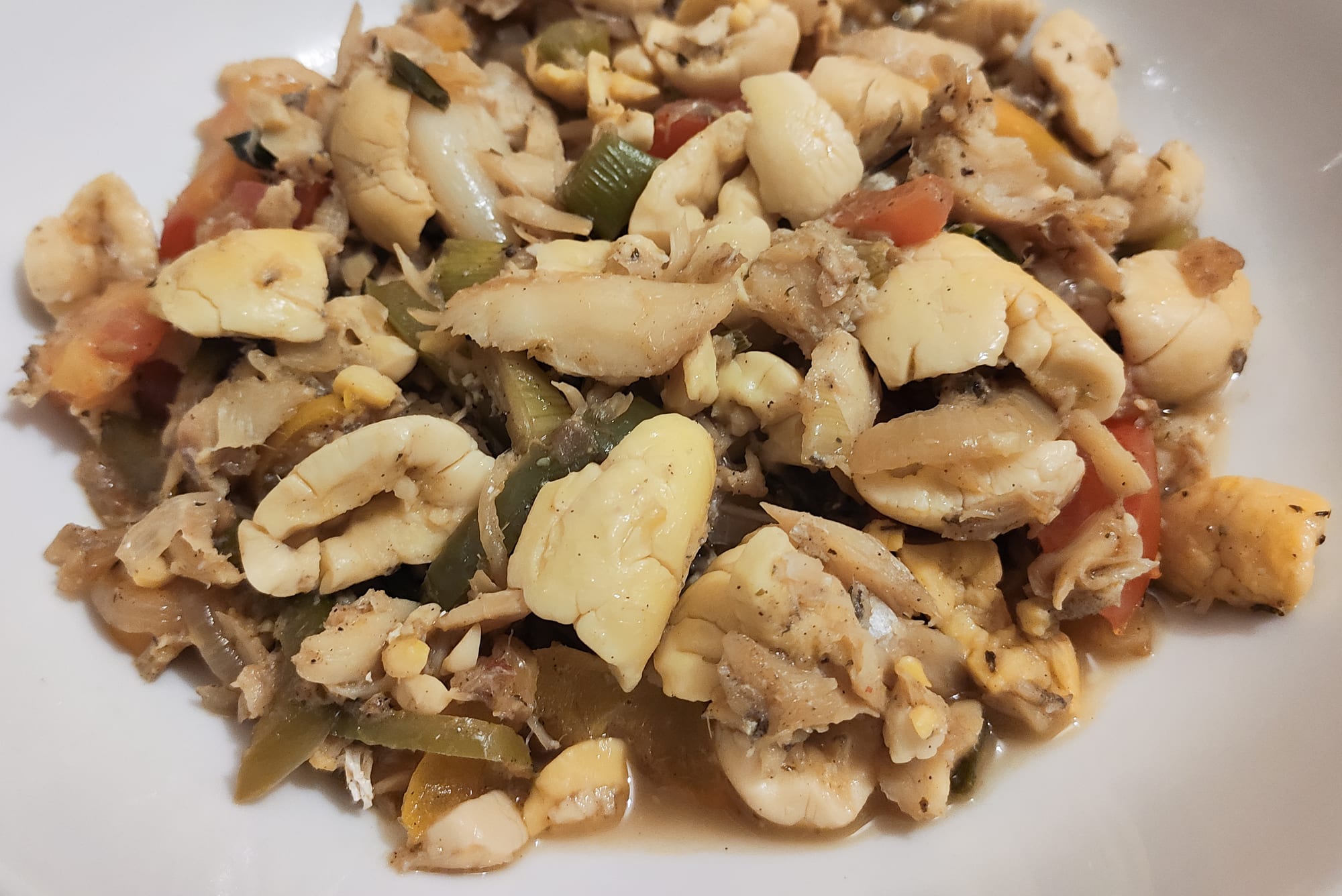
Ackee and saltfish, Jamaica's official national dish, combines ackee, a fruit native to West Africa that turns soft and egg-like when cooked properly, with salted, dried cod, sautéed together with onion, tomato and Scotch bonnet pepper. Ackee is toxic if eaten unripe or improperly prepared, so the dish carries real culinary knowledge behind its apparent simplicity, passed down through generations of Jamaican cooking.
Jerk seasoning and the everyday pantry
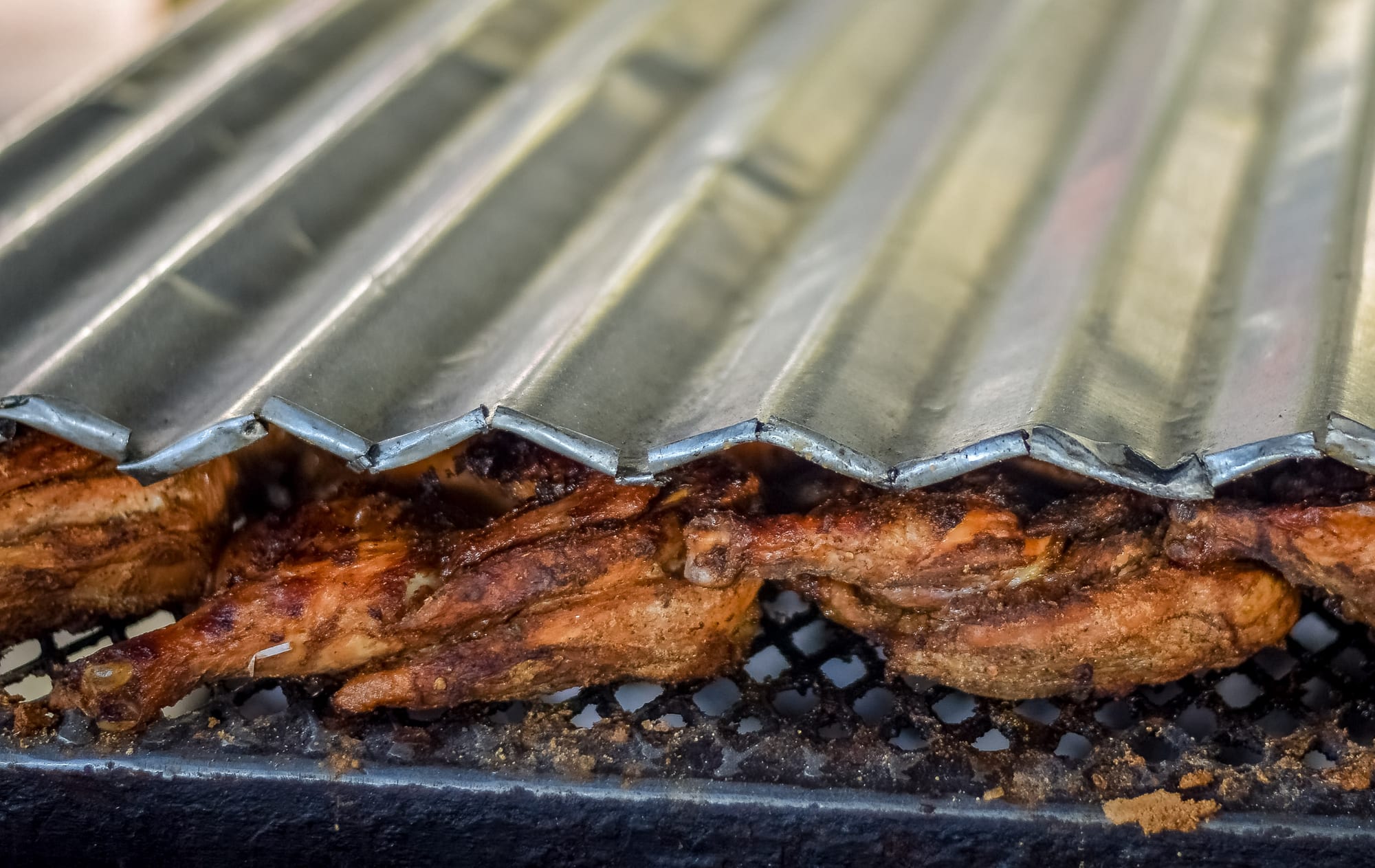
Jerk seasoning, a fiery blend built on Scotch bonnet pepper and allspice (pimento), applied to chicken, pork or fish and traditionally grilled slowly over pimento wood, is Jamaica's other great culinary export, internationally recognised well beyond the island itself. Rice and peas (cooked with coconut milk and kidney beans, despite the name), plantain, and callaloo, a leafy green similar to spinach, round out the everyday Jamaican table.
History behind the fire
Jerk cooking traces back to the Indigenous Taíno, who cured and smoked meat over pimento wood; the technique was taken up by the Maroons, communities of escaped and formerly enslaved Africans in Jamaica's mountainous interior, who kept pimento wood both for smoking and for its own distinctive flavour. Ackee, brought to Jamaica from West Africa before 1773, became so central to the island's food identity that it is now Jamaica's official national fruit.
Dishes to know
Five more to recognise across Jamaica:
- Jerk chicken — chicken marinated in fiery jerk seasoning and
traditionally grilled over pimento wood.
- Rice and peas — rice cooked with coconut milk and kidney beans, a
standard side dish despite its name.
- Curry goat — goat meat slow-cooked in curry spices, reflecting
Jamaica's Indo-Caribbean influence.
- Festival — a slightly sweet, fried dumpling, a common accompaniment
to jerk dishes.
- Callaloo — a leafy amaranth green similar to spinach, steamed with
onion, tomato and seasoning.
Drinks
Blue Mountain coffee, grown in Jamaica's Blue Mountains, is internationally regarded as among the world's finest and most expensive coffees. Jamaican rum, distilled on the island for centuries, and sorrel, a spiced hibiscus drink especially associated with Christmas, round out the country's most distinctive drinks.
Eating as a traveller
Vegetarians will find rice and peas, plantain and callaloo manageable, though meat and fish are central to most traditional dishes. Bottled water is the safer choice in the western parishes, where repairs to water supplies after Hurricane Melissa in October 2025 were still under way into 2026. Trying jerk cooked the traditional way, over pimento wood at a roadside jerk pan rather than a hotel restaurant, is one of the most rewarding ways to experience Jamaica's most famous food export.
What to take from the table
Ackee and saltfish, Jamaica's official national dish, carries real culinary skill behind its everyday appearance — and jerk chicken, smoky and fiery from the pimento wood, is the dish that has carried Jamaican food furthest around the world.