Food · Kiribati
Kiribati: Food and the National Dish
A Pacific atoll nation with almost no farmland, where coconut, fish and one carefully cultivated giant taro carry most of the everyday diet
By Worldlore Editorial · 30 September 2026
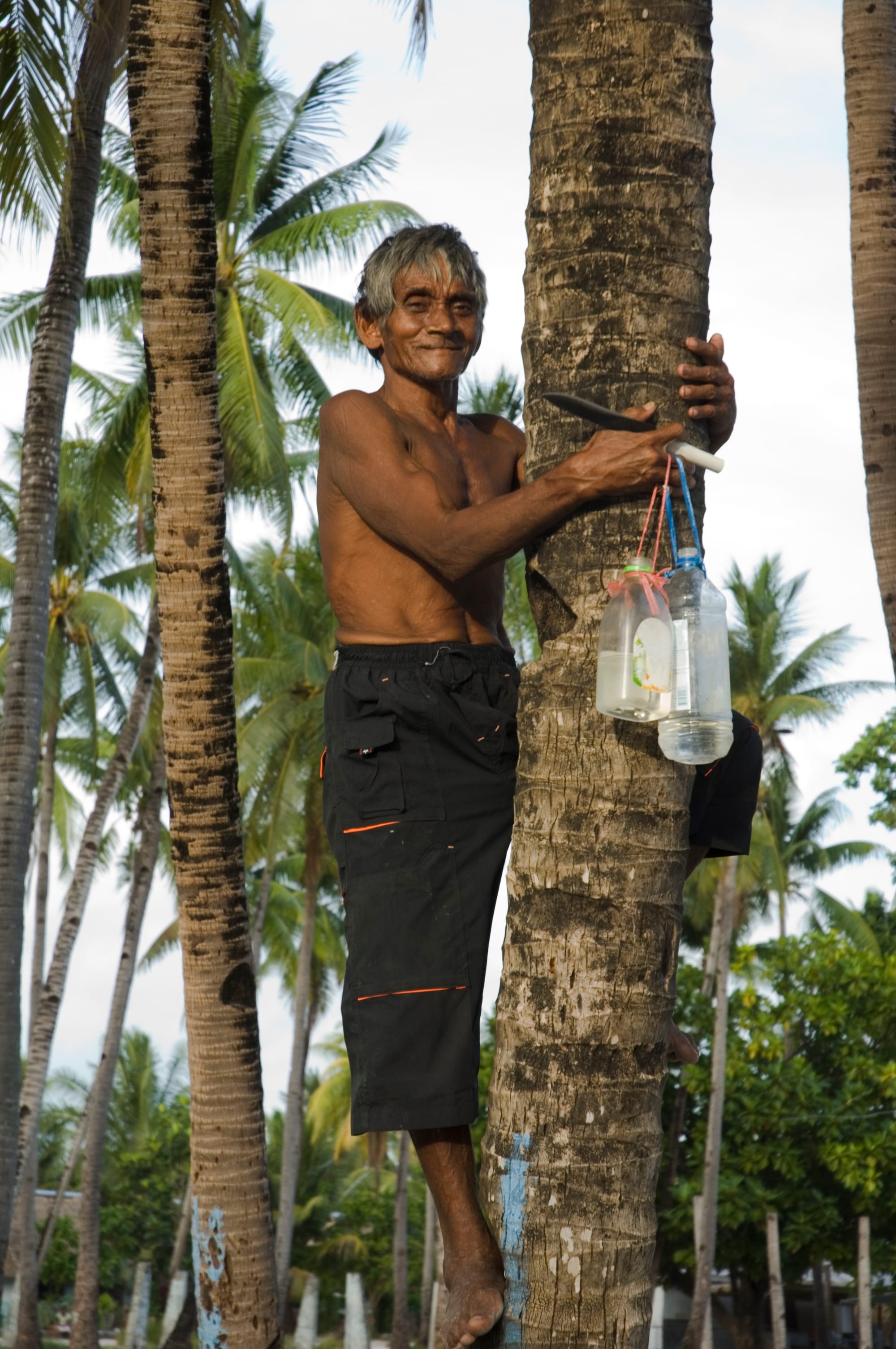
Food from an ocean nation with almost no land
Kiribati is spread across 32 low-lying coral atolls and one raised coral island, Banaba, in the central Pacific, with almost no soil suitable for conventional farming, so its food culture centres overwhelmingly on the ocean and the coconut palm. No single dish has a confidently documented claim as an official national dish, so this article describes what is actually eaten: fresh fish, coconut in nearly every form, and one remarkable crop grown against the odds.
Fish, coconut and babai
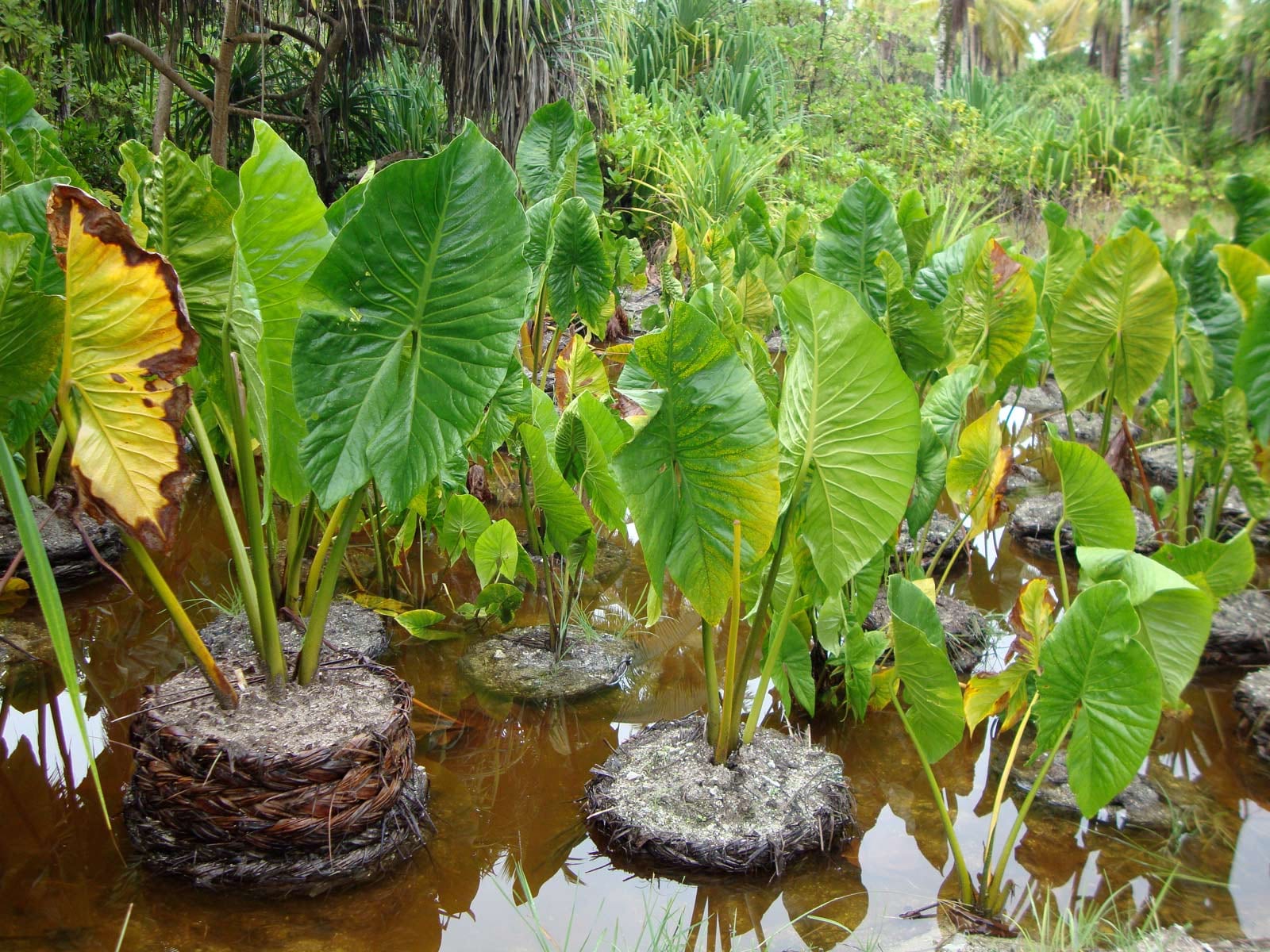
Raw fish, most often eaten sashimi-style with coconut sap, soy sauce or a vinegar-based dressing, often with chillies and onions, is the most familiar everyday dish in Kiribati, built directly from what local waters provide. Babai, a giant swamp taro grown in specially dug pits lined with composted organic matter, holds real cultural weight beyond its food value, cultivated with real effort in ground otherwise unsuited to root crops and long an important cultural and culinary tradition.
Dishes to know
A few more staples worth recognising in Kiribati:
- Toddy (karewe) — coconut palm sap, drunk fresh, fermented, or boiled
down into a syrup.
- Breadfruit — a starchy staple, boiled or roasted.
- Pandanus — a fibrous native fruit, eaten fresh or preserved for
storage.
- Tuna — skipjack and yellowfin, the main catch of Kiribati's fishing,
often eaten raw.
- Coconut crab — a large land crab considered a delicacy where still
found in healthy numbers.
Eating as a traveller
Kiribati imports a substantial share of its food given how little can be grown locally, so rice and tinned goods sit alongside fresh fish and coconut on most tables. Tap water safety varies by atoll; bottled or boiled water is the safer default. Coastal erosion and saltwater intrusion, both worsened by rising seas, are already affecting babai cultivation and food security in parts of the country, a genuinely current concern rather than a distant one.
What to take from the table
Fresh fish with coconut, and a plate of babai grown against real odds in composted pits, are the truest picture of food in Kiribati — a country whose cooking reflects, more directly than almost anywhere else, just how little land there is to work with.