Food · Kosovo
Kosovo: Food and the National Dish
A layered pastry baked one thin layer at a time under a domed metal lid, whose Albanian name means sacrifice
By Worldlore Editorial · 30 September 2026
A food culture shared closely with Albania
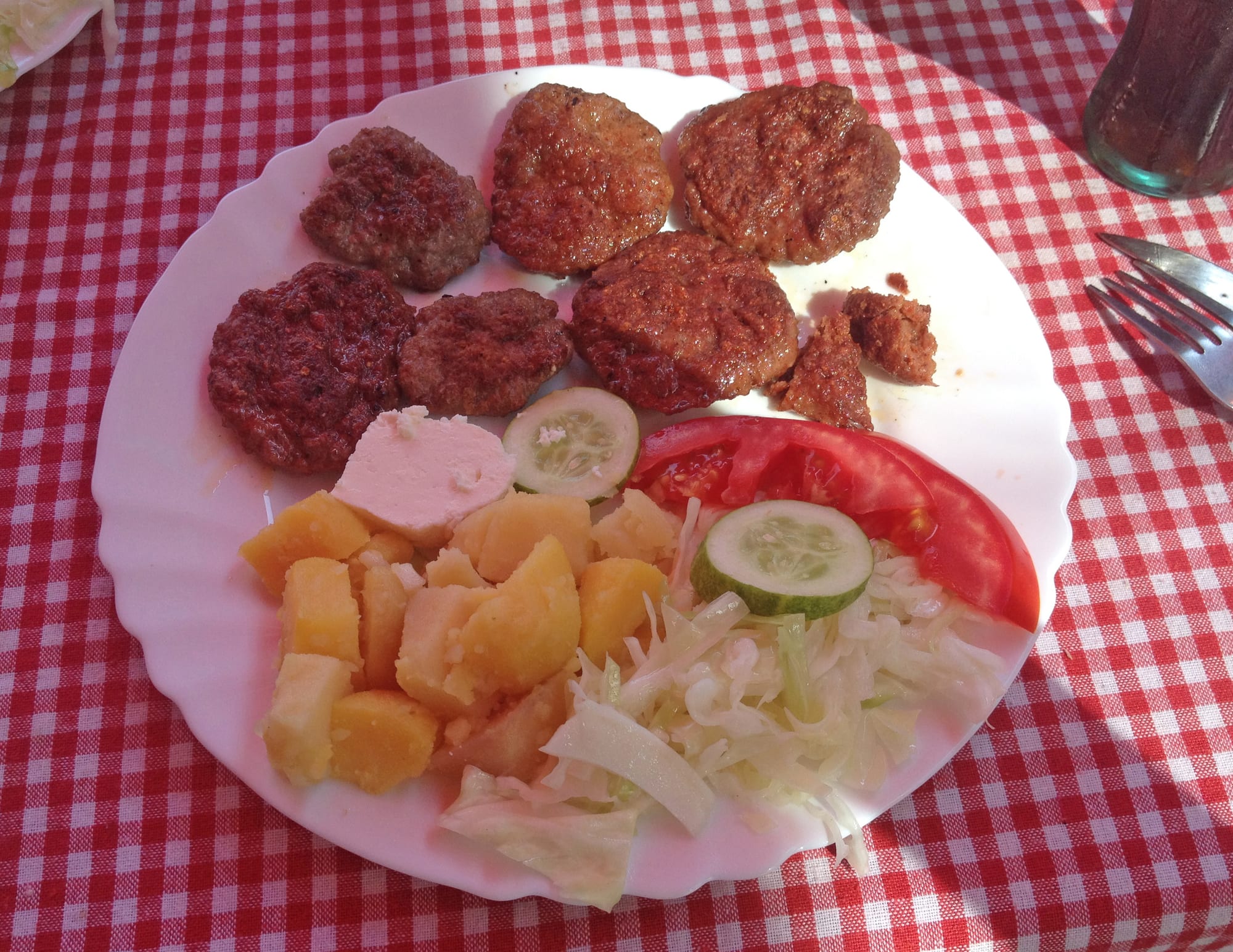
Kosovo's food is deeply Albanian in character, reflecting the country's predominantly ethnic Albanian population and its close cultural ties to Albania itself, while also carrying influence from centuries under Ottoman rule shared with much of the wider Balkans. Dairy, grilled meat, and slow, patient cooking methods define much of the everyday table.
The national dish: flija
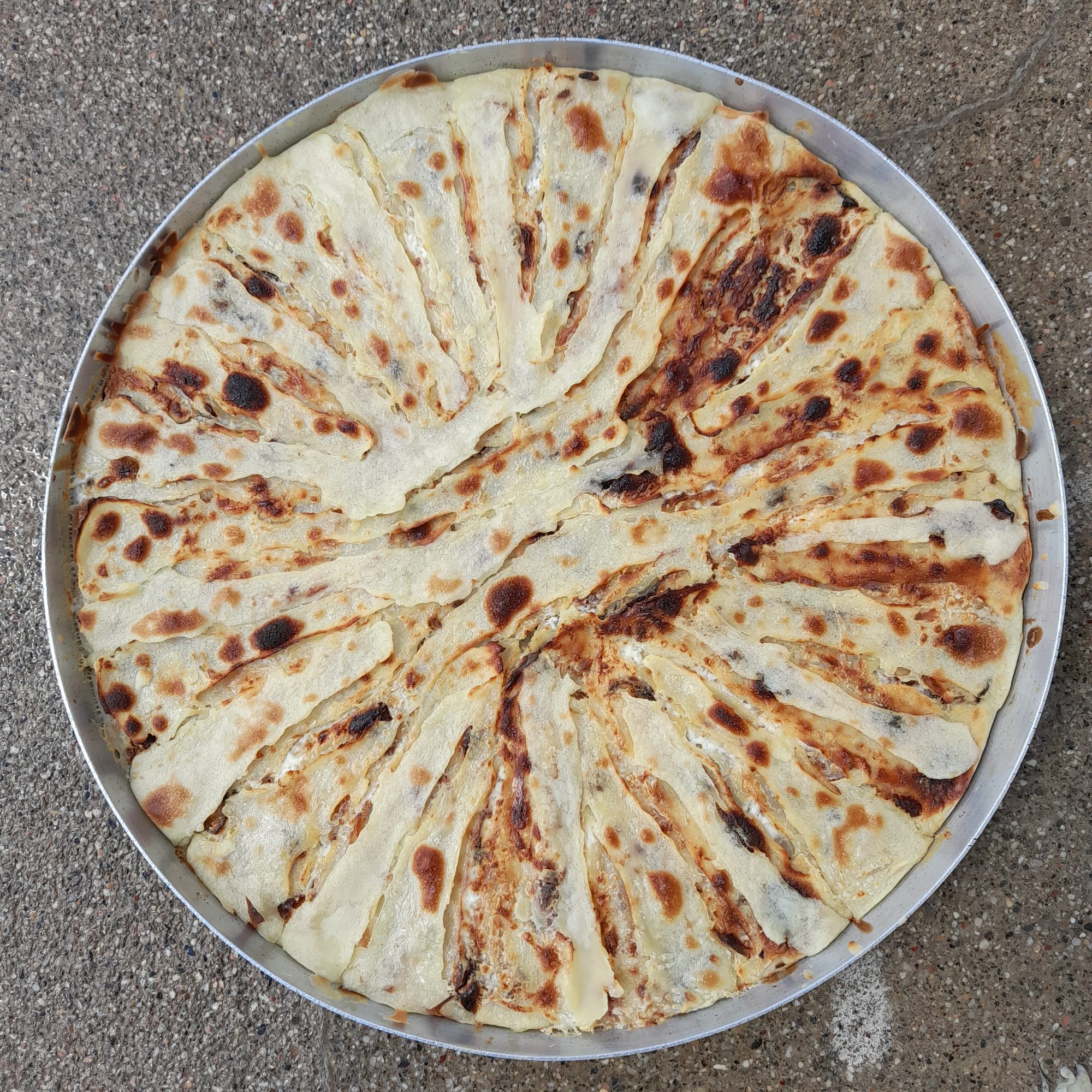
Flija, a dense, layered pastry made by spreading thin, crêpe-like layers of batter one at a time in a round tray, brushing each with cream and baking it under a domed metal lid called a saç heated with hot coals, until the layers build up into a round pastry shaped like the sun, is widely regarded as Kosovo's national dish. The Albanian name translates as "sacrifice", and the dish demands real time and attention: up to four hours of repeated layering to build a single flija.
Dairy, grilled meat and the everyday pantry
Kosovo's everyday cooking leans on dairy, particularly fresh cheese and yoghurt, alongside grilled meats similar to those found across the former Ottoman Balkans, and a strong bread and pastry tradition. Fresh vegetables and herbs, peppers especially, appear throughout the summer table, reflecting a broadly Mediterranean-Balkan approach to seasonal cooking.
History behind the dish
Flija's saç cooking method, a domed metal lid heated with hot coals, reflects an old style of cooking found across Albanian and wider Balkan tradition that predates modern ovens. Kosovo's broader food culture carries visible layers from centuries of Ottoman rule, shared with Albania, North Macedonia and neighbouring countries, alongside its own distinct Albanian regional character.
Dishes to know
Five more to recognise across Kosovo:
- Qebapa — small grilled skinless sausages of minced lamb and beef,
typically served with bread and raw onion.
- Tavë — a baked dish of meat, rice or vegetables, similar to
preparations found across the wider Balkans.
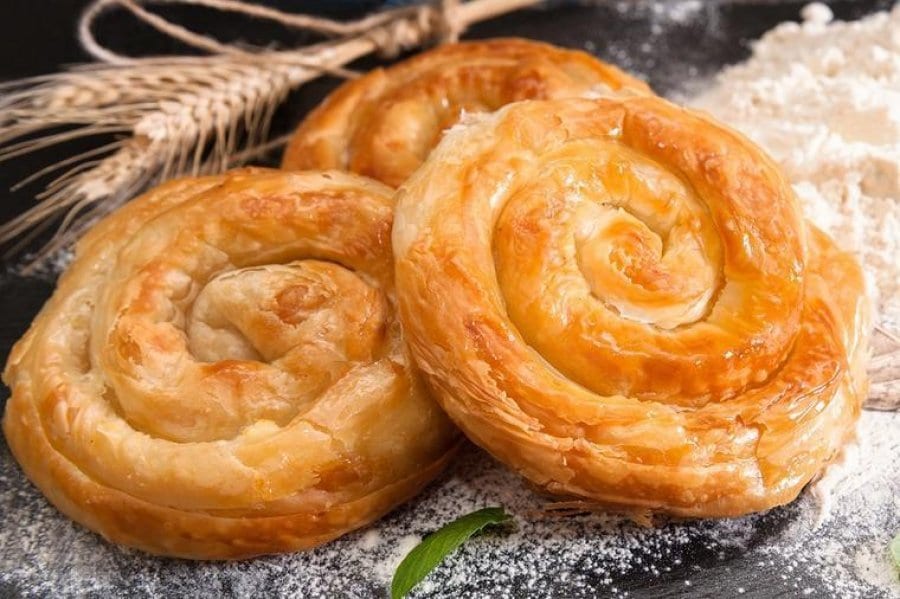
- Byrek — a savoury pastry filled with cheese, meat or spinach, layered
in thin filo-like dough.
- Suxhuk — a spiced, dried sausage, often served as part of a larger
spread.
- Trilece — a three-milk sponge cake, a popular modern dessert.
Drinks
Coffee is a big daily social ritual across Kosovo, from Turkish coffee to espresso-based macchiato. Raki, a brandy shared across the Balkans and in Kosovo usually made from grapes, is the traditional spirit, while Kosovo has a long wine-making tradition centred on Rahovec and local beers such as Birra Peja.
Eating as a traveller
Vegetarians will find byrek, dairy and vegetable dishes manageable, though meat is central to much traditional Kosovar cooking. Bottled water is cheap and widely sold. Trying flija at a restaurant that cooks it fresh to order, rather than pre-made, is worth seeking out given how much of the dish's character comes from its slow, layer-by-layer baking.
What to take from the table
Flija, built one patient layer at a time under a coal-heated dome, is the dish that best represents Kosovo's food identity — proof that sometimes the most demanding dish to make becomes the one a country is proudest to call its own.