Food · Liechtenstein
Liechtenstein: Food and the National Dish
Cheese-topped dumplings from an Alpine microstate whose princely family keeps its own working winery
By Worldlore Editorial · 30 September 2026
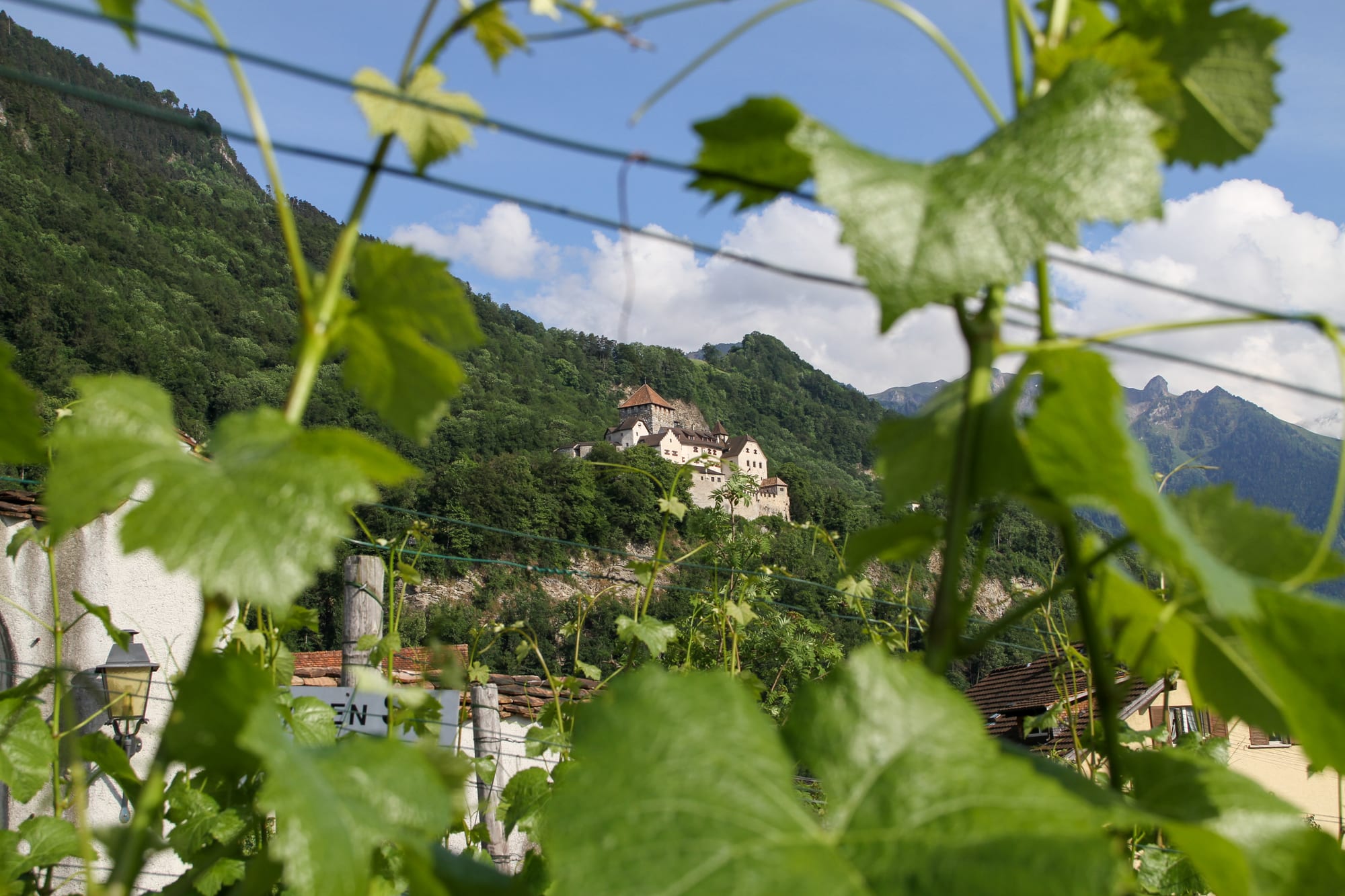
Alpine food from one of Europe's smallest countries
Liechtenstein, a tiny microstate wedged between Switzerland and Austria, shares its food culture closely with both neighbours: Alpine dairy, hearty flour-and-cheese dishes, and dumplings suited to a cold mountain climate. Its small size means Liechtenstein has never developed a large body of dishes entirely its own, but it holds firmly to the ones it does have.
The national dish: Käsknöpfle
Käsknöpfle, small egg-based dumplings similar to spaetzle, layered with cheese, topped with fried onions and often served with apple sauce, is widely regarded as Liechtenstein's national dish. Nearly identical dishes exist across the wider Alpine region under names like Käsespätzle in southern Germany and Kasspatzl in Tyrol, and neighbouring Vorarlberg in Austria shares the same name, Käsknöpfle, so the dish is best seen as a shared regional recipe that Liechtenstein has made its own.
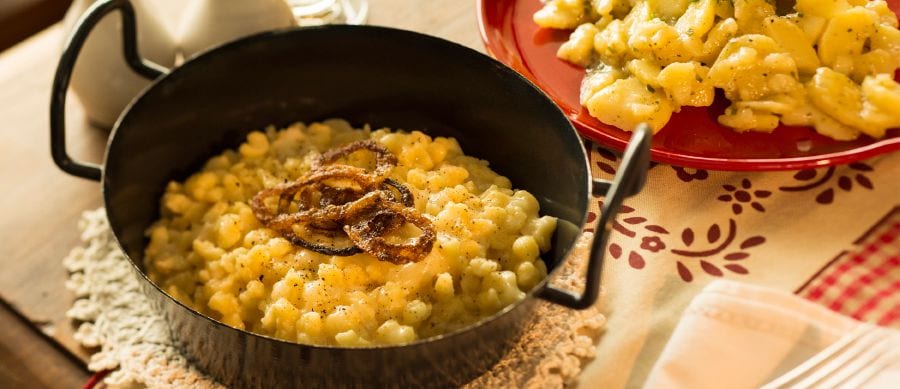
Dairy, dumplings and the Alpine pantry
Cheese and dairy more broadly anchor much of Liechtenstein's cooking, reflecting the country's Alpine dairy farming tradition, alongside Ribel, a traditional maize dish shared with the Swiss Rhine Valley, where maize has been grown since at least 1680. Hearty, warming food suited to mountain winters, rather than light or spiced cooking, defines the everyday table.
History behind the dish
Liechtenstein's food history is inseparable from its position squeezed between two larger Alpine neighbours, absorbing culinary habits from both Switzerland and Austria over centuries rather than developing in isolation. Winemaking here is ancient: it dates back about two thousand years, and the Hofkellerei, the wine cellars of the reigning Prince of Liechtenstein, remains the best-known wine venue in the country.
Dishes to know
A few more dishes worth recognising in Liechtenstein:
- Ribel — a traditional maize dish made from a local Rhine Valley
variety, eaten as a breakfast porridge.
- Hafalaab — a soup with ham or bacon and cornmeal dumplings.
- Rösti — coarsely grated, fried potato, a dish shared with Switzerland
and found widely on Liechtenstein menus.
- Torkarebl — a porridge dish that resembles dumplings.
- Schnitzel — a breaded cutlet of boneless meat thinned with a mallet,
as common here as in neighbouring Austria.
Drinks
Wine from the Prince's own Hofkellerei and from more than 100 other winegrowers is a point of national pride, with Pinot noir (Blauburgunder) among the most produced reds. Beer, coffee and milk round out Liechtenstein's everyday drinks.
Eating as a traveller
Vegetarians will find Käsknöpfle, Ribel and cheese-based dishes manageable, though the cuisine leans heavily on dairy rather than vegetables. Tap water is safe throughout the country. Given Liechtenstein's small size, a day trip from Switzerland or Austria is common, and trying Käsknöpfle at a restaurant in Vaduz remains the most straightforward way to taste the national dish.
What to take from the table
Käsknöpfle, warm with cheese and onion, is the dish that best represents Liechtenstein's Alpine food identity — small in scale, like the country itself, but held onto with real pride.