Attractions & Natural Wonders · Lithuania
Lithuania: Seven Attractions and Natural Wonders
A baroque old town and its bohemian breakaway republic, a red-brick island castle, a hillside of more than 100,000 crosses, and a sculpture park of toppled Soviet statues
By Worldlore Editorial · 30 September 2026
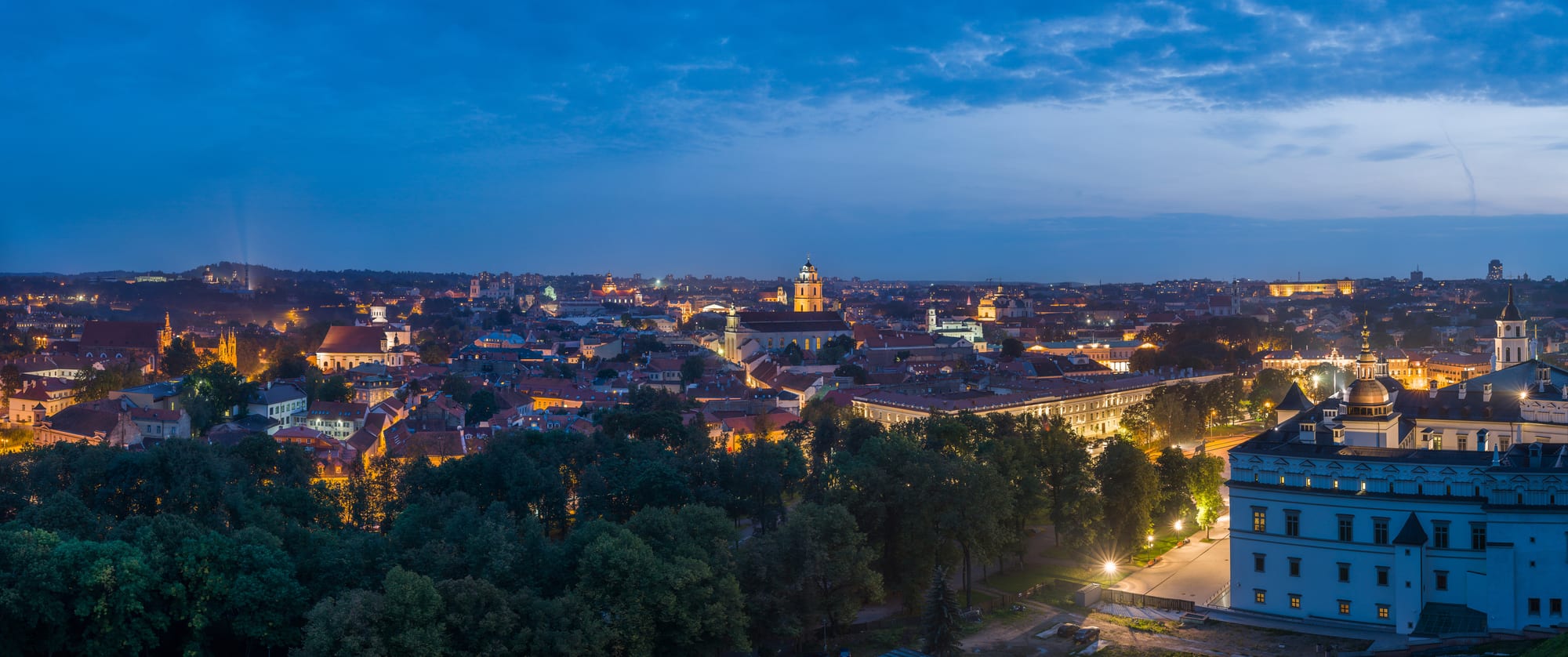
The largest of the Baltic states
Lithuania, the southernmost and largest of the three Baltic states, has about 2.9 million people and a history that includes ruling what was, by the late 14th century, the largest country in Europe, a long union with Poland, rule by Russia and the Soviet Union, and in March 1990 the restoration of its independence — the first Soviet republic to break away, a year before the Soviet Union dissolved. It has a baroque capital, a long sandy Baltic coast, and a landscape of forests, lakes, and flat farmland.
The seven below run from Vilnius out to the coast and the south. Late spring through early autumn is best for the coast and outdoor sights; Vilnius has a good Christmas market season too.
1. Vilnius old town
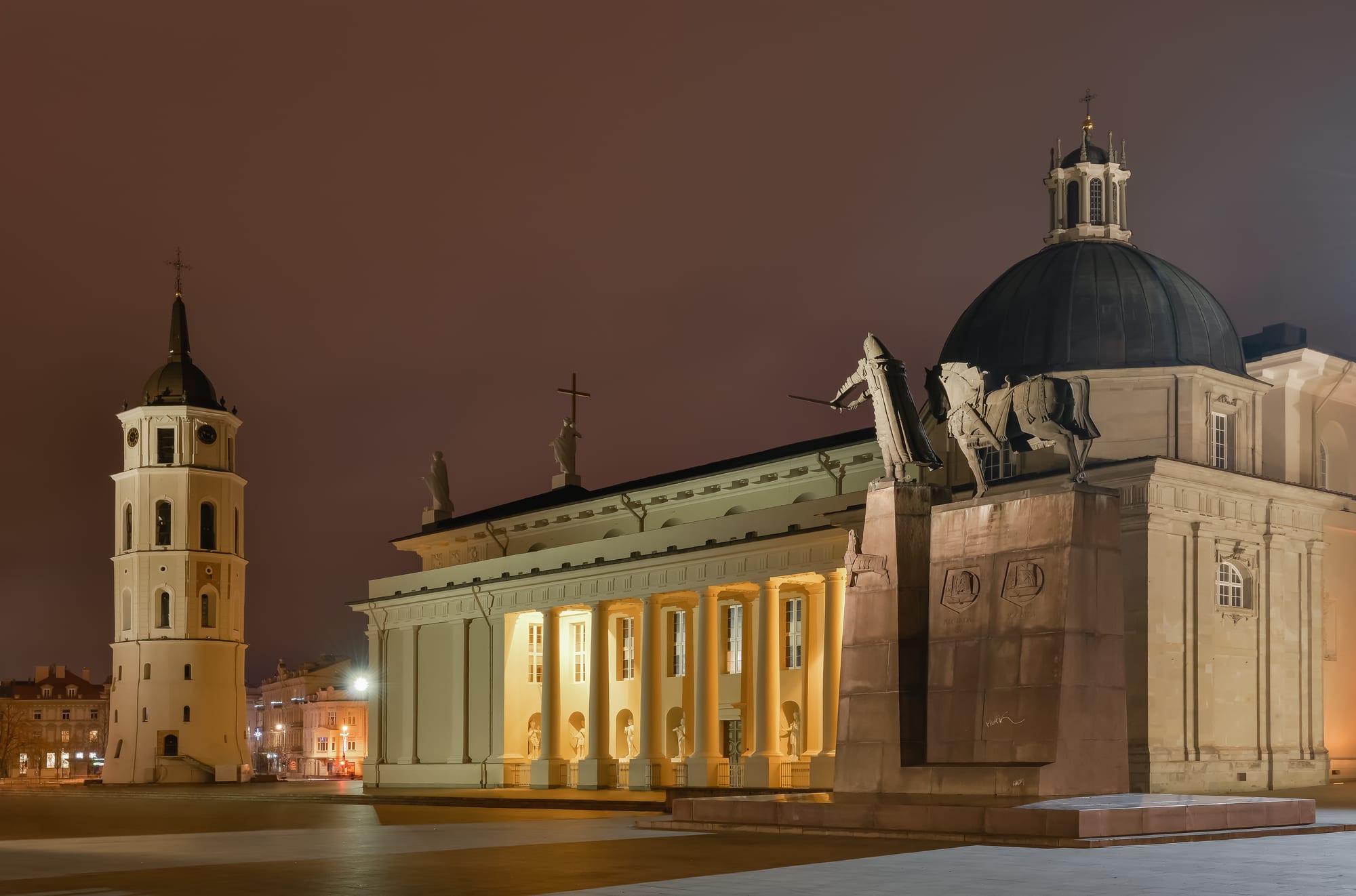
Vilnius has the largest baroque old town in Central and Eastern Europe, a UNESCO World Heritage Site since 1994 with nearly 1,500 buildings — gothic, renaissance, baroque and neoclassical architecture side by side, the neoclassical cathedral, Gediminas' Tower on its hill (with a museum and a viewing platform), the university founded in 1579, and the Gates of Dawn shrine. It is also a compact, walkable city with a growing food and craft-beer scene.
Two or three days covers the centre and the sights below it.
2. Užupis
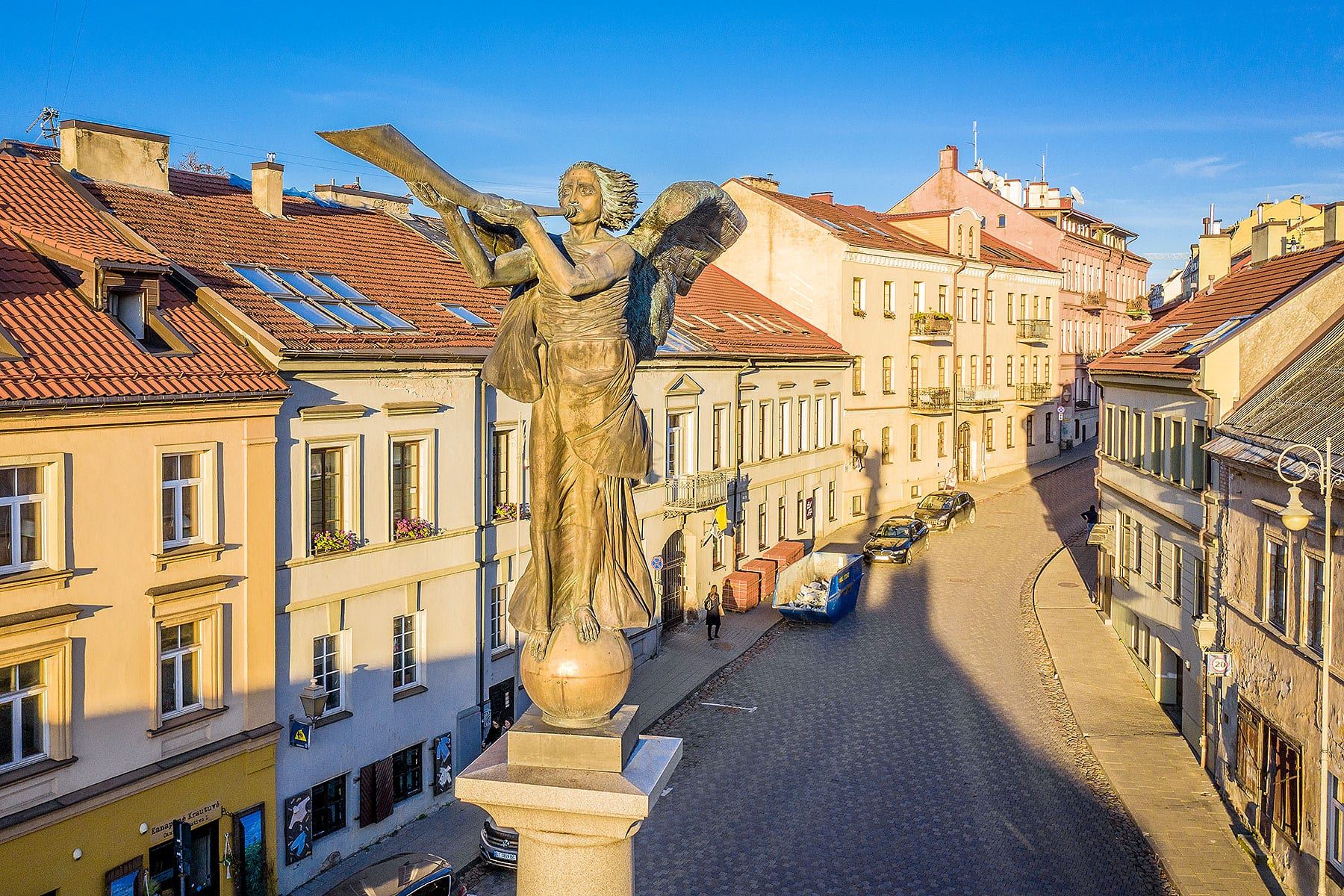
Across the small Vilnia river from the old town, Užupis is a long-time artists' and bohemians' quarter that declared itself a mock "republic" on April Fools' Day 1997, complete with its own flag and a wry, whimsical constitution posted on a wall in more than 20 languages (Article 12: "A dog has the right to be a dog"). It has since gentrified into galleries, cafés, and street art without entirely losing its irreverent spirit.
It is a short walk from Cathedral Square, best explored on foot.
3. Trakai Island Castle
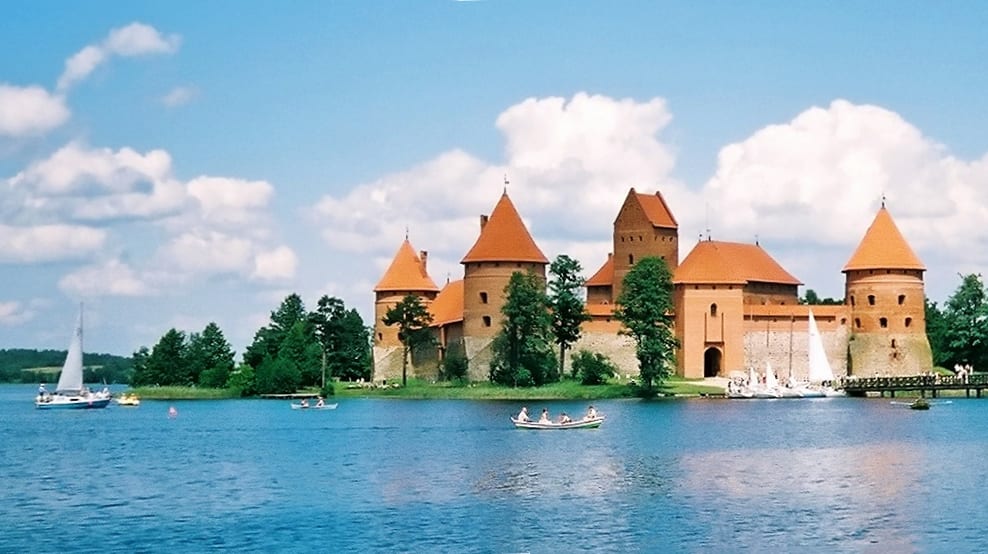
Trakai, half an hour from Vilnius, was an early capital of the Grand Duchy of Lithuania, and its red-brick island castle — built in the 14th century, ruined in the 17th-century wars with Muscovy and largely rebuilt between the 1950s and 1961 — is one of the country's most popular sights, linked to the shore by wooden footbridges across Lake Galvė, which is dotted with 21 islands. The town is also home to the Karaim, a Turkic-speaking minority with their own distinctive cuisine, above all kibinai, pastries filled with mutton and onion.
Boat rentals and lake swimming make it a popular summer outing from the capital.
4. The Hill of Crosses
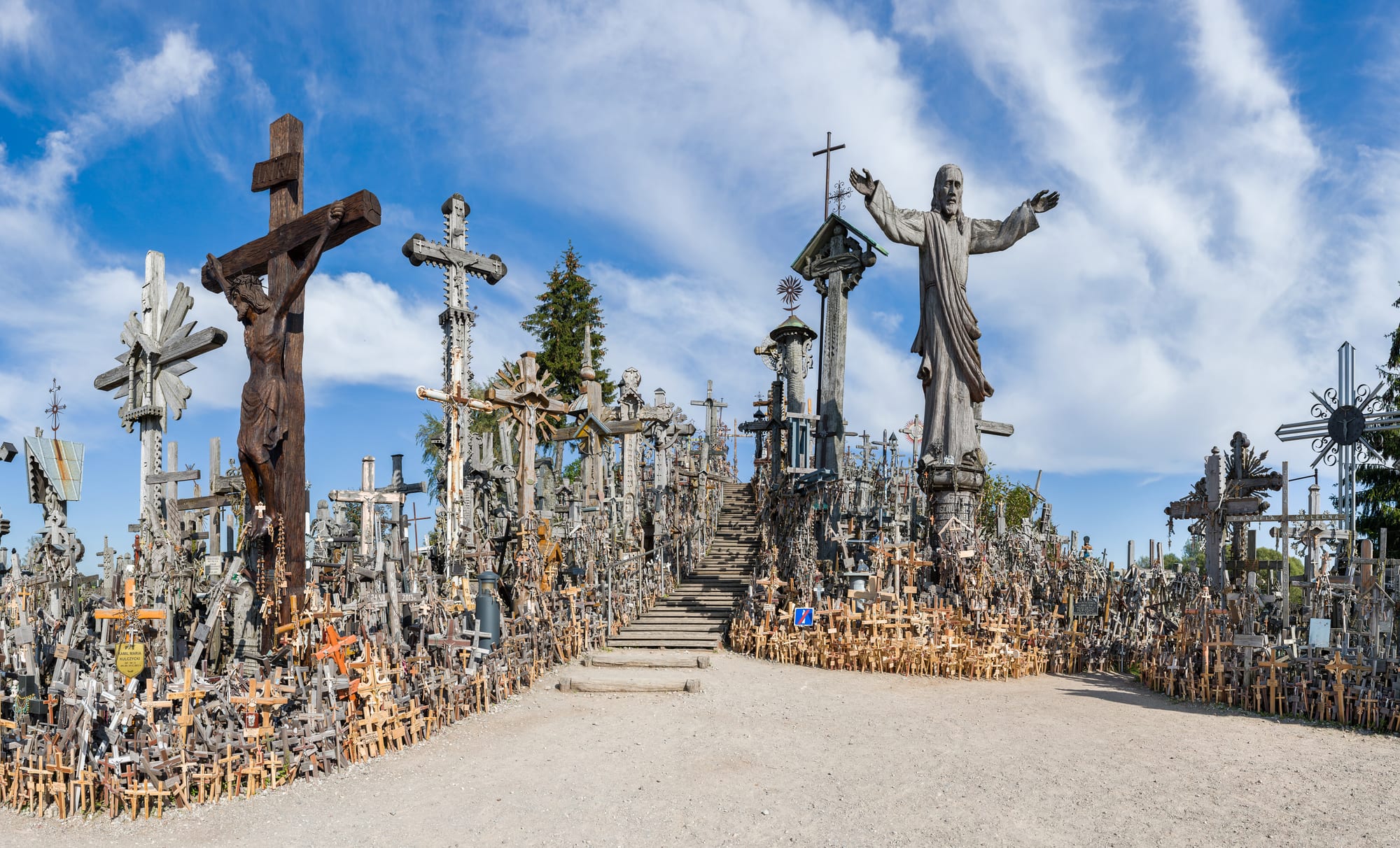
About 12 km north of Šiauliai, a former hill fort has been covered since the 19th century, probably from after the 1831 uprising, with crosses left by pilgrims and mourners. Soviet authorities, who saw it as a symbol of Lithuanian identity and religious resistance, bulldozed it three times — and people kept bringing crosses back, often at night. It was estimated to hold 100,000 crosses by 2006 of every size and material, a powerful and unusual sight. Pope John Paul II visited in 1993.
It is a detour off the main road between Riga and Vilnius, or Šiauliai itself.
5. The Curonian Spit
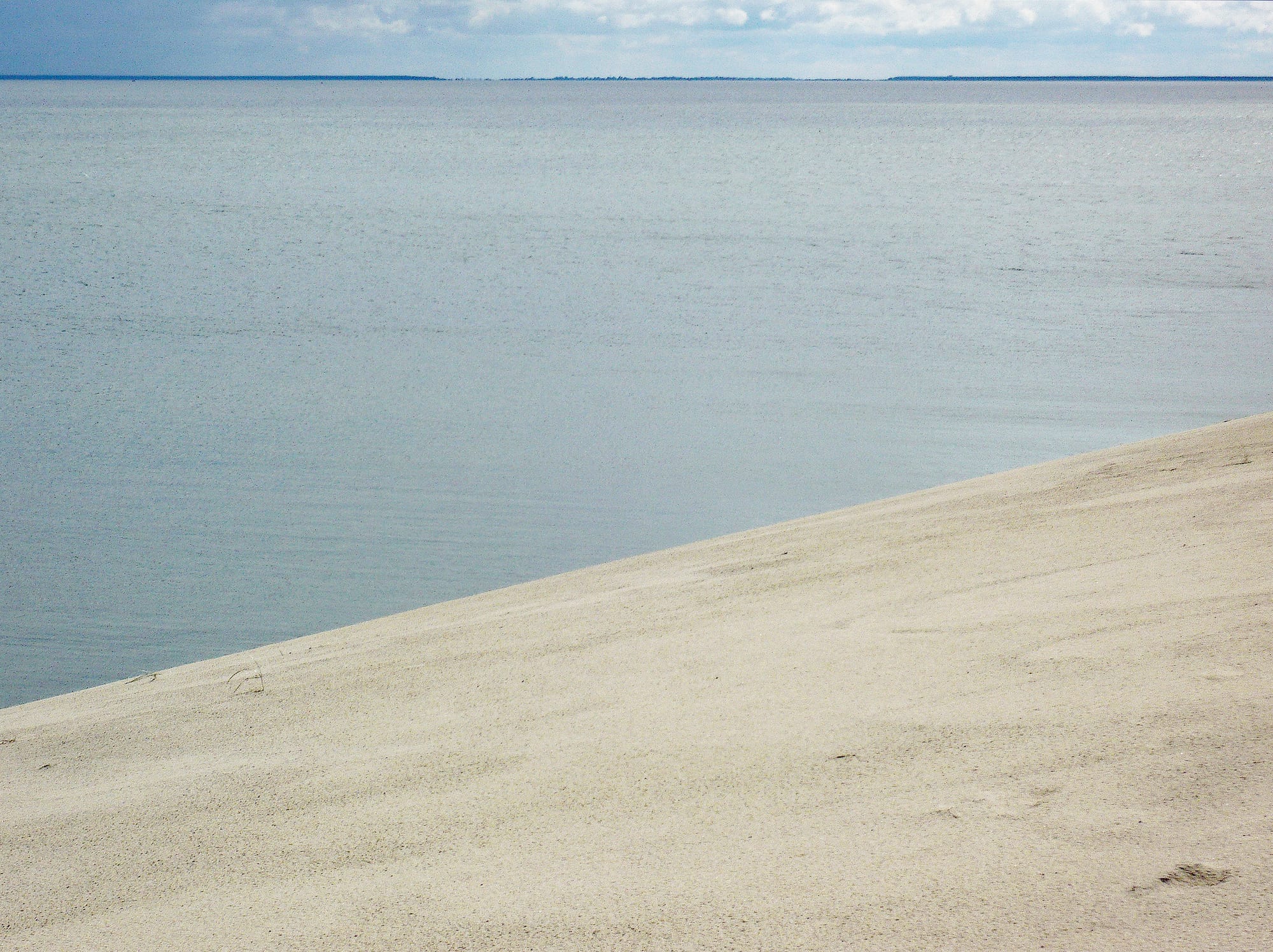
The Curonian Spit is a narrow, 98-kilometre sand-dune peninsula separating a lagoon from the Baltic Sea, its northern 52 km Lithuanian and a national park, and the whole a UNESCO World Heritage Site shared with Russia. Some of the highest sand dunes in Europe rise near Nida, where the wind-driven Parnidis dune reaches about 52 metres above sea level, and the resort town of Nida has a fishermen's ethnographic homestead and the summer house Thomas Mann had built after visiting in 1929.
Klaipėda, the port city, is the gateway, with a car ferry across to Smiltynė on the spit.
6. Kaunas
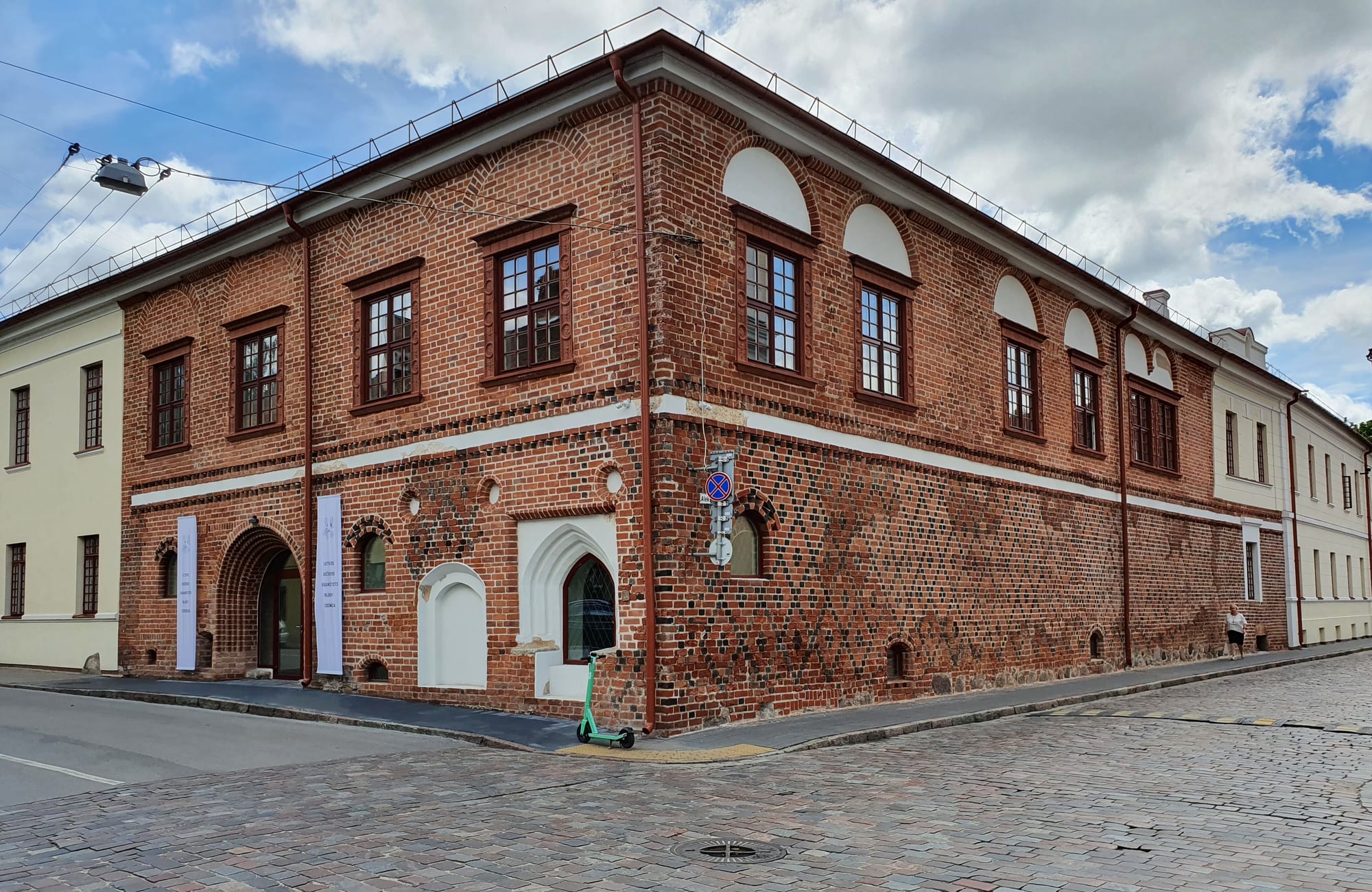
Kaunas, Lithuania's second city and its temporary capital between 1920 and 1939, has a wide-open Town Hall Square, a red-brick castle, and interwar modernist and Art Deco architecture regarded as among the finest in Europe — it holds the European Heritage Label and, since 2023, has been a UNESCO World Heritage Site as Modernist Kaunas. It is also home to the moving Ninth Fort Holocaust memorial and museum, and to the story of Japanese diplomat Chiune Sugihara, who issued transit visas here in 1940 that helped thousands of Jews escape.
It is a short train or bus ride from Vilnius.
7. Grūtas Park and Druskininkai
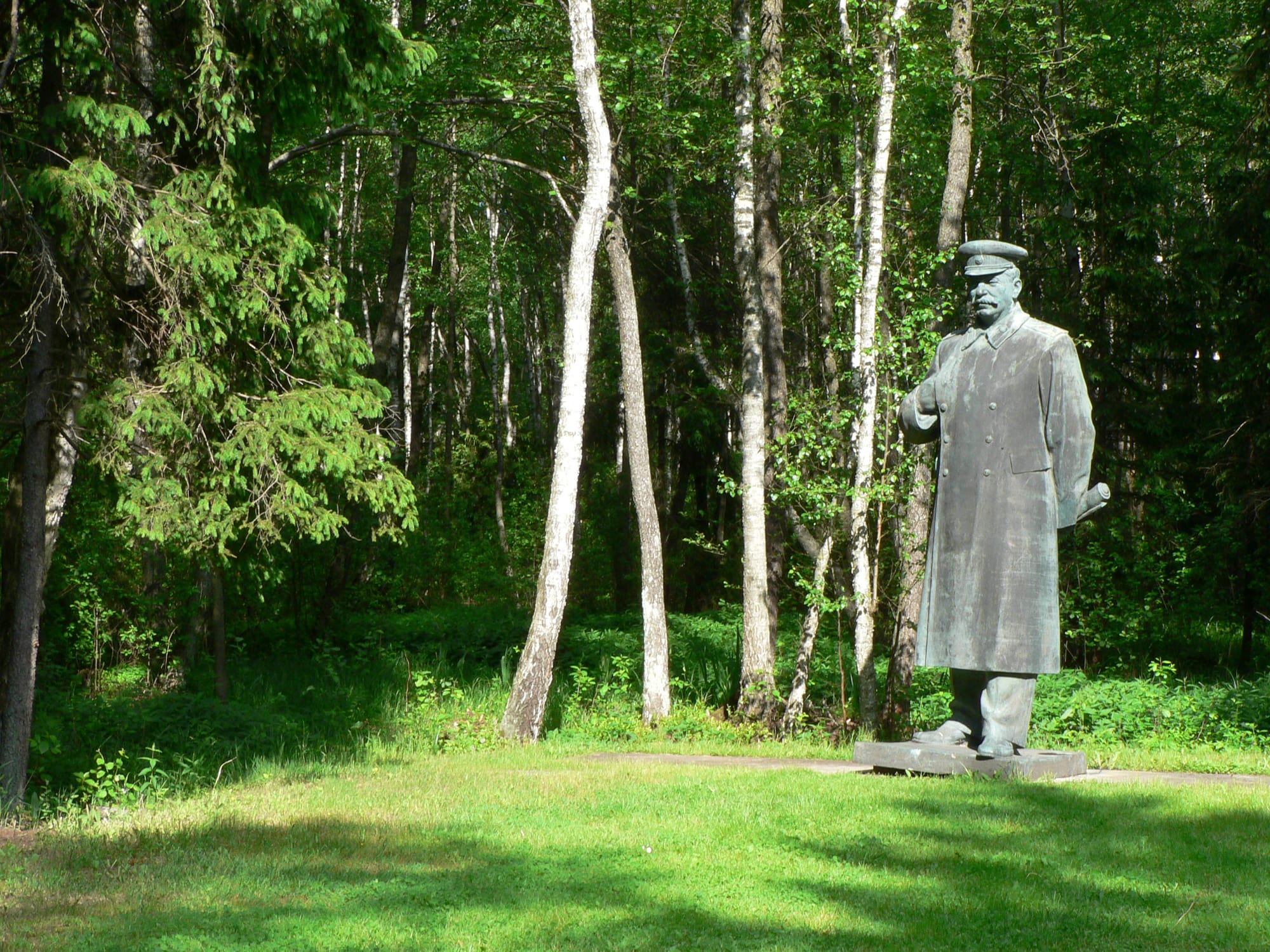
Grūtas Park, near the spa town of Druskininkai in the south, gathers dozens of statues of Lenin, Stalin, and other Soviet-era figures pulled down from Lithuanian towns after independence — displayed, half-museum and half dark satire, along wooden paths in the wetlands of Dzūkija National Park, with a small museum of Soviet propaganda and daily life. Druskininkai itself, a spa resort since the 19th century, has mineral-water spas, the Snow Arena indoor ski slope, and forest walks along the Nemunas river.
The two combine easily as a day out from Vilnius or a longer spa-town stay.
Lithuania is compact and well connected by bus and train. A first trip usually does Vilnius (with Trakai and the Hill of Crosses as day trips) and a few days on the coast at the Curonian Spit; Kaunas and the south are an easy add-on.