History · Madeira
Madeira: The First Atlantic Colony
An uninhabited Atlantic island settled by Portugal from 1420 — the laboratory where the sugar-and-slavery plantation was invented, then a wine island, and now an autonomous region living on tourism
By Worldlore Editorial · 30 September 2026
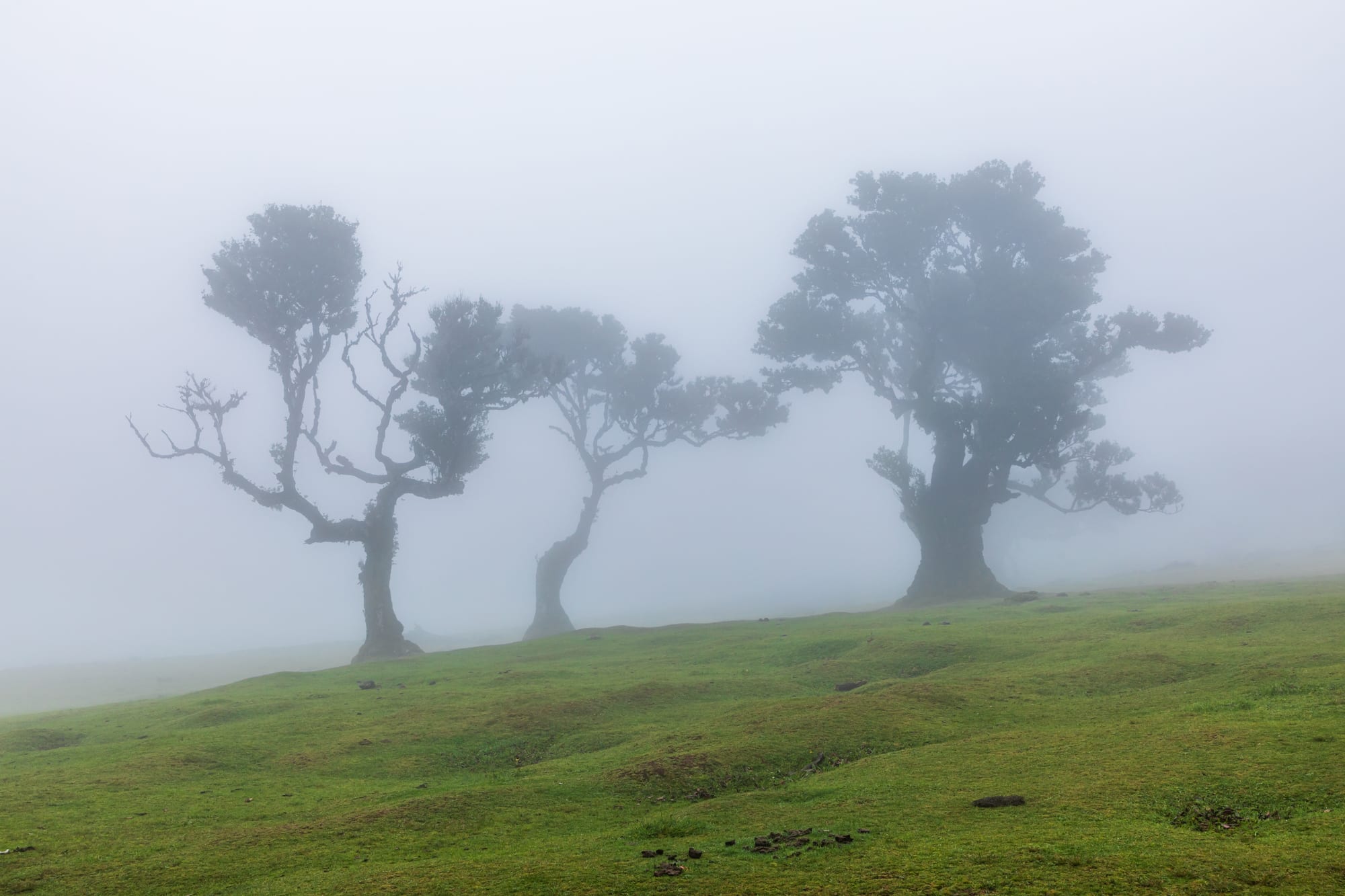
A test run for empire
Madeira is a small volcanic archipelago in the Atlantic, about 800 kilometres south-west of mainland Portugal, with roughly 250,000 people, about half of them in the capital, Funchal. It was uninhabited when the Portuguese arrived, and it was the first territorial discovery of Portugal's Age of Discovery and its first settled Atlantic colony — the place where the methods that would be used across the Atlantic world, and above all the sugar plantation worked by enslaved labour, were first tried out.
A short history
- 1419
The landing
Portuguese captains reach the uninhabited islands.
- from 1420
Settlement
Portugal's first Atlantic settlement; the forest is burned.
- 1450s–1500s
The sugar era
Madeira becomes one of Europe's great sugar producers.
- 16th–18th centuries
Wine
Madeira pivots to fortified wine as sugar moves to Brazil.
- 1801 / 1807–1814
British occupations
Britain garrisons Madeira in the Napoleonic Wars.
- 19th–20th centuries
Emigration
Madeirans leave for Brazil, Venezuela, the US and beyond.
- 1976
Autonomy
Madeira becomes an autonomous region of Portugal.
Settlement and sugar
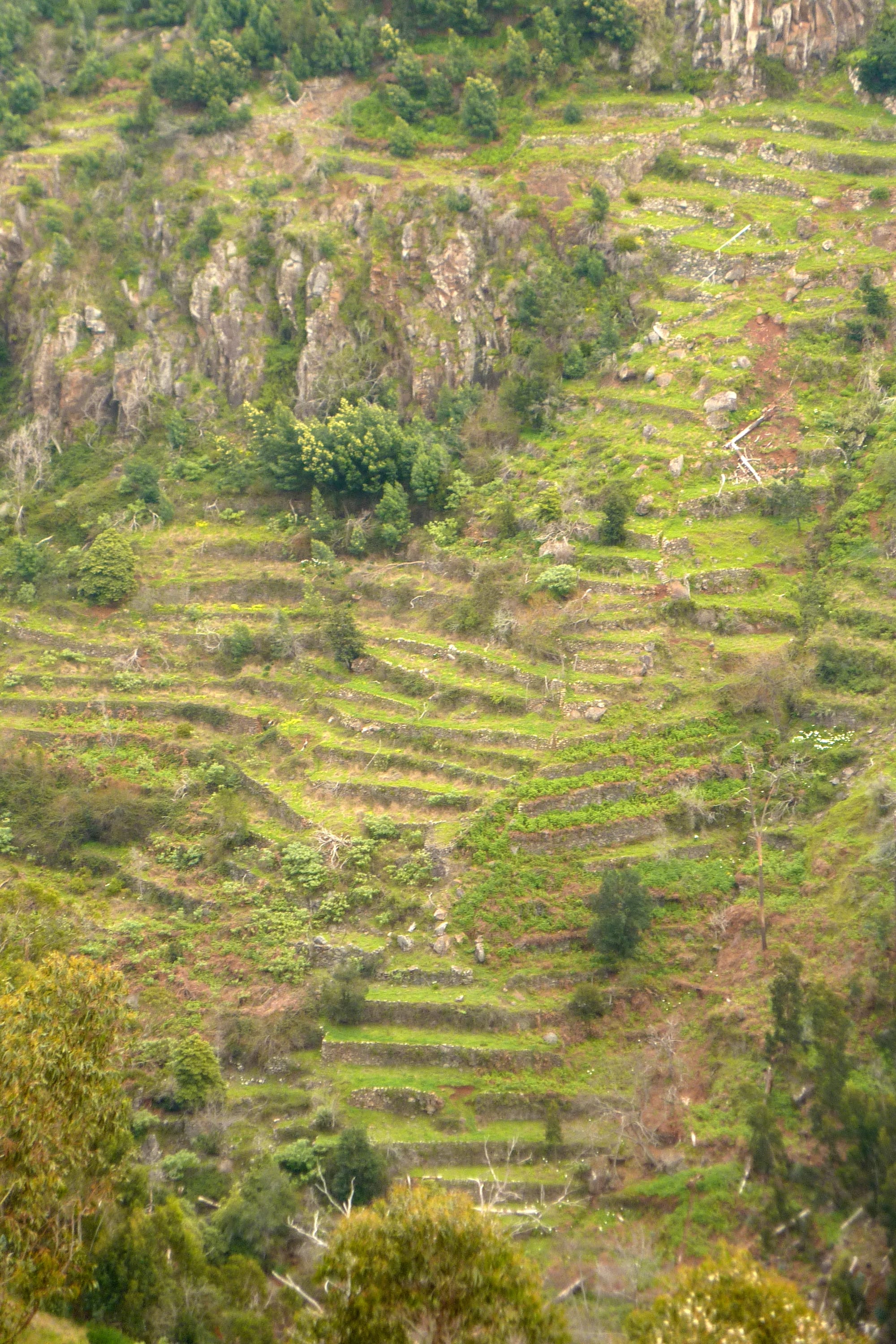
Portuguese captains sent by Prince Henry the Navigator reached Madeira in 1419, and settlement began the following year. The dense forest that gave the island its name — madeira means "wood" — was cleared by a fire that reportedly burned for years, and settlers cut the levadas, irrigation channels carrying water from the wet north and west to the drier south; more than 2,000 kilometres were eventually built.
From the 1450s sugar boomed, and by the 1490s Madeira had overtaken Cyprus as a producer. The work was done partly by enslaved people — Guanches from the Canary Islands and Berbers at first, then West Africans. It was here that the Atlantic plantation model took shape, and in the 16th century that model, its cane, and its personnel were transferred to São Tomé and Brazil, whose far larger plantations undercut Madeira's sugar. Christopher Columbus, then a sugar trader, married on Porto Santo and lived for a time on the islands before his Atlantic voyages.
The wine island
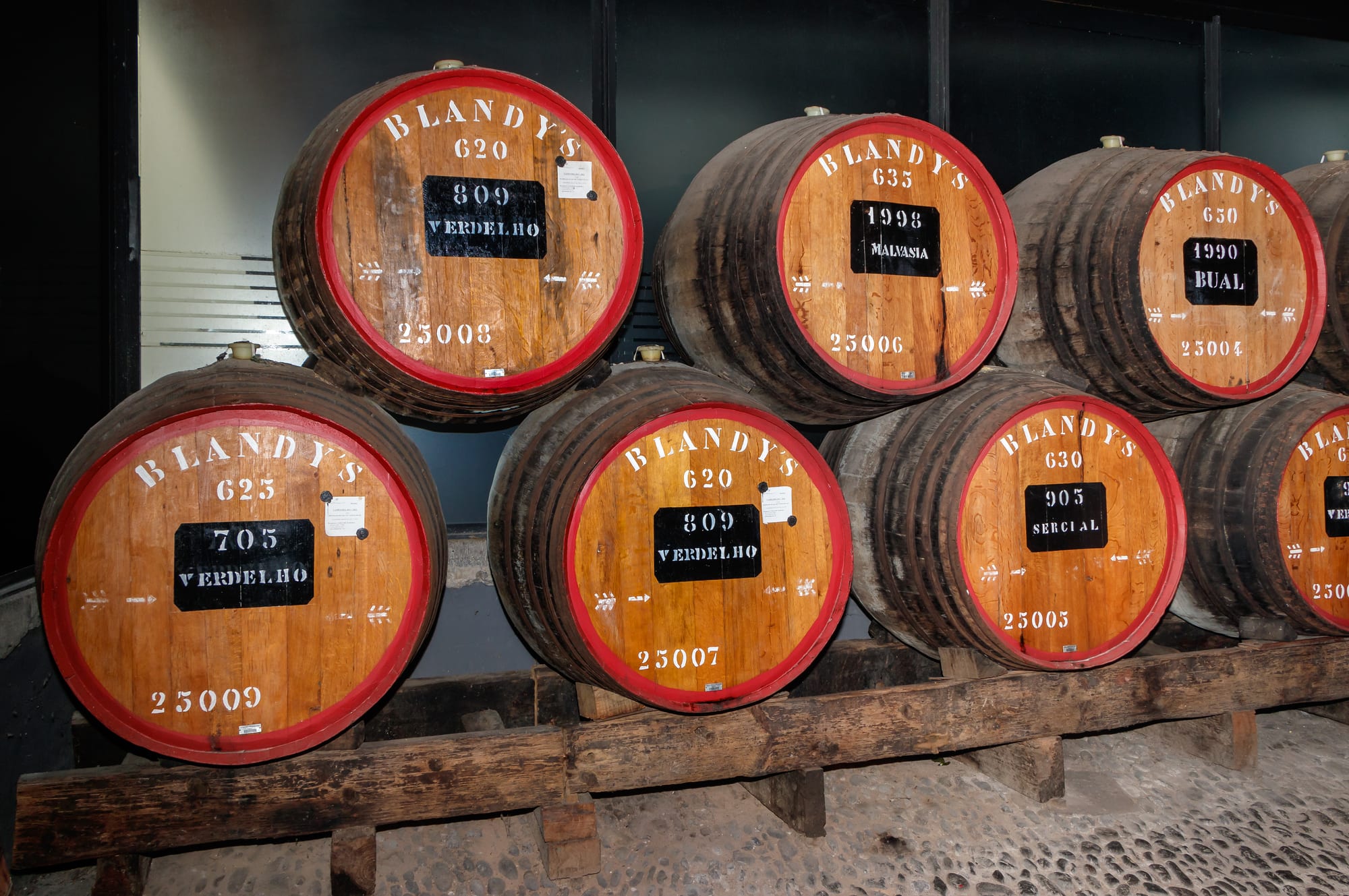
Madeira turned to wine. Its position on the sea routes to the Americas and the East made it a standard provisioning stop, and Madeira wine — fortified with brandy from the 18th century, and found to improve with the heat and rolling of a long voyage — became hugely popular, especially in the British colonies of North America and the Caribbean.
Britain occupied Madeira twice during the Napoleonic Wars to keep it from France, and from the mid-19th century Funchal grew as a winter health resort, visited by people hoping its mild climate would cure them, above all of tuberculosis. Powdery mildew from 1851 and then phylloxera devastated the vineyards, and the wine industry recovered on a smaller scale.
Autonomy, and tourism
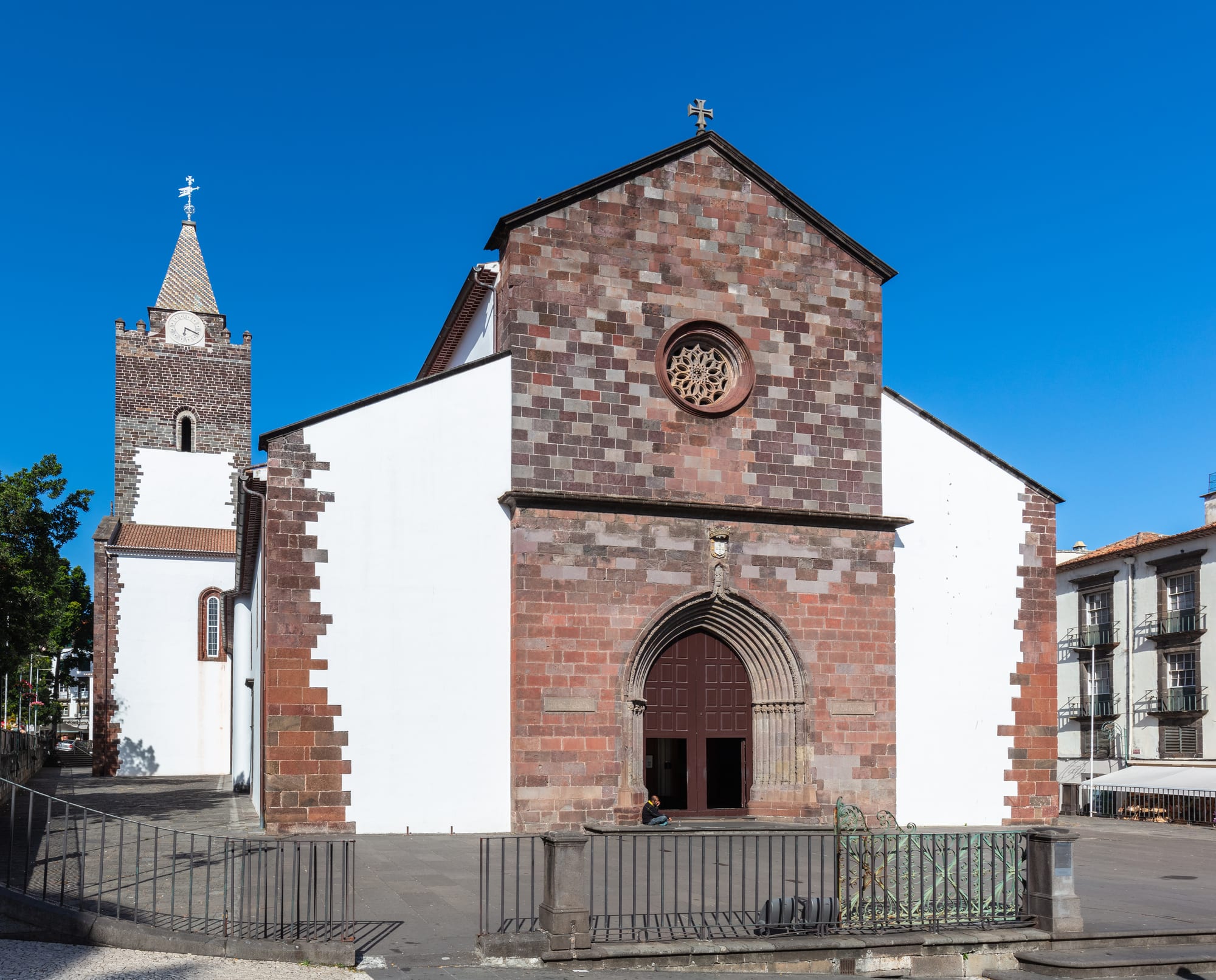
After Portugal's 1974 revolution, Madeira gained political autonomy in 1976, with its own government and assembly, run continuously since by the centre-right Social Democratic Party and, from 1978 to 2015, by a single dominant figure, Alberto João Jardim. EU membership from 1986 brought funds for tunnels, roads and an airport extension built on stilts over the sea — and a high regional debt. Tourism is now a mainstay of the economy. Flash floods and mudslides in 2010 killed around 50 people.
What Madeira carries
Madeira's importance is out of all proportion to its size. As Portugal's first Atlantic colony and the first Atlantic sugar colony, it was where Europe learned how to turn an ocean island into a plantation — a template that would be scaled up, with terrible consequences, across the Americas. After sugar left, the island reinvented itself around wine, then health tourism, then mass tourism, each time trading on the same asset: its position in the middle of the Atlantic.