Food · Malaysia
Malaysia: Food and the National Dish
Coconut rice eaten for breakfast wrapped in banana leaf, at the meeting point of Malay, Chinese and Indian cooking traditions
By Globeway Editorial · 30 September 2026
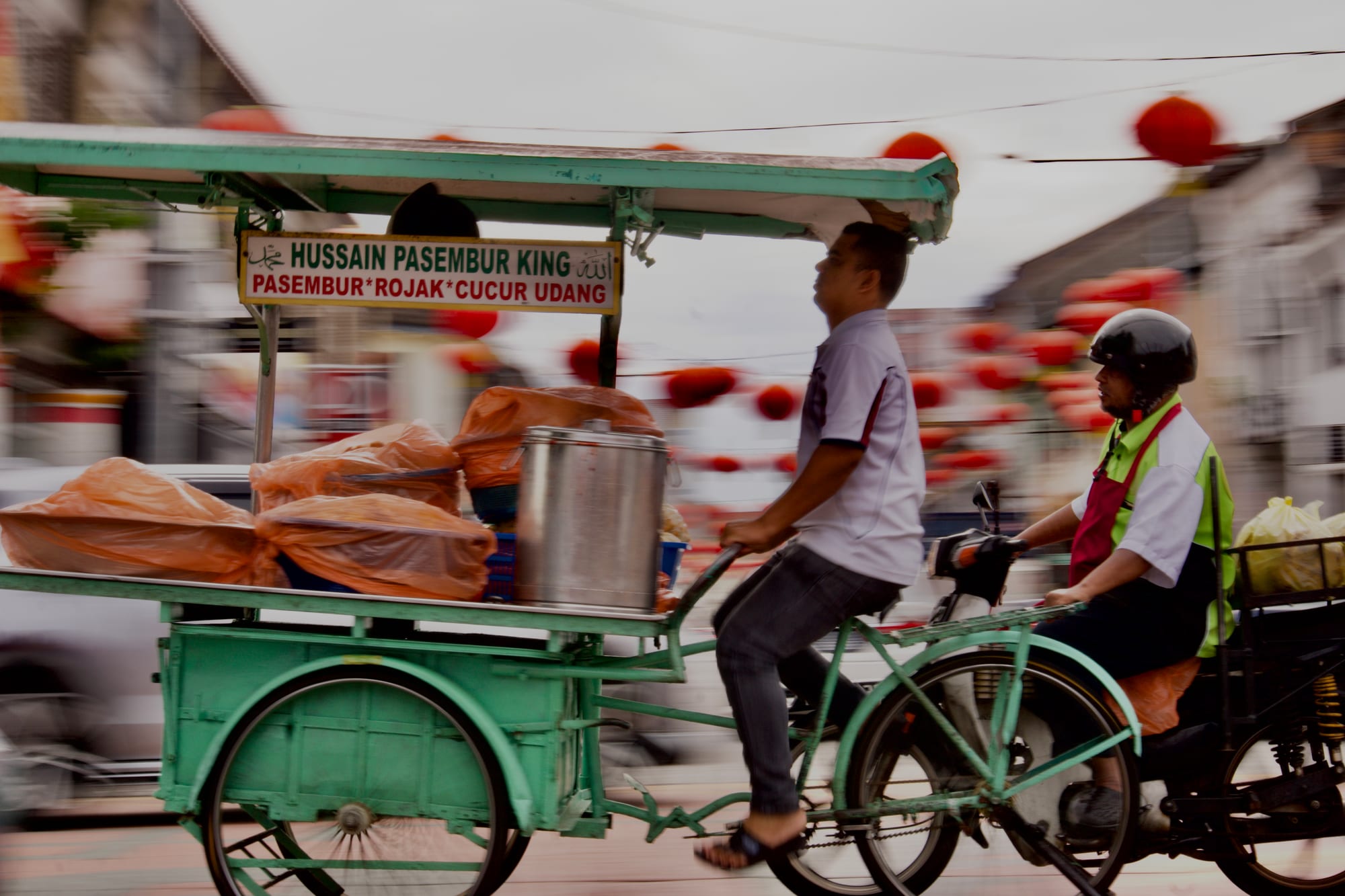
Three cuisines on one plate
Malaysia's food reflects its multi-ethnic population directly: Malay, Chinese and Indian culinary traditions all developed side by side over generations, sharing hawker centres and street food stalls rather than staying in separate corners of the country. That genuine mixing, rather than any one tradition dominating, is what defines Malaysian food more than any single ingredient or technique.
The national dish: nasi lemak
Nasi lemak, rice cooked in coconut milk and pandan leaf, served with sambal (a spicy chilli paste), fried anchovies, roasted peanuts, cucumber and a boiled or fried egg, is considered Malaysia's national dish, though as a dish of the wider Malay world it is also native to Singapore and southern Thailand. Traditionally wrapped in banana leaf and an essential part of a Malay-style breakfast, though now enjoyed at any time of day, nasi lemak is found everywhere from roadside stalls and hawker centres to upscale restaurants, in many variations.
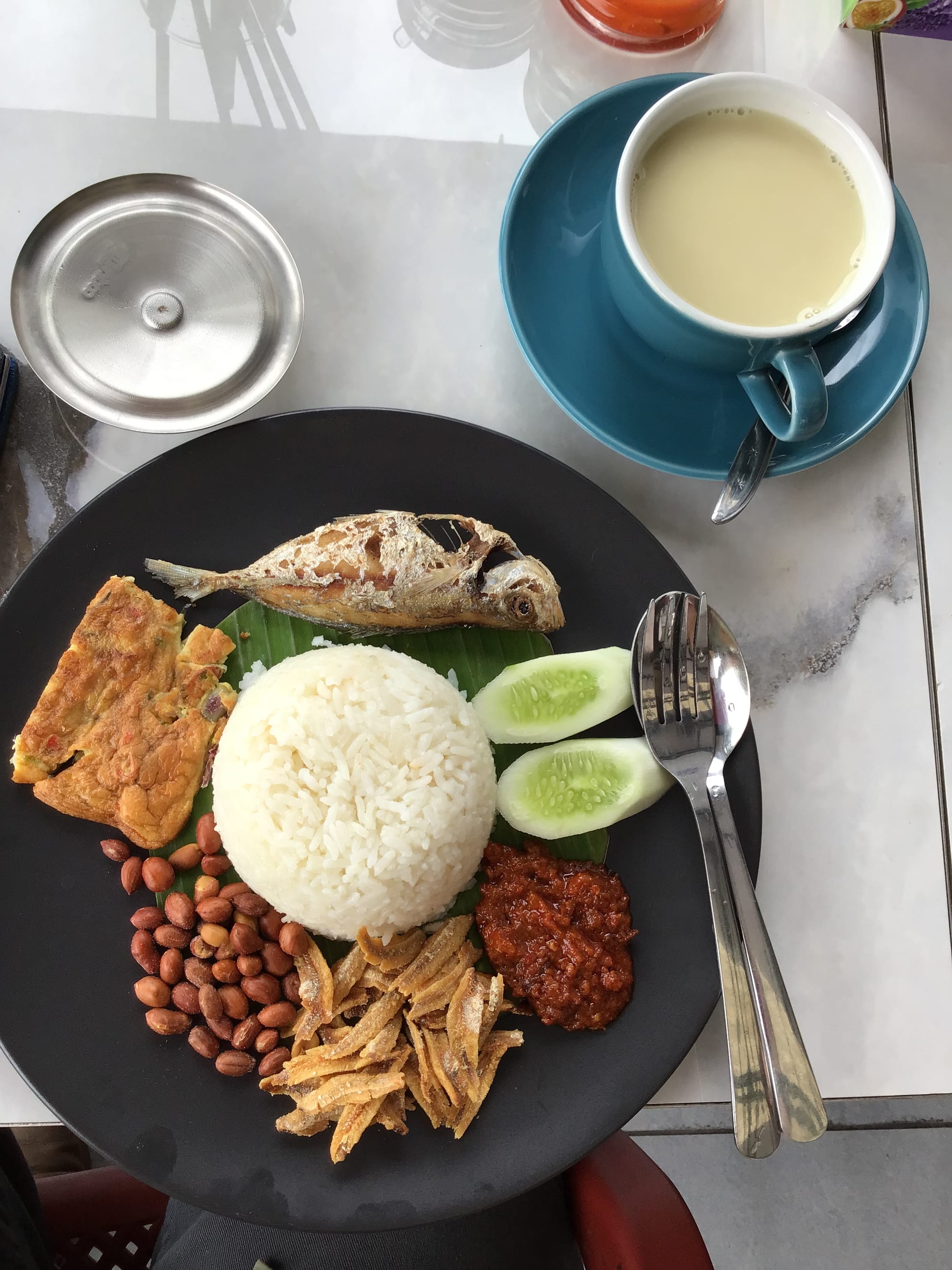
Coconut, chilli and a genuinely blended pantry
Coconut milk, chilli-based sambal, and rice form the shared base across much of Malay cooking, while Chinese-Malaysian dishes bring noodles and stir-fry technique, and Indian-Malaysian cooking contributes curry, roti and a distinct spice vocabulary. Hawker centres, where stalls representing all three traditions sit side by side, are where this blending shows up most visibly on a daily basis.
History behind the mix
Malaysia's ethnic diversity traces to centuries of trade along the Strait of Malacca, one of the world's most historically significant shipping routes, followed by Chinese and Indian immigration, encouraged under British rule to supply labour, in the 19th and 20th centuries. That history produced a genuinely shared food culture rather than three separate cuisines simply coexisting, visible in dishes that borrow techniques and ingredients across ethnic lines.
Dishes to know
Five more to recognise across Malaysia:
- Char kway teow — flat rice noodles stir-fried over very high heat with
prawns, cockles, Chinese sausage and bean sprouts, a Chinese-Malaysian hawker classic.
- Roti canai — a flaky, unleavened flatbread of Indian origin, usually
served with curry for dipping.
- Satay — skewered, grilled meat served with peanut sauce, found across
Malaysia in regional variations.
- Laksa — a spicy noodle soup, with genuinely distinct versions across
different regions and communities.
- Rendang — meat, often beef, slow-cooked in coconut milk and spices,
rooted in Malay and Minangkabau cooking and shared with Indonesia, Singapore and Brunei.
Drinks
Teh tarik, "pulled tea," strong black tea poured back and forth between containers to create a frothy top and mix in condensed milk, is considered Malaysia's national drink and a daily ritual at hawker stalls and mamak restaurants. Coffee, prepared in a similarly strong, sweetened style, and fresh tropical fruit juices round out the country's drinking culture.
Eating as a traveller
Vegetarians will find rice, noodle and vegetable dishes manageable across all three of Malaysia's major culinary traditions, though many dishes use fish sauce or shrimp paste, worth checking for. Tap water is generally not recommended to drink untreated; bottled water is the common default. Eating at a hawker centre, sampling dishes from several stalls at once, is the best way to experience Malaysia's food culture in one sitting.
What to take from the table
Nasi lemak, wrapped in banana leaf and eaten any time of day, is the dish that best represents Malaysia's food identity — but a plate from each corner of a hawker centre is what actually shows how genuinely blended the country's cooking has become.