Food · Montenegro
Montenegro: Food and the National Dish
A creamy cornmeal and potato mash eaten alongside smoked ham, in a small Balkan country split between mountain and Adriatic coast
By Globeway Editorial · 30 September 2026
A small country split between mountain and coast
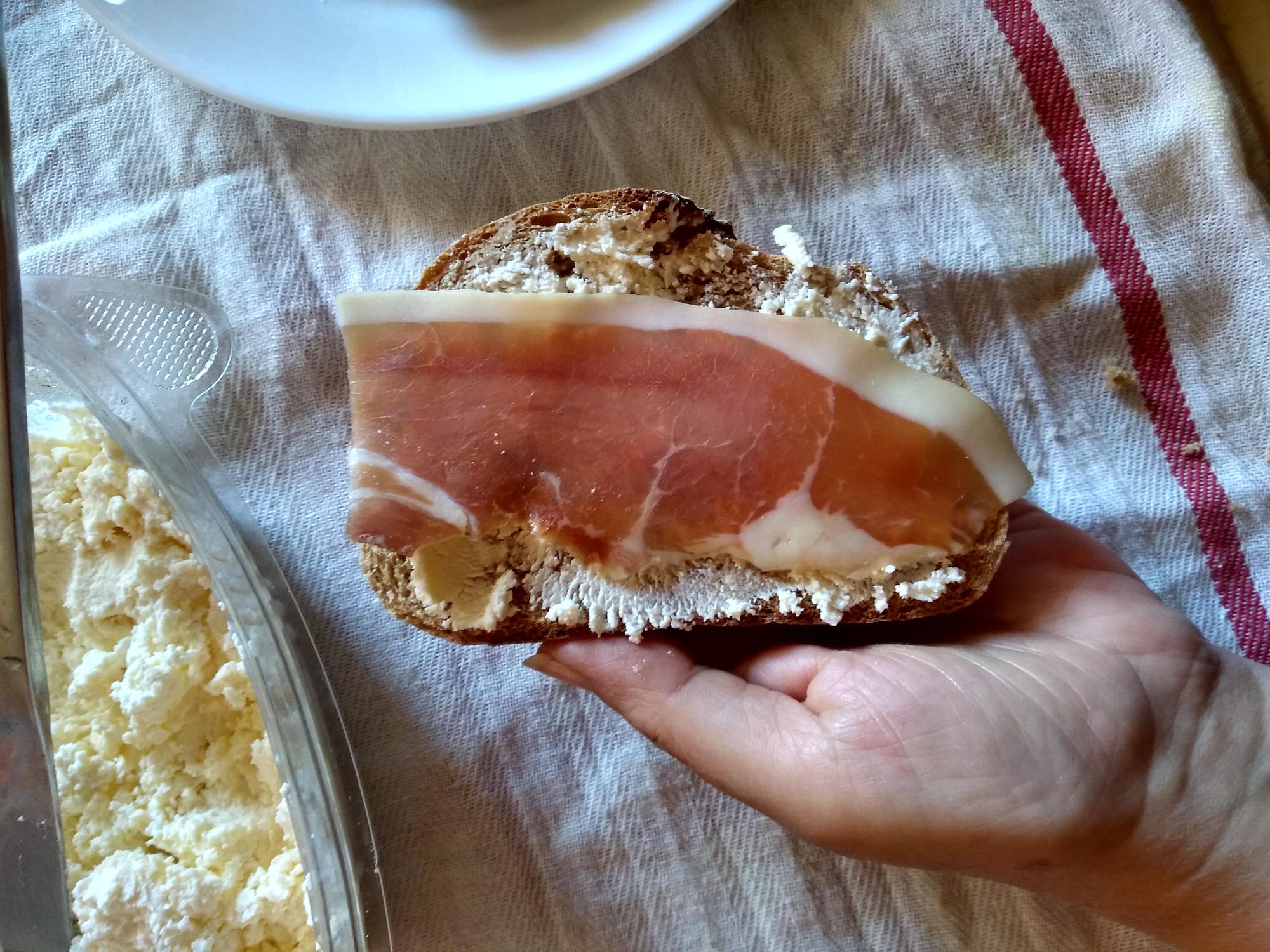
Montenegro's compact size hides genuine culinary variety: a mountainous interior built on smoked meat, dairy and hearty grain dishes suited to a harsh climate, and an Adriatic coastline leaning on fresh seafood, olive oil and Mediterranean vegetables closer in spirit to Italian and wider Adriatic cooking.
The national dish: kačamak
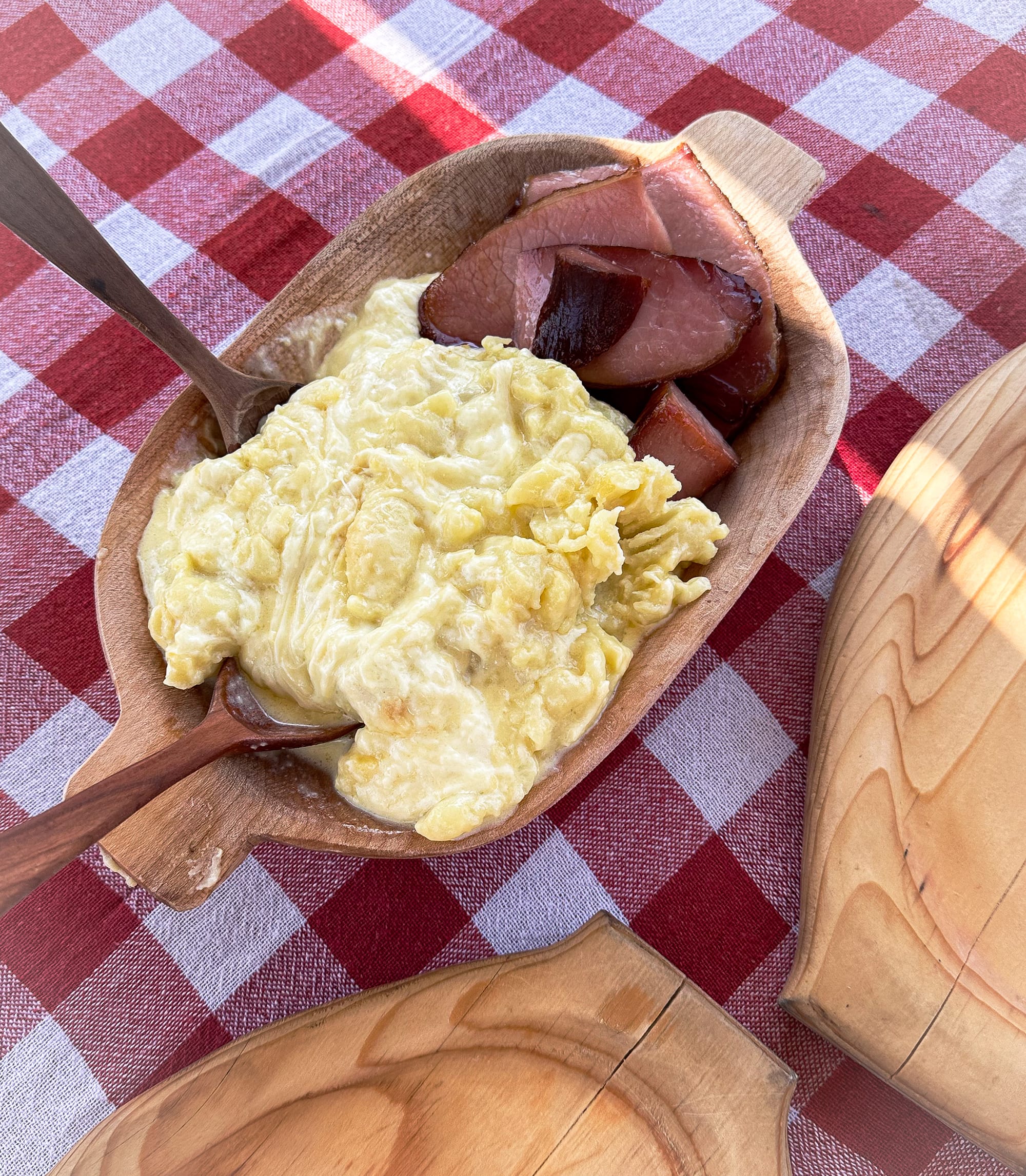
Kačamak, a creamy mash of cornmeal and potato enriched with kajmak (a dairy food similar to clotted cream), is often called Montenegro's national dish. Traditionally served with cold milk, buttermilk or yoghurt, kačamak is genuine mountain comfort food, and it sits naturally beside Njeguški pršut, cured ham from the village of Njeguši.
Smoked meat, dairy and a genuinely dual pantry
Njeguški pršut, from the mountain village of Njeguši, and kajmak anchor Montenegro's interior cooking tradition, while the coast around Kotor and Budva leans on fresh fish, mussels and olive oil. That split pantry, rather than a single unified cuisine, is what genuinely defines Montenegrin food.
History behind the dish
In Montenegro's mountainous interior, smoking, drying and curing meat have long been practical ways to preserve it, and specialties like Njeguški pršut that remain genuine points of national pride today. The country's Adriatic coast, by contrast, developed under long Venetian and wider Mediterranean influence, producing a genuinely different, seafood-forward cooking tradition within the same small country.
Dishes to know
Five more to recognise across Montenegro:
- Njeguški pršut — smoked, air-dried ham from the village of Njeguši,
a genuine point of national pride.
- Kajmak — a rich dairy food similar to clotted cream, often served alongside pršut or
kačamak.
- Crni rižot — a black risotto made with cuttlefish ink, a coastal
Adriatic specialty.
- Sarma — cabbage or vine leaves rolled around minced meat and rice, a
dish of Ottoman origin shared with the wider Balkans.
- Priganice — small fried dough balls, served with honey, cheese or
jam.
Drinks
Rakija, a fruit brandy shared across the Balkans, is Montenegro's traditional spirit, often distilled at home from grapes or plums. Vranac, a red grape native to Montenegro, is the country's most planted and most important wine variety, and coffee, both Turkish coffee and espresso, is offered at almost any visit or meeting.
Eating as a traveller
Vegetarians will find kačamak, dairy and coastal vegetable dishes manageable, though smoked meat and seafood are central to much traditional Montenegrin cooking. Trying kačamak in the mountain interior, ideally alongside Njeguški pršut, gives a genuinely different picture of Montenegrin food than a coastal seafood meal in Kotor or Budva.
What to take from the table
Kačamak, creamy and simple, is the dish that best represents Montenegro's mountain food identity — a reminder that even a small country can hold two genuinely different food cultures within its borders.