History · Myanmar
Myanmar: The Kingdom, the Junta, and the War
The Bagan temple plain and the Konbaung kings — British conquest, a fractured independence, half a century of military rule, a brief opening, the Rohingya expulsion, and a country now at war with its own army
By Worldlore Editorial · 30 September 2026
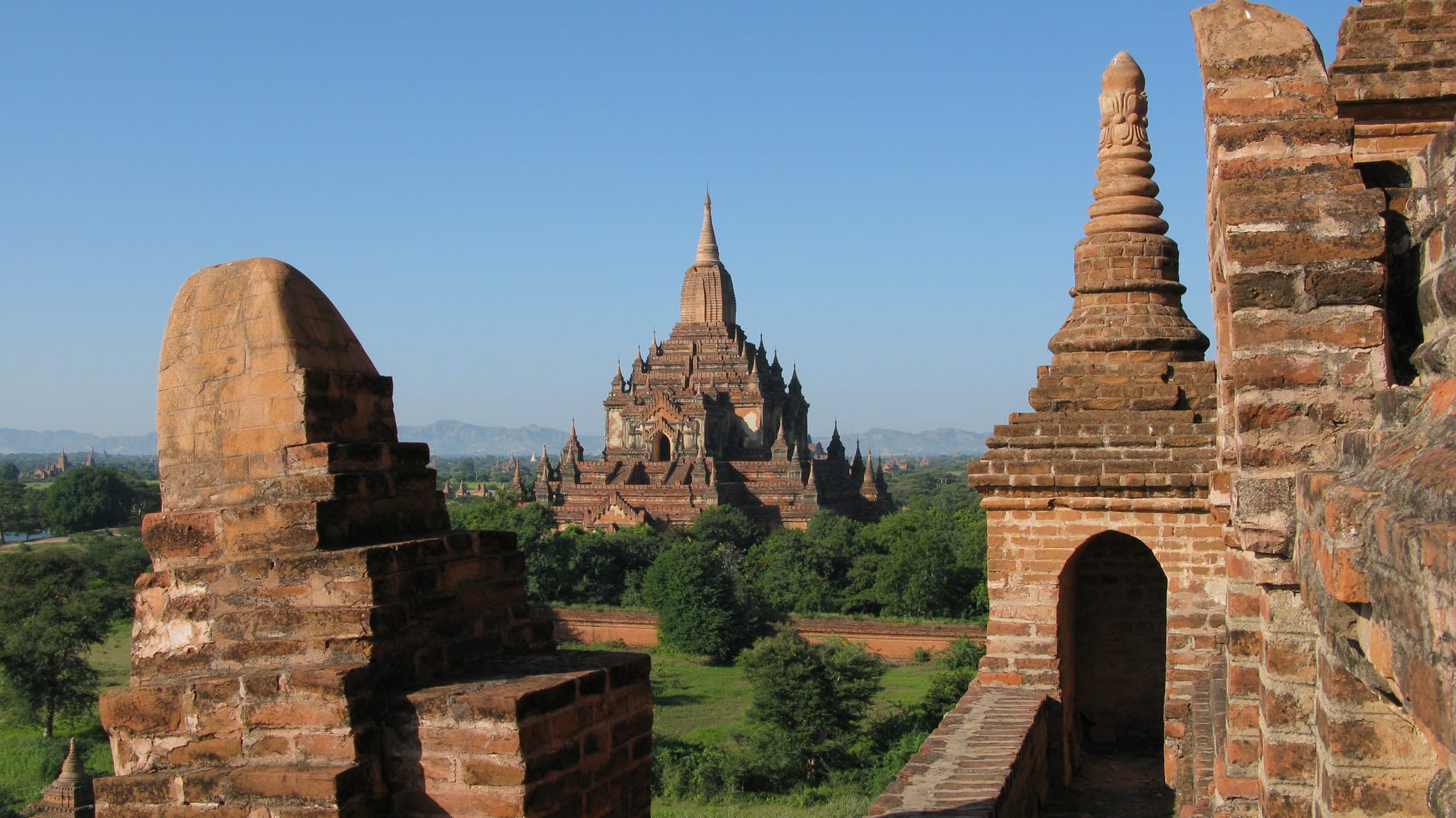
A large, divided country
Myanmar is the biggest country in mainland Southeast Asia, ringed by hills that belong to ethnic minorities — Shan, Karen, Kachin, Rakhine, Chin and others — around a Bamar-majority heartland in the Irrawaddy valley. It has been at war with itself, in one form or another, almost continuously since independence in 1948. The army has ruled for most of that time, and since a 2021 coup the country has fallen into its widest conflict yet.
A short history
- c. 1044–1287
The Kingdom of Bagan
The first unification of the Irrawaddy valley; Theravada Buddhism.
- 1550–1581
Bayinnaung
The Toungoo dynasty builds a vast Southeast Asian empire.
- 1752–1885
The Konbaung dynasty
Burma's last royal house.
- 1824–1885
Three Anglo-Burmese wars
Britain annexes Burma piece by piece.
- 1948
Independence
Burma leaves the British Empire; civil wars begin at once.
- 1962
Ne Win's coup
The "Burmese Way to Socialism" and decades of isolation.
- 1988
The uprising
A pro-democracy revolt is crushed; the junta reorganises.
- 1990
Ignored election
The NLD wins a landslide; the army keeps power.
- 2011–2021
The opening
Reforms, elections, and then the Rohingya expulsion.
- 2021
The coup
The military seizes power; a nationwide war follows.
Kingdoms
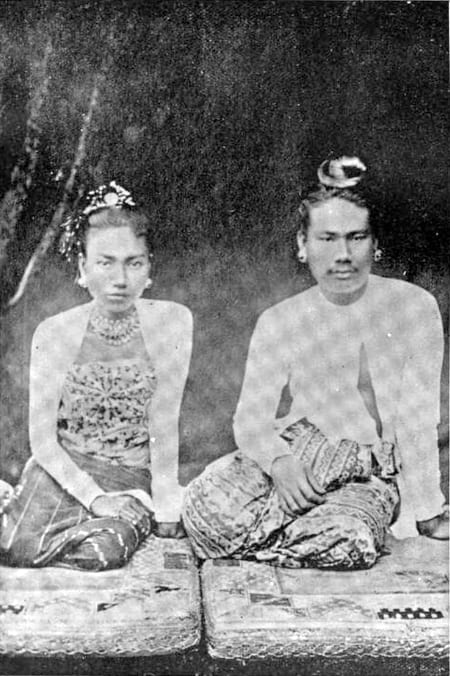
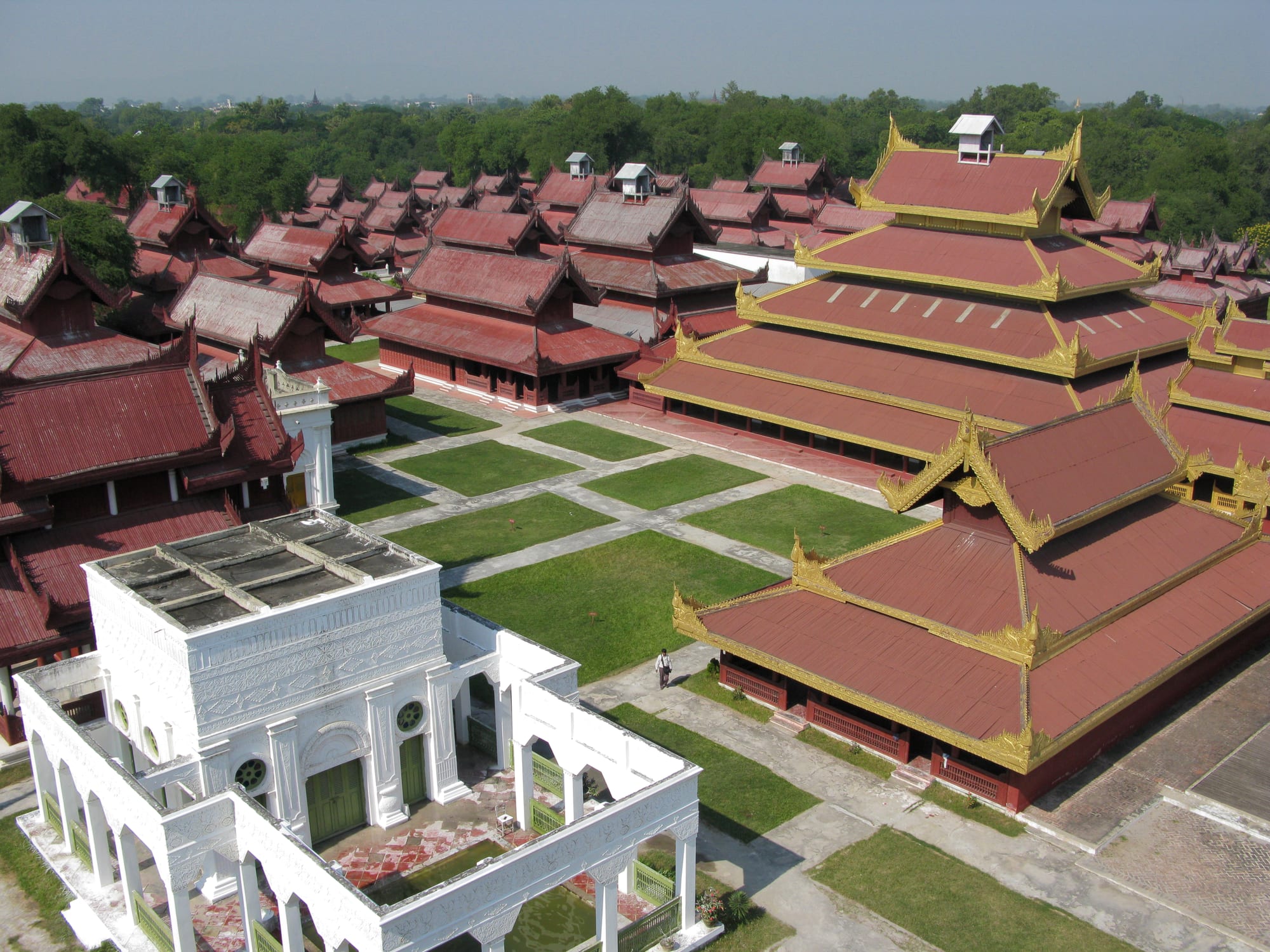
The dry central zone held the Pyu city-states and Mon kingdoms before the Bamar migrated in and founded Bagan, which under King Anawrahta first unified the Irrawaddy valley and made Theravada Buddhism the state religion. Bagan fell after Mongol invasions, and centuries of division followed until the Toungoo and then the Konbaung dynasties reunified the country. Konbaung expansion — the sack of the Thai capital in 1767, the conquest of Arakan in 1784 — brought Burma up against British India.
The end of the kingdom
Independence, and its wars
Aung San and the "Thirty Comrades" trained under Japan and led an army into Burma with the Japanese invasion of 1941–42, then switched to the Allies in 1945. Aung San negotiated the 1947 Panglong Agreement, promising the hill peoples a federal union with autonomy — but he and most of his cabinet were assassinated months later. Burma became independent on 4 January 1948, and communist and Karen insurgencies broke out almost immediately and never fully ended.
Military rule
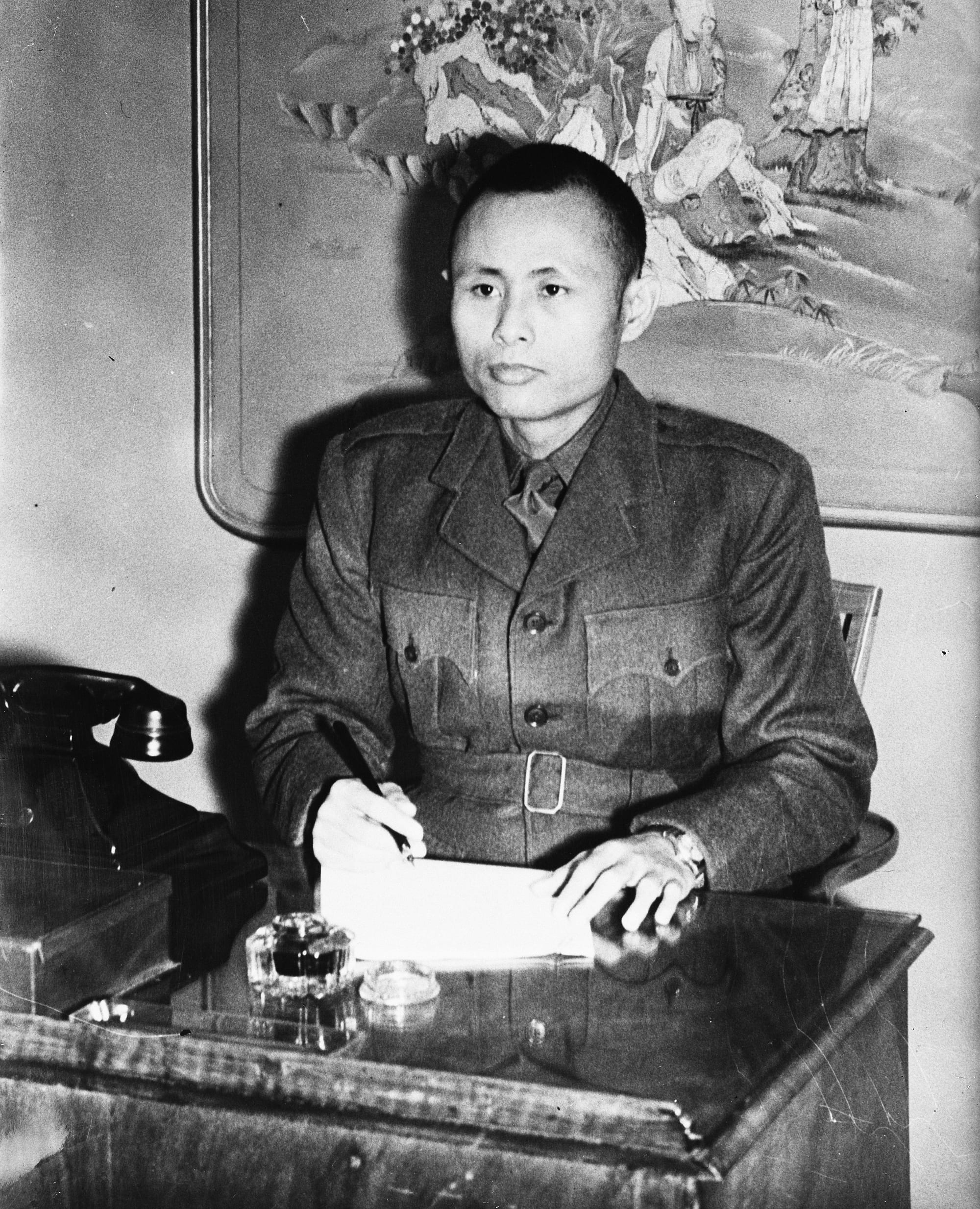
In 1962 General Ne Win seized power and imposed the "Burmese Way to Socialism" — a xenophobic one-party state that nationalised everything, drove out more than 300,000 people of Indian descent, sealed the country off, and turned the former rice bowl of Asia into one of the world's poorest countries. A 1982 law stripped the Rohingya of citizenship.
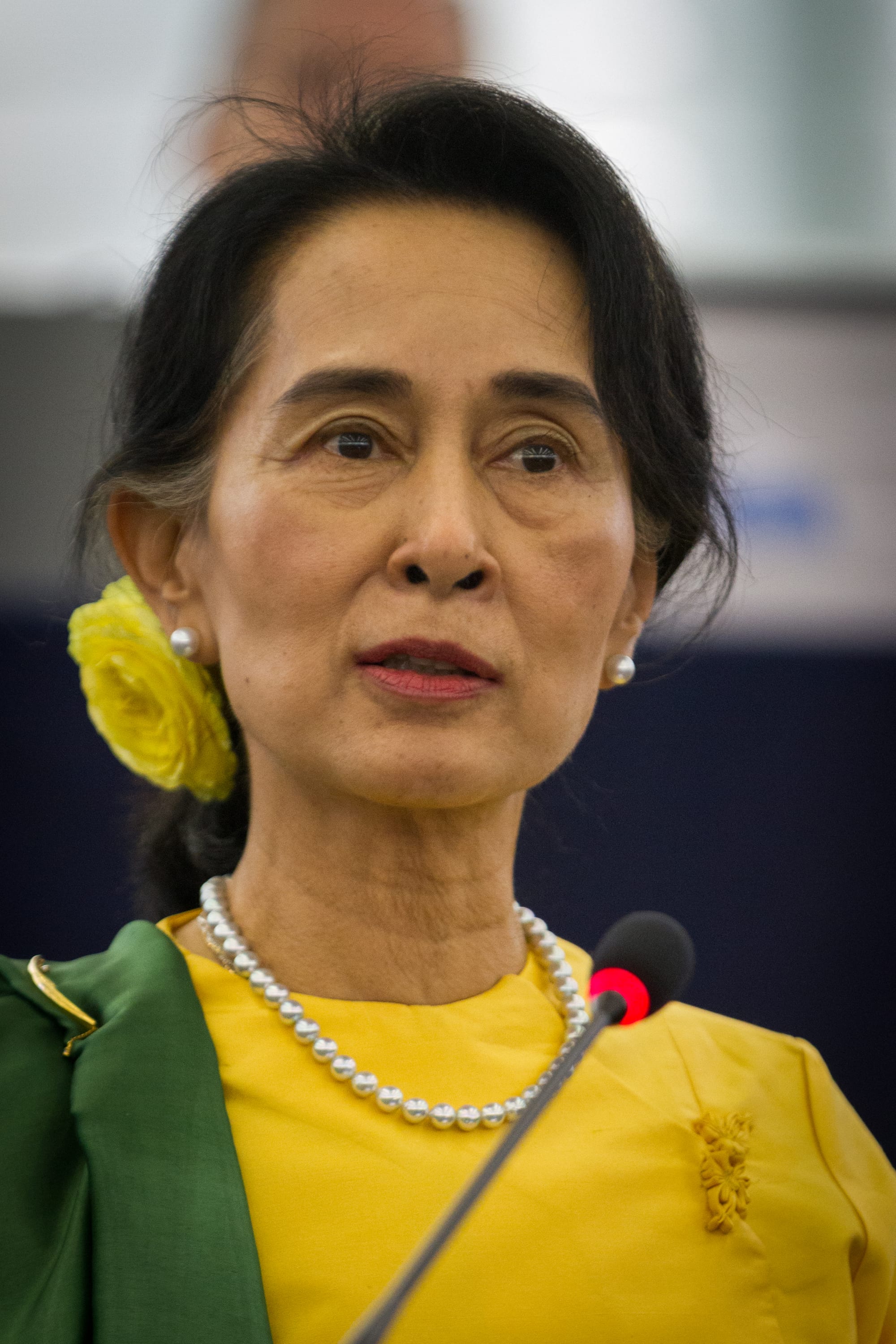
A nationwide uprising in 1988 was crushed with thousands of deaths. The reorganised junta renamed the country Myanmar and, unexpectedly, held elections in 1990 — which the National League for Democracy, led by Aung San's daughter Aung San Suu Kyi, won overwhelmingly. The generals ignored the result and held Suu Kyi under house arrest for most of the next two decades.
The opening, and the Rohingya
From 2011 the military handed power to a nominally civilian government under a constitution it had written, reserving a quarter of parliament and key ministries to itself. Reforms followed — political prisoners freed, censorship eased, sanctions lifted — and the NLD won the 2015 election.
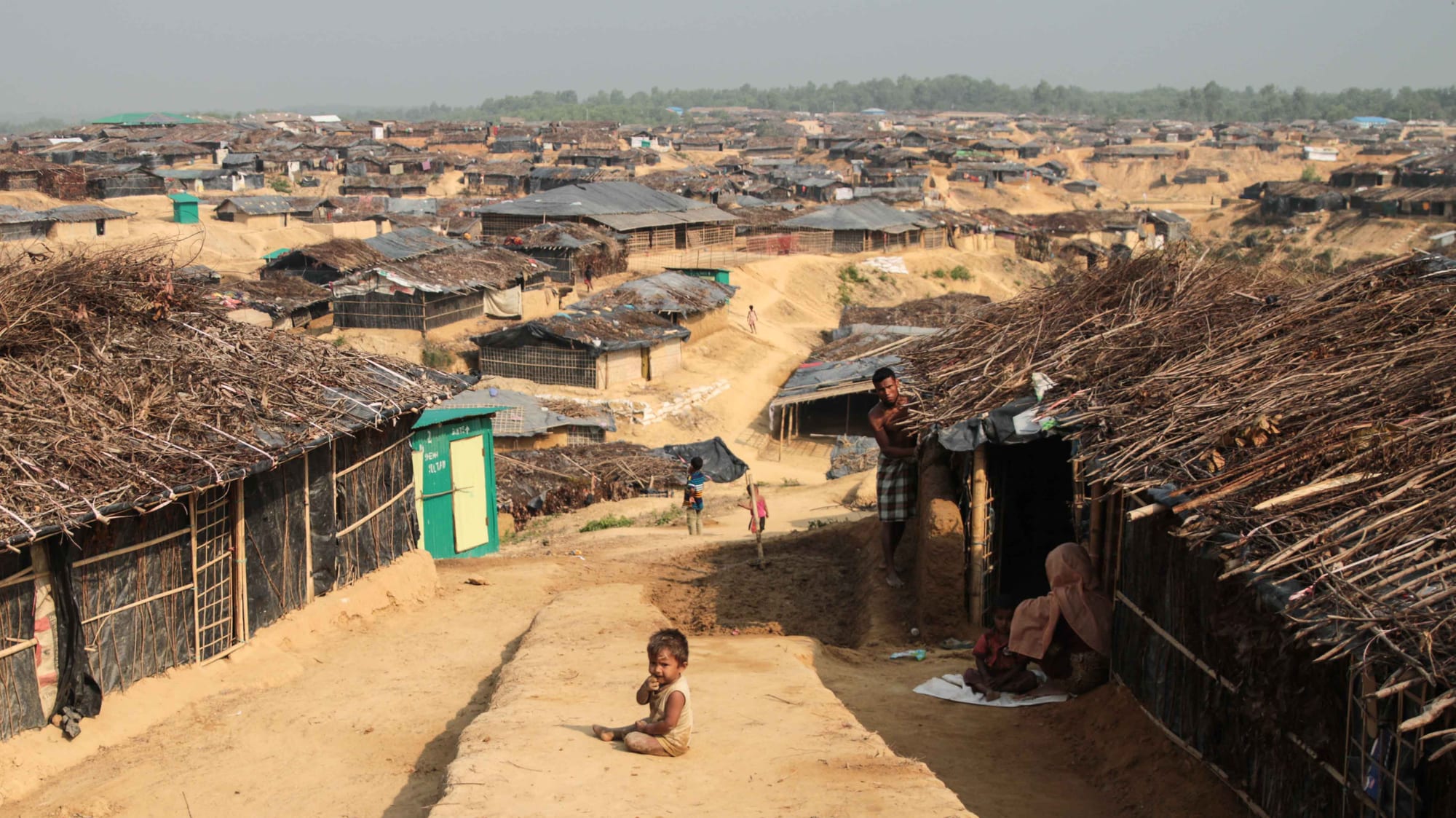
In 2016–17 the military carried out "clearance operations" against the Rohingya in Rakhine State — burning villages, mass killings and rape — that drove more than 700,000 people into Bangladesh. The UN called it ethnic cleansing carried out with "genocidal intent".
The coup, and the war
The NLD won an even bigger landslide in 2020. On 1 February 2021 the military staged a coup, detained Suu Kyi and the civilian leadership, and met mass nonviolent protest with lethal force.
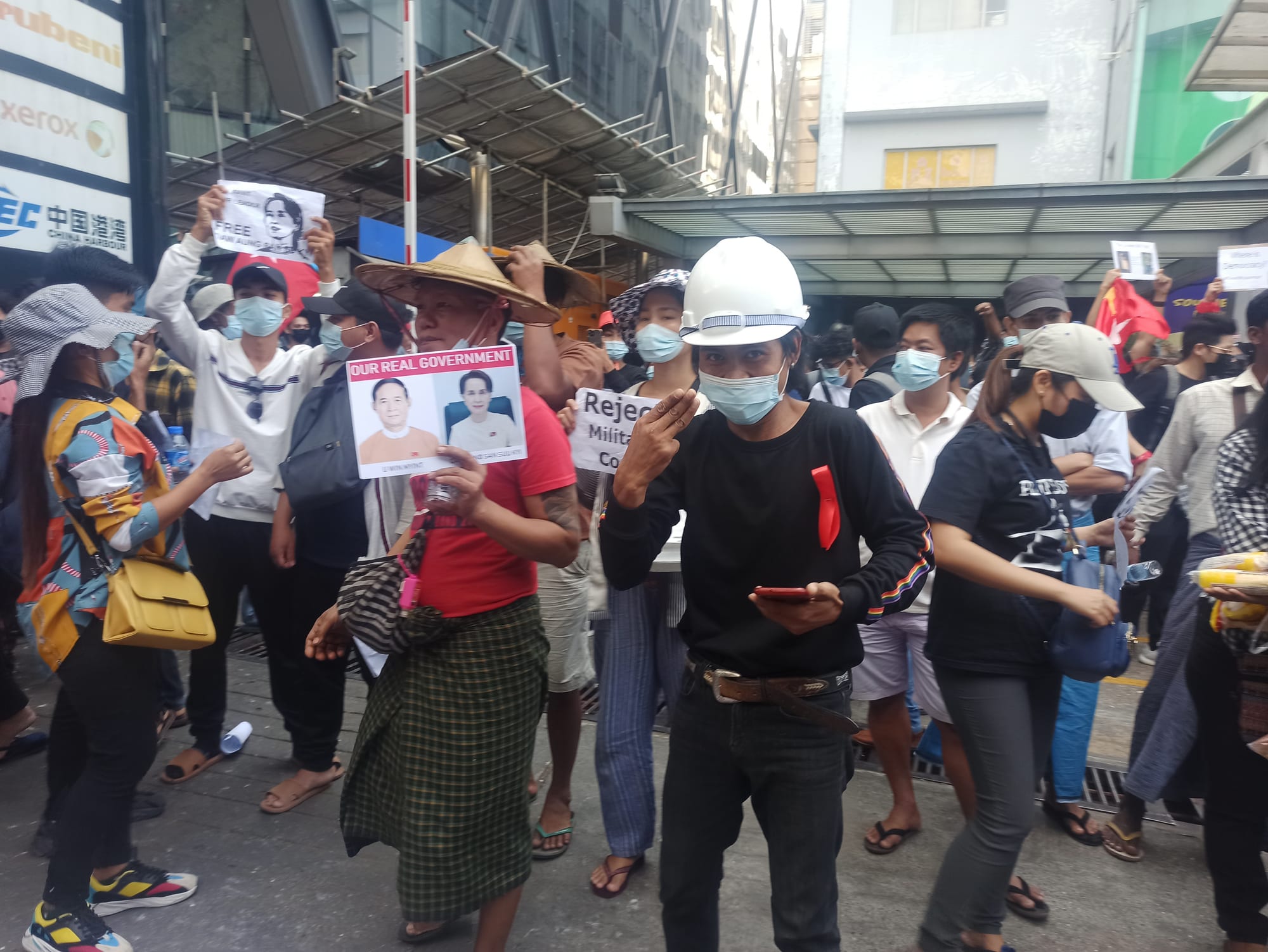
The protests gave way to armed resistance — local defence forces, a parallel government, and alliances with the established ethnic armed organisations. The junta holds the central cities, relying on airstrikes and conscription, and is accused of widespread atrocities, while the economy has collapsed and millions are displaced. A major earthquake near Mandalay in March 2025 killed thousands in the middle of the war. The military held an election in phases between December 2025 and January 2026, won overwhelmingly by the army-backed Union Solidarity and Development Party and widely seen as a way to legitimise continued military rule; the fighting has not stopped.
What Myanmar carries
Myanmar's core problem was set at independence: a Bamar-dominated state that never delivered the federal autonomy promised at Panglong, and a military that came to see itself as the only guarantor of unity. Half a century of army rule impoverished the country, isolated it, and — in the treatment of the Rohingya — carried out an atrocity that discredited even the democratic movement's most famous figure. The 2021 coup broke the last compromise, and the war it started is still being fought.