Attractions & Natural Wonders · Nicaragua
Nicaragua: Six Attractions and Natural Wonders
A volcano whose crater glows with lava after dark, one of the oldest Spanish colonial cities in the Americas, a twin-volcano island in a freshwater lake, and Caribbean islands most of Central America has never heard of
By Worldlore Editorial · 30 September 2026
The land of lakes and volcanoes
Nicaragua, the largest country in Central America by area, is strung with volcanoes along its Pacific side and holds the region's largest lake, Lake Nicaragua, big enough to have its own bull sharks and an island built from two volcanoes. It has about 7.1 million people, a colonial heritage split between rival cities Granada and León, and a coastline on both the Pacific and a little-visited Caribbean side. Political life under Daniel Ortega and Rosario Murillo, made co-presidents by a 2025 constitutional reform, has been increasingly repressive since 2018, though the main tourist circuit has continued to operate.
The six below run from the volcanic interior to both coasts. The dry season (November to April) is the easiest time to visit; the rains from May to October bring the landscape to its greenest.
1. Masaya Volcano
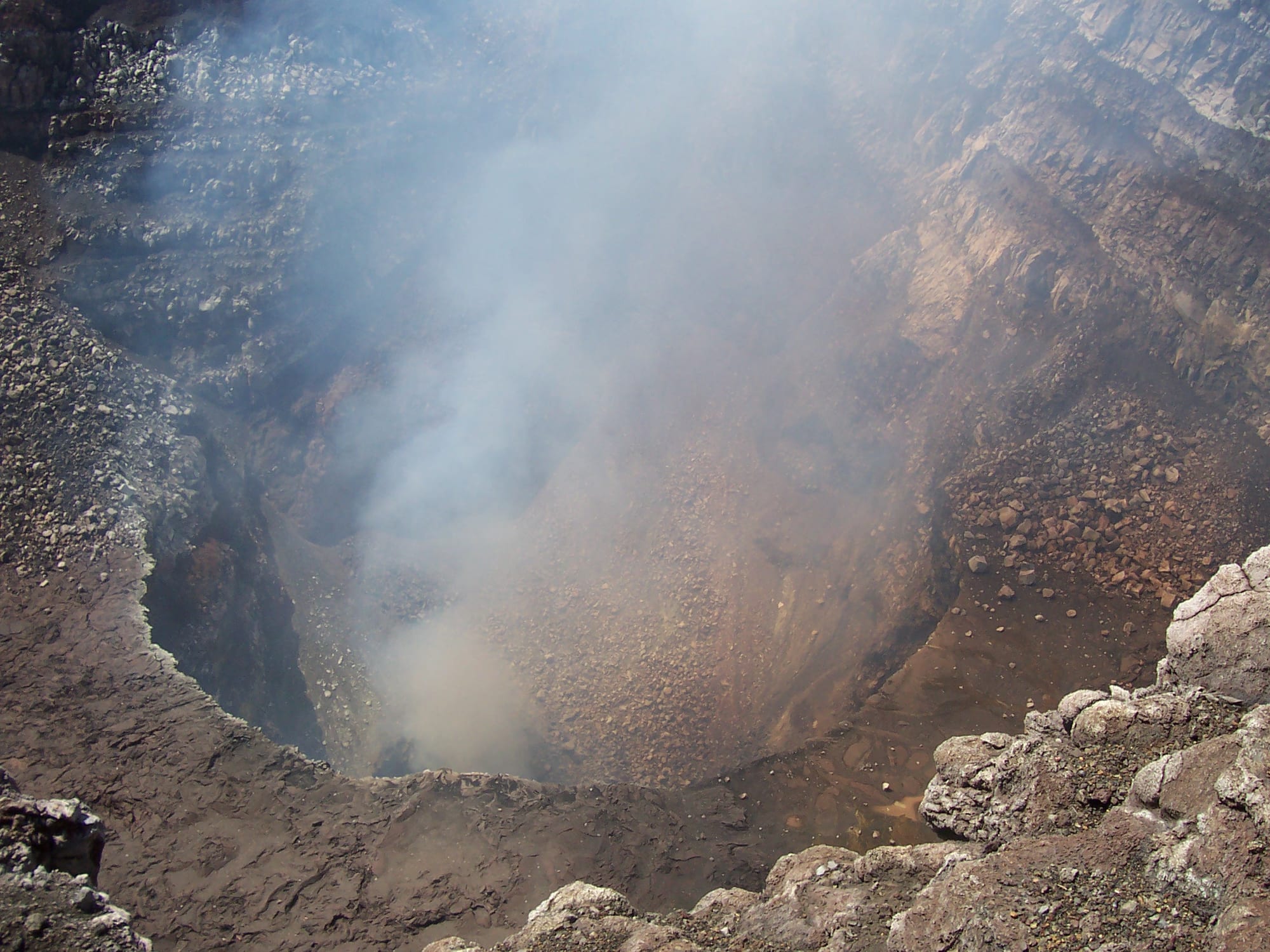
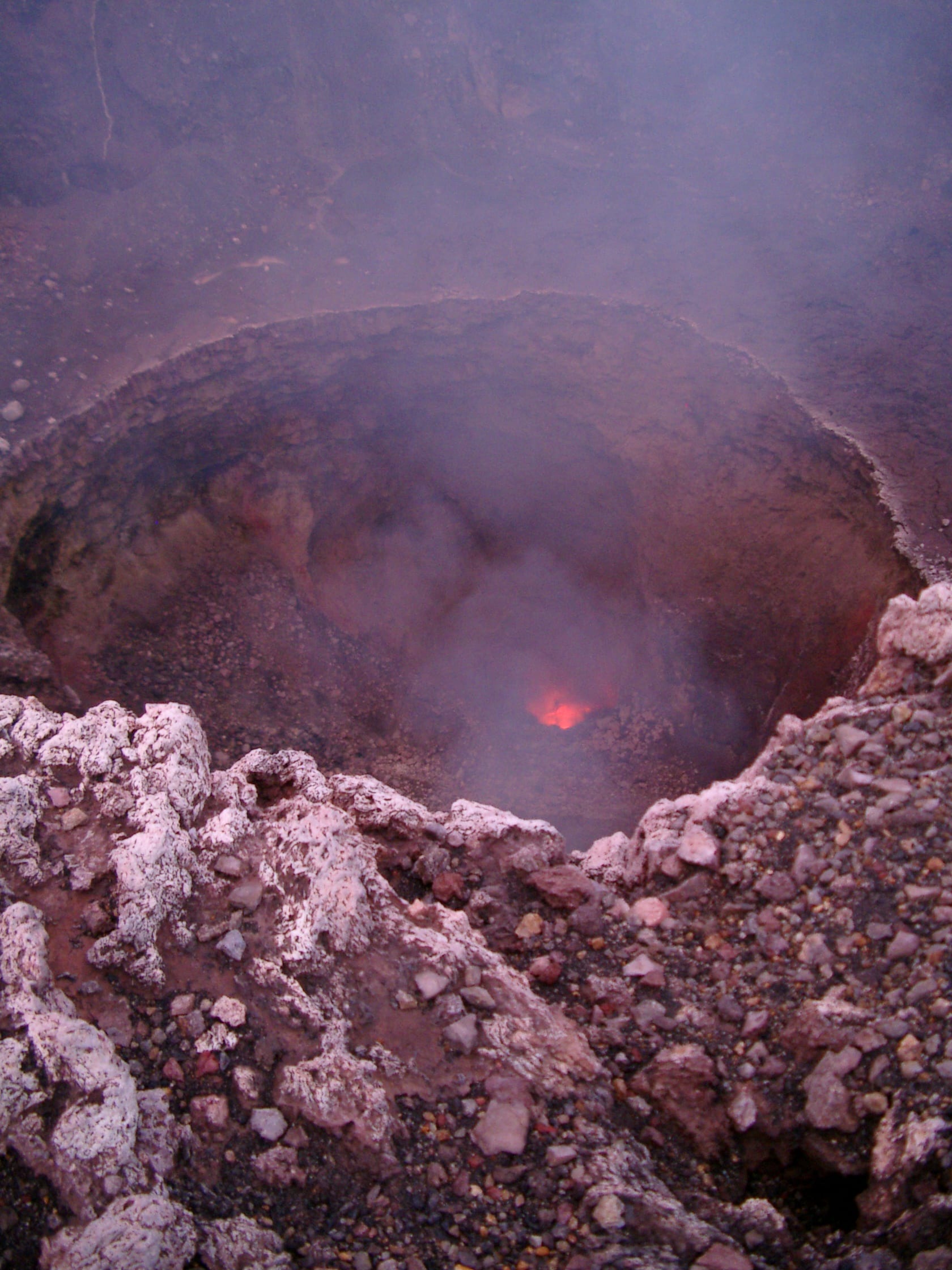
Masaya, some 20 kilometres south of Managua, is a volcano where visitors can drive to a rim overlook above the active Santiago crater, which constantly emits gas and has at times held lava — most dramatically after dark, when the glow lights up the rising plume. Created in 1979 as Nicaragua's first national park, it covers 54 square kilometres, with two volcanoes and five craters.
Evening visits are the most popular, when the lava glow is most visible.
2. Granada
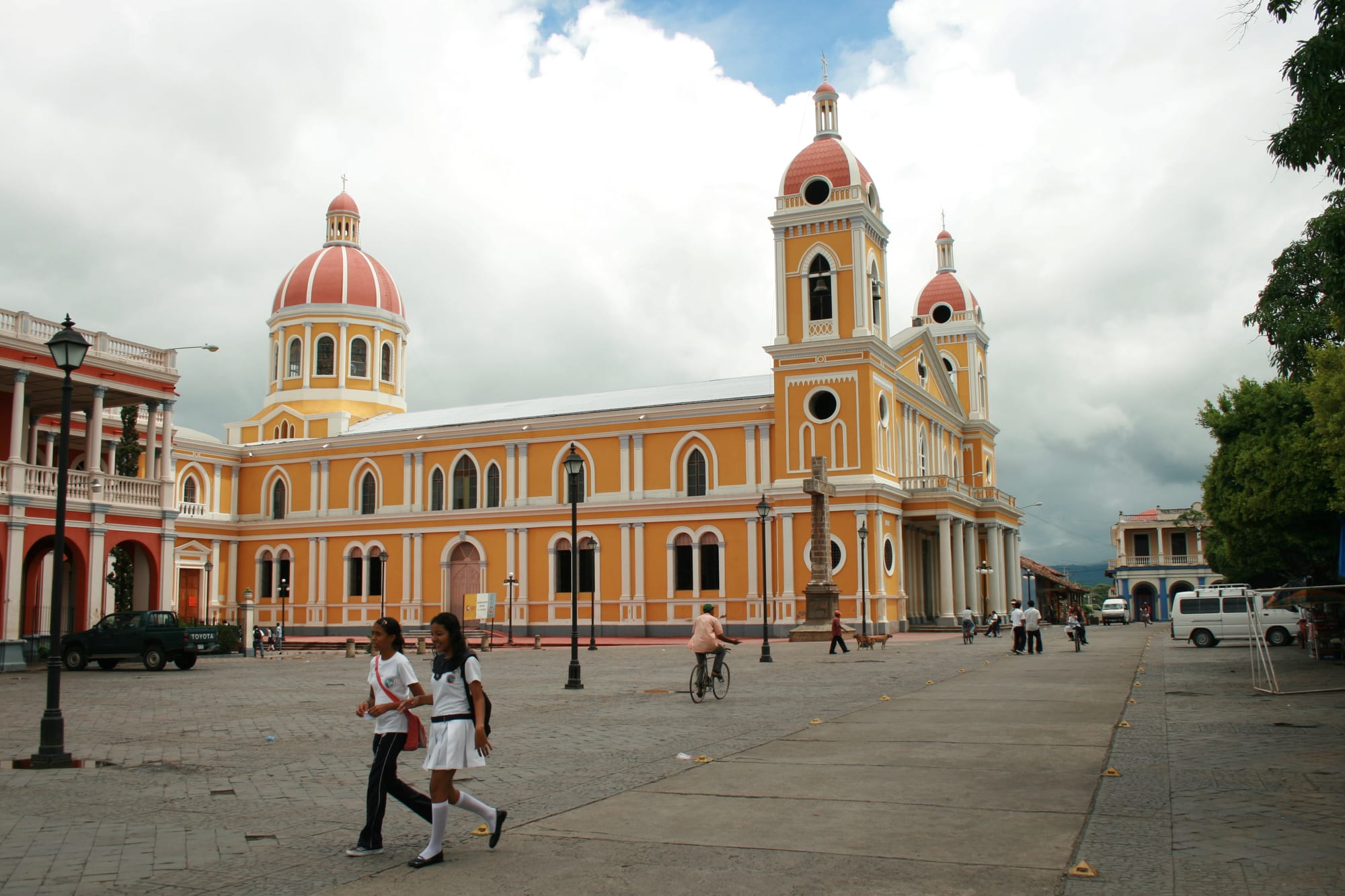
Granada, founded in 1524 on the shore of Lake Nicaragua, is one of the oldest European-founded cities in the Americas — a grid of brightly painted colonial buildings, churches, and courtyard homes. Horse-drawn carriages still work the streets around the central square, and boat trips run out among the "Isletas", some 365 tiny volcanic islets scattered just offshore.
It is a popular first stop and an easy introduction to Nicaragua.
3. León
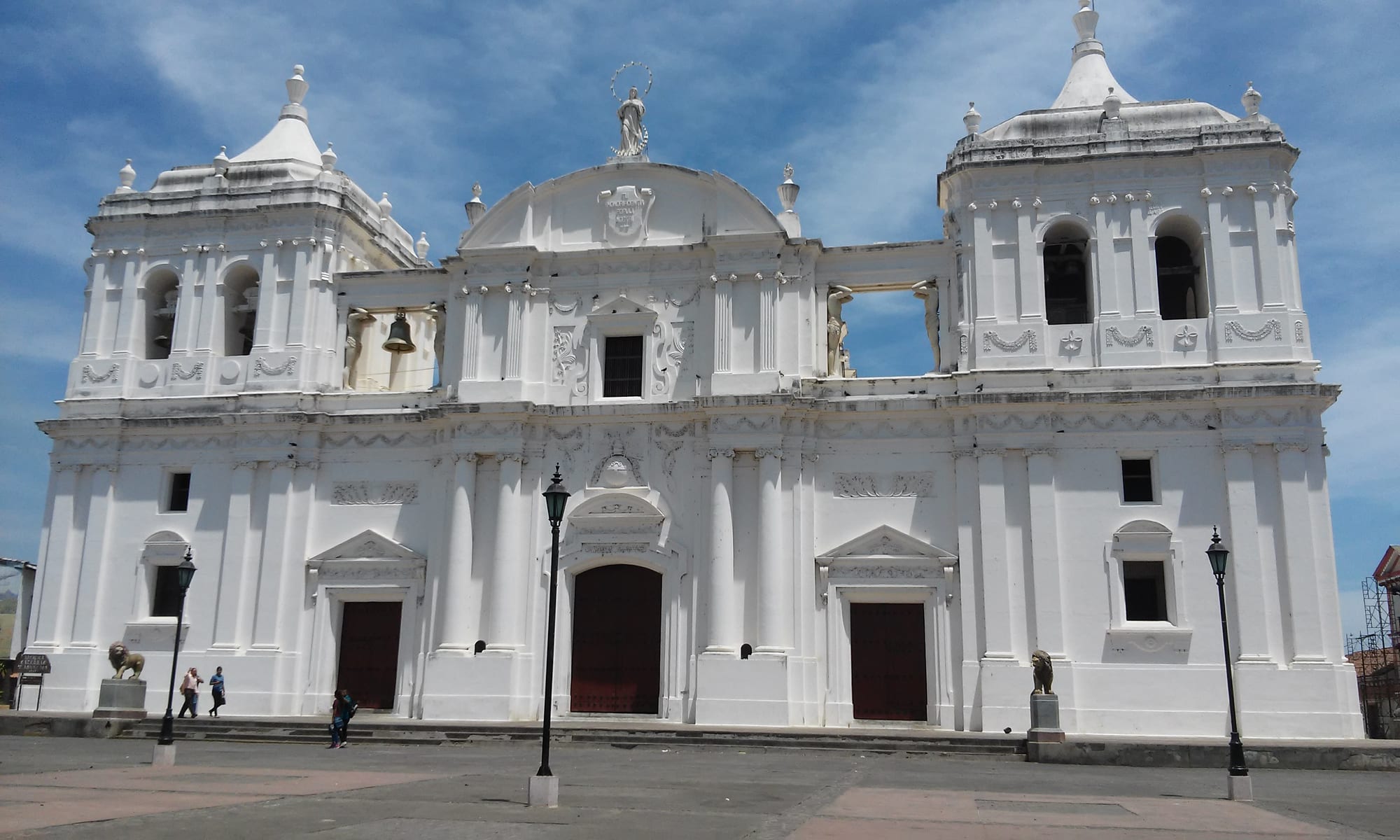
León, Granada's historic rival and Nicaragua's intellectual and revolutionary capital, has a grittier, more political character — student-filled streets, murals commemorating the Sandinista revolution, and deep associations with the poet Rubén Darío, who grew up there. Its cathedral, built between 1747 and 1814 and consecrated in 1860, is the largest in Central America and was inscribed as a UNESCO World Heritage Site in 2011; its crypt holds Darío's tomb.
Nearby Cerro Negro, the youngest volcano in Central America (it first appeared in 1850), is a popular spot for volcano boarding.
4. Ometepe Island
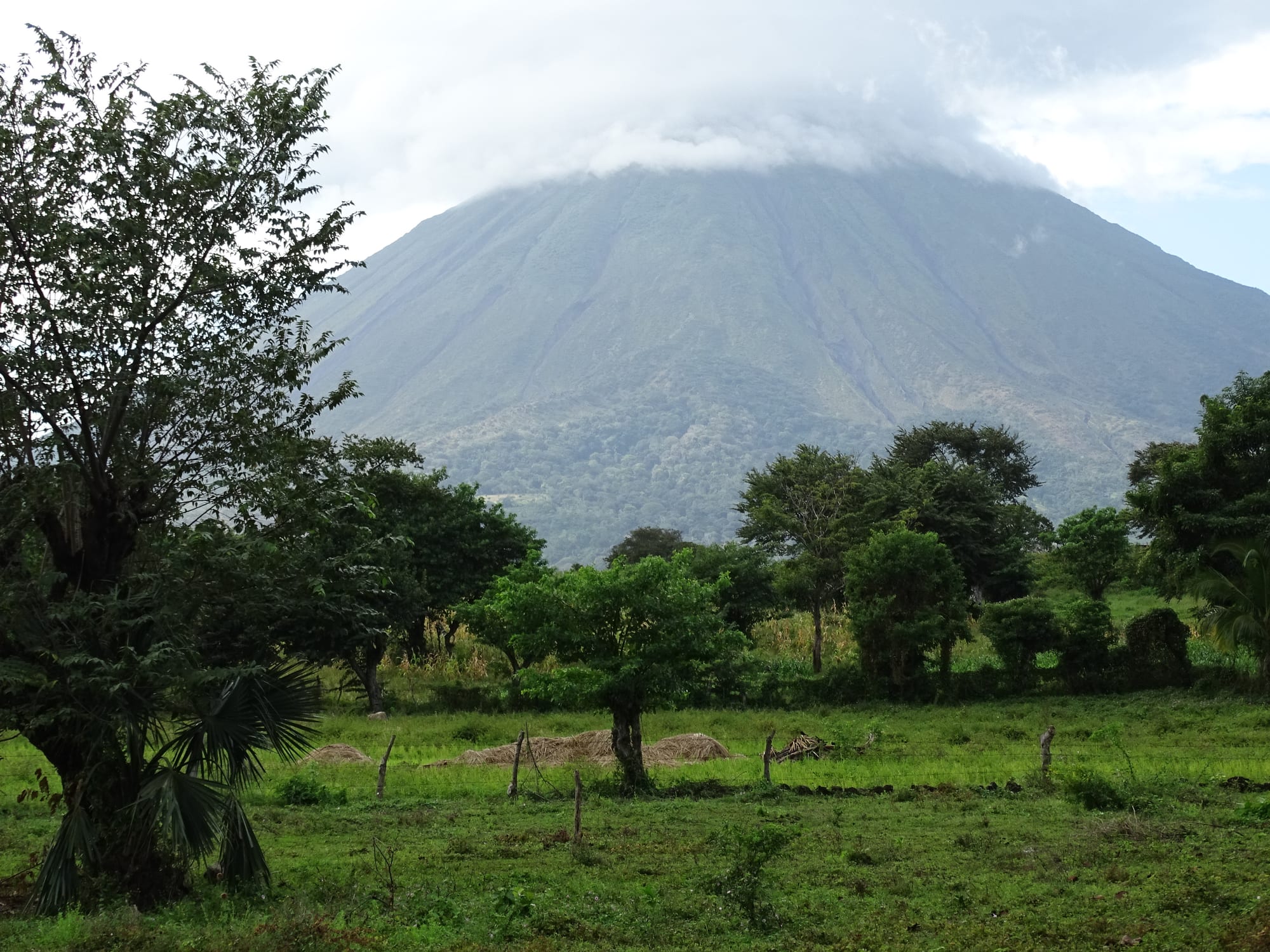
Ometepe, in the middle of Lake Nicaragua, is a figure-eight island formed by two volcanoes — the active Concepción and the forested Maderas, considered extinct or possibly dormant — linked by a narrow isthmus. It is one of the country's most laid-back destinations: petroglyph sites, rainforest and a crater lake on Maderas, howler and capuchin monkeys, and simple lakeside guesthouses, reached by ferry from the mainland town of San Jorge.
Climbing either volcano is a full, demanding day; many visitors are content to simply relax by the lake.
5. San Juan del Sur
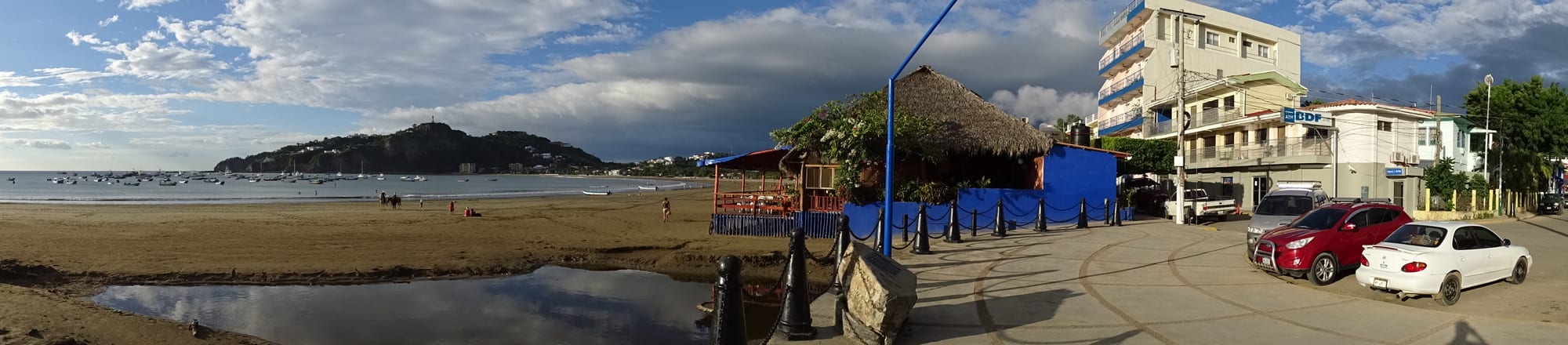
San Juan del Sur, on the southern Pacific coast, is Nicaragua's best-known beach and surf town — a horseshoe bay with a lively nightlife scene and a host of international surfing competitions, with quieter surf beaches such as Popoyo further north. The Christ of Mercy, one of the tallest Jesus statues in the world, overlooks the bay.
It is popular with both Nicaraguan families and foreign visitors.
6. The Corn Islands
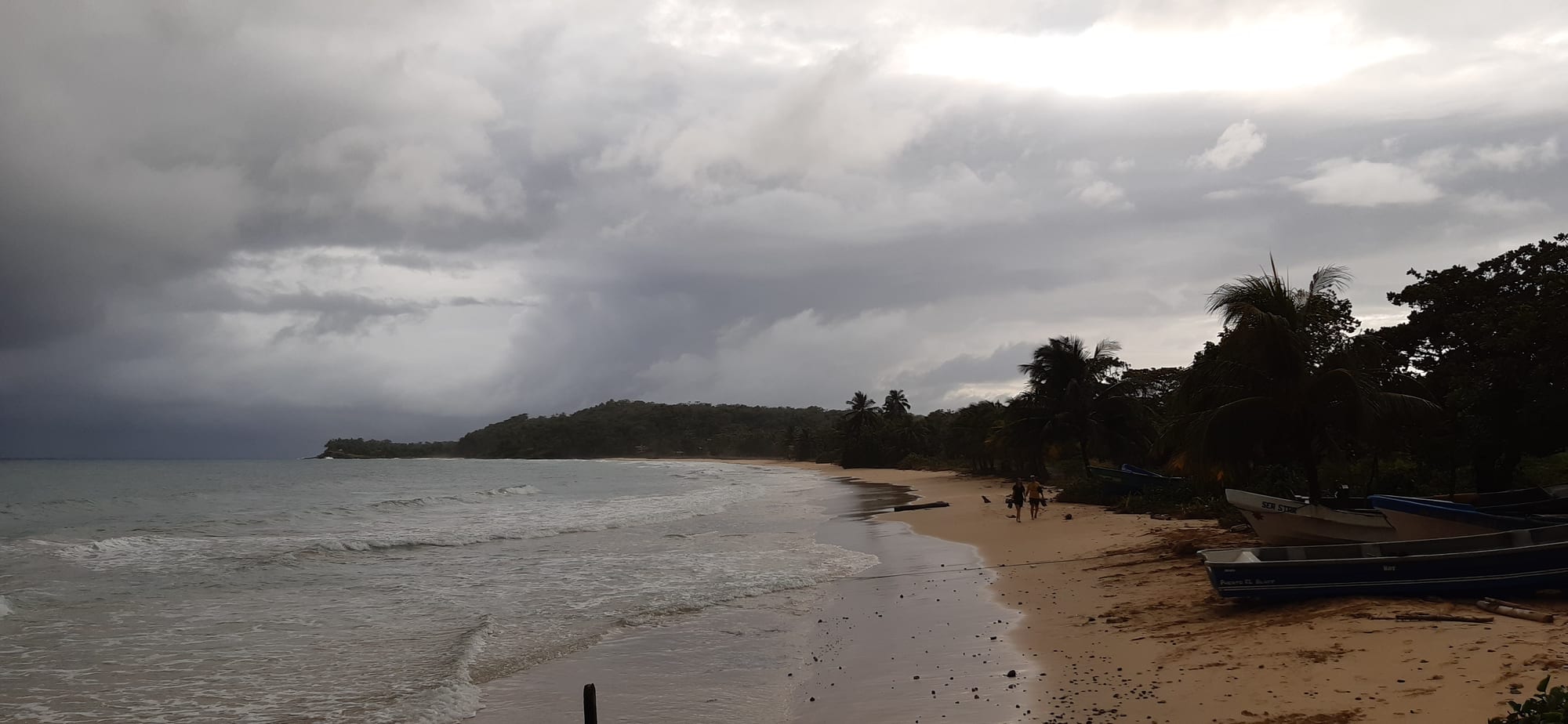
The Corn Islands, off Nicaragua's Caribbean coast, are a world apart from the volcanic, Spanish-speaking mainland — English- and Creole-speaking, with an Afro-Caribbean culture closer to Jamaica or Belize than to Granada. Big Corn has flights from the mainland and simple beach lodges; smaller Little Corn is reached by boat, with sand paths, palm-backed beaches and coral reefs.
They are genuinely remote from the rest of the country, reached by a short flight from Managua.
A practical note
Nicaragua has experienced serious political repression since anti-government protests in 2018, and several governments advise reconsidering travel because of arbitrary detention, denial of entry or exit, and the treatment of journalists, religious workers and critics of the government; the main tourist circuit (Granada, León, Ometepe, San Juan del Sur) has generally continued to operate for visitors.
A first visit usually links Granada, Masaya, and León over about a week, adding Ometepe or San Juan del Sur for those with more time.