Food · North Korea
North Korea: Food and the National Dish
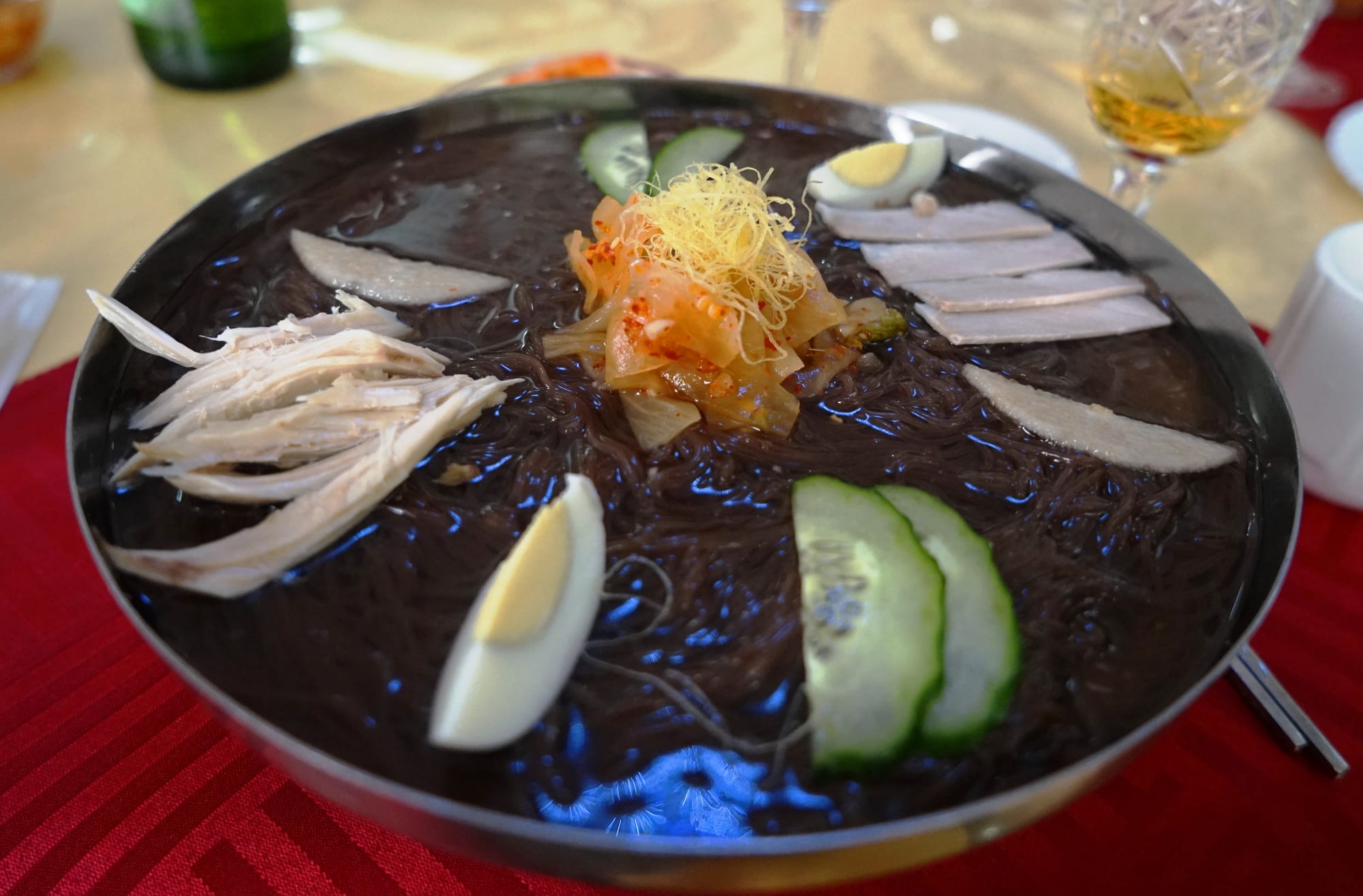
Cold buckwheat noodles made famous by a Pyongyang restaurant, a dish shared with South Korea but claimed with genuine local pride in the North
By Globeway Editorial · 30 September 2026
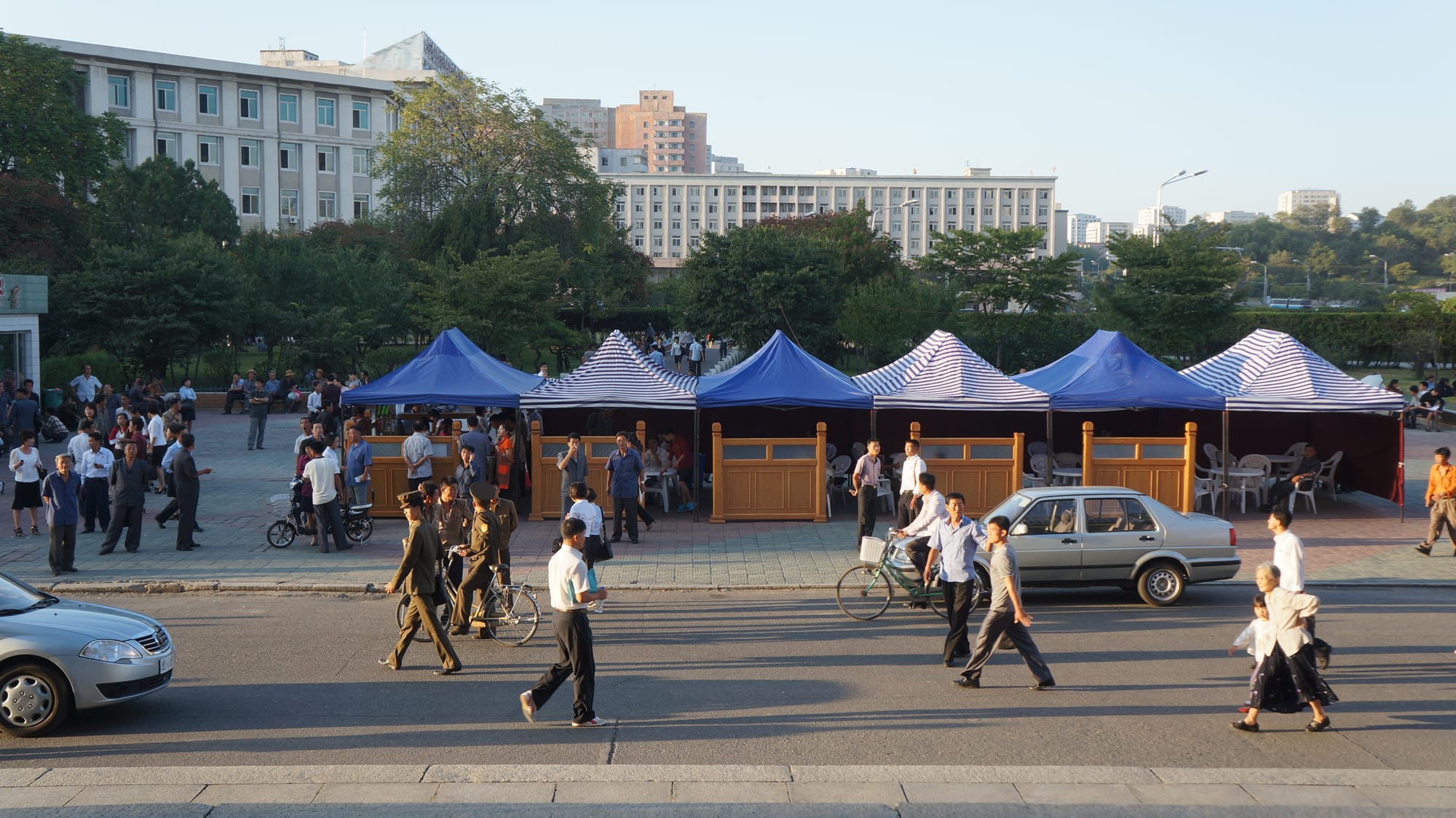
A shared Korean food tradition, divided by a border
North Korean food shares its deepest roots with the wider Korean culinary tradition found across the border in South Korea: rice, fermented vegetables, and a strong noodle culture. Decades of political division have shaped some real differences in availability and style, but the underlying cuisine remains recognisably part of one shared Korean food identity.
The celebrated dish: Pyongyang naengmyeon
Pyongyang naengmyeon, cold buckwheat noodles served in a chilled, tangy beef, pheasant or radish-kimchi broth with vegetables, meat and often a boiled egg, is North Korea's most celebrated dish, most famously associated with Okryugwan, a large restaurant in Pyongyang. In 2022 UNESCO inscribed the "Pyongyang Raengmyon custom" on its Representative List of the Intangible Cultural Heritage of Humanity. The dish gained international attention in 2018 when Okryugwan naengmyeon was served at the April 2018 inter-Korean summit dinner between the two countries' leaders, briefly turning a well-known regional specialty into international news.
Rice, fermented vegetables and the everyday pantry
Rice and kimchi, fermented, spiced vegetables shared across the whole Korean peninsula and eaten with almost every meal, form the backbone of North Korean everyday cooking, alongside soups and stews built on whatever vegetables and protein are available. Corn and potatoes also play a large role in North Korean diets, reflecting the country's agricultural conditions and, at times, genuine food scarcity; corn is sometimes ground with its cobs and husks to stretch it further.
History behind the dish
Naengmyeon began as a delicacy of northern Korea, especially Pyongyang and Hamhung, and only became popular across both North and South Korea after the Korean War, which is part of why the dish carries such a strong association with Pyongyang even though versions are eaten and loved in South Korea today. Okryugwan, founded in 1960, became the dish's most famous showcase, and has even opened branches abroad, including one in Beijing in 2003.
Dishes to know
Five more to recognise in North Korea:
- Kimchi — fermented, spiced vegetables, most often cabbage, a shared
Korean staple eaten daily; UNESCO inscribed North Korea's kimchi-making tradition in 2015.
- Bibimbap — rice topped with vegetables and often meat and egg, mixed
together before eating; Pyongyang is known for a vegetable version.
- Sundae — pig or cow intestines stuffed with blood, rice, minced meat
and vegetables and steamed, a street food in both Koreas.
- Pindae-ttŏk — a fried mung bean pancake with green onion and kimchi.
- Injo kogi bap — cooked rice wrapped in a skin of soybean paste, a
North Korean street food.
Eating as a traveller
Tourism to North Korea has been all but closed since 2020, reopening only briefly in 2025; when it runs, it is only possible through state-approved guided tours, with dining largely confined to specific government-run restaurants rather than independent choice. Vegetarians will find options genuinely limited given how tightly organised tour dining is. Tap water is not recommended; bottled water is standard for visitors. Trying naengmyeon at Okryugwan itself, if a tour itinerary includes it, is considered the definitive way to taste the dish.
What to take from the table
Pyongyang naengmyeon, chilled and tangy, is the dish that most directly represents North Korea to the outside world — a genuine point of shared Korean heritage that, for one brief moment in 2018, helped bridge a very real political divide.