Attractions & Natural Wonders · North Macedonia
North Macedonia: Six Attractions and Natural Wonders
A lakeside church perched on a cliff above one of Europe's oldest lakes, a kayaking canyon riddled with caves, a mosque painted like a picture book, and a capital that erected a giant statue of Alexander the Great
By Globeway Editorial · 30 September 2026
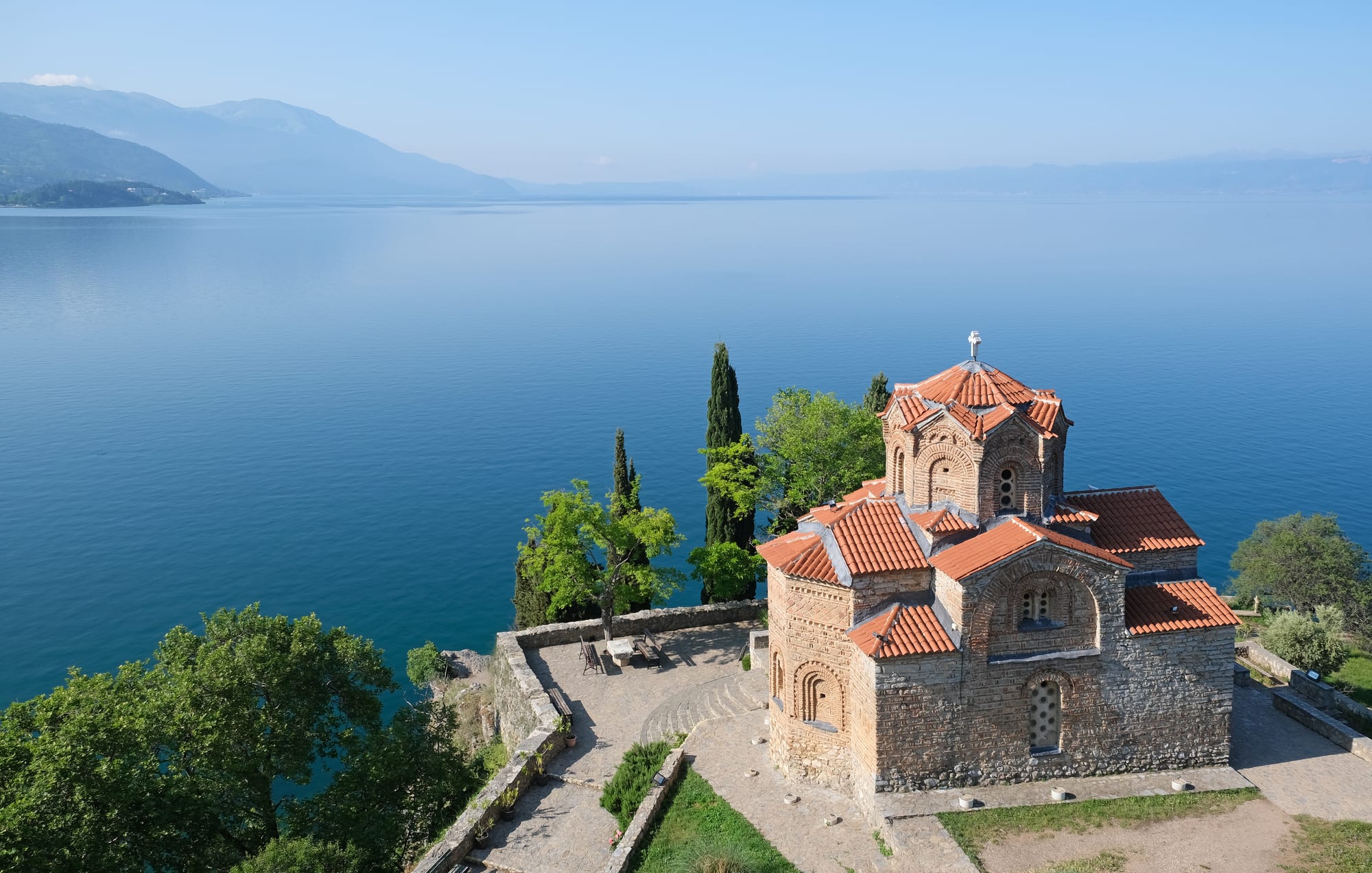
A small country at the crossroads of the Balkans
North Macedonia, landlocked in the centre of the Balkan Peninsula, has about 1.8 million people, a mixed Macedonian and Albanian population, and a name it only settled in 2019 after decades of dispute with Greece. It holds one of Europe's oldest and deepest lakes, a capital that has controversially rebuilt itself around thousands of new statues and monuments, and mountain and canyon country that remains little known outside the region.
The six below run from Lake Ohrid in the southwest to the capital and its surrounding countryside. Late spring through early autumn is best for the lake and outdoor sights; the mountains hold a modest ski season in winter.
1. Lake Ohrid
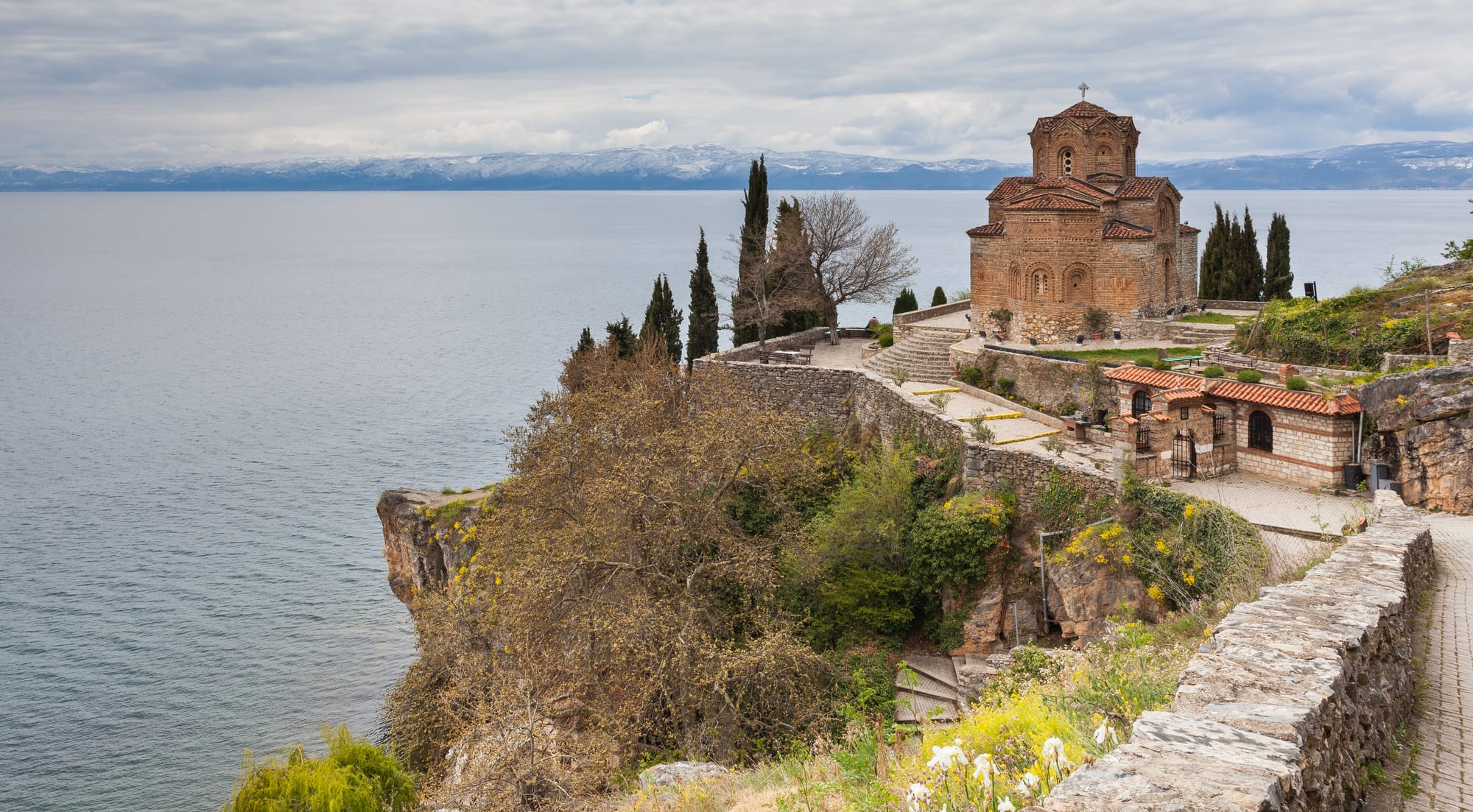
Lake Ohrid, shared with Albania, is one of Europe's oldest lakes — over a million years old and home to species found nowhere else, including its own endemic trout. The town of Ohrid on its shore, with its steep cobbled lanes, a hilltop fortress, and dozens of medieval churches (once said to number 365, one for each day of the year), forms a combined natural and cultural UNESCO World Heritage Site. The small Church of St John at Kaneo, probably 13th-century, on a cliff above the water, is the most photographed of them.
Boat trips and lakeside swimming make Ohrid a popular summer base.
2. Skopje's Stone Bridge and Old Bazaar
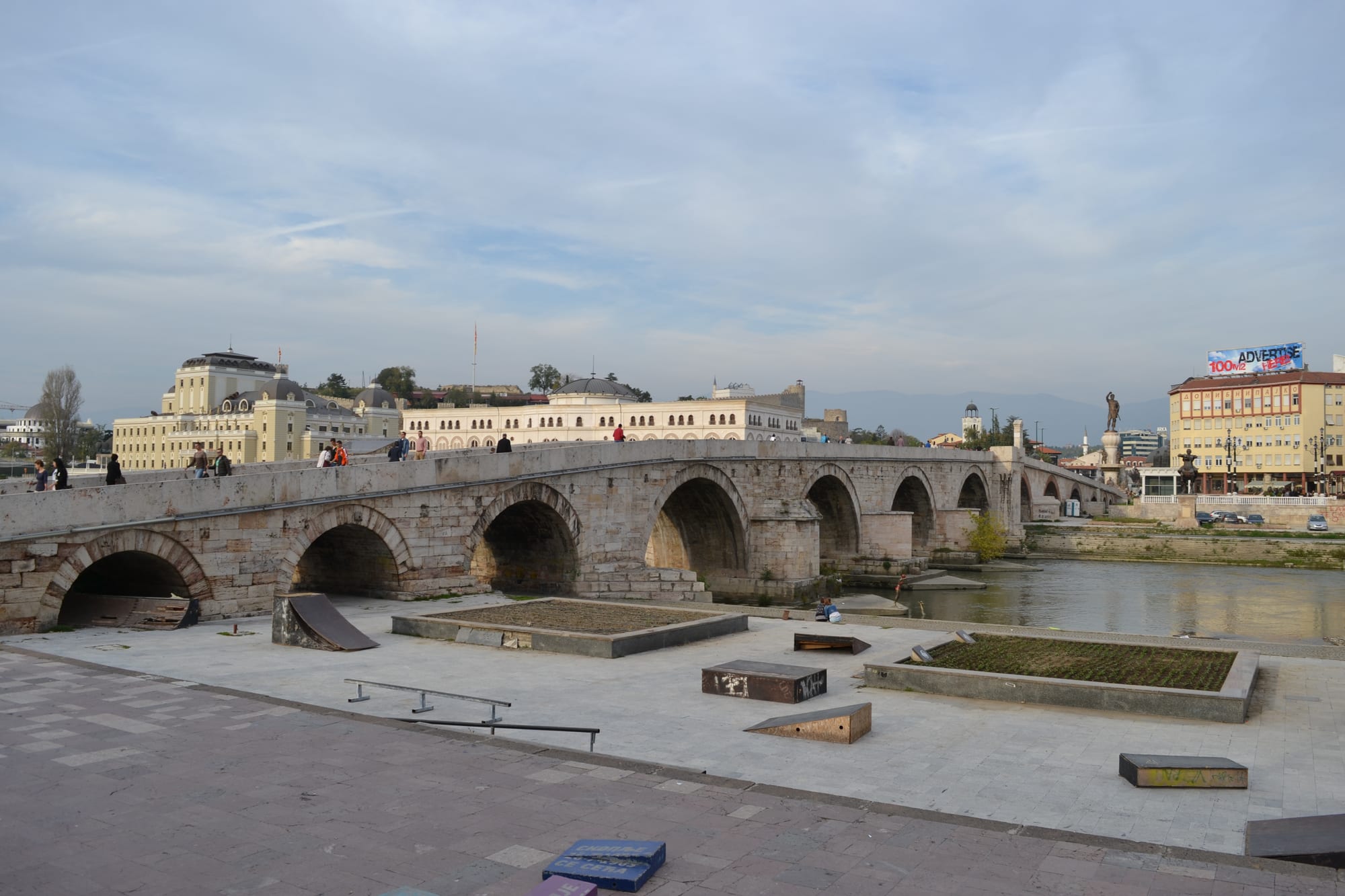
The Stone Bridge, an Ottoman-era span across the Vardar river, has linked Skopje's old Ottoman bazaar (Čaršija) — mosques, hammams, and craft workshops — to the newer city centre since it was built under Sultan Mehmed II in the 15th century. It remains the symbolic heart of the capital and the main element of the city's coat of arms.
The bazaar quarter is the best place to see Skopje's older architectural layers.
3. Skopje's monuments
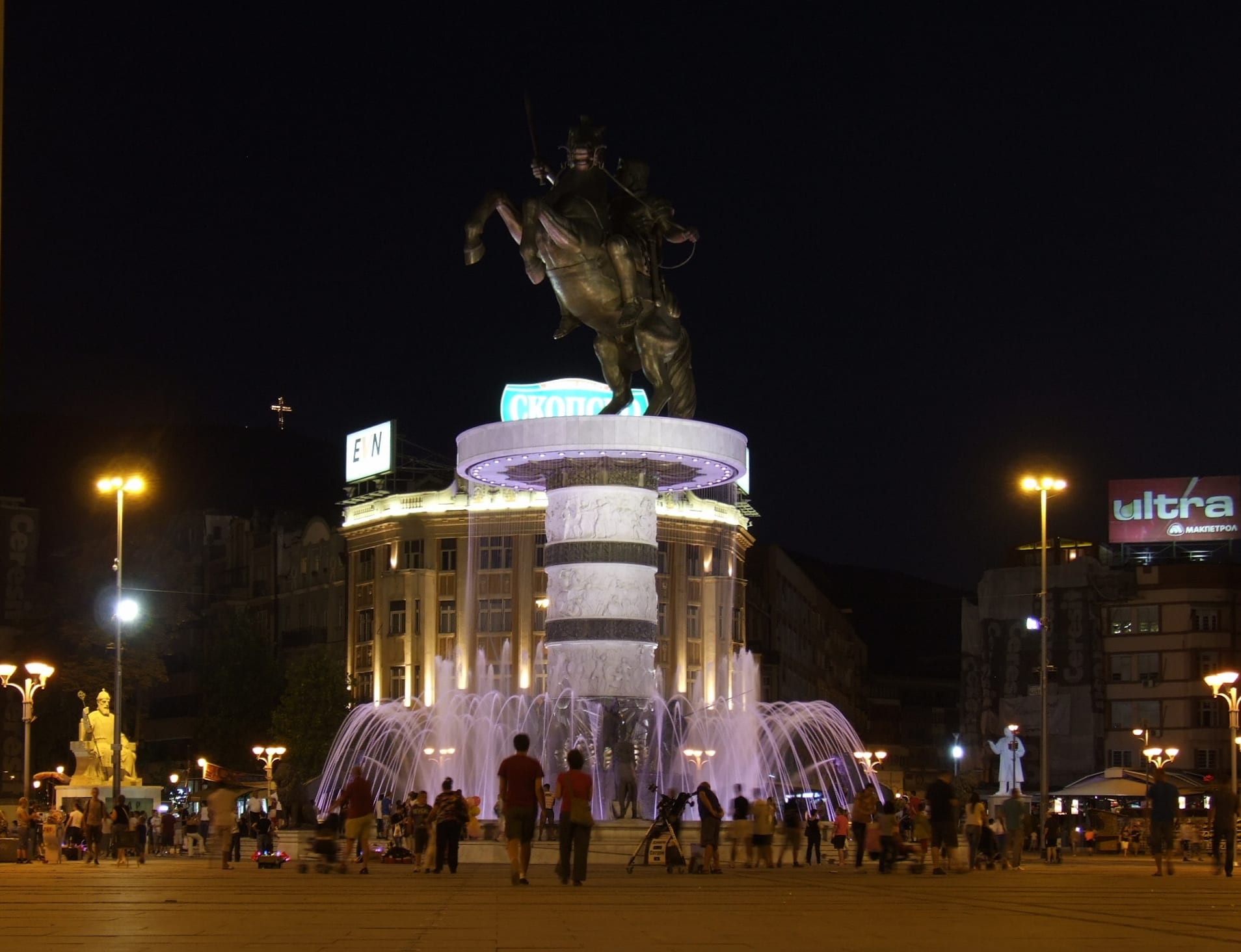
Under the "Skopje 2014" project, the capital was reshaped with dozens of new statues, museums, and grand neoclassical facades, most strikingly a towering equestrian statue in the main square popularly known as Alexander the Great (officially named simply "Warrior on a Horse", given the historical dispute with Greece over Alexander's legacy). The project remains controversial and expensive, but has undeniably given Skopje's centre a bold, unusual visual identity.
It is best seen on an evening walk, when the monuments and fountains are lit.
4. Matka Canyon
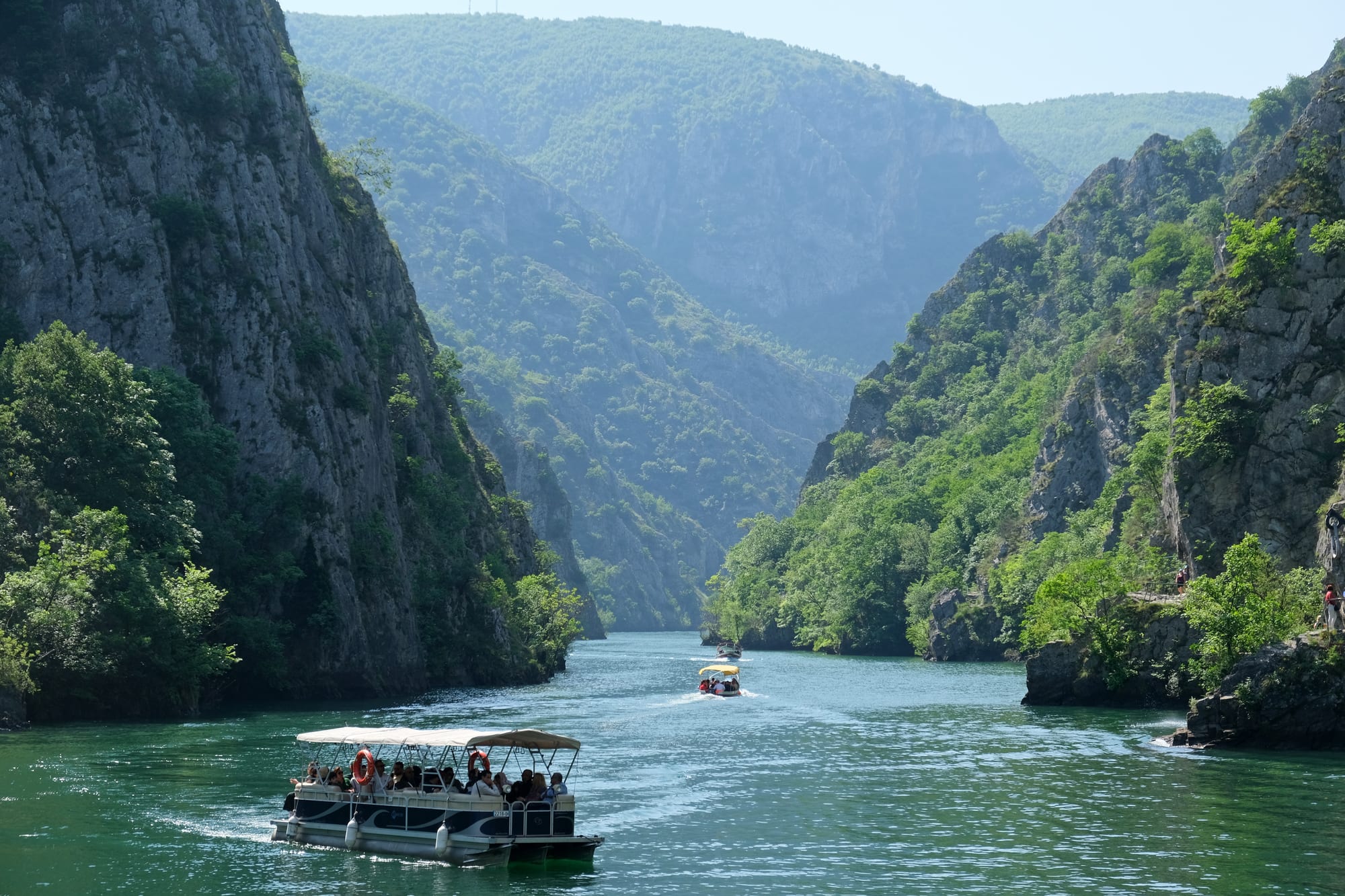
Matka Canyon, just west of Skopje, is one of the most popular outdoor destinations in the country — a dammed gorge on the Treska river popular for kayaking, with ten caves, among them Vrelo Cave, whose flooded depths are believed to be among the deepest in Europe, and several medieval monasteries and churches. Rock climbing and hiking trails line the canyon walls.
It is an easy half-day trip and a good contrast to the capital's monuments.
5. The Painted Mosque, Tetovo
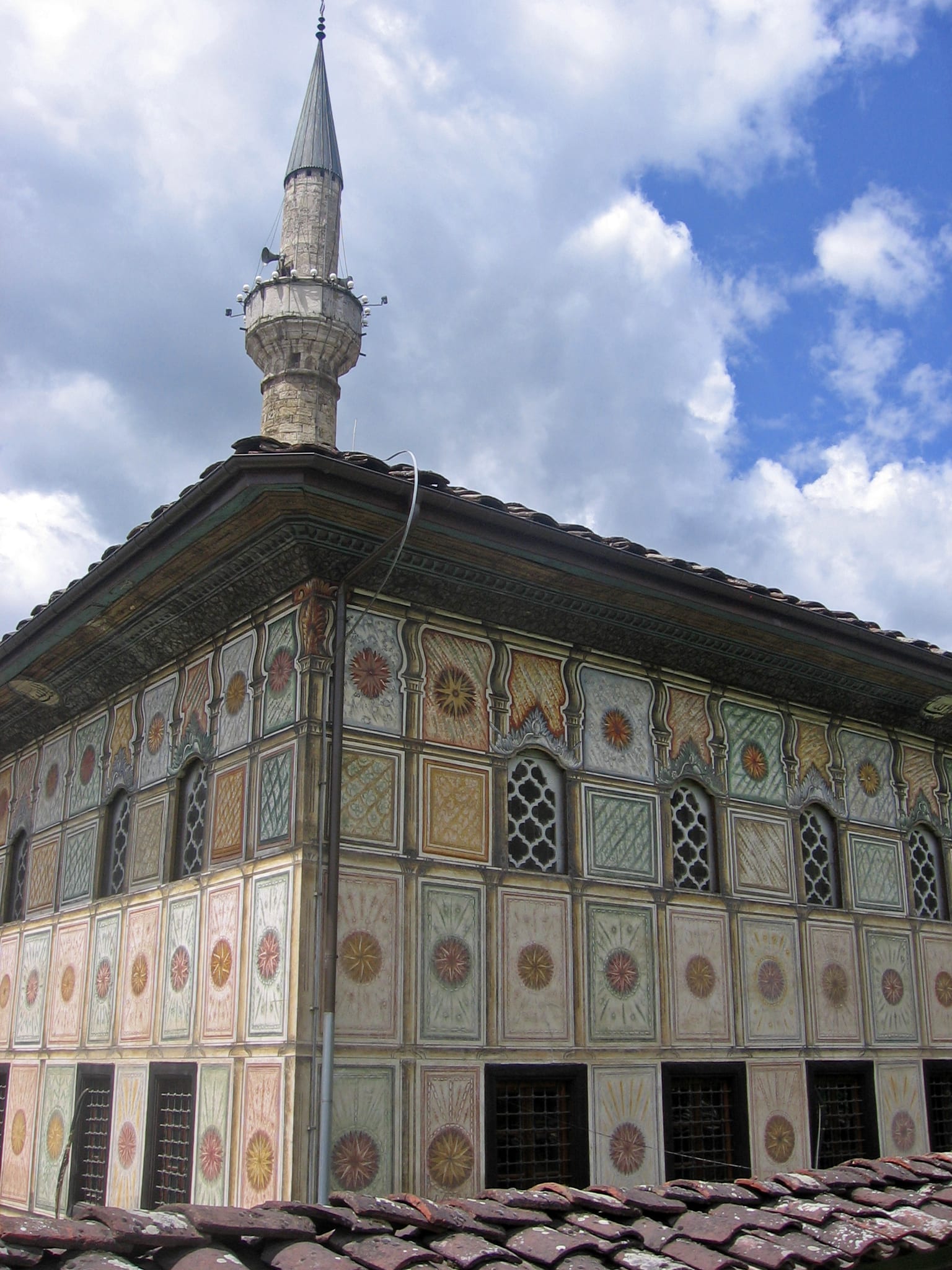
Tetovo's Painted Mosque, built in 1438 and rebuilt in its current form by Abdurrahman Pasha in 1833, is covered inside and out with elaborate floral and geometric frescoes — a style of decoration once far more common across the region but now rare. More than 30,000 eggs are said to have gone into preparing its paint and glaze. Tetovo itself, below the Šar Mountains, has a strong Albanian cultural identity and a lively student population.
It lies west of Skopje, easily combined with a mountain excursion.
6. Lake Mavrovo
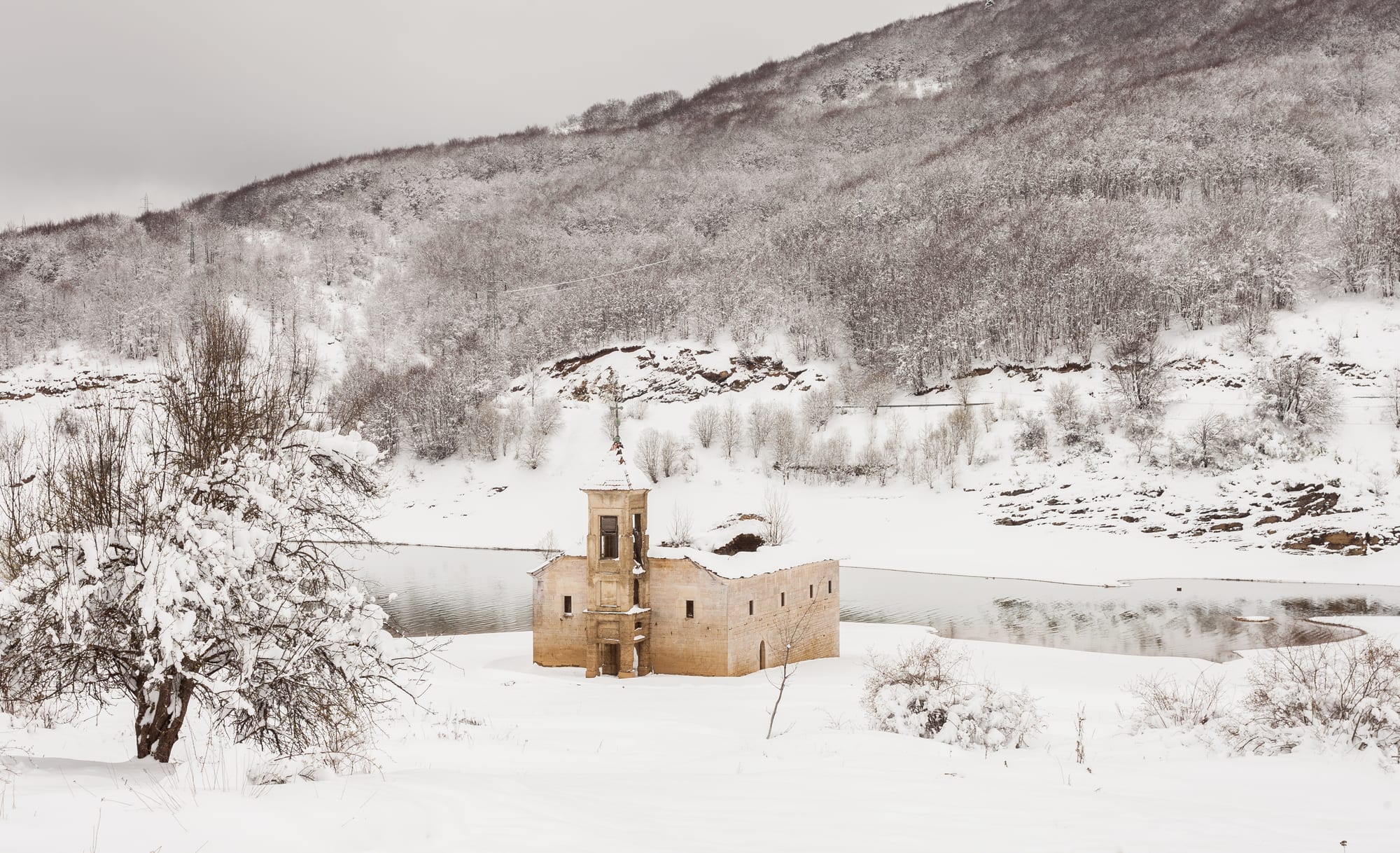
Lake Mavrovo, an artificial reservoir created for a hydroelectric scheme, submerged part of the village of Mavrovo along with its 1850 church of St Nicholas, whose tower and roof still re-emerge from the water when levels drop low enough — an eerie, striking sight. The lake sits within Mavrovo National Park, the country's largest, which takes in the Šar, Korab and Bistra mountains, traditional villages, and a ski resort.
It combines hiking, skiing (in season), and lake scenery within a couple of hours of Skopje.
North Macedonia is compact enough for a short trip: a few days around Ohrid, combined with two or three in and around Skopje (including Matka Canyon and Tetovo), covers the country's highlights comfortably within a week.