Food · Northern Mariana Islands
Northern Mariana Islands: Food and the National Dish
A Chamorro food tradition shared closely with Guam, and a Carolinian community that brought its own distinct island cooking to Saipan
By Globeway Editorial · 30 September 2026
A Chamorro tradition shared with Guam, and a Carolinian layer besides
The Northern Mariana Islands share the same Chamorro food tradition found in nearby Guam, kelaguen, red rice and fiesta culture among them, reflecting a common Indigenous heritage across the wider Mariana archipelago. Saipan and the other islands also carry a genuine Carolinian layer, brought by settlers who sailed from the typhoon-hit Caroline Islands from the early 19th century and maintained their own distinct food traditions alongside Chamorro cooking.
Kelaguen, red rice and shared Chamorro staples
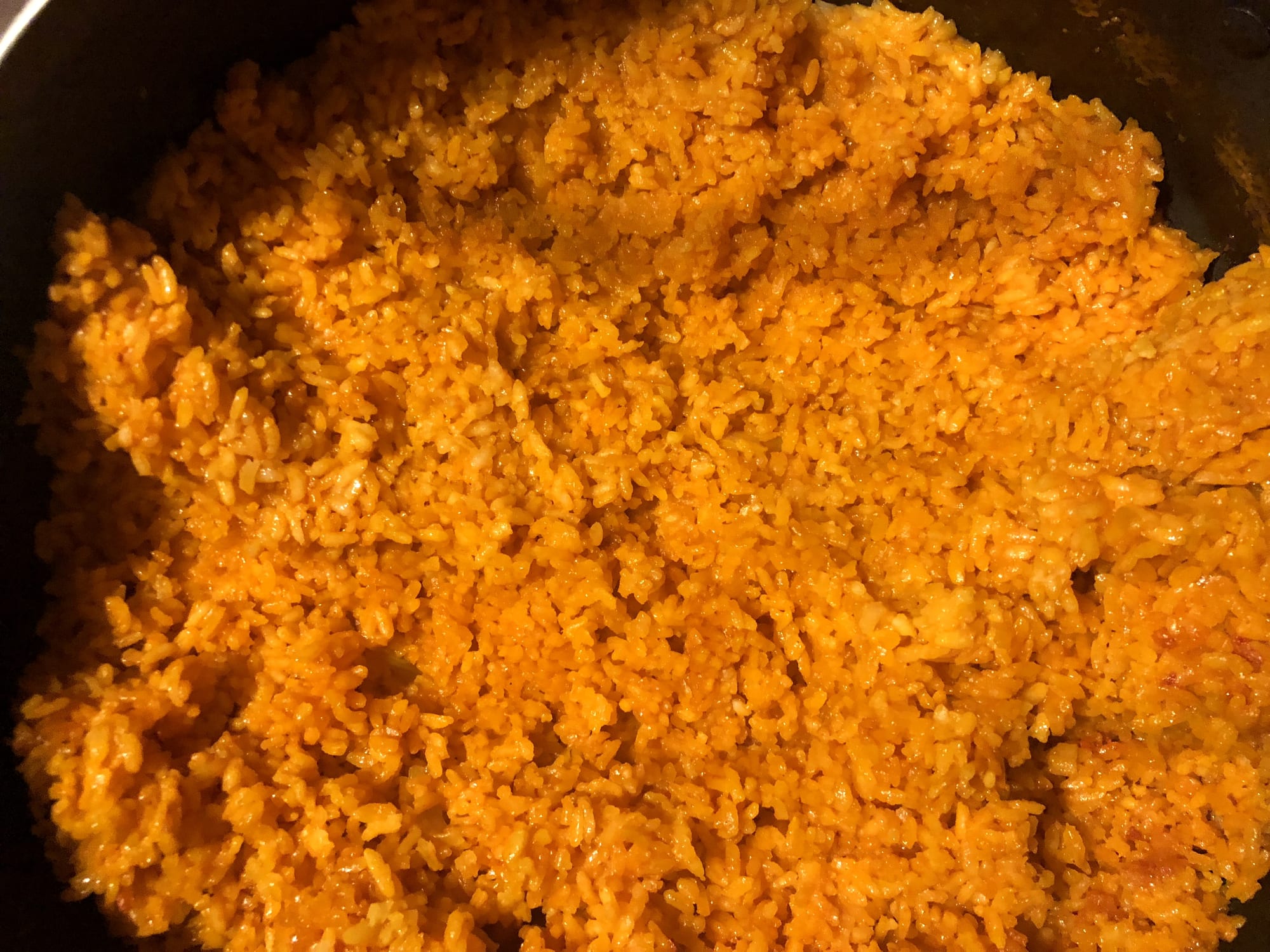
Kelaguen, chopped chicken, shrimp, fish or beef marinated in lemon juice with fresh coconut, green onion and hot pepper, so that the acid rather than heat "cooks" any raw meat or seafood, and red rice, coloured with achote seed, are eaten across the Northern Mariana Islands much as they are in Guam, reflecting the same underlying Chamorro culinary identity, which also absorbed Spanish and Filipino influences over centuries of shared colonial rule. Fiesta culture, communal gatherings built around large shared meals to mark saints' days and celebrations, remains just as central here as on Guam.
A distinct Carolinian layer
Carolinian communities, descended from settlers who migrated from the Caroline Islands to the Northern Marianas from the early 19th century, maintain their own food traditions alongside Chamorro cooking. Seafood makes up much of their meat dishes, taro and yam have long been staples, and fishing trips supply the food for village parties, baptisms, weddings and other celebrations. That layered Indigenous history, two related but genuinely separate Pacific food traditions on the same small set of islands, is part of what makes the Northern Marianas distinct from Guam despite the shared Chamorro base.
Dishes to know
Five more to recognise across the Northern Mariana Islands:
- Red rice — rice coloured and flavoured with achote seed, a standard
Chamorro side dish.
- Titiyas — a Chamorro flatbread, similar to a tortilla, often used to
wrap kelaguen.
- Tinaktak — finely chopped meat cooked in coconut milk with
vegetables such as tomatoes and green beans, served with rice.
- Fina'denne' — a spicy, all-purpose chilli condiment drizzled over
meat and rice.
- Apigigi' — a sweet of grated cassava and coconut baked in a leaf.
Eating as a traveller
Vegetarians will find rice and vegetable side dishes available, though traditional Chamorro and Carolinian cooking leans heavily on grilled meat and fish. Tap water quality varies, and many people drink bottled or filtered water. Being invited to a village or family fiesta, if the opportunity arises, remains one of the most genuine ways to experience both Chamorro and Carolinian food traditions on the islands.
What to take from the table
Kelaguen and red rice tie the Northern Mariana Islands directly to Guam's Chamorro food identity, while the islands' Carolinian community adds a genuinely separate Pacific food tradition, a combination unlike that of any neighbour.