History · Pakistan
Pakistan: The Land of the Indus
One of the world's oldest urban civilisations and one of its youngest large states — a country carved from British India in 1947 as a homeland for Muslims, split in two by the loss of Bangladesh, and shaped ever since by the contest between elected governments and the army
By Globeway Editorial · 30 September 2026
A new state on an old land
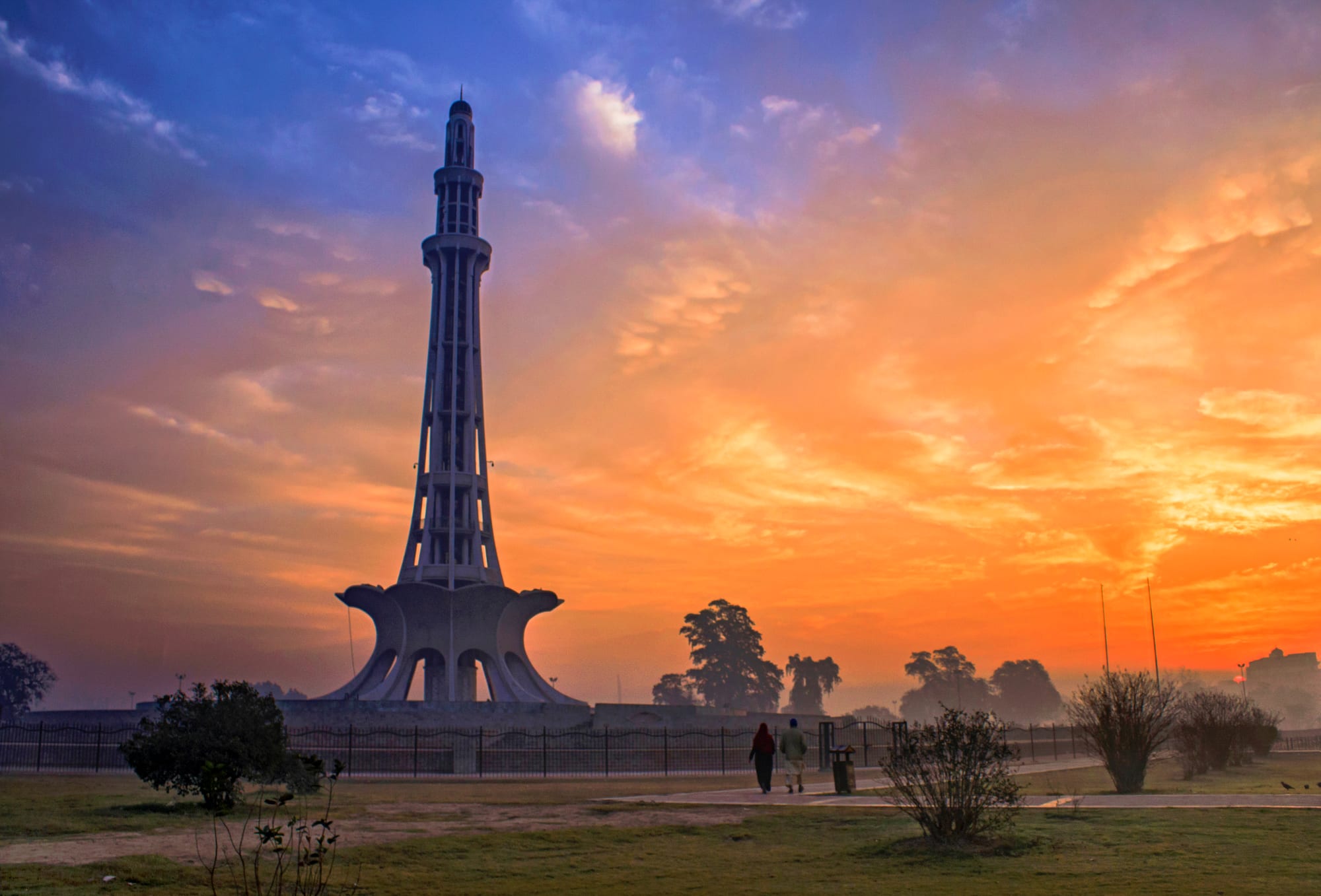
Pakistan is the world's fifth most populous country, with about 240 million people along and around the Indus River, which has watered cities in this valley for five thousand years. The state itself is young: it was created in August 1947 out of the Muslim-majority regions of British India, as two wings separated by the breadth of India. The eastern wing left in 1971 to become Bangladesh. What remained is a country still arguing over the questions of its founding — what role Islam should play, and who should hold power.
A short history
- c. 2600–1900 BCE
The Indus Valley Civilisation
Cities at Mohenjo-daro and Harappa.
- 711 CE
Arab conquest of Sindh
Islam reaches the lower Indus.
- 1206–1526
The Delhi sultanates
Muslim dynasties rule much of the subcontinent.
- 1526–1707
The Mughals
Lahore and the north-west are core provinces.
- 1843–1849
British annexation
Sindh (1843) and the Punjab (1849) fall to the East India Company.
- 1940
The Lahore Resolution
The Muslim League calls for separate Muslim states.
- 1947
Partition
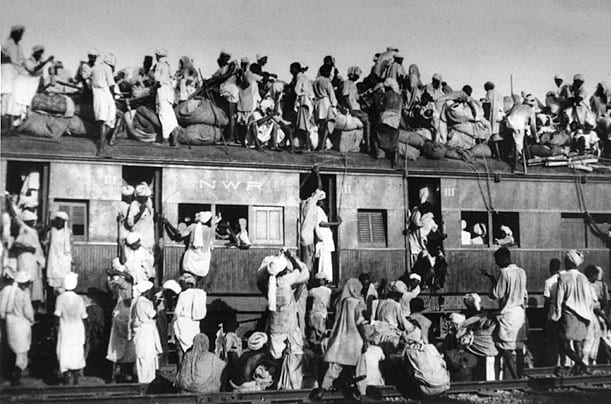
Pakistan is created; estimates of the dead range from 200,000 to two million.
- 1971
Bangladesh
The eastern wing secedes after a war and Indian intervention.
- 1998
Nuclear tests
Pakistan tests weapons weeks after India.
- 1958, 1977, 1999
Military coups
The army rules for more than three decades in all.
The deep past
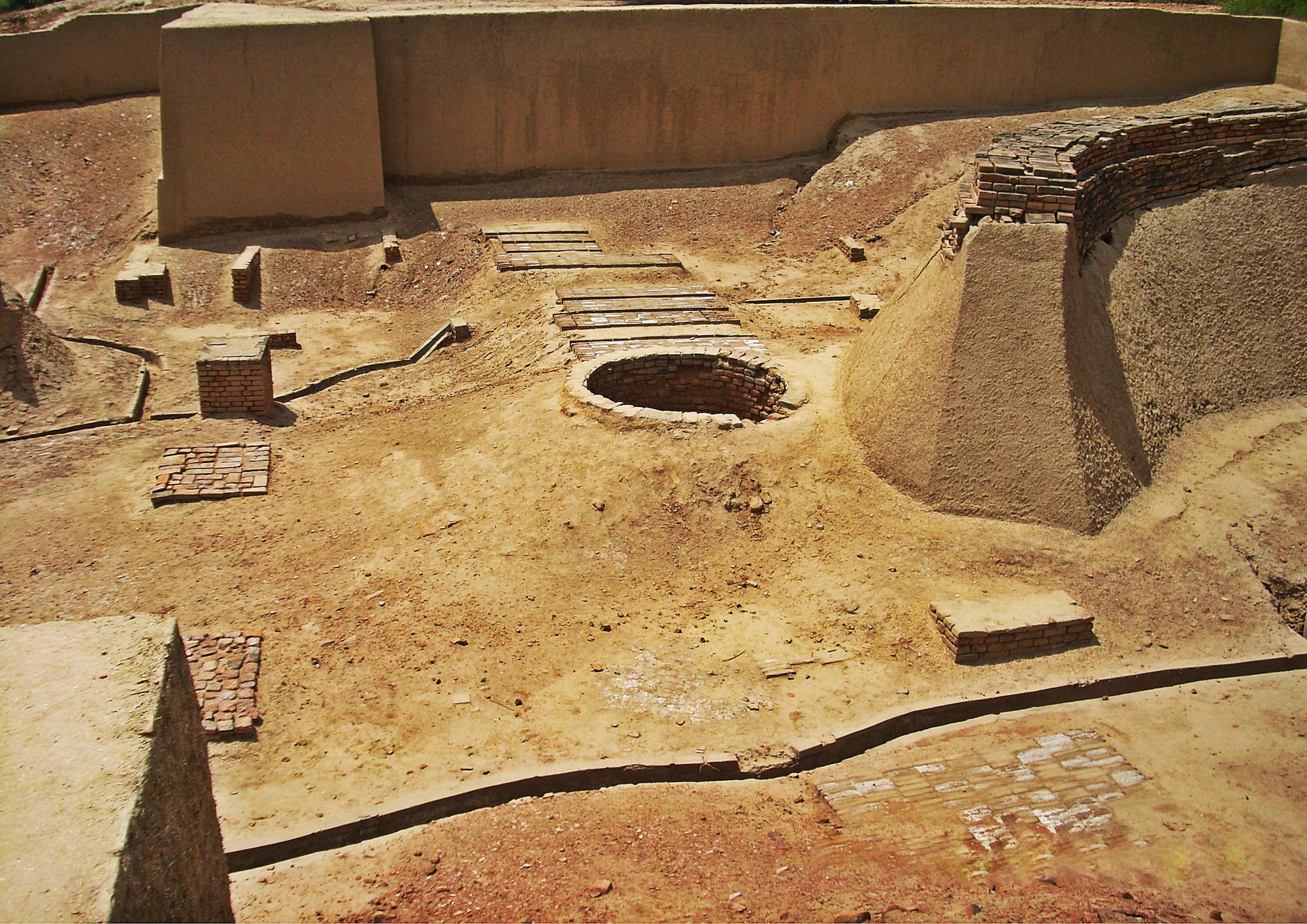
The Indus Valley Civilisation, contemporary with ancient Egypt and Sumer, built carefully planned brick cities with drainage and standardised weights across a huge area of what is now Pakistan and north-west India, then declined around 1900 BCE for reasons still debated. The region was later a corridor for Persians, Greeks under Alexander, Mauryas, Kushans and others, and a major centre of Buddhism at Taxila and in Gandhara. Islam arrived early in Sindh, in 711, and from the 11th century Turkic and later Afghan dynasties ruled the region, from 1206 mostly from Delhi, followed by the Mughals, under whom Lahore was one of the empire's great cities.
The demand for Pakistan
British power reached the north-west by the mid-19th century. As Indian nationalism grew, the All-India Muslim League, formed in 1906, came to argue that Muslims were a distinct nation who would be a permanent minority in a Hindu-majority India. In 1940 the League's Lahore Resolution demanded separate states in the Muslim-majority areas, and under Muhammad Ali Jinnah the demand hardened into one for a single country, Pakistan. Britain and the Congress accepted partition in 1947.
Two wings, then one
Pakistan began with its capital at Karachi, a refugee crisis, a war with India over Kashmir, and Jinnah's death barely a year in. The two wings were held together mainly by religion: the east (Bengali-speaking, and the demographic majority) increasingly resented political and economic domination by the west. When the Bengali Awami League won a national majority in the 1970 election and was denied power, the army launched a crackdown; a nine-month war, mass atrocities, ten million refugees into India, and finally Indian military intervention ended in December 1971 with the surrender of Pakistani forces and the birth of Bangladesh.
The army and the bomb
Civilian and military rule have alternated ever since. General Ayub Khan (1958–69), General Zia-ul-Haq (1977–88, who hanged the elected prime minister Zulfikar Ali Bhutto and pushed state Islamisation), and General Pervez Musharraf (1999–2008) each took power by coup. Even under civilian governments the military has retained control of security and foreign policy. Pakistan built nuclear weapons in secret, testing them in 1998 in response to India. Zia's government was the conduit for US and Saudi arms to the Afghan mujahideen in the 1980s; after 2001 Pakistan was a frontline and ambivalent partner in the US "war on terror", suffering tens of thousands of casualties in its own insurgency by the Pakistani Taliban.
Pakistan now
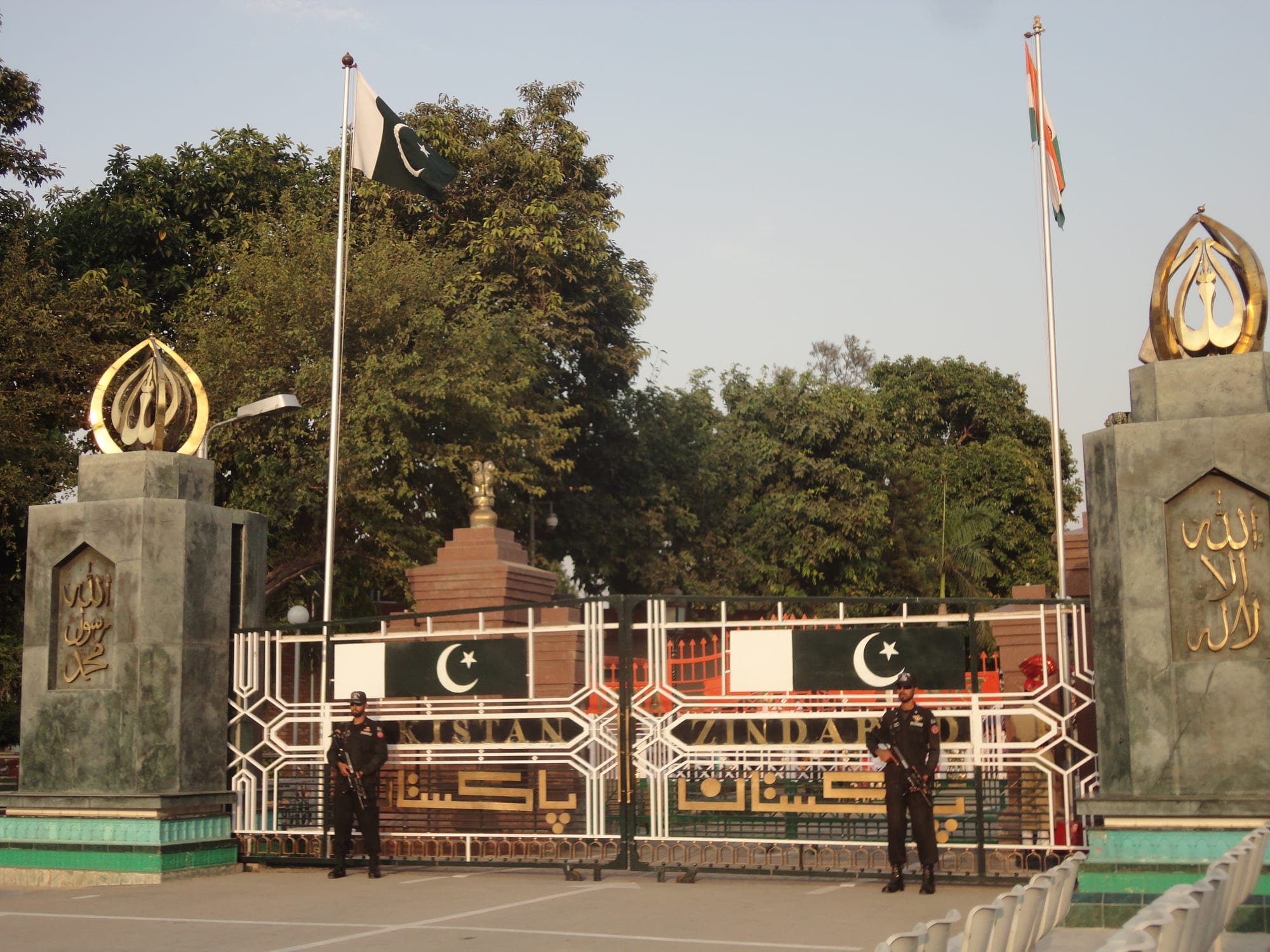
Since 2008 elections have been held regularly and power has passed between civilian governments, but no prime minister has yet completed a full five-year term. Imran Khan was removed by a no-confidence vote in 2022 and later imprisoned, which he calls politically motivated; in the February 2024 election, delayed from 2023, independents backed by his party won the most seats amid widespread rigging allegations against the military establishment, and a coalition under Shehbaz Sharif took office. Critics see all of this as evidence of the army's continuing sway. The country faces chronic fiscal crises and repeated IMF bailouts, an energy shortfall, the effects of climate change — the 2022 floods put a third of the country under water, by the government's estimate — and a resurgent militancy along the Afghan border, where fighting with Taliban forces escalated in 2026. In May 2025, after a militant attack in Indian-administered Kashmir, India and Pakistan fought a brief four-day conflict that ended in a ceasefire; relations remain frozen over Kashmir, with both sides nuclear-armed. In 2026 Pakistan acted as a mediator in the Iran war, hosting US–Iran talks in Islamabad.
What Pakistan carries
Pakistan was founded on an idea — a separate homeland for the subcontinent's Muslims — that its history has kept testing: the loss of the Bengali majority in 1971, the recurring argument over how Islamic the state should be, and the provinces' complaints of domination by Punjab. Running underneath all of it is the unresolved balance between the ballot box and the barracks, which every one of the country's political crises has ultimately turned on.