Attractions & Natural Wonders · Palau
Palau: Six Attractions and Natural Wonders
Hundreds of mushroom-shaped limestone islets scattered across a turquoise lagoon, a lake where millions of near-stingless jellyfish drift with the sun, and a WWII battlefield left largely as it was found
By Worldlore Editorial · 30 September 2026
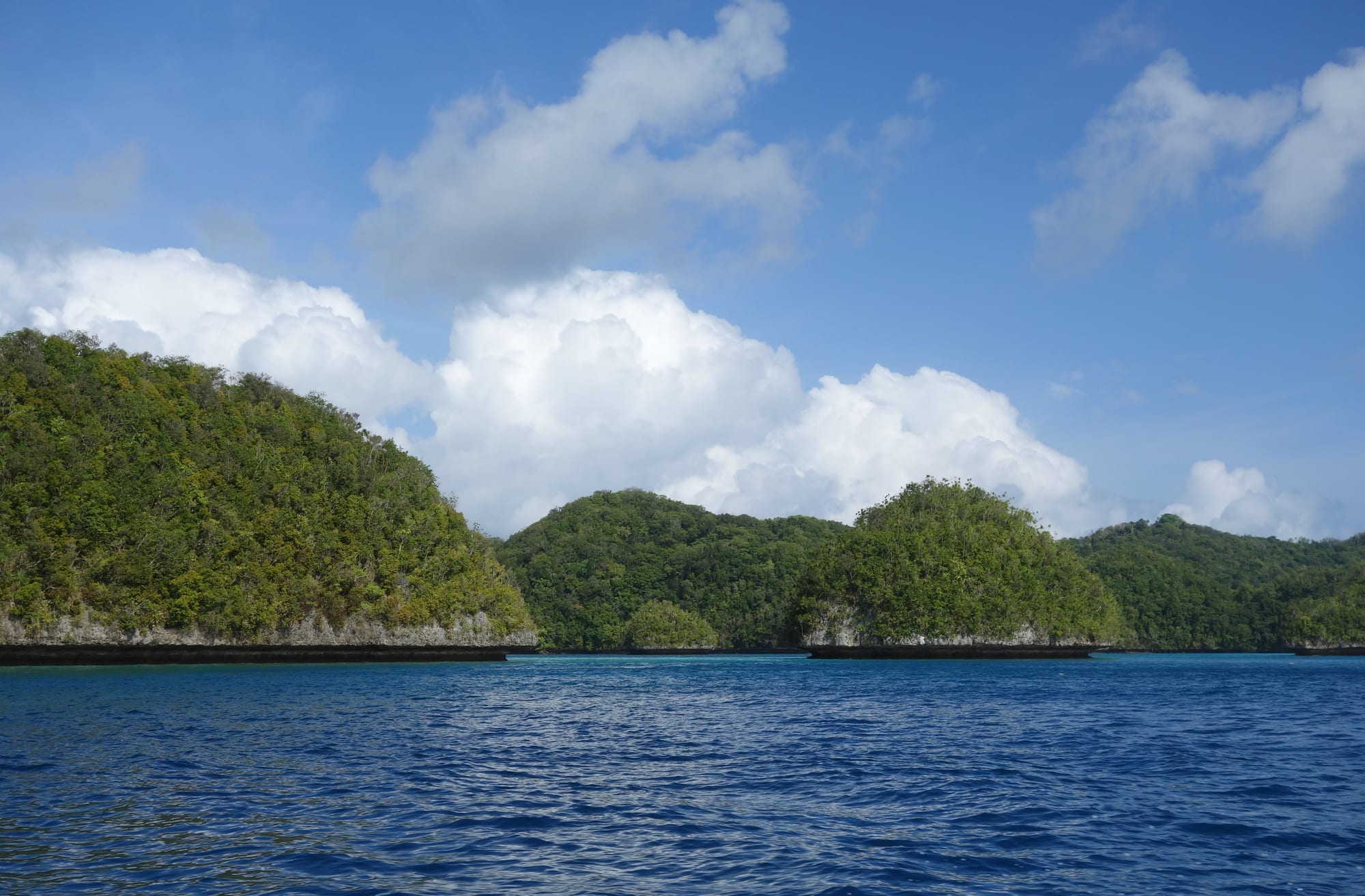
One of the Pacific's great diving destinations
Palau, a small archipelago nation in the western Pacific with only around 20,000 people, punches far above its size in natural spectacle — a lagoon scattered with hundreds of mushroom-shaped limestone islands, remarkably clear water, and reef walls with a worldwide reputation among divers. Palau has also built environmental protection into its national identity: it was the first country to require visitors to sign a "Palau Pledge," a passport stamp promising to act in an ecologically responsible way for the sake of the country's children.
The six below are spread across the Rock Islands lagoon and the main islands of Koror and Peleliu. The dry season (roughly November to April) offers the calmest seas and best diving visibility.
1. Koror
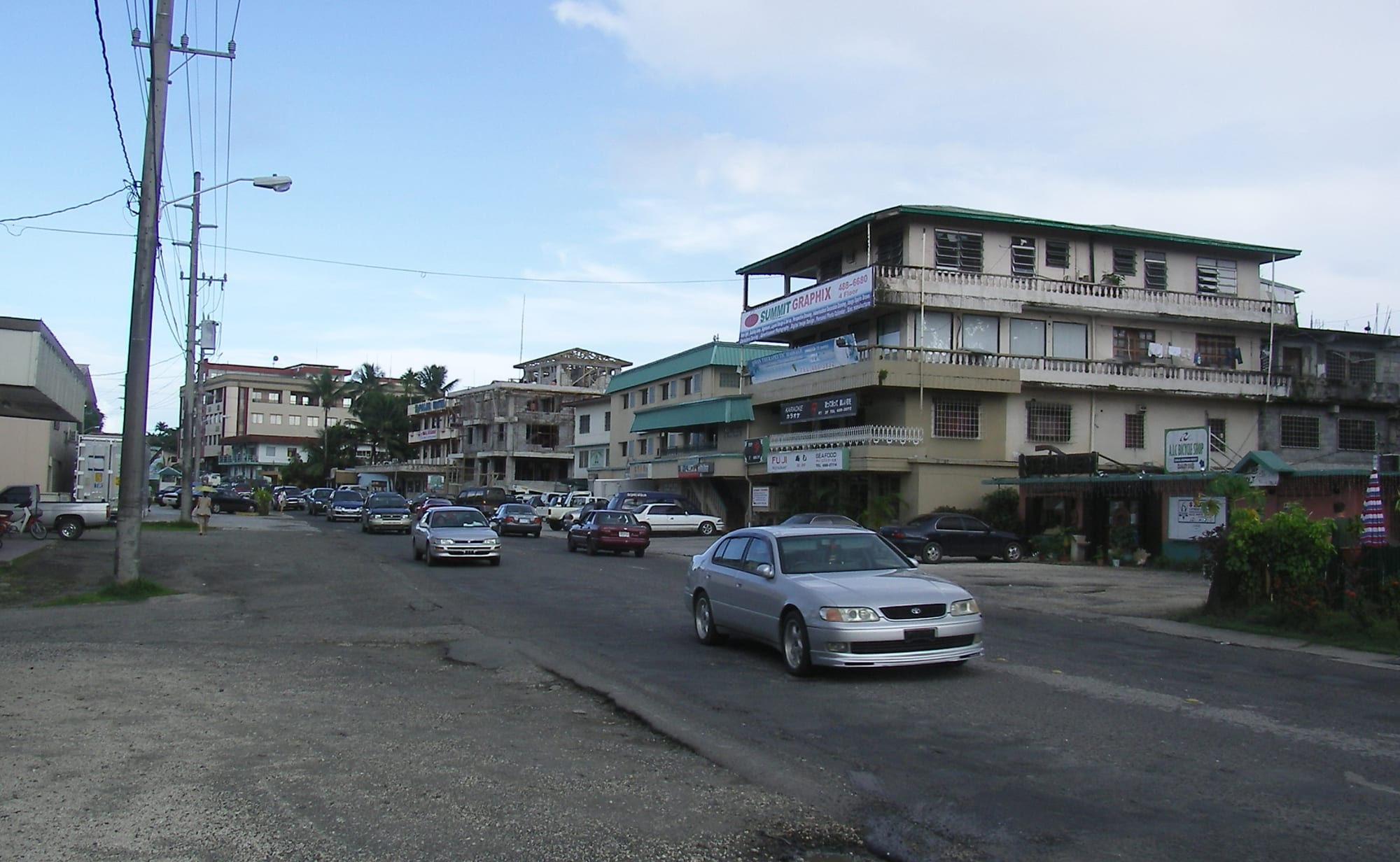
Koror, Palau's largest town and its de facto commercial hub (though Ngerulmud is the official capital), is where nearly all visitors base themselves — dive shops, the Belau National Museum, and traditional Palauan bai meeting houses with their painted storyboard gables. It is also the departure point for nearly every boat trip into the Rock Islands lagoon.
2. Jellyfish Lake
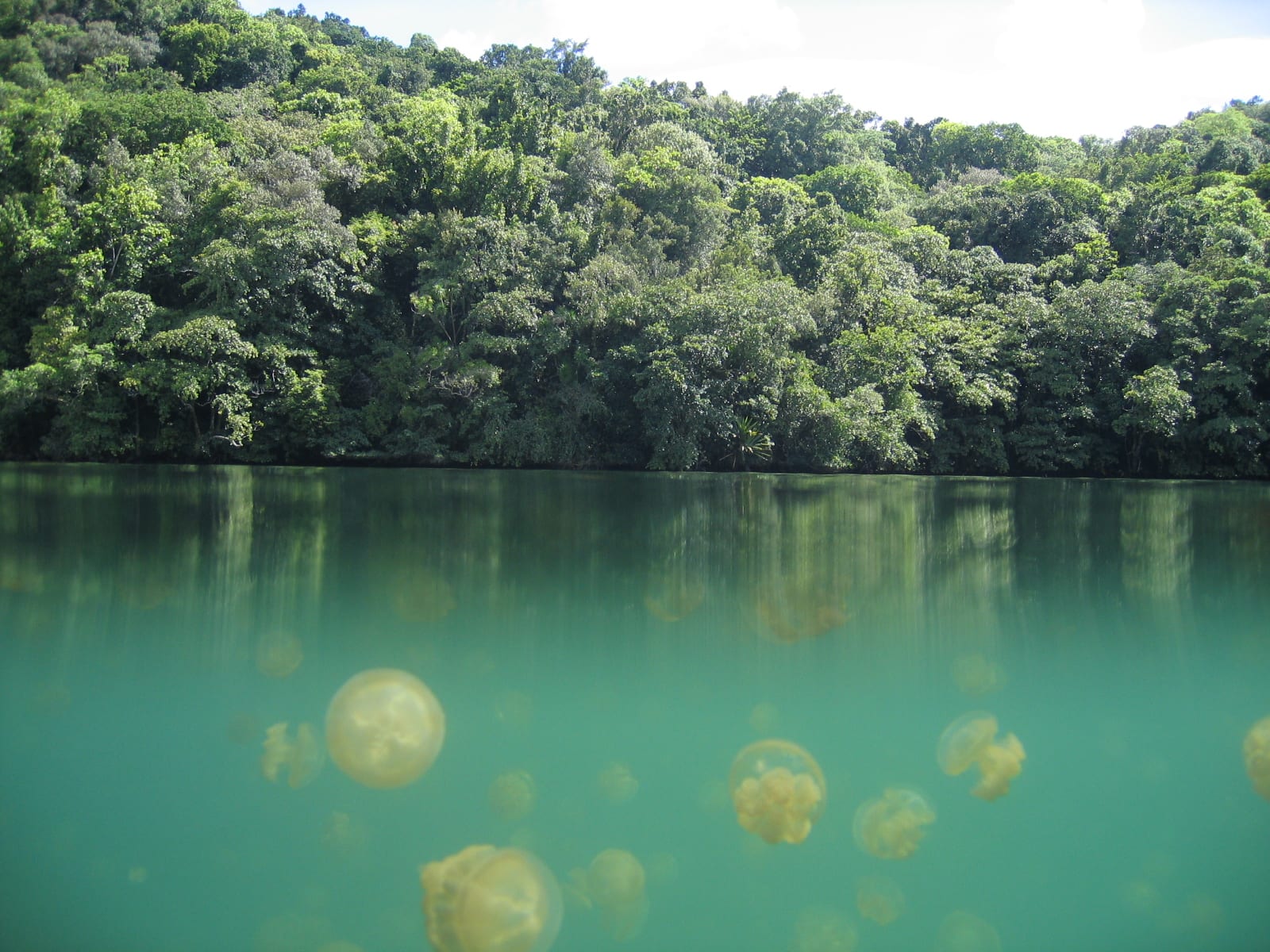
Jellyfish Lake, a marine lake on Eil Malk island linked to the sea only through tunnels in the rock, holds millions of golden jellyfish that migrate across the lake daily and have evolved to differ from their lagoon relatives, with stings in general too weak to harm people. Their numbers have crashed in El Niño years, when warmer water kills the algae they depend on. Snorkelling among them (scuba diving is not allowed) is one of Palau's signature experiences, within the Rock Islands Southern Lagoon World Heritage Site inscribed in 2012.
Access is limited by permit to help protect the fragile lake ecosystem.
3. Blue Corner
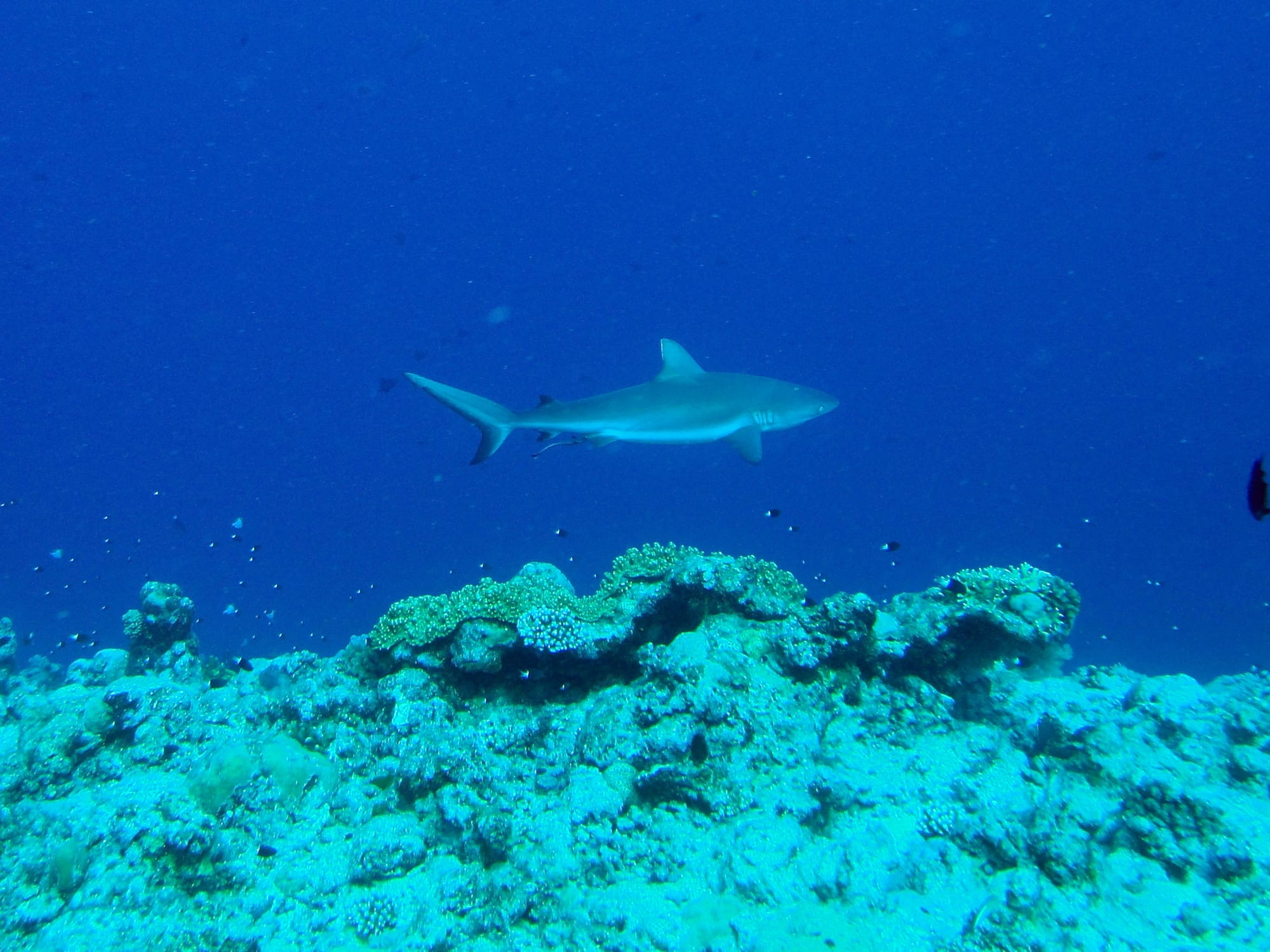
Blue Corner, one of Palau's major dive sites, is a coral wall where strong currents draw reef sharks, turtles and large schools of fish, and divers often hook onto the reef to hold position against the current and watch the show. Together with sites like German Channel, it anchors Palau's reputation as one of the Pacific's great diving destinations.
4. The Rock Islands and the Milky Way lagoon
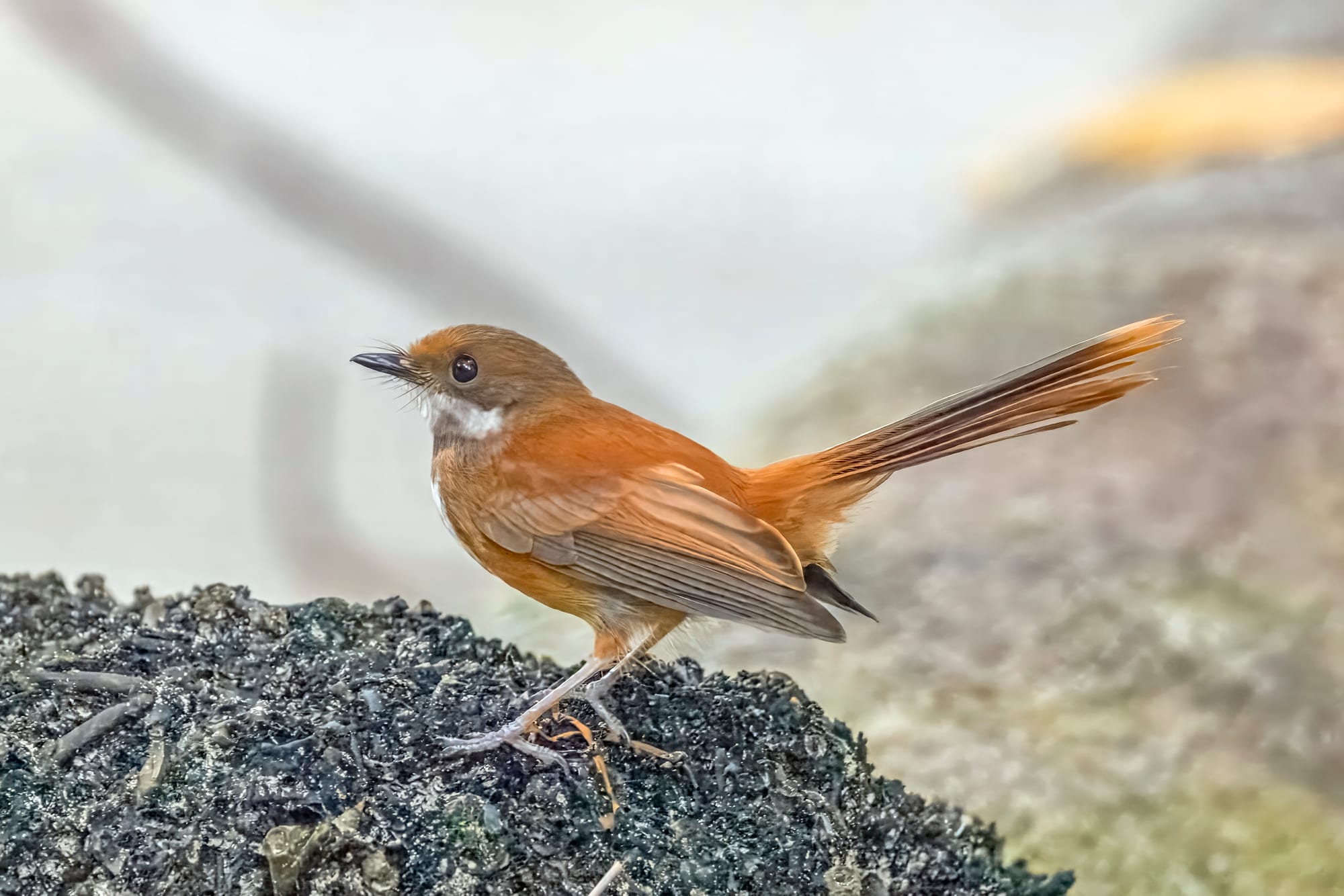
Beyond the famous dive sites, the Rock Islands themselves — some 250 to 300 forested limestone islets undercut by waves into distinctive mushroom shapes — are worth exploring by kayak or boat, including a milky-white cove nicknamed the "Milky Way," where visitors often stop to coat themselves in the fine white limestone mud before rinsing off in the lagoon.
5. Ngardmau Waterfall
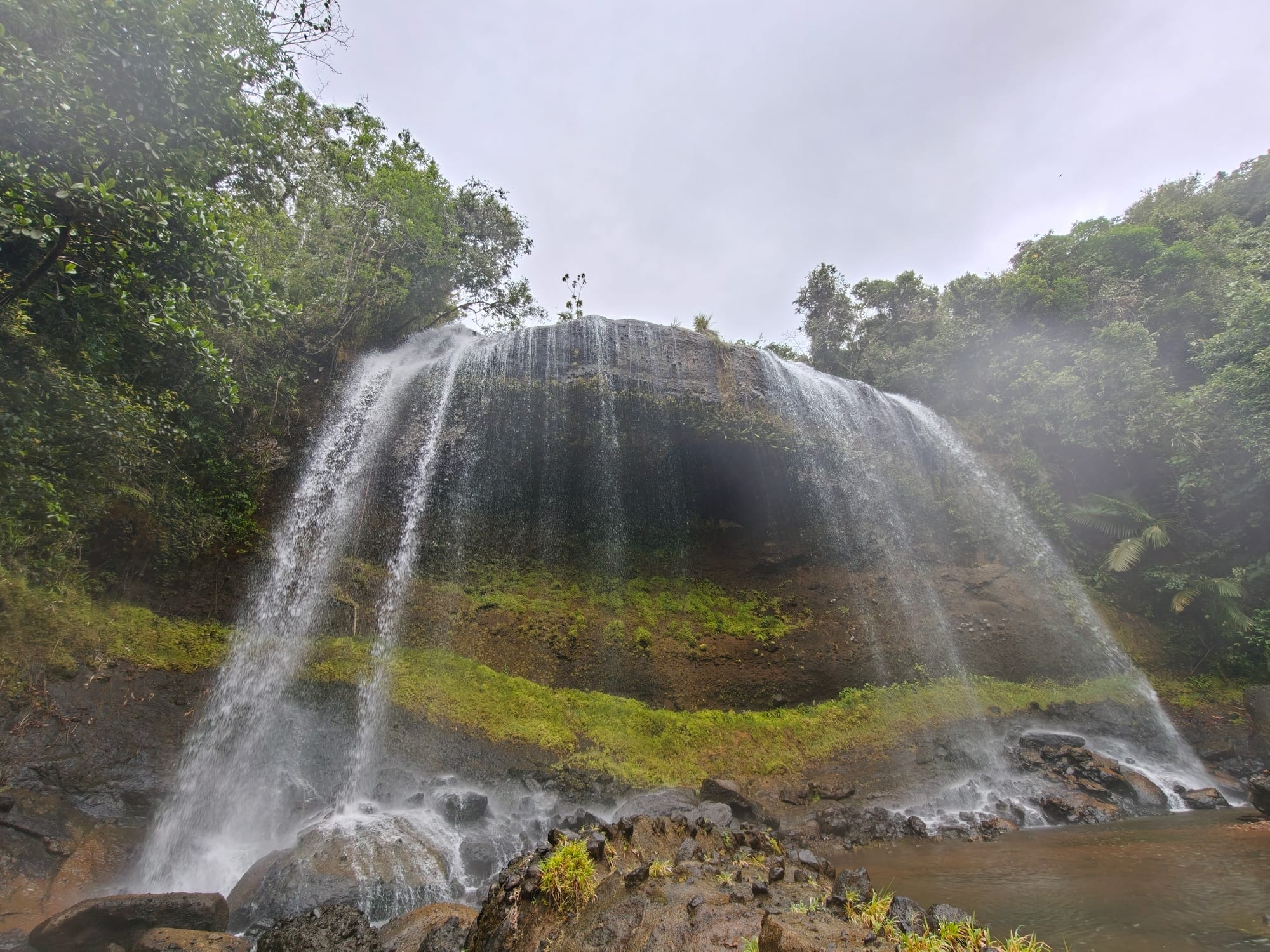
Ngardmau Waterfall, on Babeldaob, Palau's largest island, is reached by a rainforest trail in an area marked by relics of Japanese-era bauxite mining, and a monorail-style cart has at times offered a ride partway to the falls. Babeldaob itself, far less developed than Koror, holds ancient stone monoliths at Ngarchelong and the remains of old villages from Palau's past, seen by relatively few visitors compared with the Rock Islands.
6. Peleliu
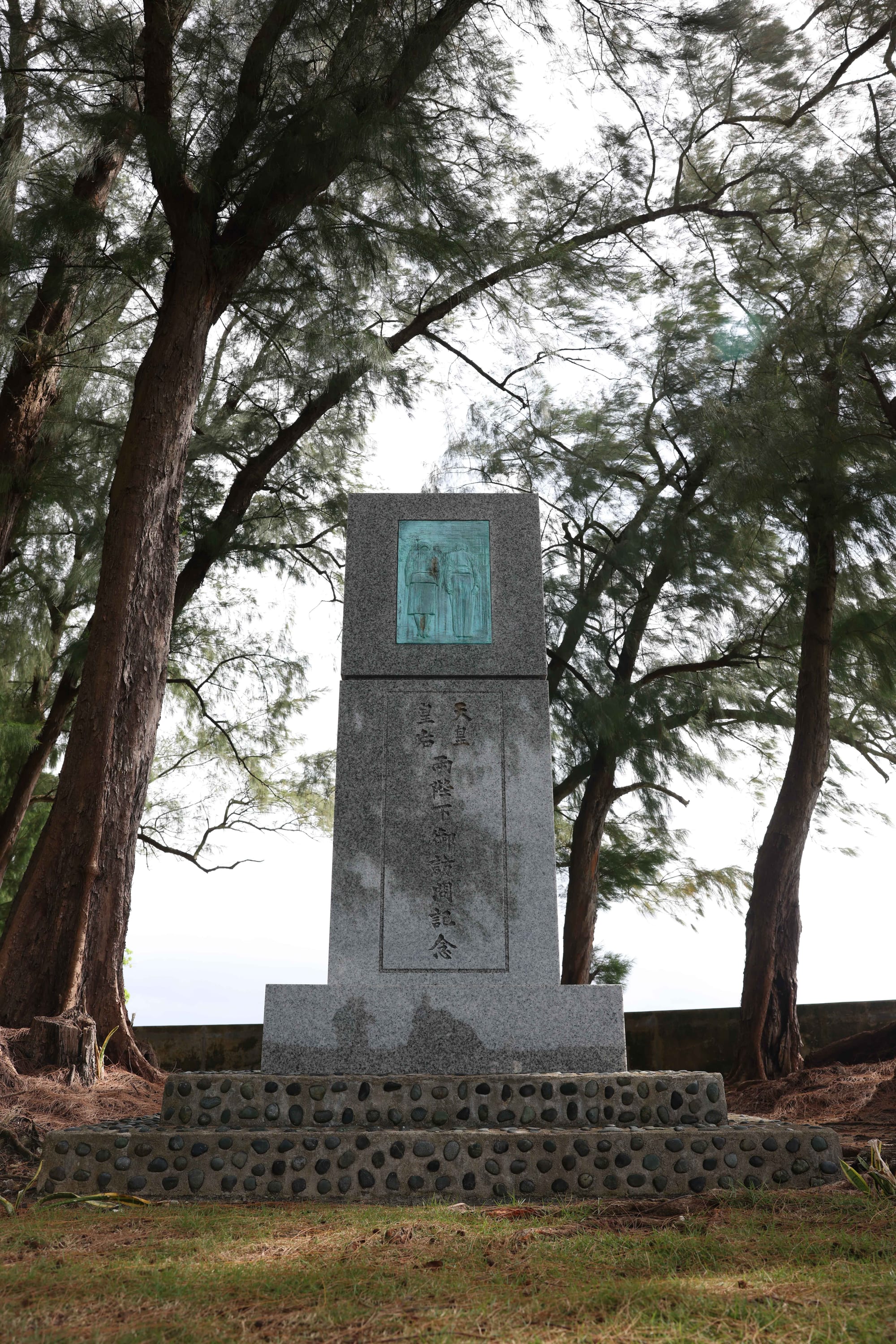
Peleliu, a small island south of Koror, was the site of a brutal 1944 battle between US and Japanese forces that produced one of the highest casualty rates of any amphibious assault in the Pacific War, and the island still holds the old airstrip, bunkers, caves and rusting wartime relics largely left where they fell, with shipwrecks visible just offshore. Tours of the island let visitors trace the battle's key sites, treated with the gravity the history deserves.
Palau suits a diving-focused trip of a week or more, based in Koror with day trips into the Rock Islands lagoon; the Rock Islands permit, with a separate permit for Jellyfish Lake, applies to most of the natural sites above.