Attractions & Natural Wonders · Philippines
Philippines: Ten Attractions and Natural Wonders
Over a thousand grass-covered hills that turn chocolate-brown in the dry season, limestone islands scattered across a turquoise bay, centuries-old rice terraces carved largely by hand, and a reef so pristine it can only be reached by liveaboard boat
By Globeway Editorial · 30 September 2026
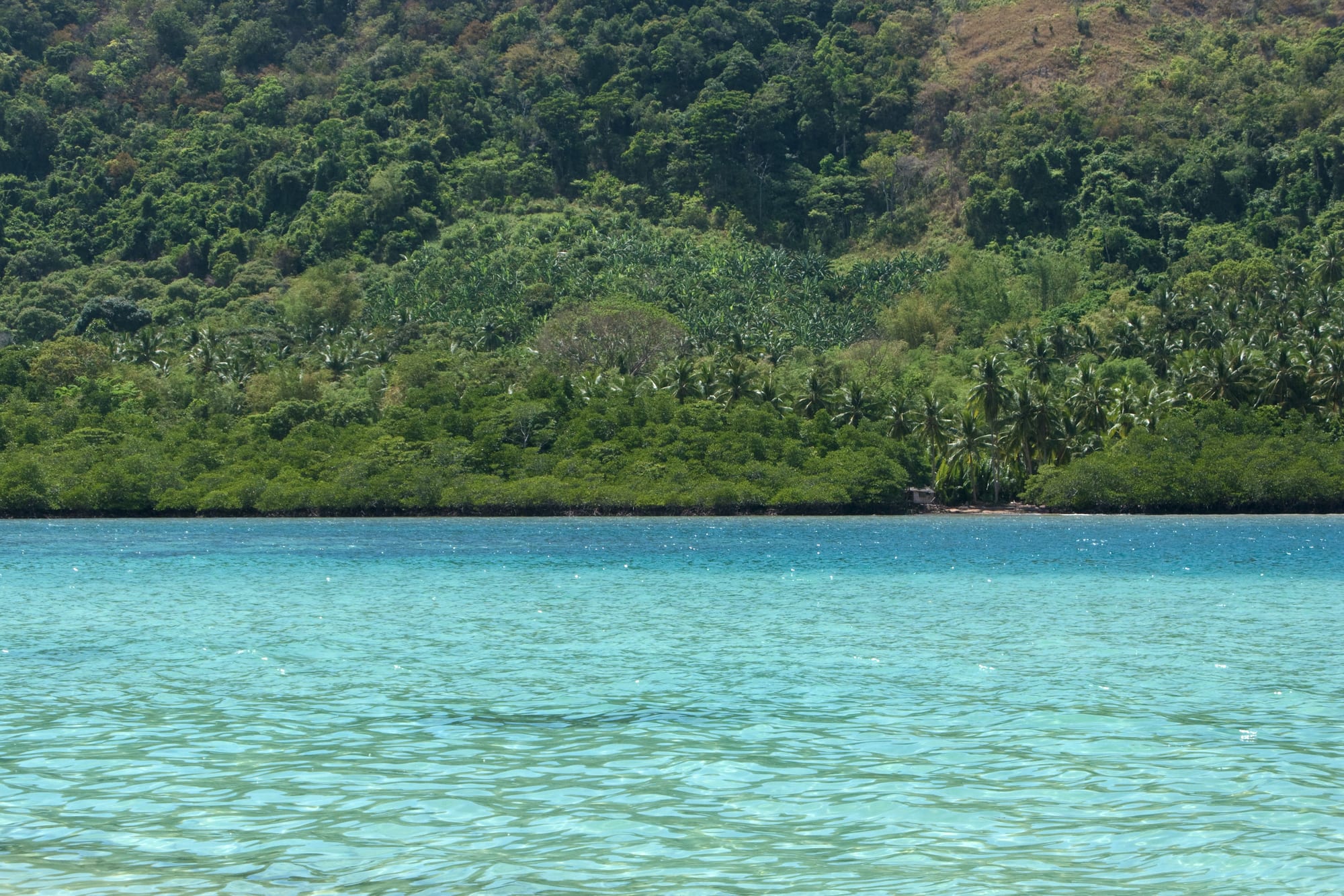
An archipelago of over 7,000 islands
The Philippines, a scattered archipelago of more than 7,000 islands in Southeast Asia, combines some of the region's most celebrated beaches and diving with a distinct cultural blend of Malay, Spanish, and American influence, layered over centuries of colonial history. Its geography is extreme in every direction — active volcanoes, deep ocean trenches nearby, and rice terraces carved by hand into mountainsides — and its 7,000-plus islands mean that no single trip covers more than a fraction of what the country holds.
The ten below range from Luzon in the north to Palawan and the Visayas. The dry season (roughly December to May) is generally the most reliable time to travel, ahead of the wetter, typhoon-prone months from June to November.
1. El Nido and Palawan
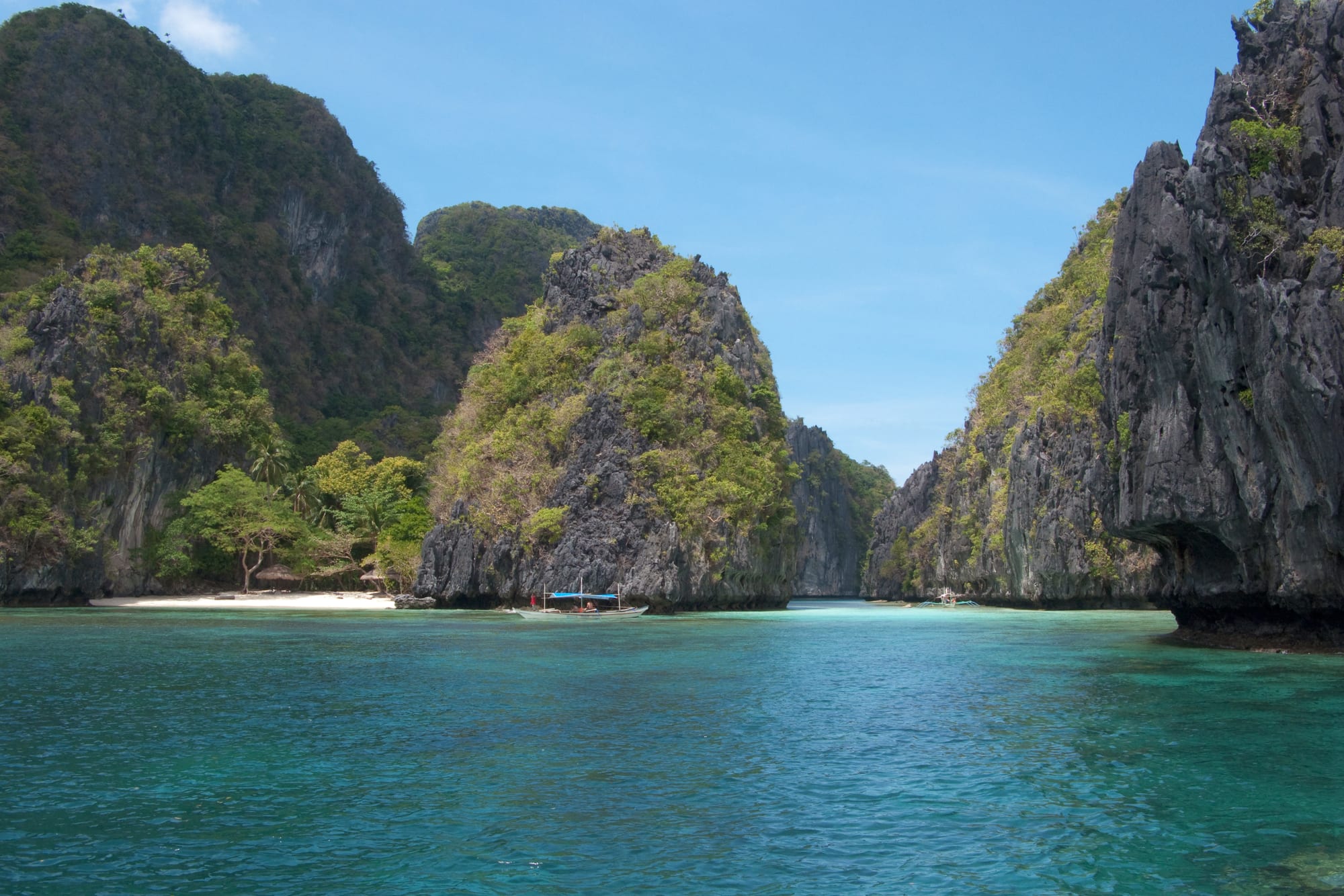
Palawan, frequently rated among the most beautiful islands in the world, is anchored by El Nido's Bacuit Bay, where dozens of sheer limestone islands rise from turquoise water riddled with hidden lagoons, secret beaches, and coral reefs reached mainly by island-hopping boat tour. Further south, Puerto Princesa's underground river — a navigable cave system stretching several kilometres — adds a UNESCO-listed natural attraction to the island.
2. The Chocolate Hills, Bohol
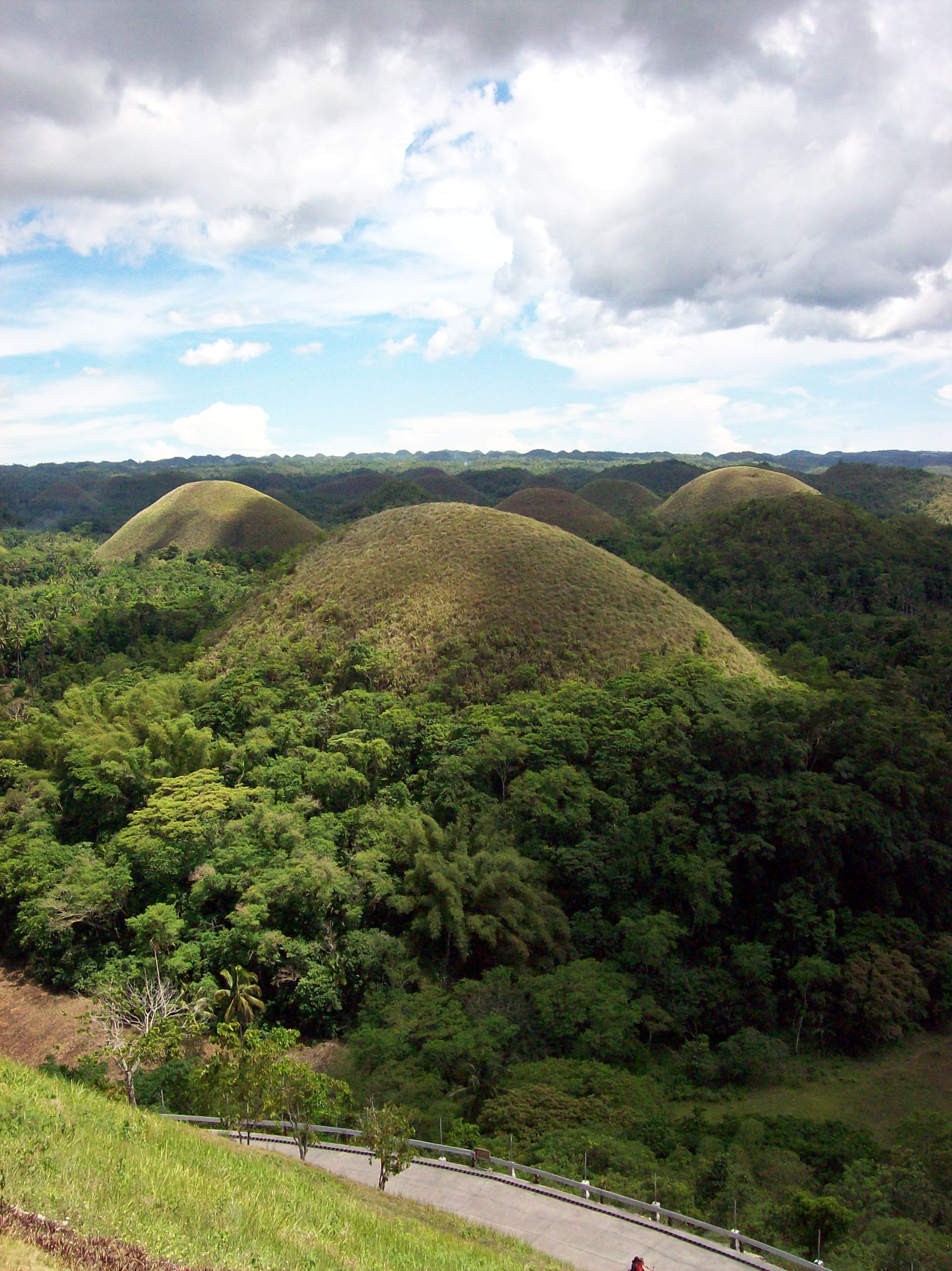
The Chocolate Hills, a formation of over a thousand near-identical grass- covered mounds scattered across Bohol island, turn from green to a chocolate-brown colour in the dry season, giving the site its name — their they are cone-shaped hills of marine limestone, sculpted by rain and erosion, and their sheer uniform number makes them one of the most distinctive landscapes in the country. Bohol also holds the tiny, wide-eyed Philippine tarsier, one of the smallest primates on earth, in a protected sanctuary nearby.
3. The Banaue Rice Terraces
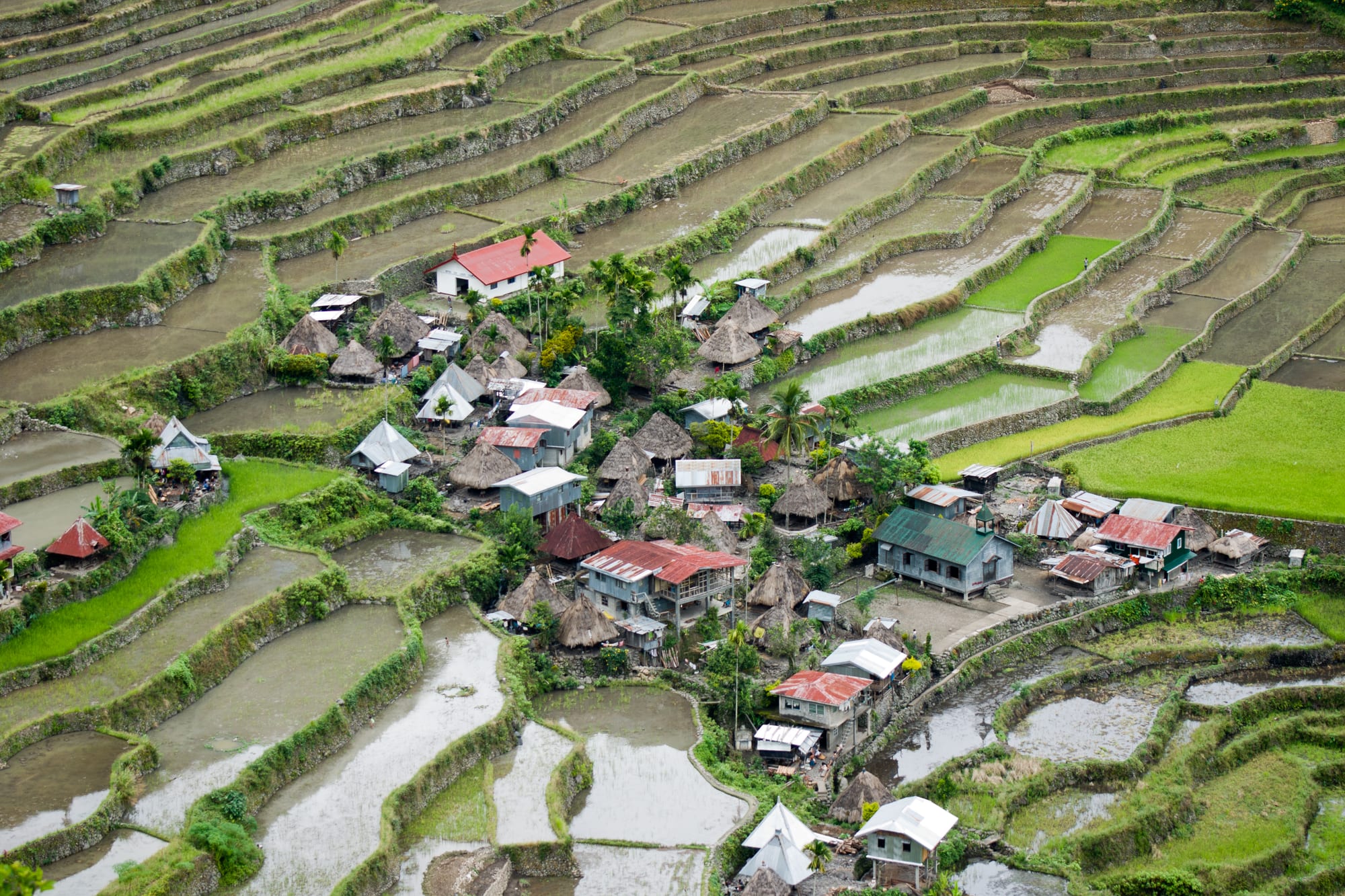
The Banaue Rice Terraces, carved into the Cordillera mountains by the Ifugao people largely by hand, are traditionally said to be about 2,000 years old, though some researchers argue they were built only a few centuries ago; they remain farmed by Ifugao communities today using largely traditional methods. The amphitheatre-like terraces at Batad, reached by a steep hike from the nearest road, are among the most dramatic, and Batad is one of the five clusters inscribed by UNESCO in 1995 as the Rice Terraces of the Philippine Cordilleras (the terraces around Banaue town itself were left out).
4. Intramuros, Manila
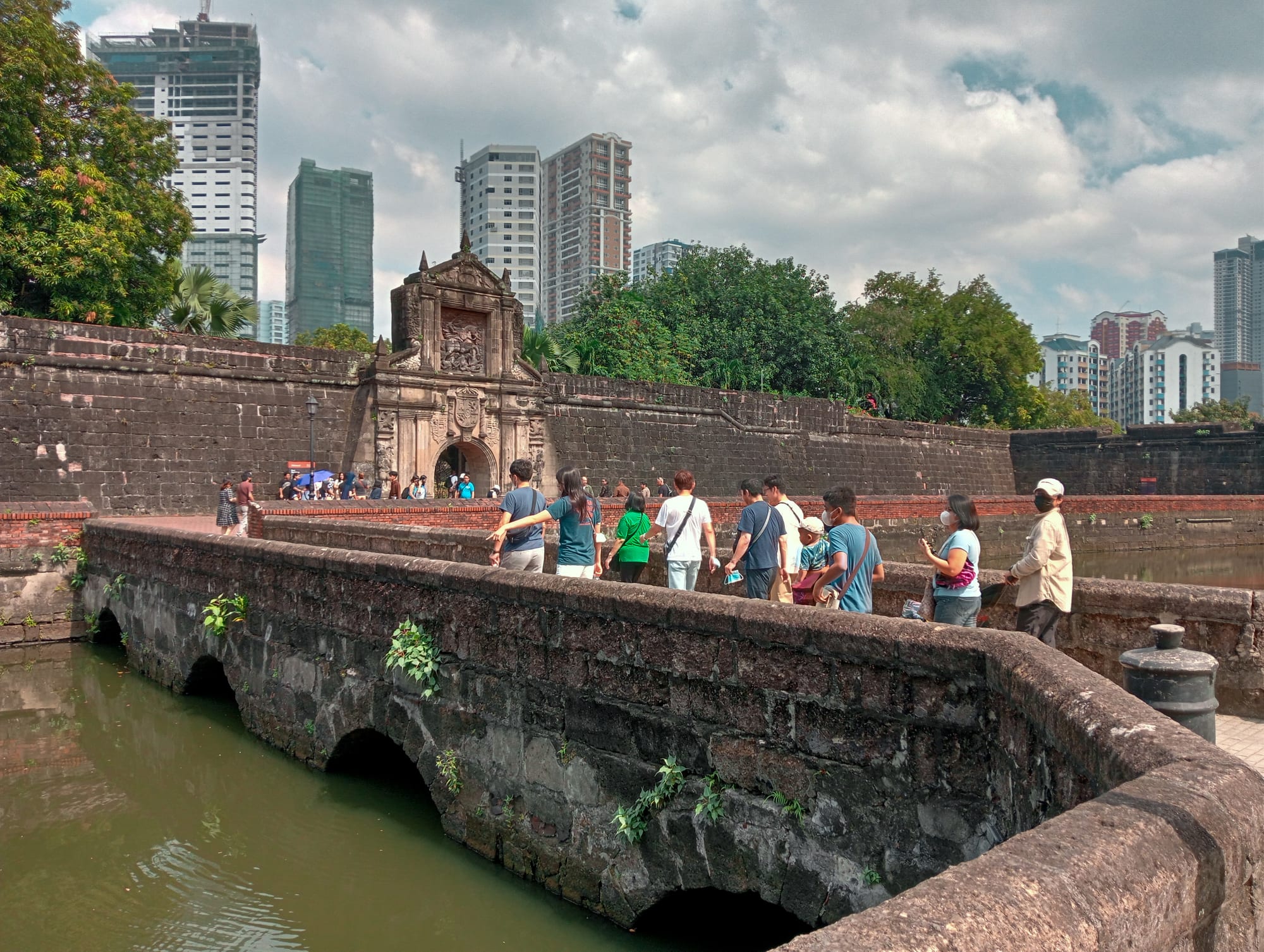
Intramuros, the walled old city at the heart of Manila, preserves the core of the Spanish colonial capital founded in 1571, including Fort Santiago, where Filipino national hero José Rizal was imprisoned before his execution, and the baroque San Agustin Church, completed in 1607, the oldest stone church in the country and part of the UNESCO-listed Baroque Churches of the Philippines. Much of Intramuros was destroyed during the 1945 Battle of Manila and has been partially restored since.
5. Boracay
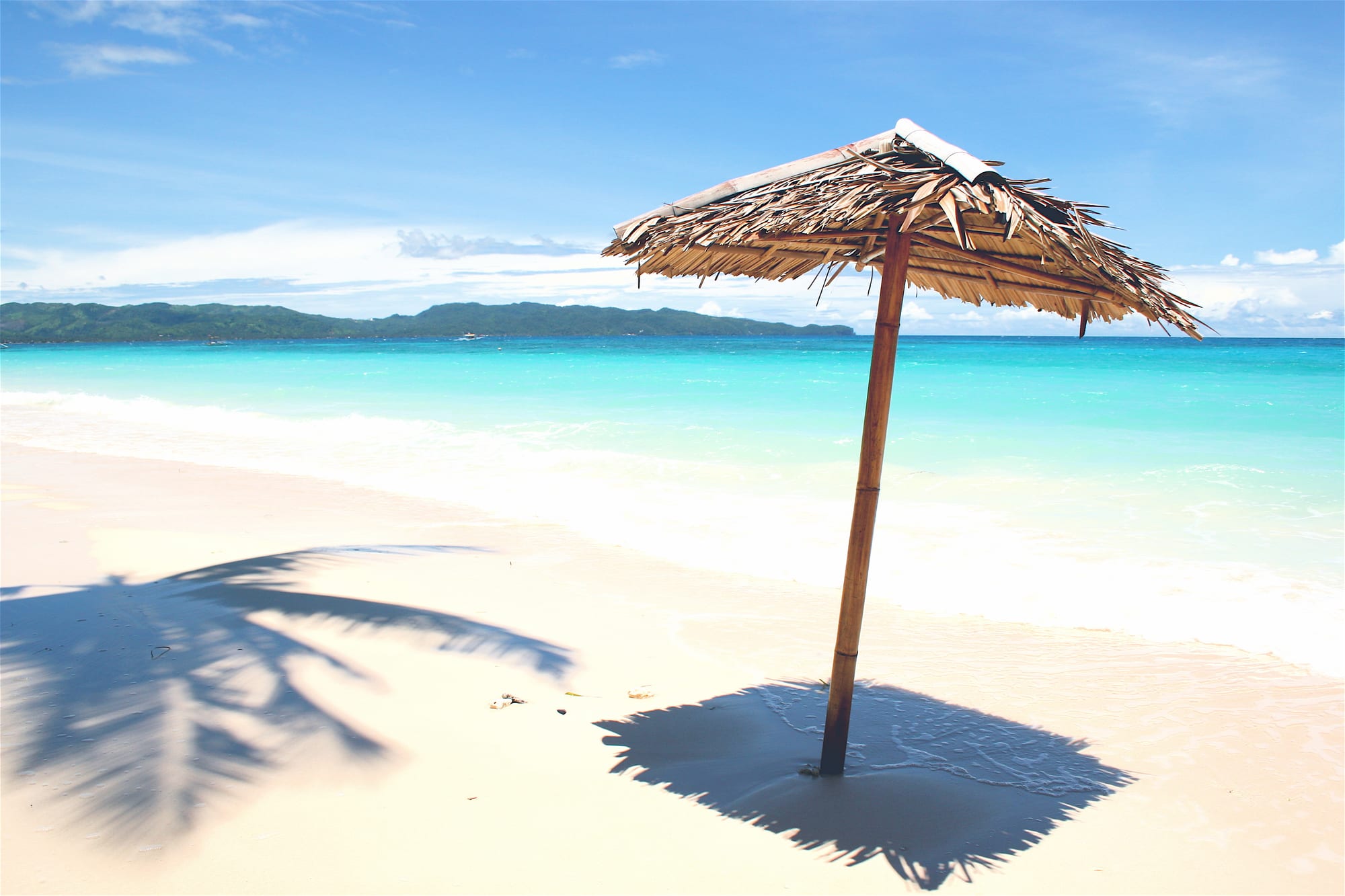
Boracay's White Beach, four kilometres of powder-fine sand, became so popular that overdevelopment forced the Philippine government to close the entire island to tourism for six months in 2018 for environmental rehabilitation — it has since reopened under stricter capacity and environmental controls, and remains one of the country's most visited beach destinations, known for water sports, nightlife, and dramatic sunsets.
6. Mayon Volcano
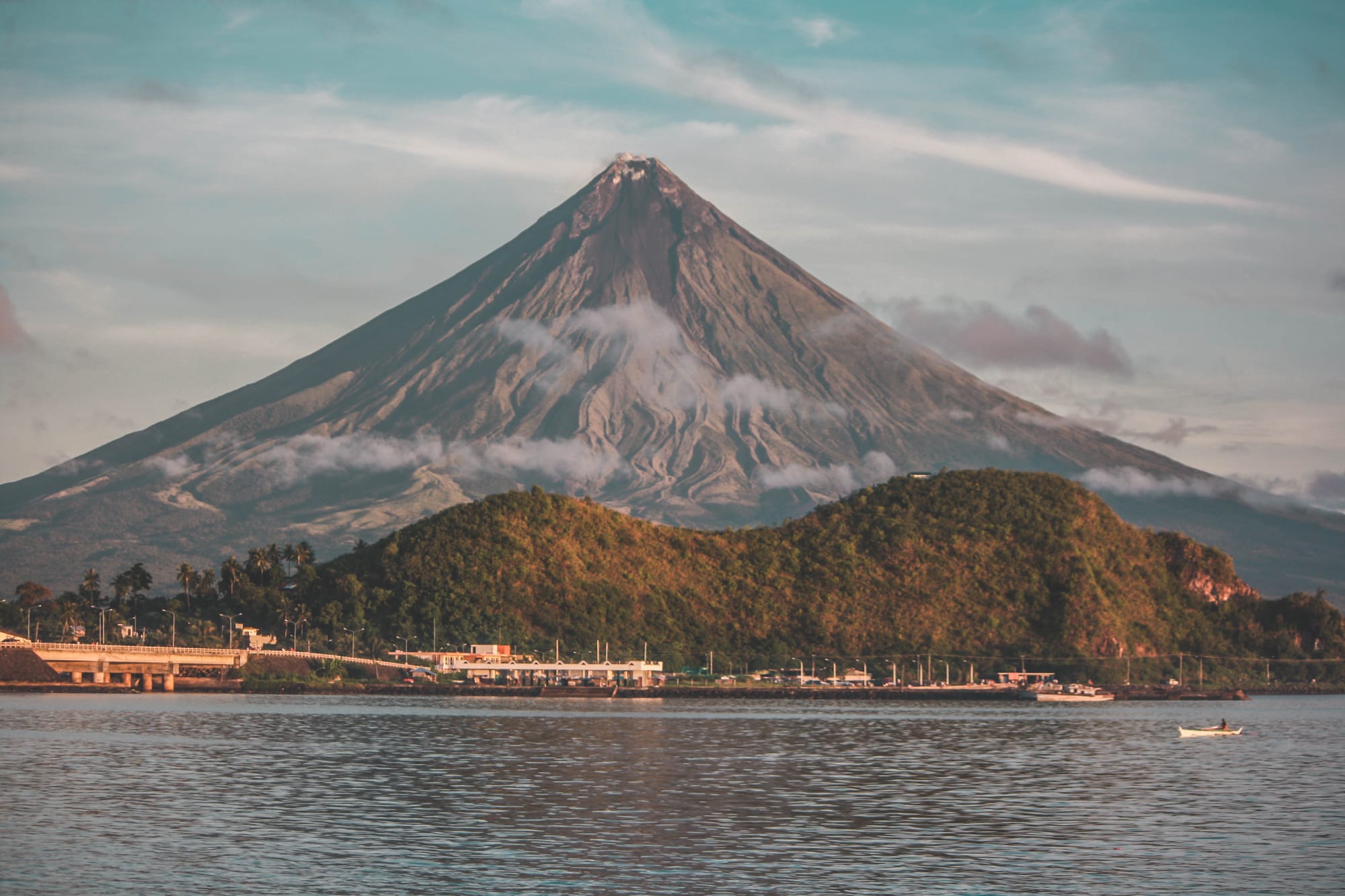
Mayon, in Albay province in the Bicol region, is renowned for its "perfect cone", one of the most symmetrical volcanic cones in the world. It is the most active volcano in the Philippines, and eruption activity periodically triggers evacuation zones around its base — a reminder that, despite its beauty, Mayon is a genuinely active and monitored hazard, not simply a scenic backdrop.
7. Vigan
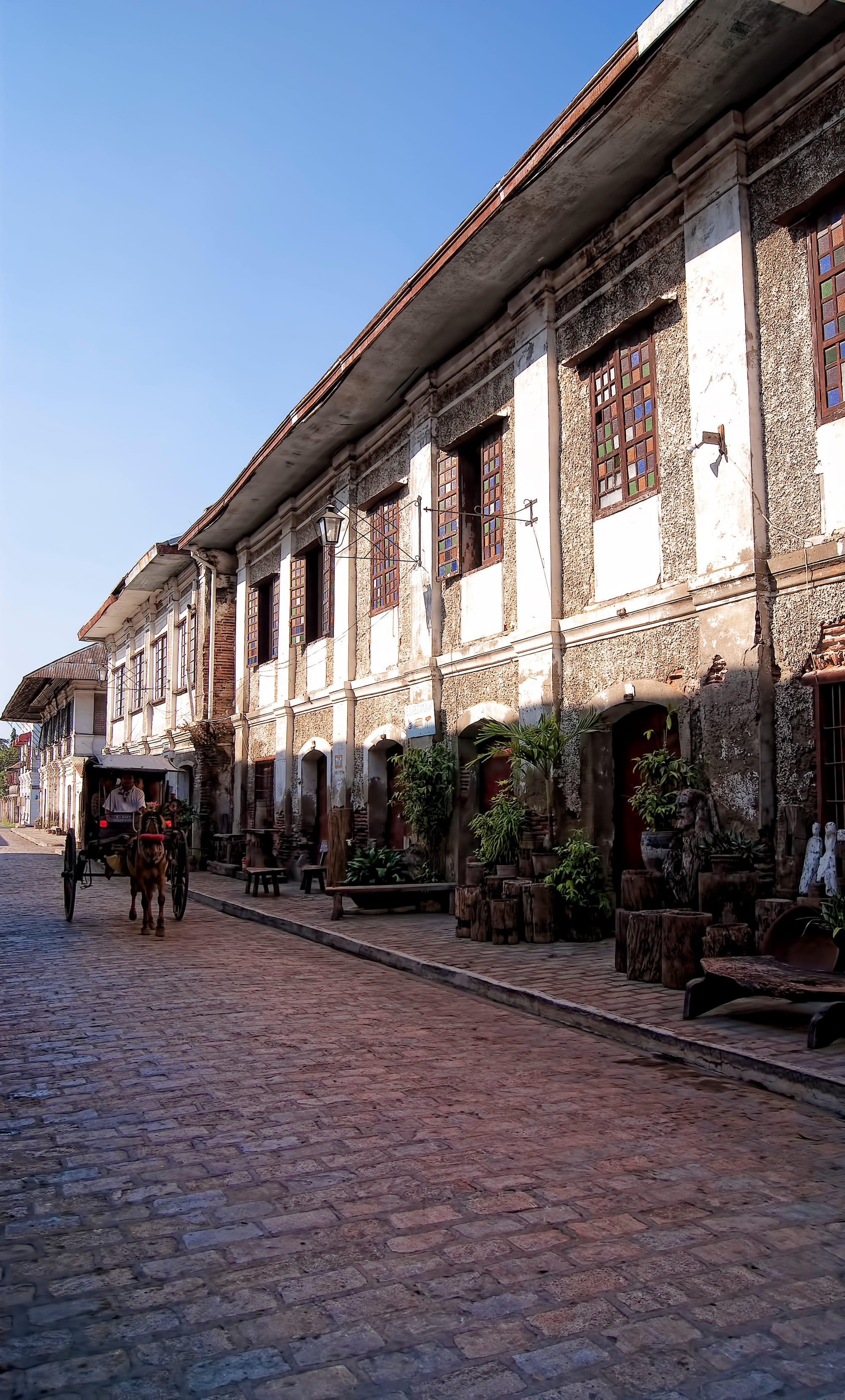
Vigan, on the northern island of Luzon, preserves one of the best-surviving examples of a Spanish colonial trading town anywhere in Asia — cobblestone streets, horse-drawn kalesa carriages, and colonial-Chinese-influenced mestizo architecture in a town dating back to the 16th century. It has been a UNESCO World Heritage Site since 1999 and one of the country's most atmospheric heritage towns.
8. The Tubbataha Reefs
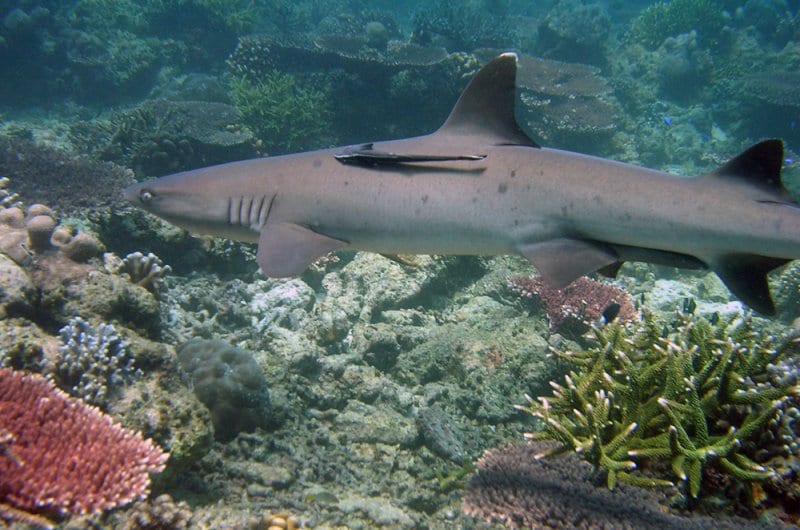
The Tubbataha Reefs, a remote atoll system in the middle of the Sulu Sea reachable only by liveaboard dive boat, hold an exceptional density of coral and marine life, protected as a national marine park since 1988 and a UNESCO World Heritage Site since 1993. Access is limited to a short season (roughly mid-March to mid-June) and strictly regulated, making it one of the least disturbed, most pristine reef systems left in Southeast Asia.
9. Siargao
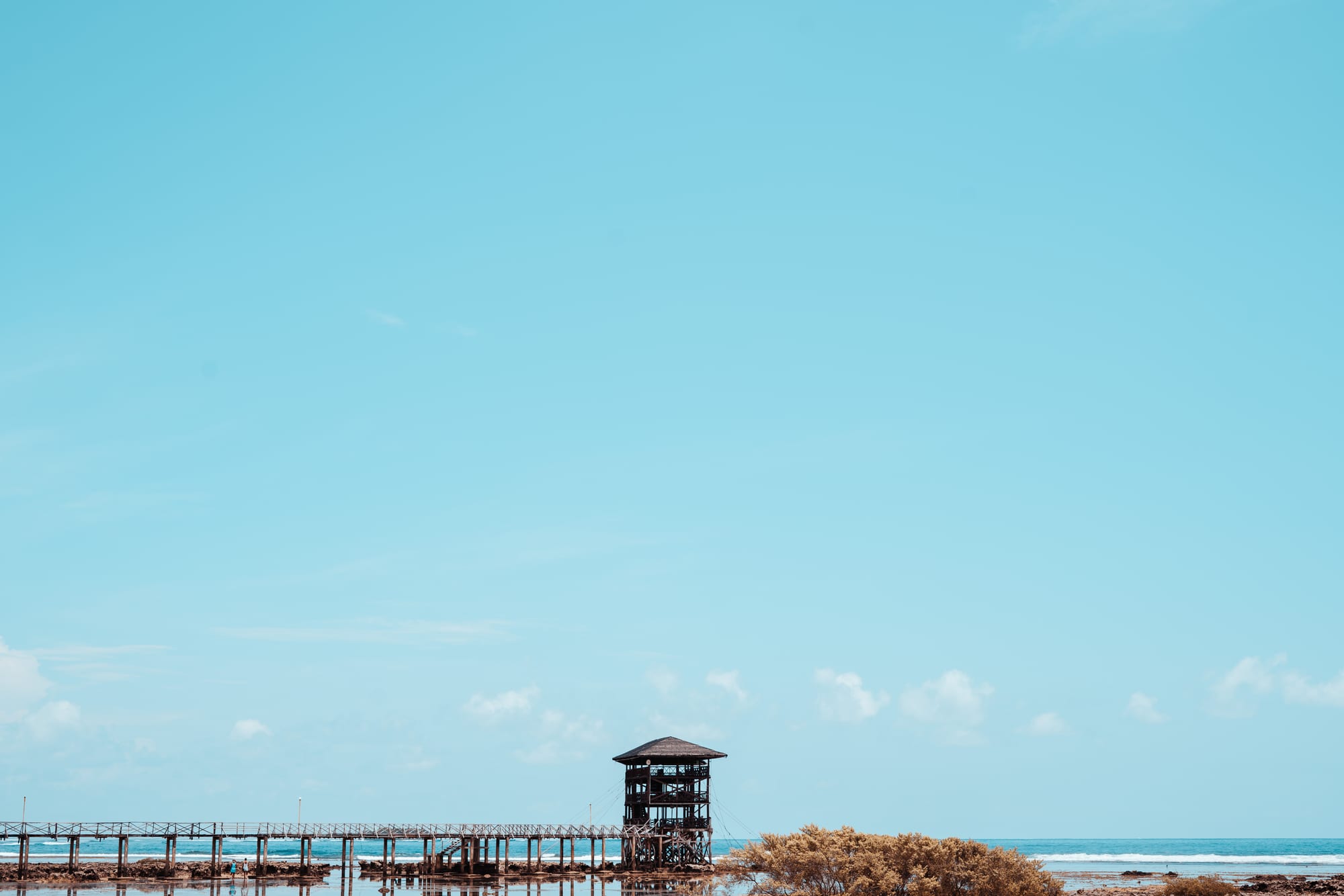
Siargao, a teardrop-shaped island off the northeastern tip of Mindanao, has grown from a surfers' secret into one of the Philippines' most talked-about island escapes, built around the world-class reef break at Cloud 9 and a laid-back scene of lagoons, palm-lined roads best explored by scooter, and the islets and lagoons of Sohoton Cove on nearby Bucas Grande.
It suits travellers chasing a slower, more bohemian pace than Boracay's, with surf lessons available for beginners alongside the serious swell.
10. Coron and the Palawan shipwrecks
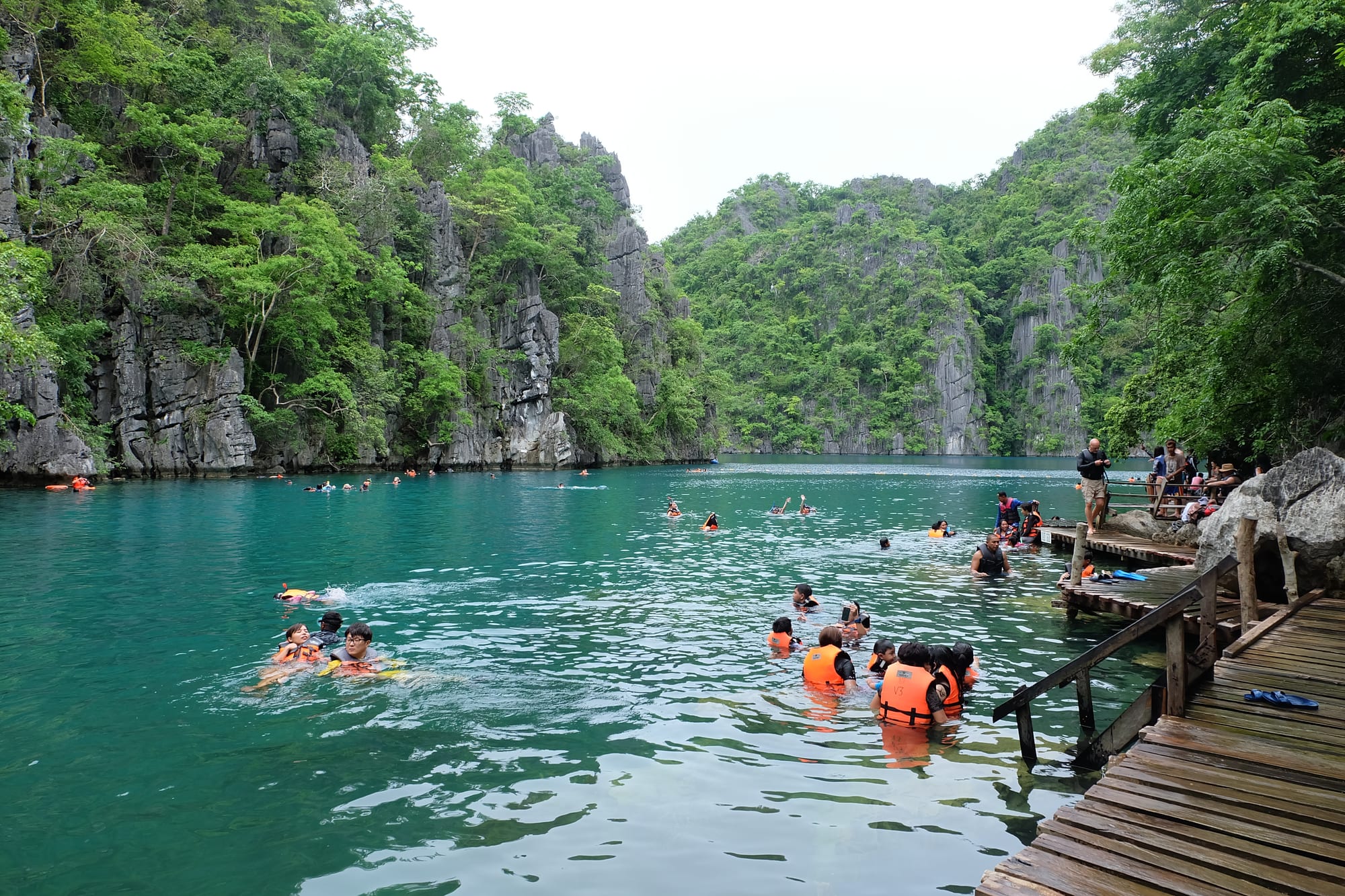
Coron, in the Calamian Islands off northern Palawan, pairs limestone scenery to rival El Nido's with a distinctive draw: Japanese naval and cargo ships sunk by an American air raid in September 1944, now a celebrated wreck-diving site, their hulls encrusted with coral. Above water, Kayangan Lake on Coron Island, reached by a short climb, is considered one of the cleanest lakes in the country.
Coron town makes an easy base for both the wrecks and a day of island-hopping among the surrounding limestone cays.
The Philippines rewards focusing a trip on one or two regions rather than trying to cover the archipelago broadly — inter-island flights and ferries are often necessary, and Palawan, the Visayas (Bohol/Boracay), and Luzon's north each comfortably fill a week or more on their own.