Attractions & Natural Wonders · Portugal
Portugal: Ten Attractions and Natural Wonders
A fortified tower built to guard the mouth of an ocean-faring empire, a fairytale palace painted in clashing colours on a misty hilltop, and terraced vineyards carved into a river valley where wine has been made since Roman times
By Globeway Editorial · 30 September 2026
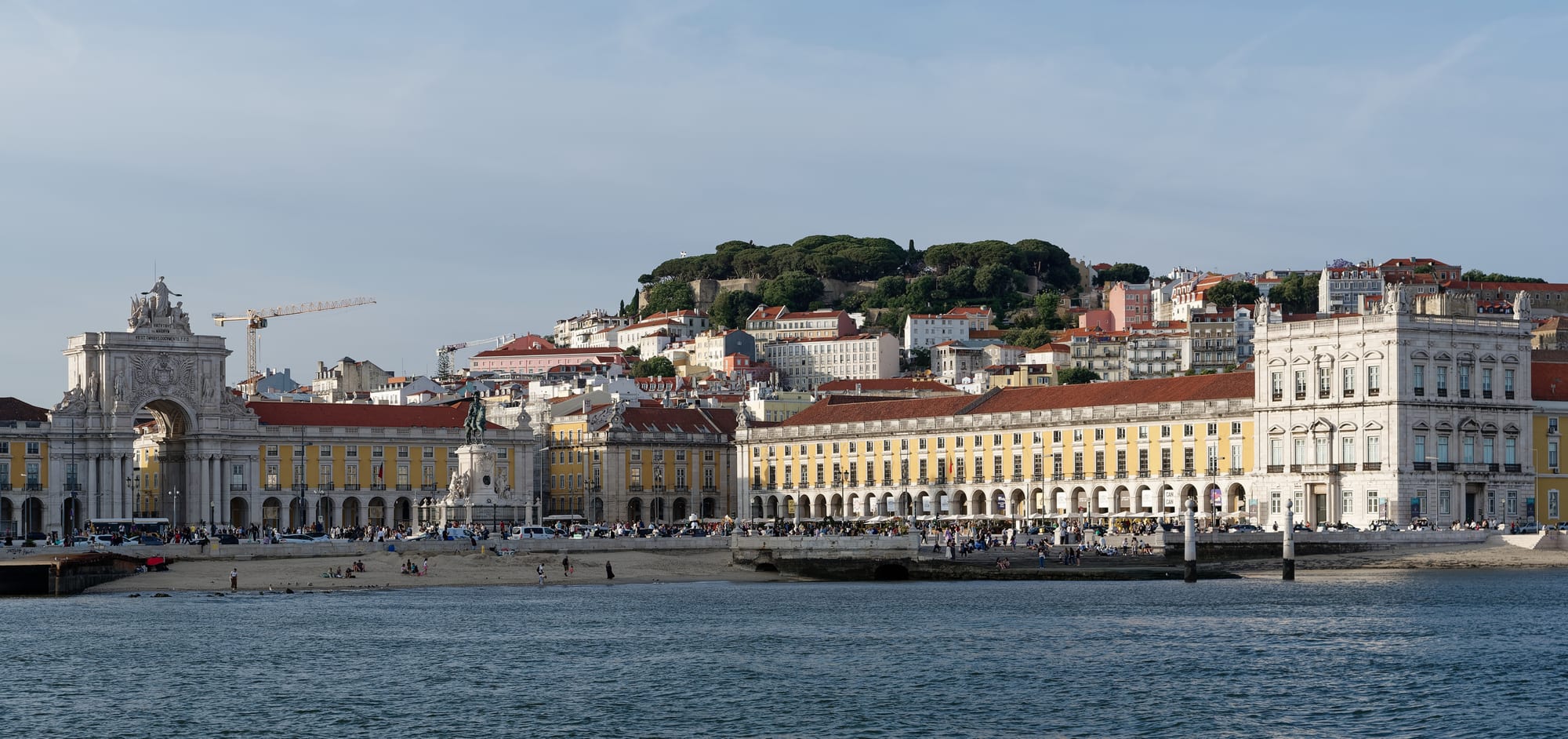
A seafaring nation's lasting monuments
Portugal, tucked along the Atlantic edge of the Iberian Peninsula, built one of the earliest and longest-lasting global empires on the strength of its maritime exploration in the 15th and 16th centuries — wealth and influence that left behind the distinctive Manueline architectural style, ornate tilework, and monuments still standing in Lisbon, Porto, and beyond. Beyond its historic cities, Portugal holds a dramatic Atlantic coastline, terraced river valleys that have produced wine since Roman times, and one of Europe's oldest universities.
The ten below run from Lisbon and its surrounding hills to Porto, the Douro Valley, and the Algarve coast. Spring and autumn offer the most comfortable weather; summer on the Algarve coast is hot and busy.
1. The Belém Tower
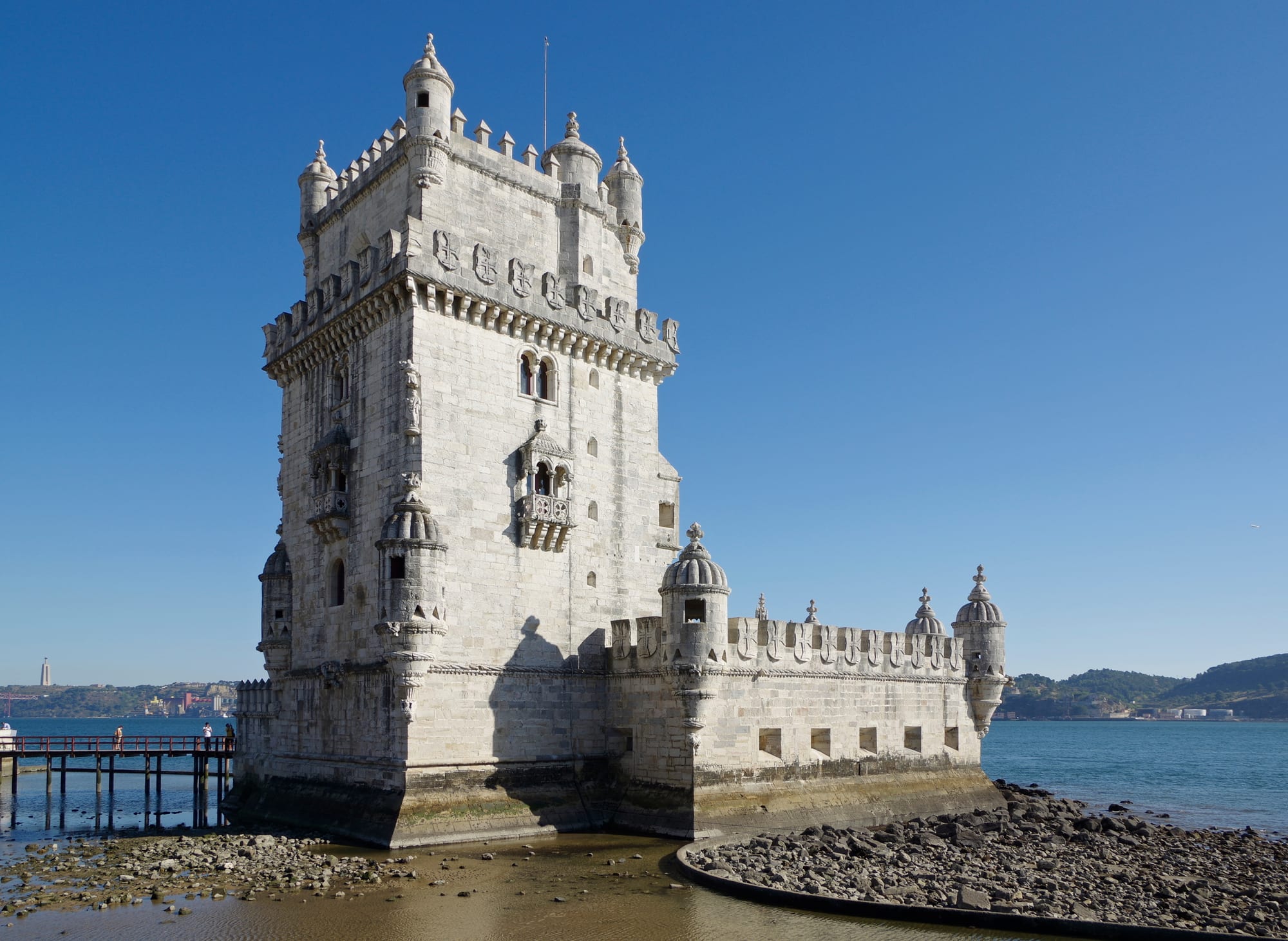
The Belém Tower, built in the early 1500s to defend the mouth of the Tagus River, served as a point of embarkation and disembarkation for Portugal's Age of Discovery explorers, and its ornate Manueline stonework — carved ropes, armillary spheres, and maritime motifs — reflects that seafaring identity directly. Together with the nearby Jerónimos Monastery it has formed a single UNESCO World Heritage Site since 1983.
2. Porto's Ribeira district
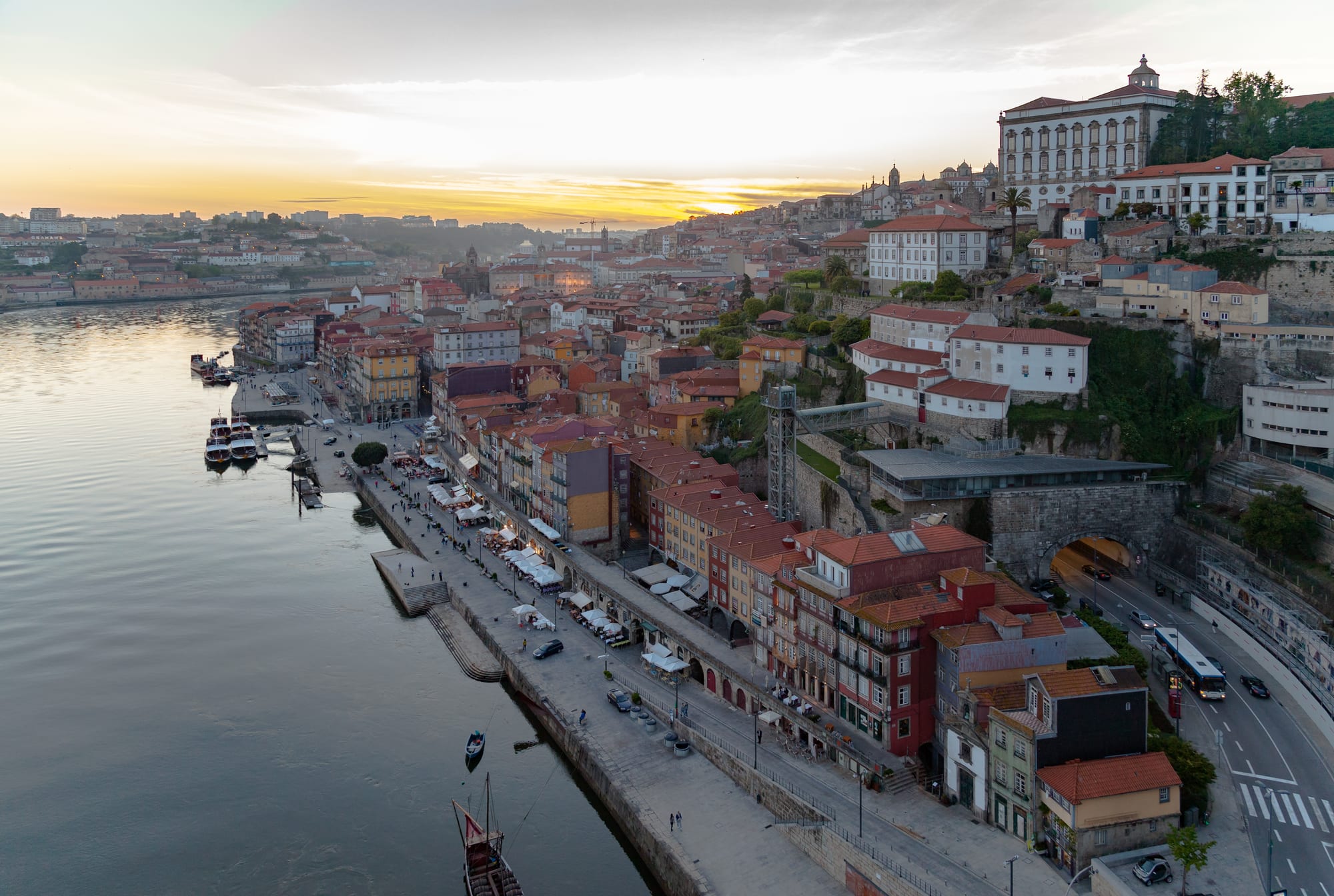
Porto's Ribeira, part of the UNESCO-listed historic centre along the Douro riverfront, is a dense tangle of colourful, narrow houses stacked up the hillside, overlooked by the iconic double-decked Dom Luís I Bridge. Across the river in Vila Nova de Gaia, the port wine lodges (the wine takes its name from the city) offer tastings and tours explaining how port has been aged and shipped from here for centuries.
3. Pena Palace, Sintra
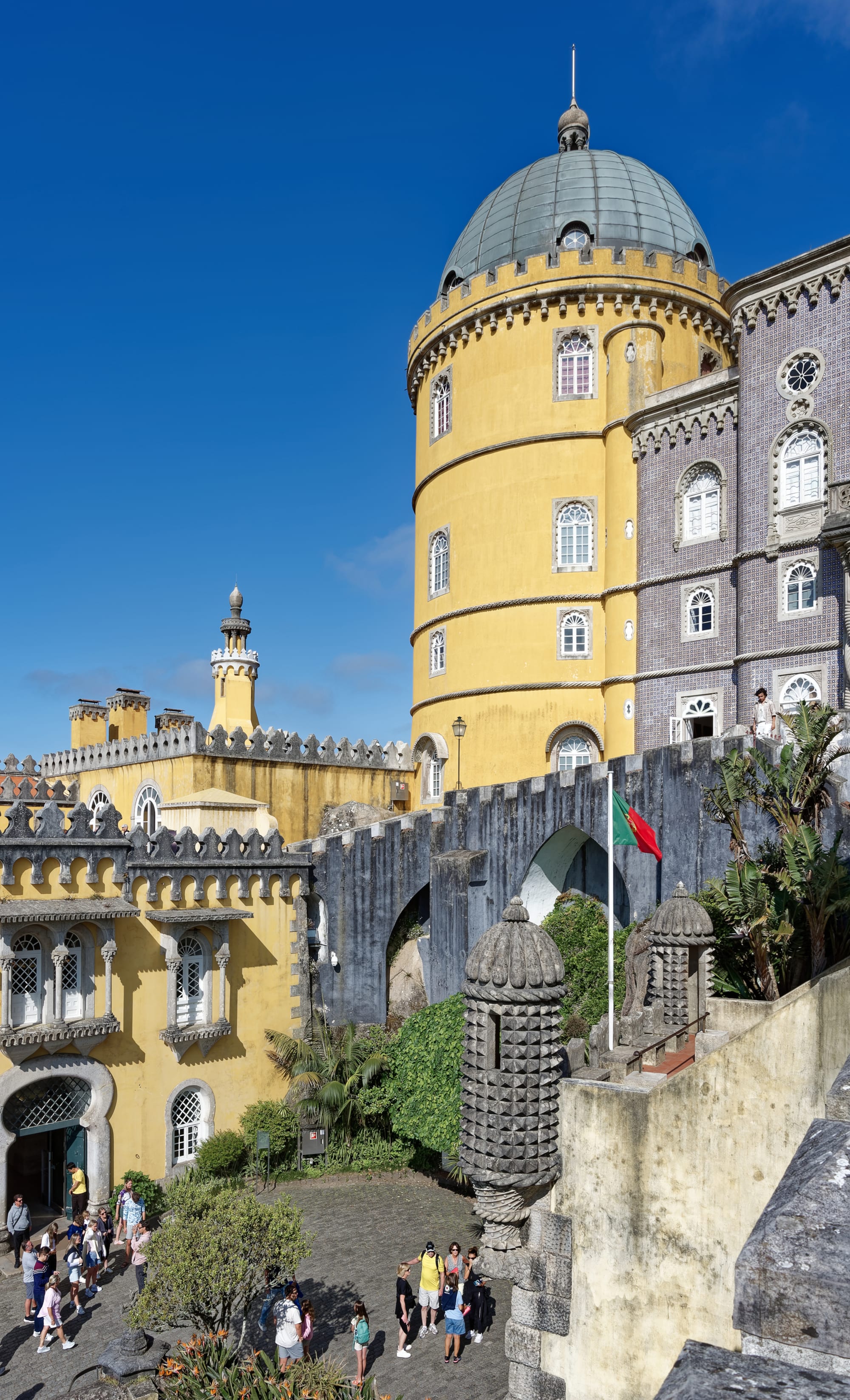
Pena Palace, perched on a hilltop above the town of Sintra and often wrapped in mist rolling in from the Atlantic, is a flamboyant 19th-century Romanticist confection of clashing colours, domes, and battlements, built for King Ferdinand II. Sintra's wider UNESCO-listed cultural landscape also holds the Moorish Castle ruins and the eccentric Quinta da Regaleira estate, making the town a full day trip from Lisbon on its own.
4. The Algarve coast
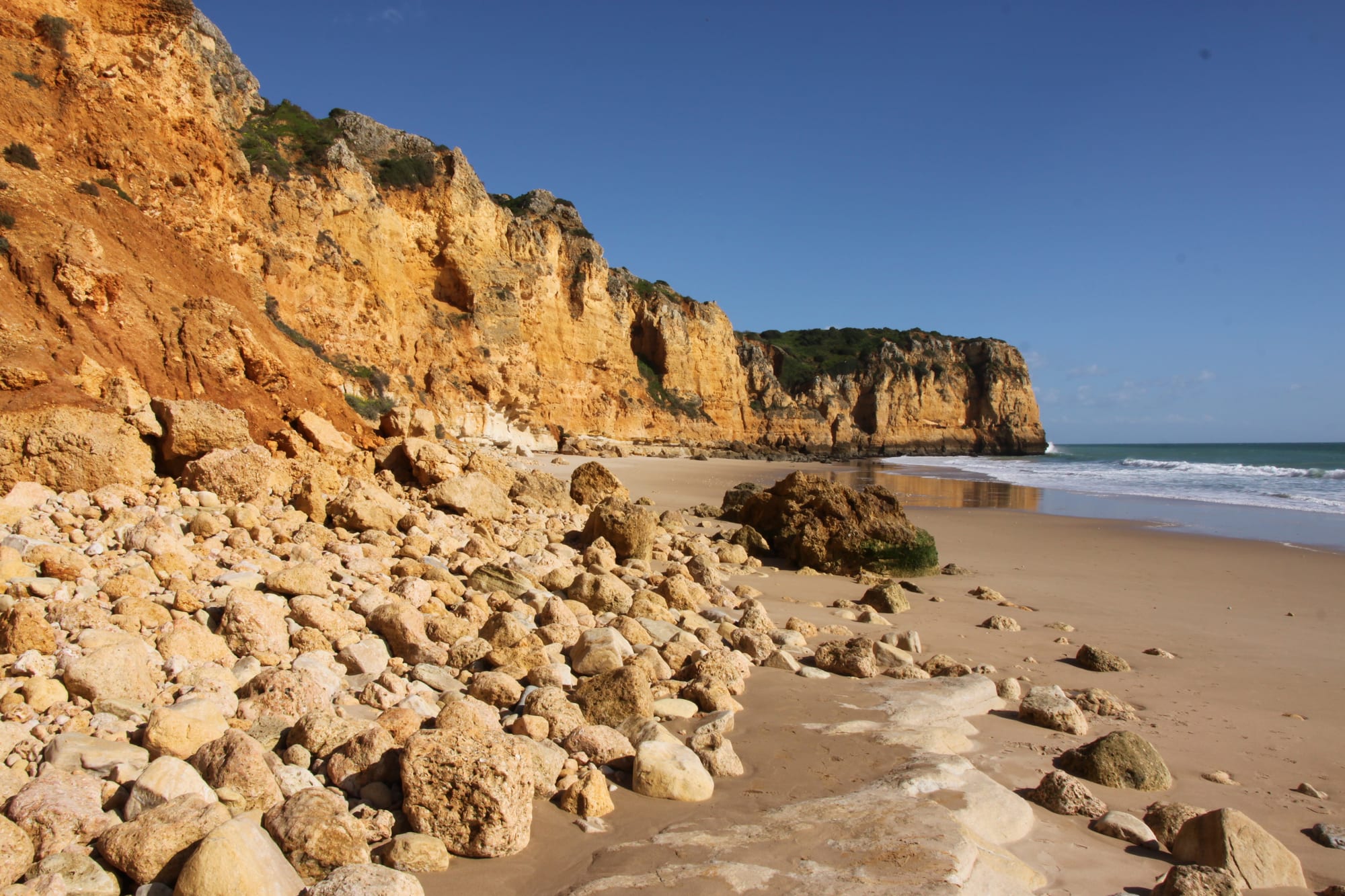
The Algarve, Portugal's southern coastal region, is known for golden limestone cliffs, sea caves, and grottoes carved by the Atlantic along a shoreline that draws both beach tourism and boat trips to formations like the Benagil Cave. Towns such as Lagos and Albufeira serve as bases for exploring the coastline, with a noticeably more relaxed, resort-town character than Lisbon or Porto.
5. The Douro Valley
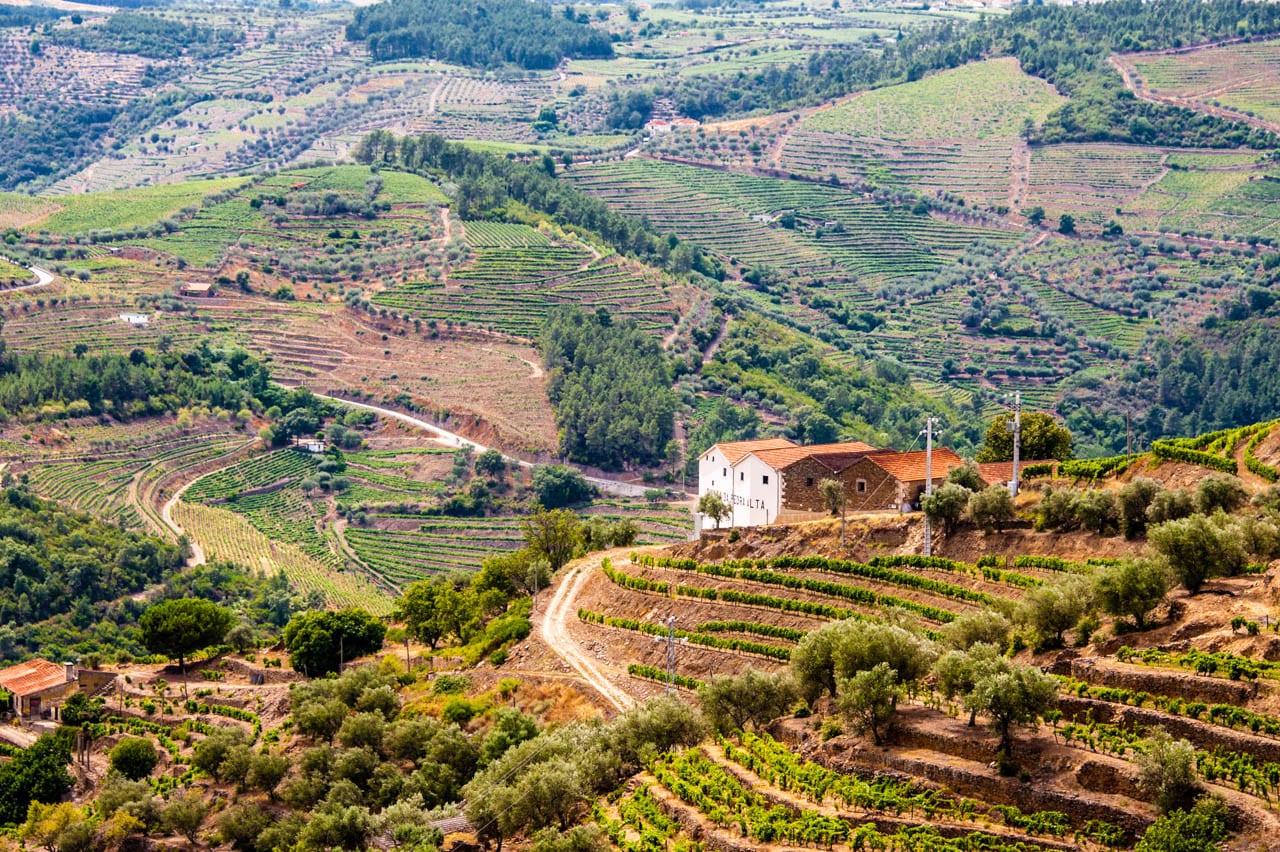
The Douro Valley, a UNESCO World Heritage cultural landscape since 2001, has been shaped by winemaking since at least Roman times, its steep schist hillsides carved into narrow terraces that produce the grapes for port wine. River cruises and train journeys along the Douro give some of the most scenic ways to see the valley, past traditional quintas (wine estates) that still offer tastings.
6. Lisbon's Alfama district
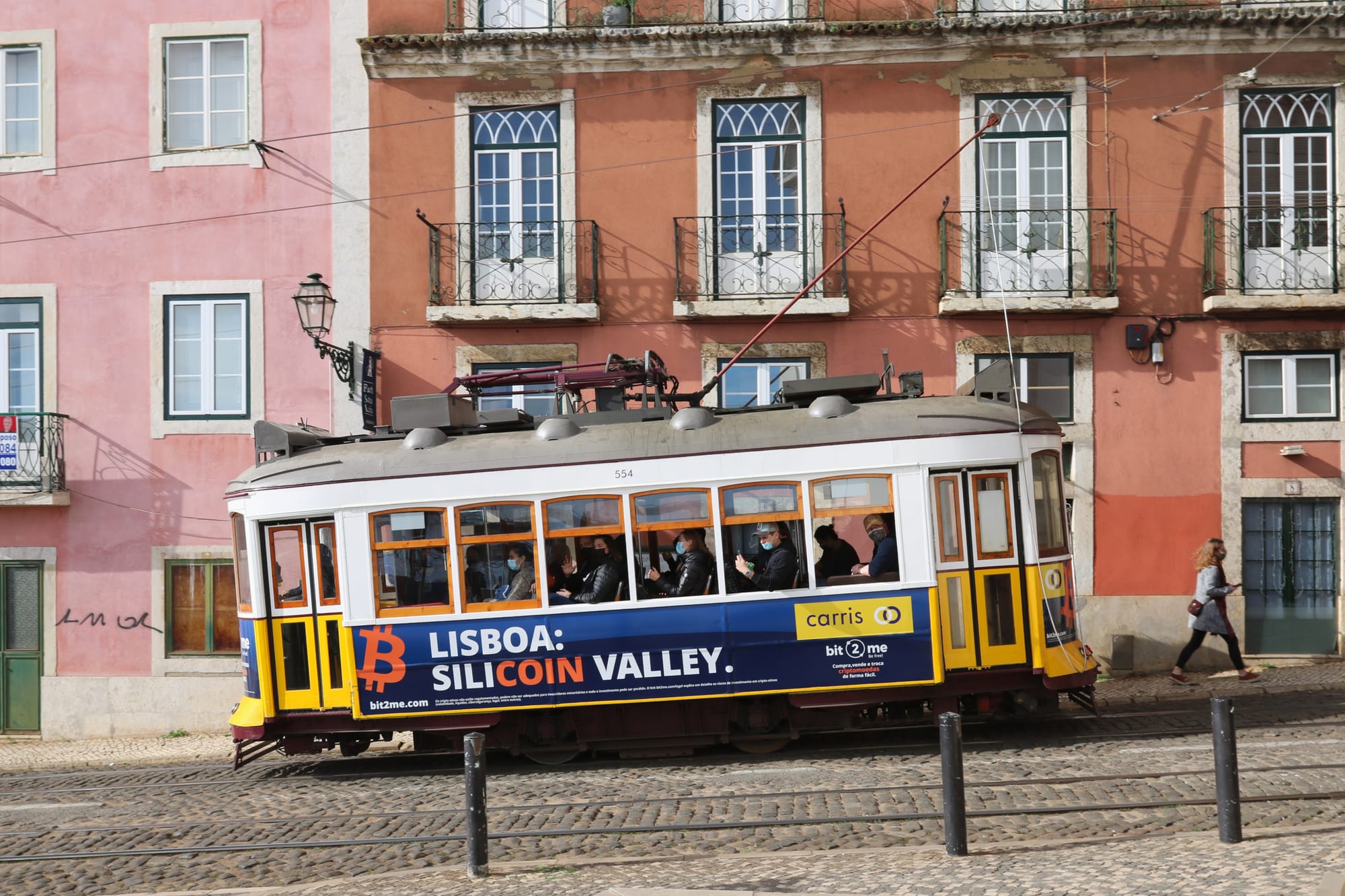
Alfama, Lisbon's oldest surviving district, predates the devastating 1755 earthquake that levelled much of the rest of the city, leaving a maze of narrow lanes, hillside stairways, and the historic yellow trams (most famously tram 28) that still climb its steep gradients. It is the traditional home of fado, Portugal's melancholic musical tradition, still performed in small local venues throughout the neighbourhood.
7. The University of Coimbra
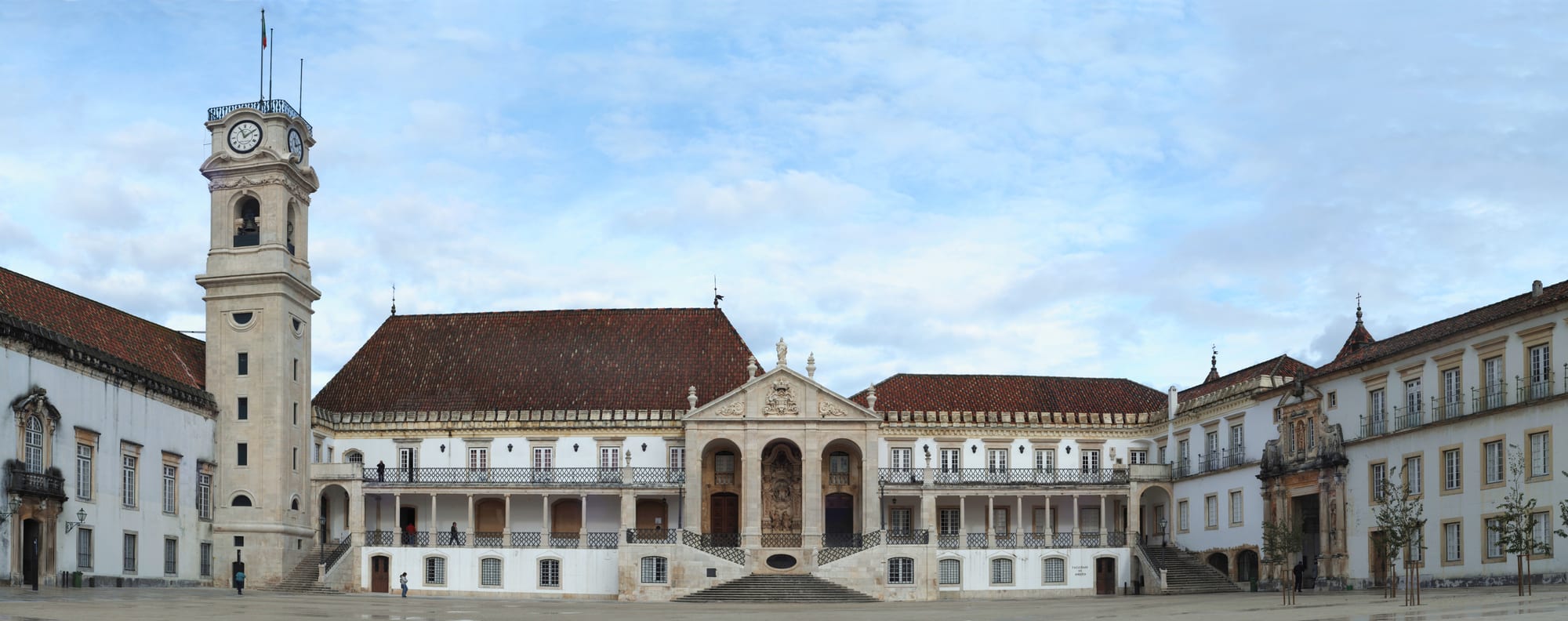
The University of Coimbra, founded in 1290 (in Lisbon, before settling in Coimbra in 1537), is among the oldest universities in the world still operating continuously, and its historic campus — the ornate Joanina Library, whose baroque interior houses bats that protect the books from insects at night, chief among its sights — is a UNESCO World Heritage Site (since 2013). Coimbra's own tradition of fado, distinct in style from Lisbon's, is still sung by the university's students.
8. Peneda-Gerês National Park
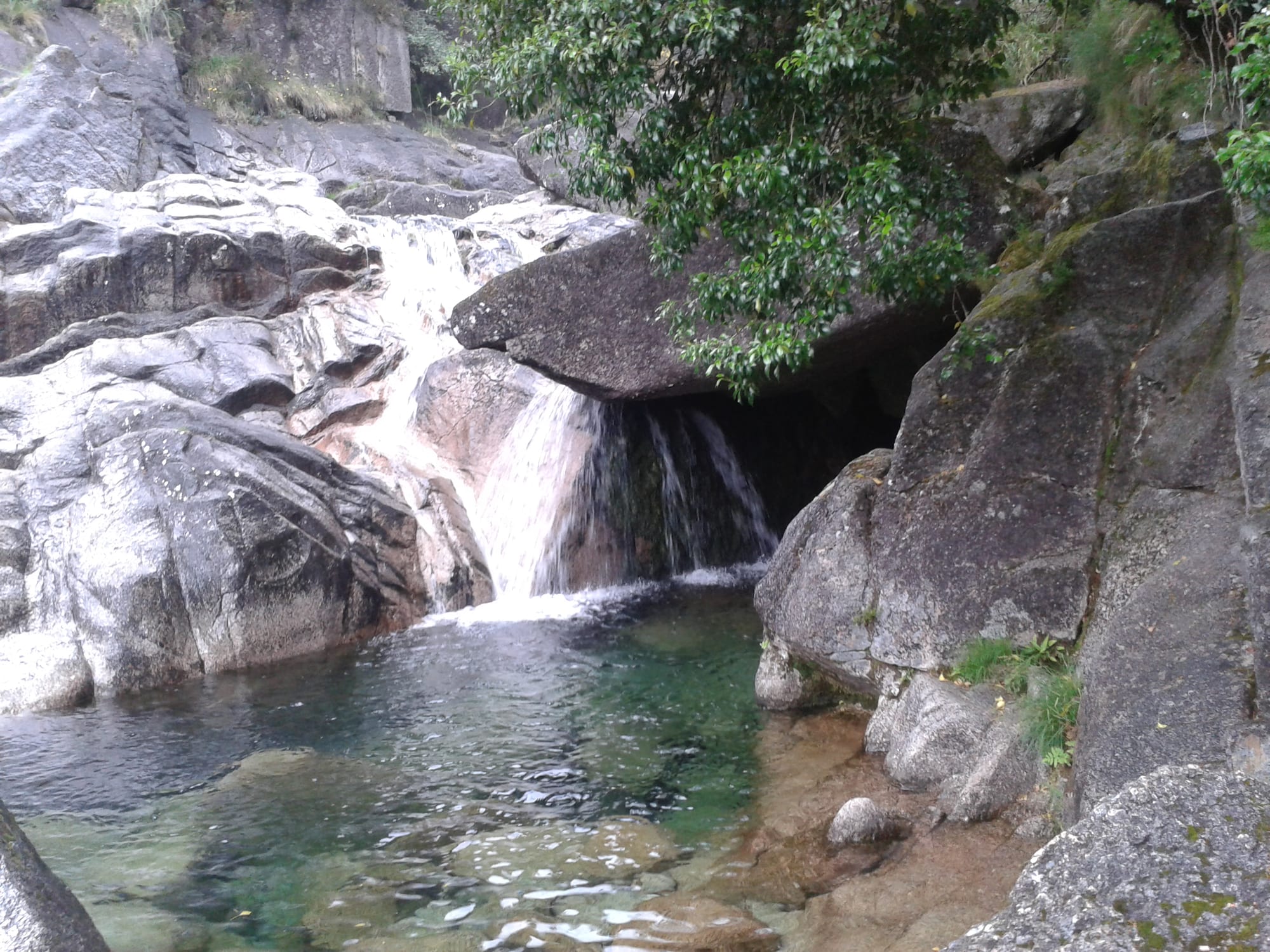
Peneda-Gerês, Portugal's only national park, protects a wild stretch of granite mountains along the Spanish border — waterfalls, ancient oak woodland, semi-feral Garrano ponies, and the remains of a Roman road, the Geira, that once crossed the mountains. It is a sharp contrast to the coast and cities that dominate most Portugal itineraries.
Hiking trails range from easy waterfall walks to multi-day routes through some of the country's least-developed terrain.
9. Évora
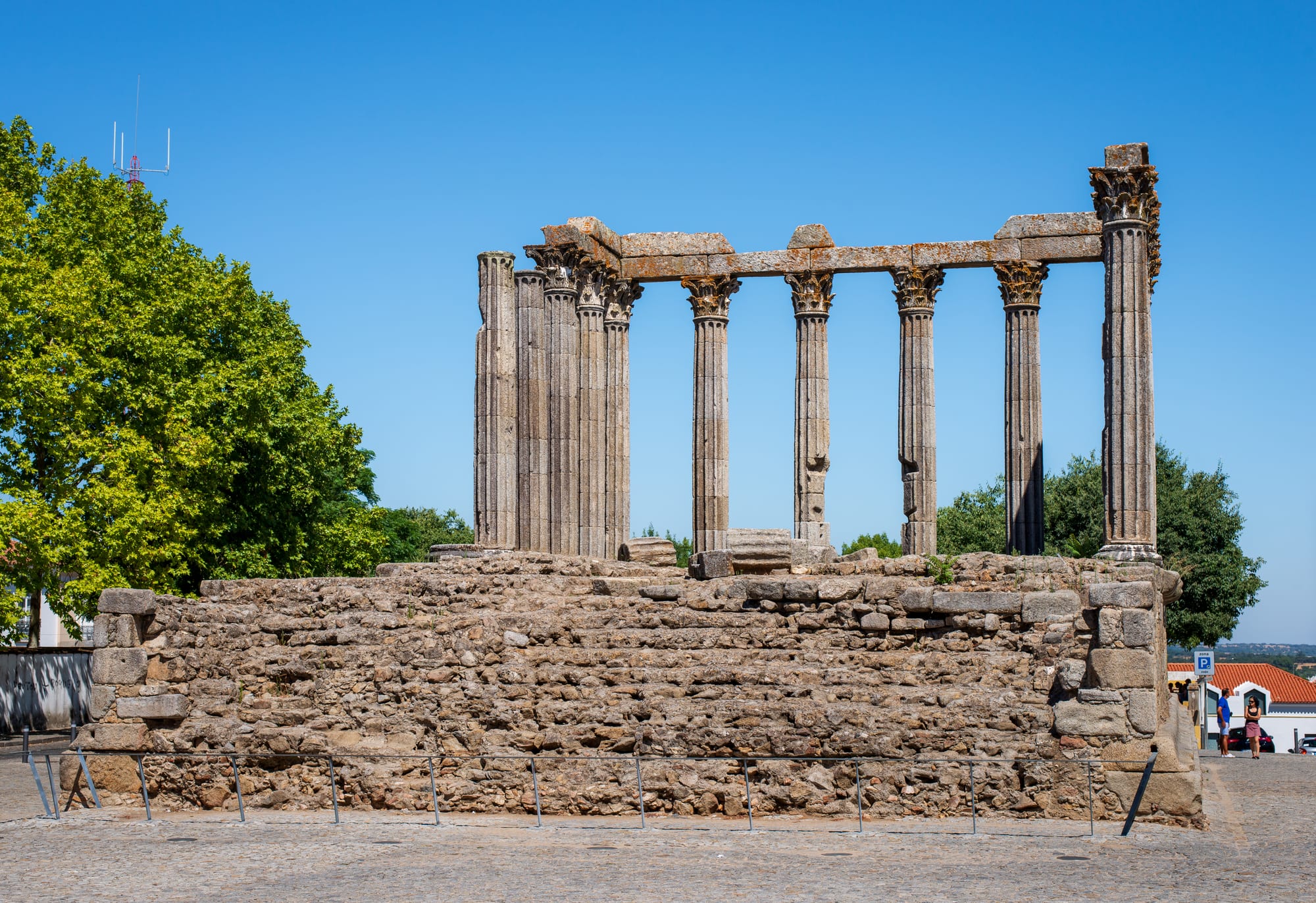
Évora, the historic capital of the rural Alentejo region, still partly enclosed by medieval walls, packs a Roman temple, a Moorish quarter, and a whitewashed old town into a compact UNESCO World Heritage core (listed in 1986) — its strangest sight is the Chapel of Bones, a small chamber whose walls Franciscan friars lined with the skulls and bones of an estimated 5,000 people from the town's medieval cemeteries, as a meditation on mortality.
It makes an easy day trip or overnight from Lisbon, at the heart of a region known for cork oaks, wine, and slow-cooked Alentejan cuisine.
10. Nazaré's giant waves
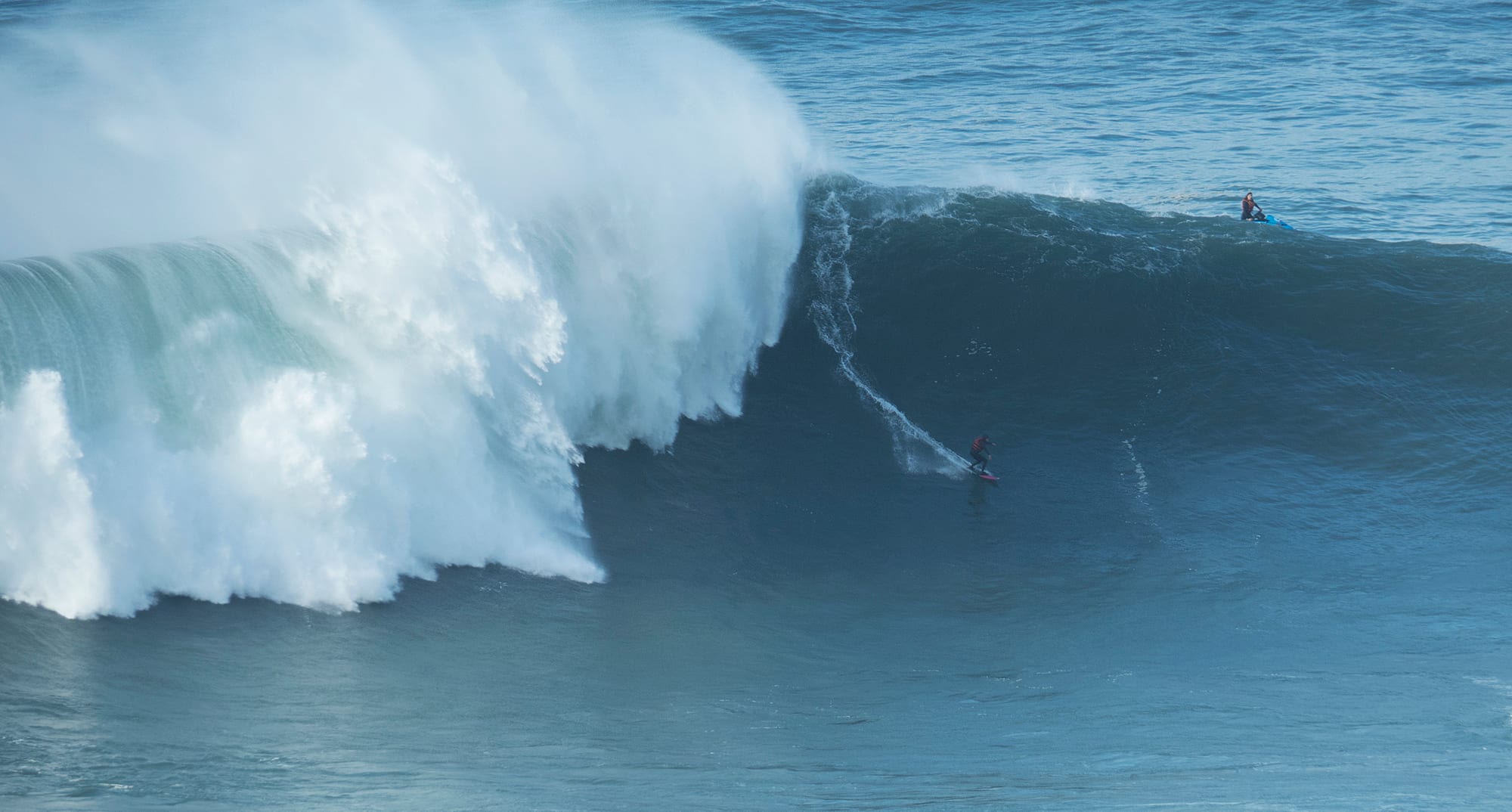
Nazaré, a fishing town on the central coast, sits beside an underwater canyon that funnels ocean swells into the largest waves ever surfed — a record wave of about 26 metres was ridden here in 2020, drawing big-wave surfers from around the world each winter to Praia do Norte, watched by crowds from the lighthouse at the clifftop Fort of São Miguel Arcanjo.
Outside the winter big-wave season, Nazaré reverts to a quieter beach town with its own funicular up to Sítio, the old village on the clifftop.
Portugal suits a week to ten days combining Lisbon and Sintra with either Porto and the Douro Valley or a few days on the Algarve coast, with train connections making most of the country easy to cover without a car.