Attractions & Natural Wonders · Republic of the Congo
Republic of the Congo: Five Attractions and Natural Wonders
A striped modernist basilica rising above the capital, one of the last strongholds of western lowland gorillas, and a vast swamp forest along the Congo River basin that remains among the least-visited wildernesses in Central Africa
By Globeway Editorial · 30 September 2026
A quiet corner of the Congo Basin
The Republic of the Congo, not to be confused with its much larger neighbour the Democratic Republic of the Congo across the river, occupies a smaller stretch of the vast Congo Basin — one of the world's great tropical rainforest wildernesses, second in size only to the Amazon. Its capital, Brazzaville, faces Kinshasa directly across the Congo River, the only place in the world where two national capitals face each other across a river within sight of each other, and its interior holds some of Central Africa's most important remaining habitat for western lowland gorillas and forest elephants.
The five below run from Brazzaville to the northern rainforest and the Atlantic coast. The country receives very few international visitors, and infrastructure for independent travel remains limited outside the capital.
1. The Basilique Sainte-Anne, Brazzaville
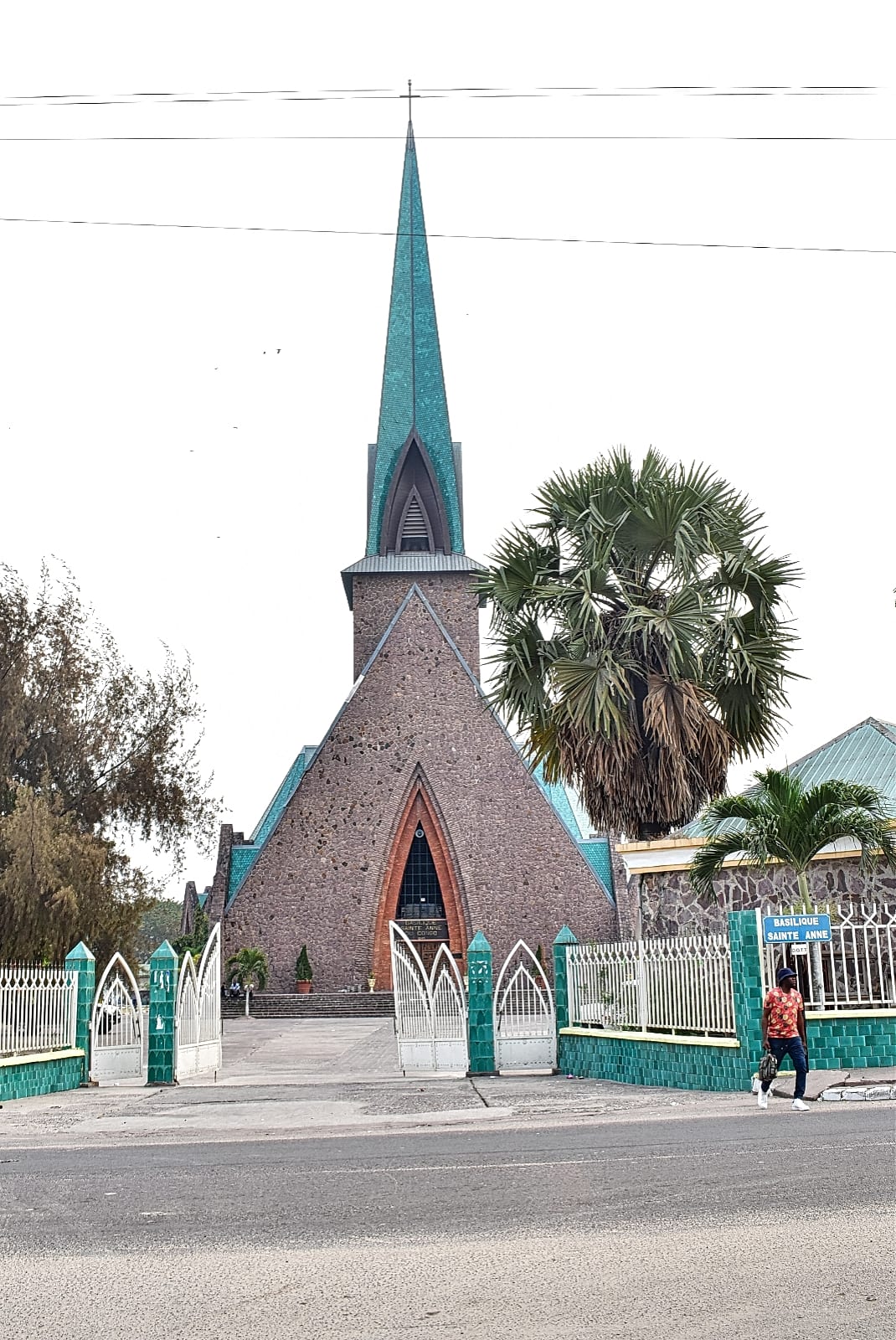
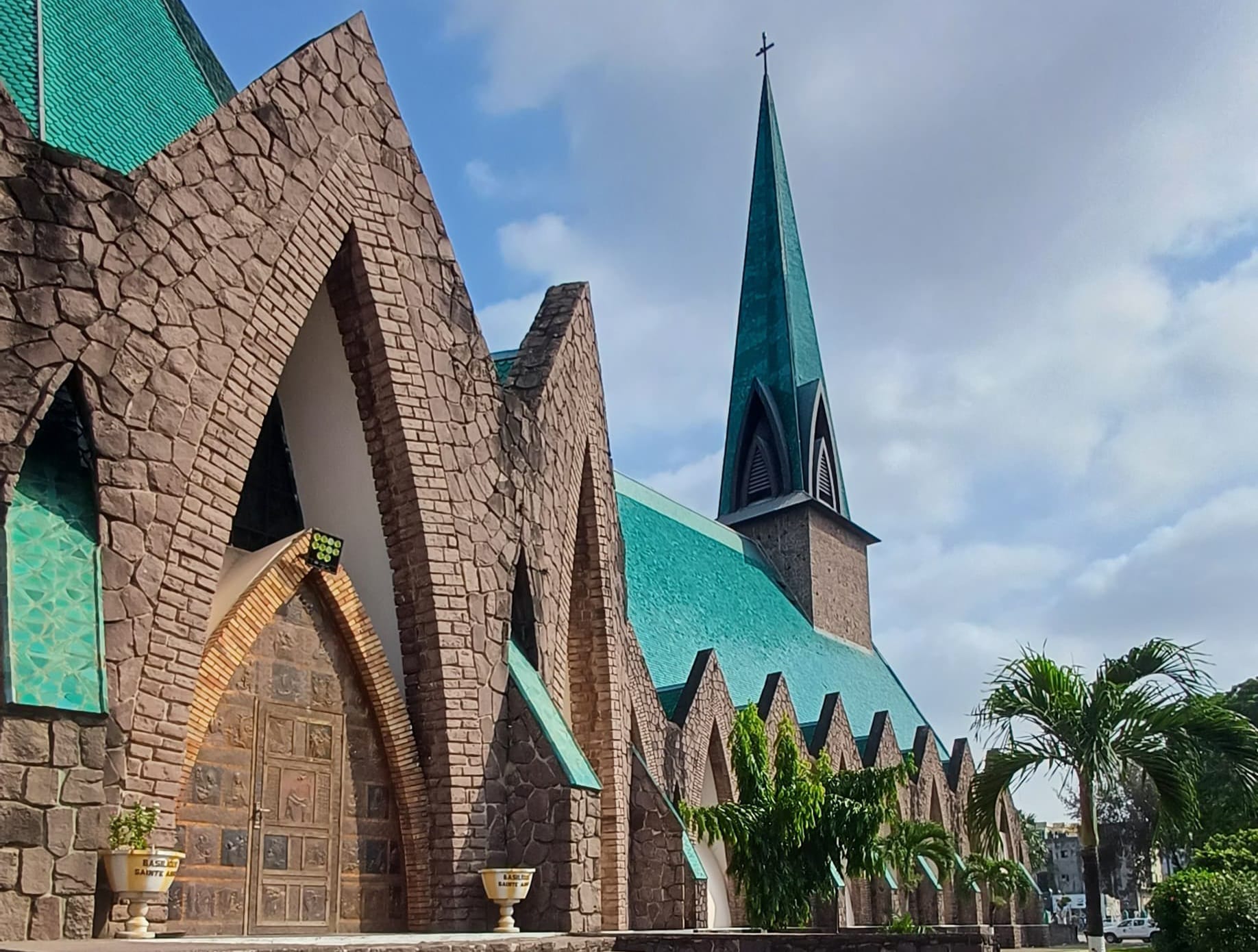
The Basilique Sainte-Anne, built in the 1940s under French colonial rule to a design by the architect Roger Erell, is Brazzaville's most recognisable landmark, its distinctive green-tiled roof visible across much of the city centre. Brazzaville itself, facing Kinshasa (capital of the Democratic Republic of the Congo) directly across the Congo River, offers riverside views of a genuinely unusual sight: two national capitals on opposite banks within clear view of one another.
2. Odzala-Kokoua National Park
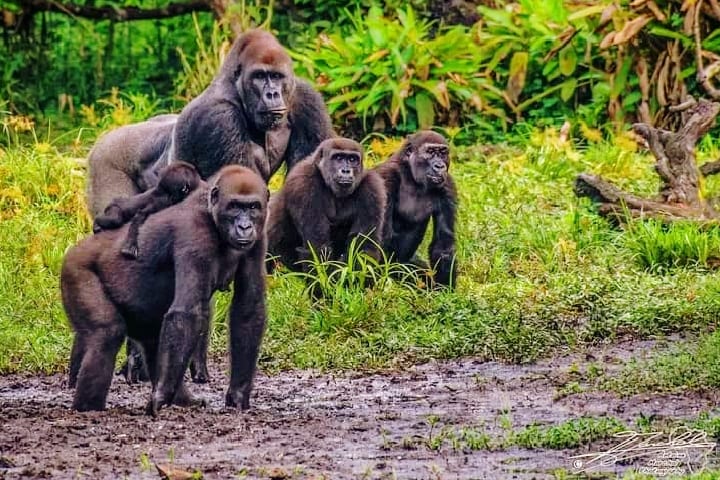
Odzala-Kokoua, one of Africa's oldest national parks (first protected in
- and, as the Forest Massif of Odzala-Kokoua, a UNESCO World Heritage
Site since 2023, protects dense rainforest in the country's northwest that holds one of the most important remaining populations of western lowland gorillas, alongside forest elephants, forest buffalo, and some 440 recorded bird species. A small number of specialist lodges offer guided gorilla tracking here, though visitor numbers remain far lower than at better-known gorilla destinations in East Africa, reflecting both the remoteness of the park and the country's limited tourism infrastructure.
3. The Congo River basin
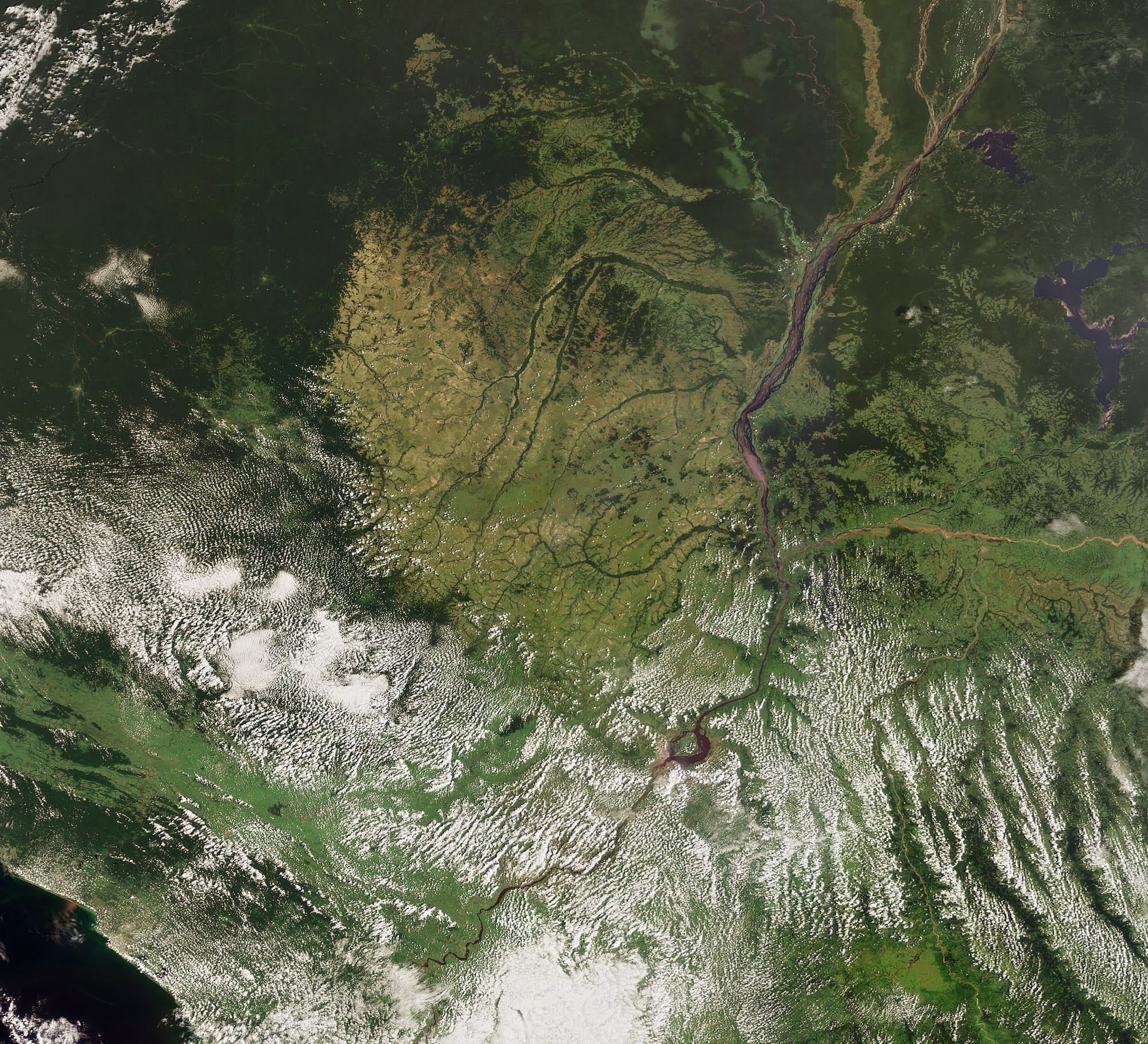
The Congo River, the second-longest river in Africa and the deepest river in the world, drains the second-largest river basin on earth, much of it covered by the world's second-largest rainforest after the Amazon. River travel, often by pirogue, remains important in parts of the interior, connecting forest communities where roads do not reach.
4. The Likouala swamp forest
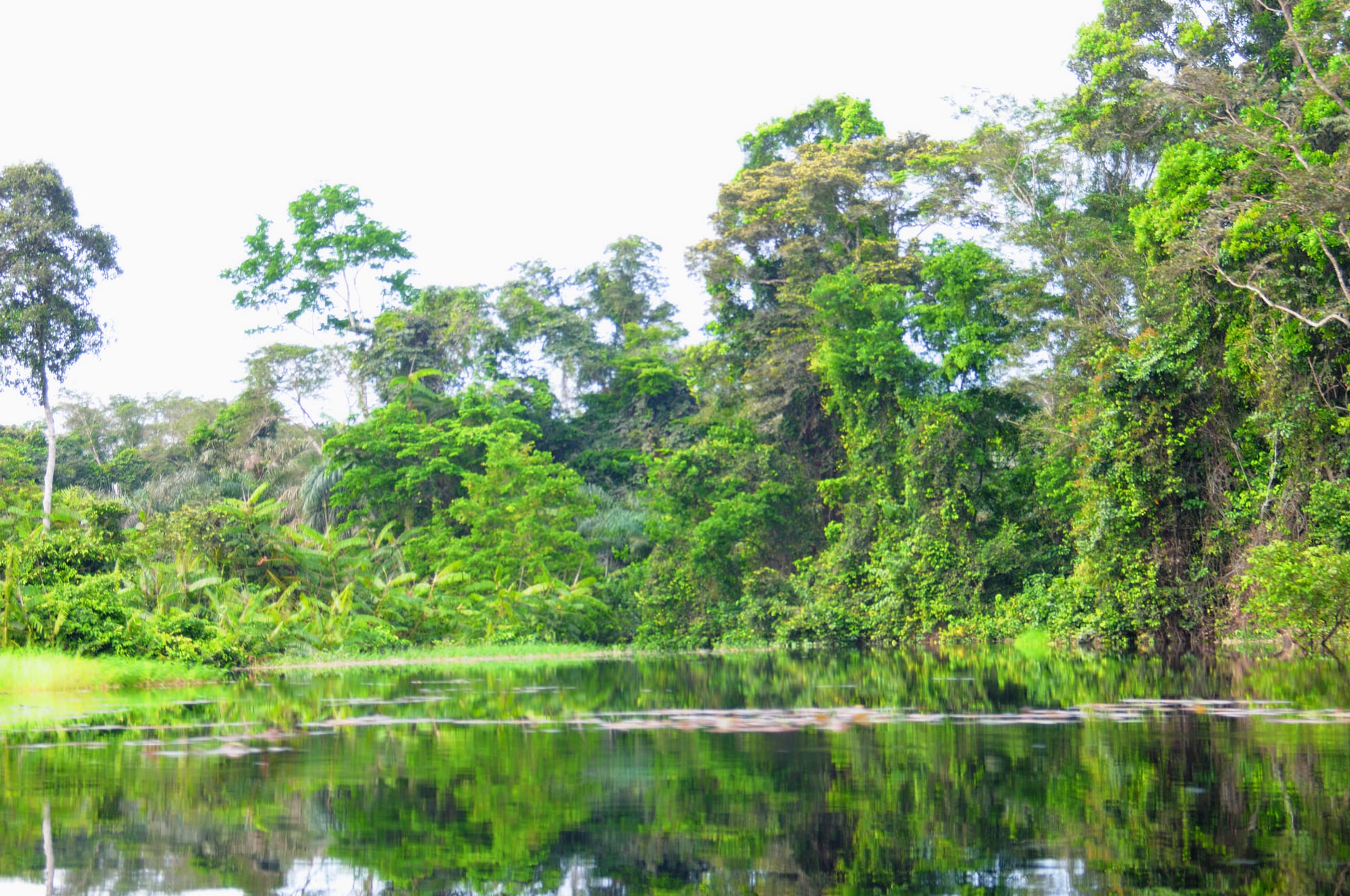
The Likouala region in the country's remote north holds part of the vast peat swamp forests of the central Congo Basin, whose peat was only mapped in detail in 2017 and found to hold around 28 per cent of all tropical peat carbon. It remains one of the least-visited and least-developed wilderness areas anywhere in Central Africa, reachable only with significant logistical planning.
5. Pointe-Noire
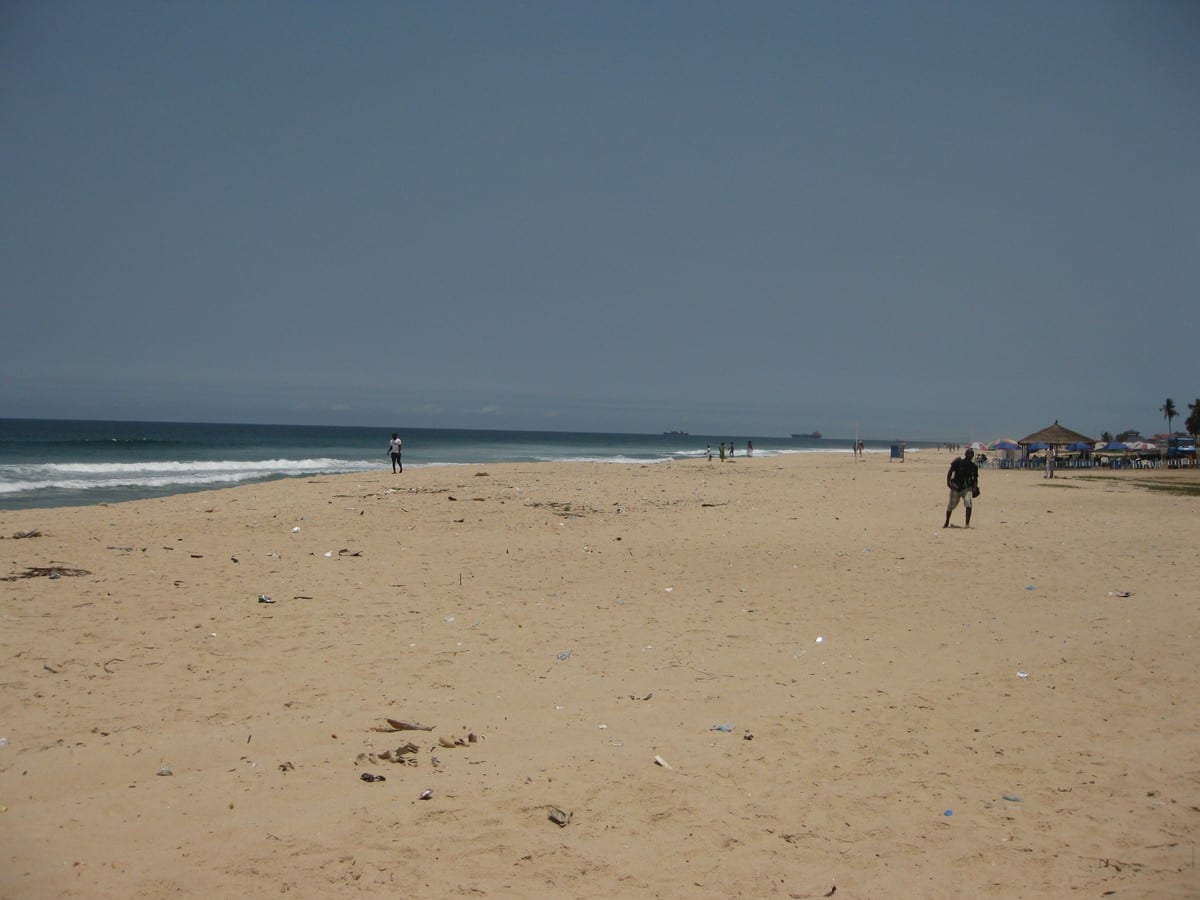
Pointe-Noire, the country's main Atlantic port and the centre of its offshore oil industry, offers wide sandy beaches along the coast and serves as the gateway to Conkouati-Douli National Park to the north, near the border with Gabon, which combines coastal lagoons, forest, and some of the world's most important leatherback turtle nesting beaches with lowland gorilla and chimpanzee habitat inland.
The Republic of the Congo remains a genuinely off-the-beaten-path destination: a trip combining Brazzaville with a specialist-guided visit to Odzala-Kokoua is the most realistic way most visitors experience the country's natural highlights, generally arranged well in advance through a tour operator experienced with the region.