Attractions & Natural Wonders · Romania
Romania: Seven Attractions and Natural Wonders
A hilltop castle inseparably linked to the Dracula legend, one of the world's largest wetlands teeming with pelicans, a fortified medieval town still lived in, and a mountain road built as a Cold War strategic military route
By Worldlore Editorial · 30 September 2026
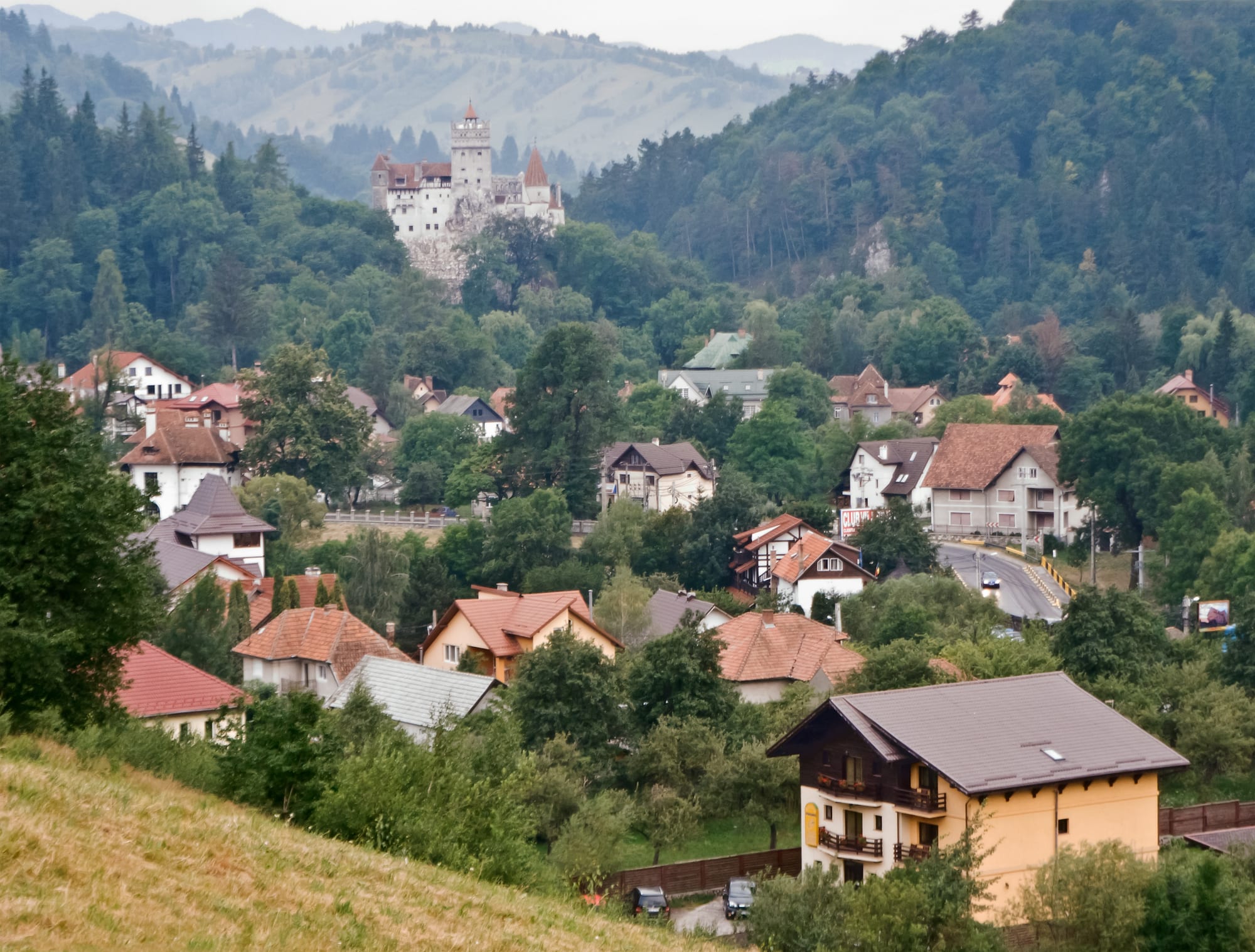
Transylvanian legend and Carpathian scenery
Romania, straddling the Carpathian Mountains in southeastern Europe, holds a particularly rich mix of medieval Transylvanian towns and castles, a communist-era capital reshaped by one of the 20th century's most extreme building projects, and one of the largest and best-preserved wetland ecosystems in Europe along the Danube. Its association with the Dracula legend, inspired loosely by the historical figure Vlad the Impaler and the castles of Transylvania, remains one of its best-known international draws, even where the connections are more marketing than historical fact.
The seven below run from Transylvania to Bucharest and the Danube Delta. Spring through autumn suits most of the sights; the mountain roads close with winter snow.
1. Bran Castle
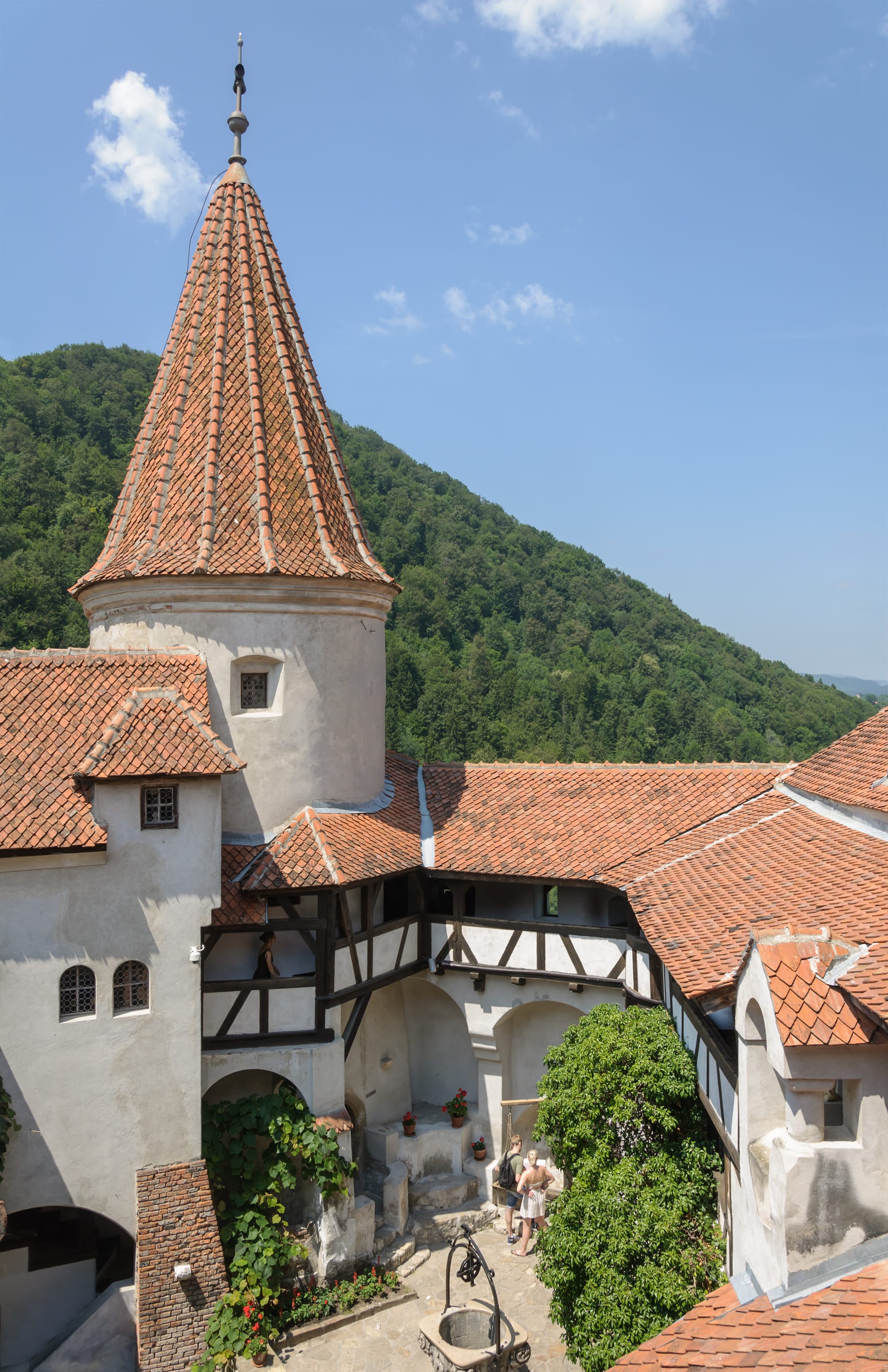
Bran Castle, built by the Saxons of Brașov from 1377 to guard a mountain pass between Transylvania and Wallachia, has only a loose historical connection to Vlad the Impaler (the inspiration for Bram Stoker's Dracula) but has nonetheless become one of the country's best-known sights on the strength of that association. Its steep towers and hilltop setting have made it a fixture of Transylvanian tourism regardless of the historical fine print.
2. Peleș Castle
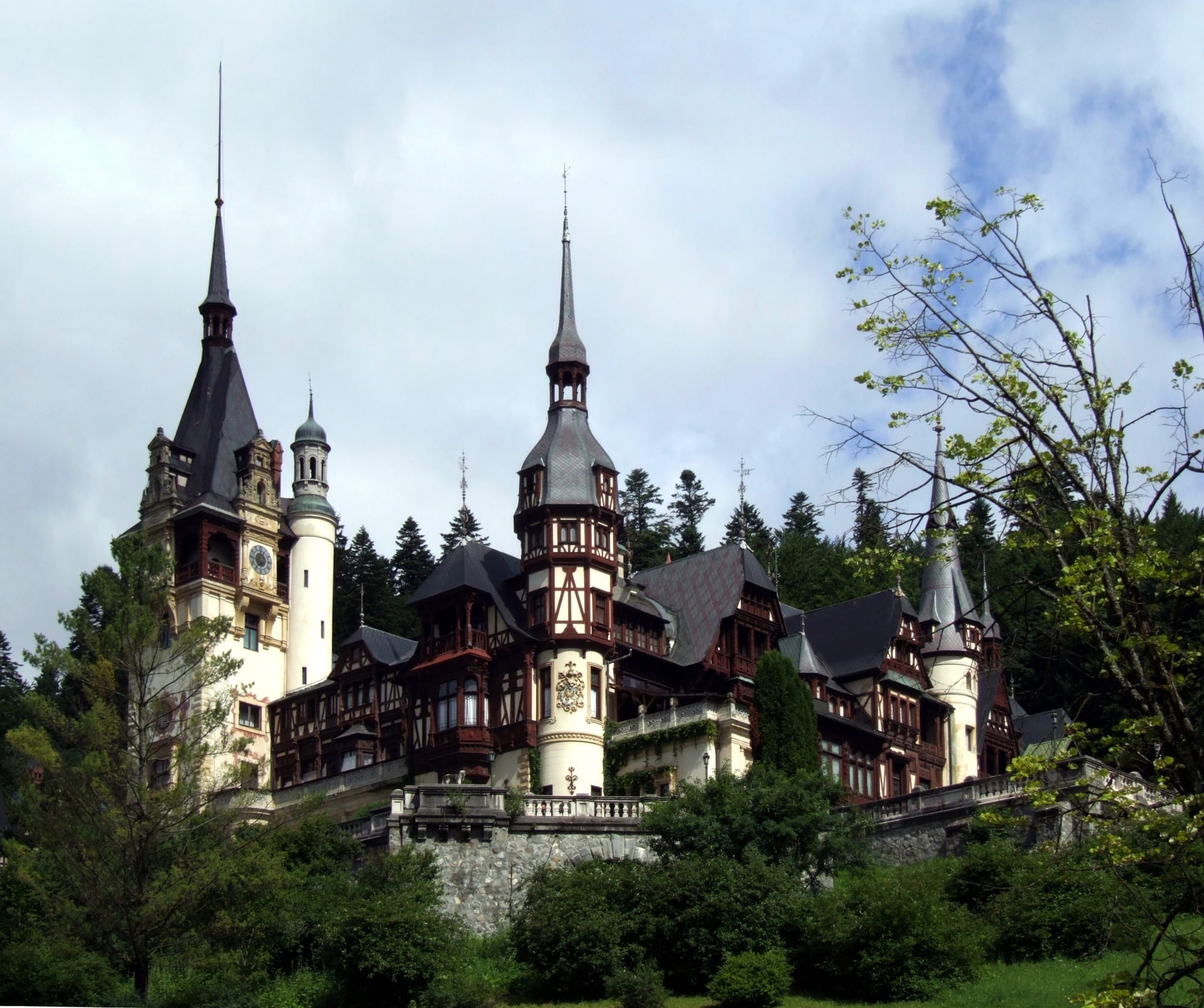
Peleș Castle, begun in 1873 for King Carol I, inaugurated in 1883 and extended until 1914, is one of Europe's most admired royal residences — an ornate Neo-Renaissance exterior surrounding interiors of carved wood and stained glass, and a technologically advanced home for its era, the world's first castle fully powered by locally produced electricity.
3. The Danube Delta
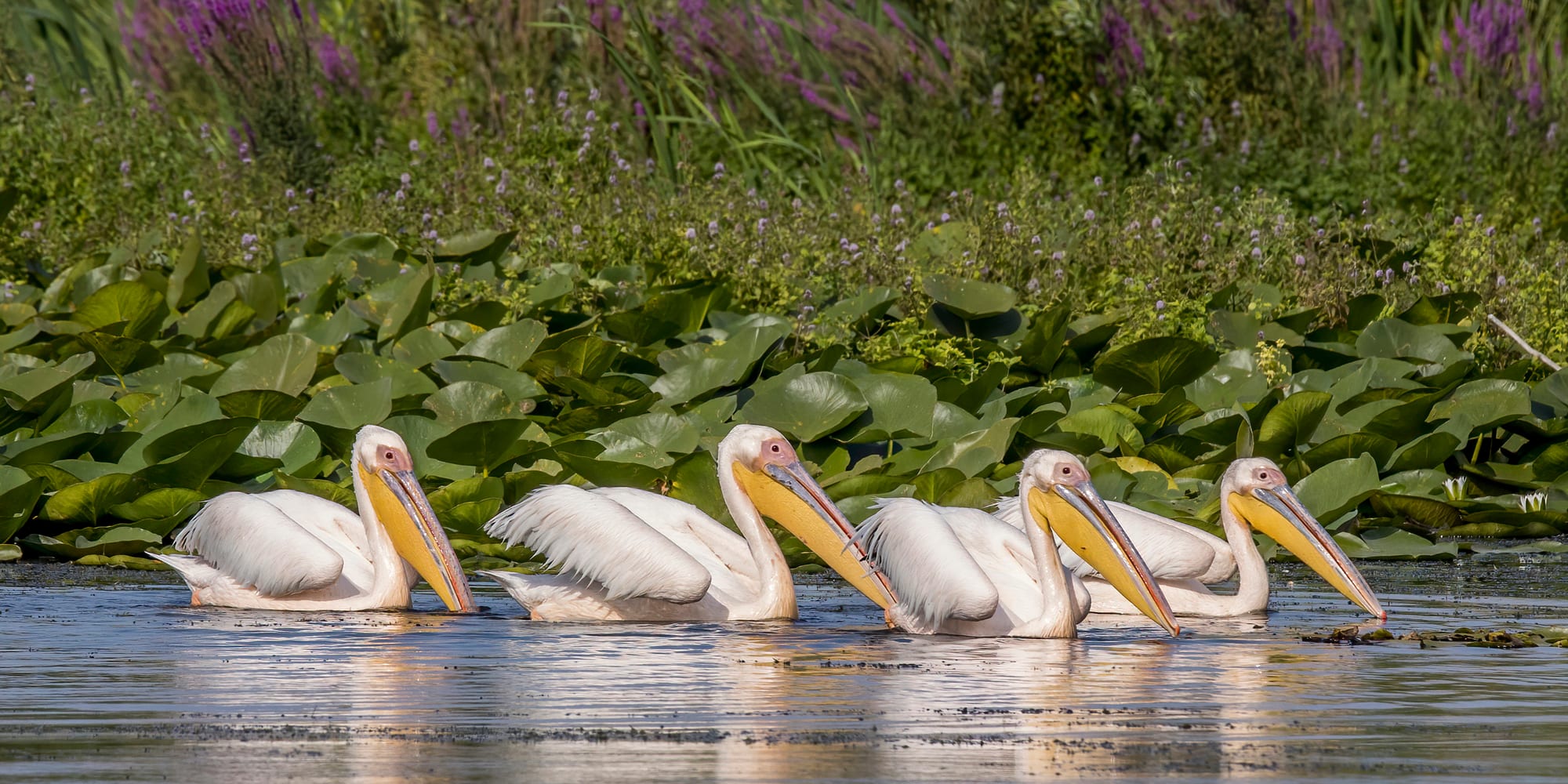
The Danube Delta, where Europe's second-longest river fans out into the Black Sea, forms one of the continent's largest and most important wetland systems and its best-preserved delta — a UNESCO World Heritage Site since 1991 and a biosphere reserve where over 320 bird species are found in summer, among them great white and Dalmatian pelicans. Traditional fishing villages, reached mainly by boat through a maze of channels and reed beds, keep a way of life shaped largely by the delta's waterways.
4. Sighișoara
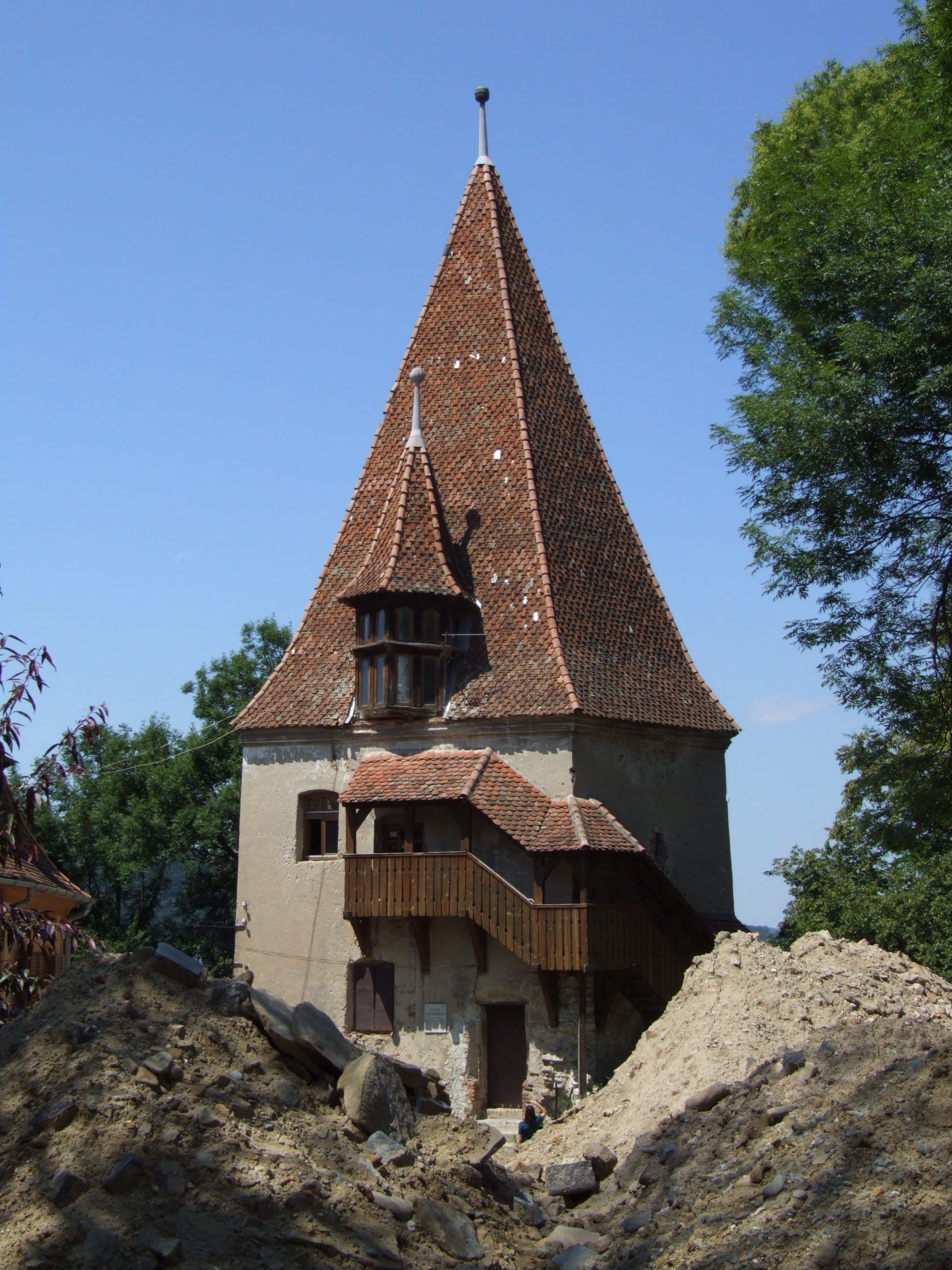
Sighișoara, whose historic centre has been a UNESCO World Heritage Site since 1999, preserves one of the finest still-inhabited fortified medieval towns in Europe, its cobbled streets, colourful merchant houses, and defensive towers built by Transylvanian Saxon settlers from the 12th century onward. It also claims to be the birthplace of Vlad the Impaler, adding another layer to the region's Dracula-tourism appeal.
5. The Palace of the Parliament, Bucharest
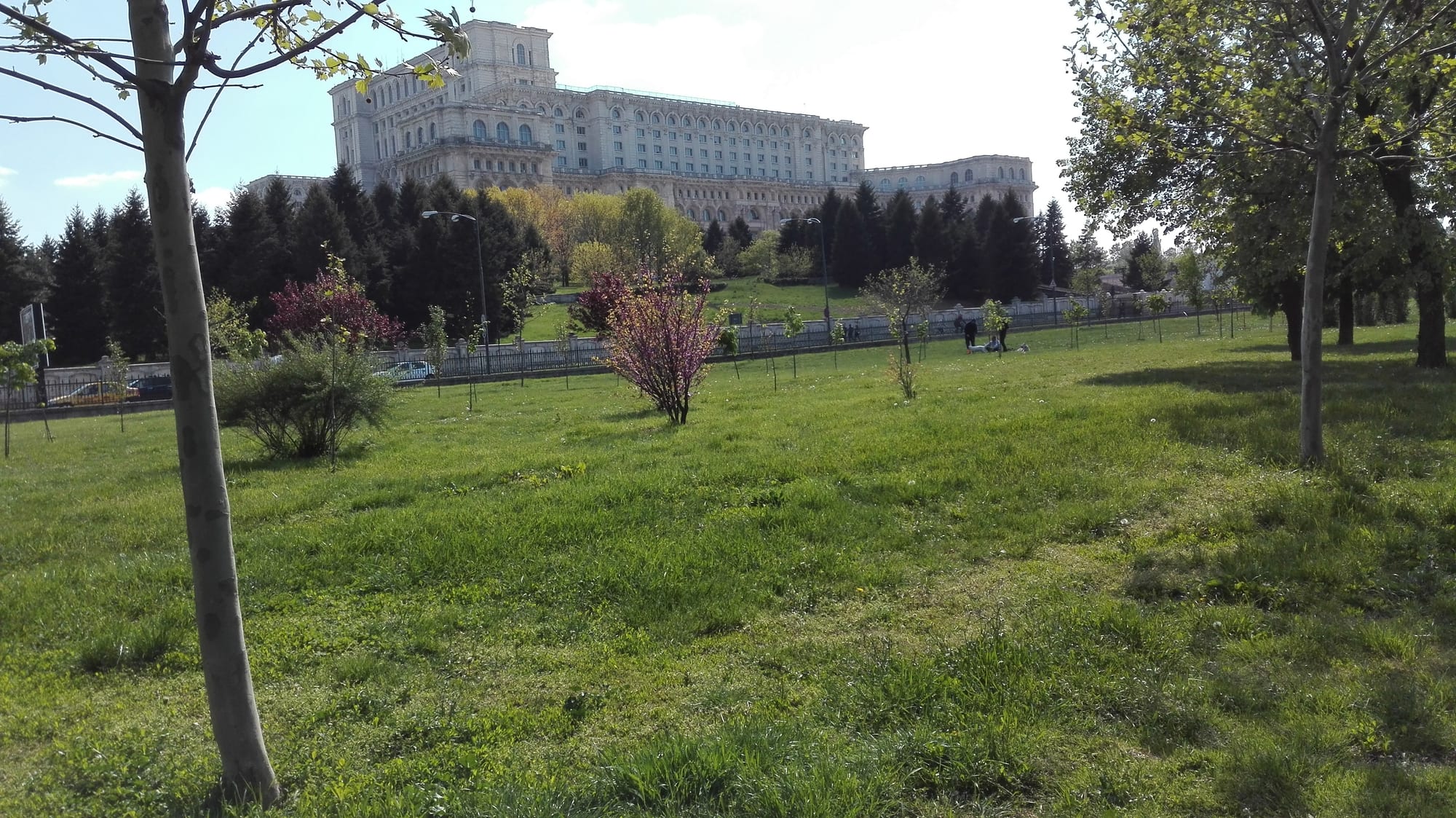
The Palace of the Parliament, ordered by dictator Nicolae Ceaușescu and built from 1984 to 1997 at enormous human and financial cost, is the largest civilian administrative building in the world and the heaviest building on earth, a monument to communist-era excess for which some 40,000 Bucharest residents were relocated and about 7 square kilometres of the old city centre demolished. It now houses the Parliament and several museums, and its interiors can be visited, offering an unusually direct look at the scale of Ceaușescu's ambitions.
6. The Transfăgărășan
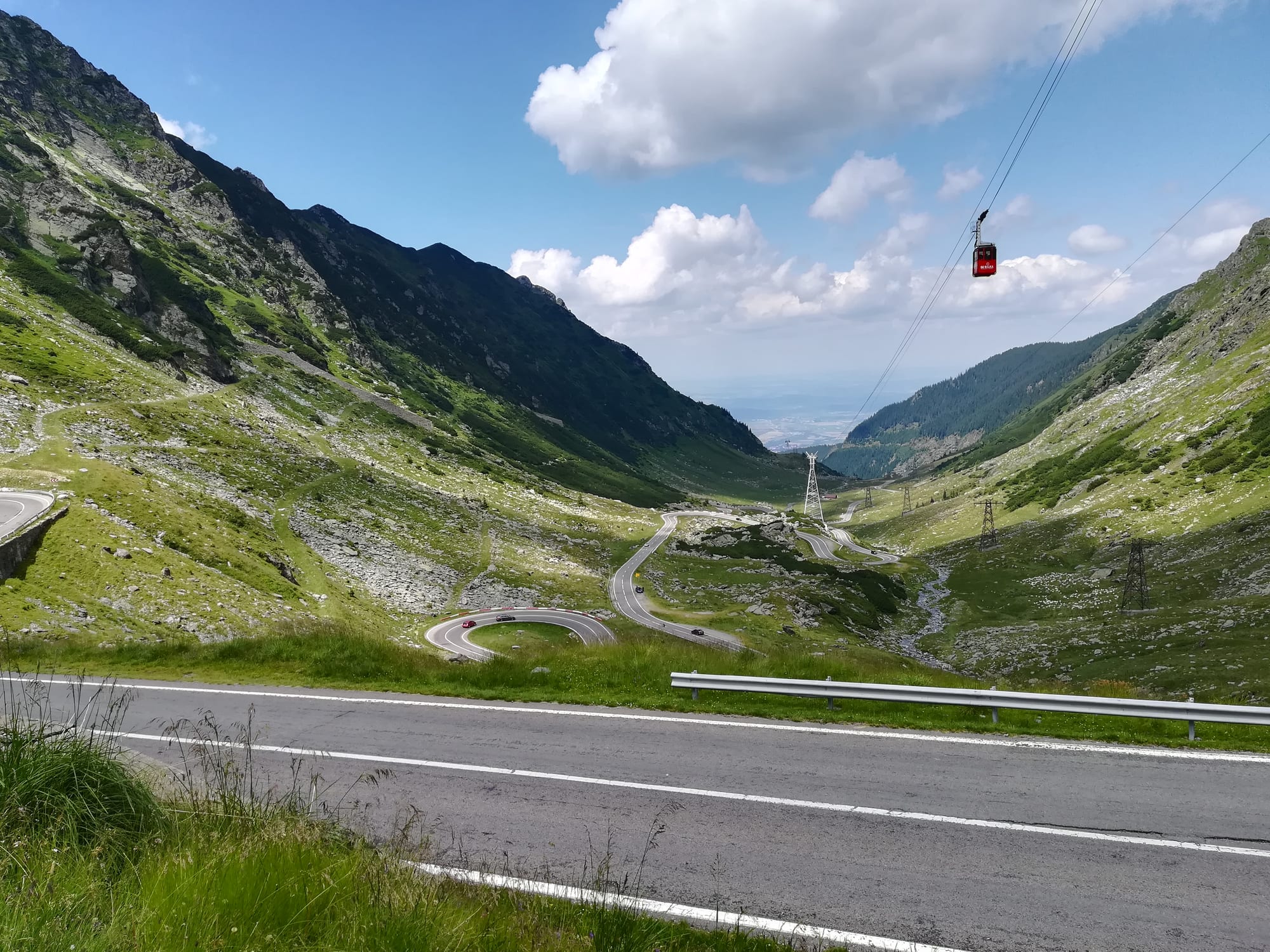
The Transfăgărășan, built between 1970 and 1974 as a strategic military route to allow rapid troop movement across the mountains in the event of a Soviet invasion, crosses the Carpathians via one of the most dramatic switchback roads in Europe, memorably featured on Top Gear in 2009. Snow usually closes it from late October until late June.
7. The painted monasteries of Bucovina
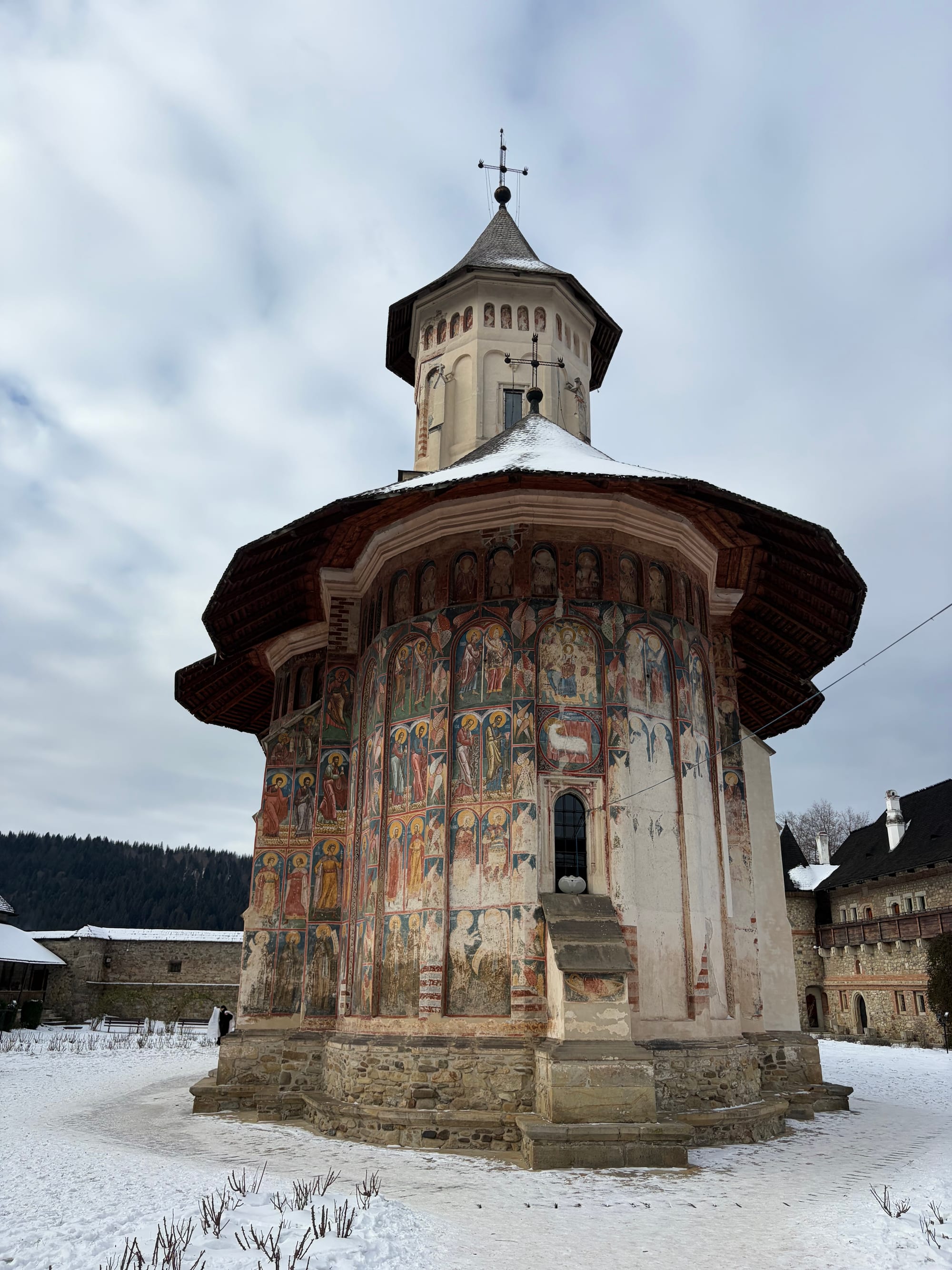
The painted monasteries of Bucovina, in Romania's northeast, are covered both inside and out with elaborate 15th- and 16th-century frescoes depicting biblical scenes, remarkably well preserved despite centuries of exposure to the elements. Several, including Voroneț (celebrated for a distinctive blue pigment known as "Voroneț blue") and Moldovița, are UNESCO World Heritage Sites (the Churches of Moldavia, inscribed in 1993) and remain places of worship today.
Romania rewards a Transylvania-focused week (Bran, Peleș, Sighișoara, and the Transfăgărășan) or a longer trip adding Bucharest and the Danube Delta, with car rental generally the most practical way to cover the mountain routes.