Food · Russia
Russia: Food and the National Dish
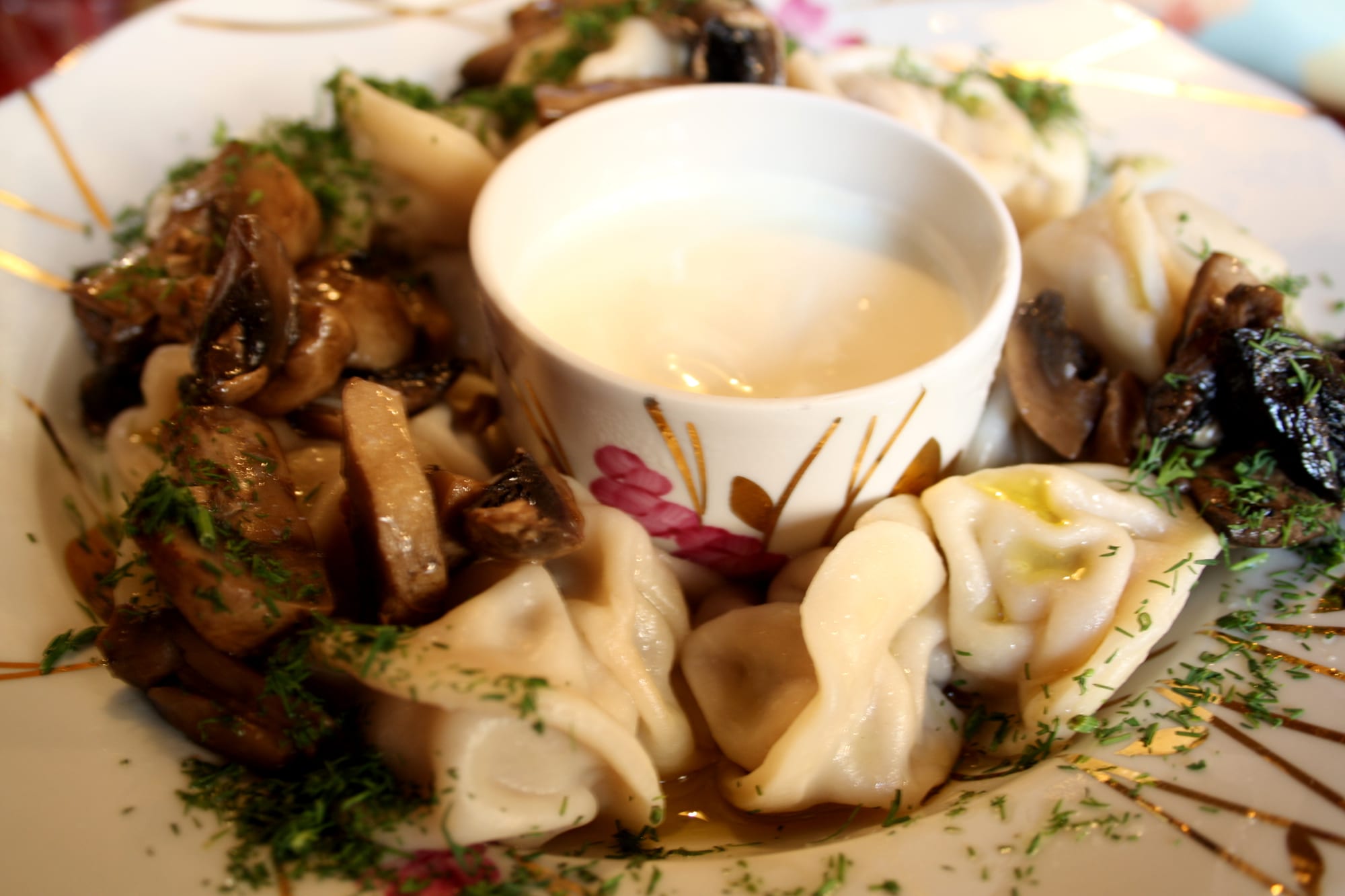
Boiled dumplings filled with meat, a staple since Russia's expansion into the Urals and Siberia and now made in home kitchens nationwide
By Worldlore Editorial · 30 September 2026
A cuisine shaped by an enormous territory and long winters
Russia's food reflects the sheer scale of the country, a cuisine built from Slavic farming traditions, the peoples of Siberia and the Urals and the practical demands of feeding people through long, cold winters across an enormous landmass.
The national dish: pelmeni
Pelmeni, small dumplings of thin dough filled with minced meat and boiled, served with sour cream, butter or vinegar, is widely regarded as Russia's national dish. The name was borrowed from the Komi and Udmurt languages of the Urals, and the dumplings became a staple as Russia expanded into the Urals and Siberia. In Siberia they were traditionally frozen outdoors in winter and kept as preserved food, and hunters heading into the taiga carried sacks of them.
Rye, dairy and a genuinely regional pantry
Rye bread, dairy in the form of sour cream and kefir, and root vegetables like potatoes and beetroot anchor much of everyday Russian cooking. Buckwheat, dill and mushrooms, foraged widely across the country's forests, round out a pantry shaped by farming traditions suited to a cold climate and a long growing season in the south.
History behind the dumpling
Pelmeni's origins are contested. One theory links them to Chinese dumplings such as jiaozi, possibly carried to Siberia and the Urals by the Mongols; another holds that they began in the Urals, among Finno-Ugric peoples such as the Komi and Udmurts. Their practicality for a cold climate, frozen in bulk and stored outdoors or carried on long winter journeys, helped the dish spread across Russia's enormous territory long before refrigeration existed.
Dishes to know
Five more to recognise across Russia:
- Borscht — a beetroot soup, widely eaten across Russia and shared,
sometimes contested, across the wider region; in 2022 UNESCO inscribed the culture of Ukrainian borscht cooking as heritage in need of urgent safeguarding, noting that this implies no exclusive ownership of the dish.
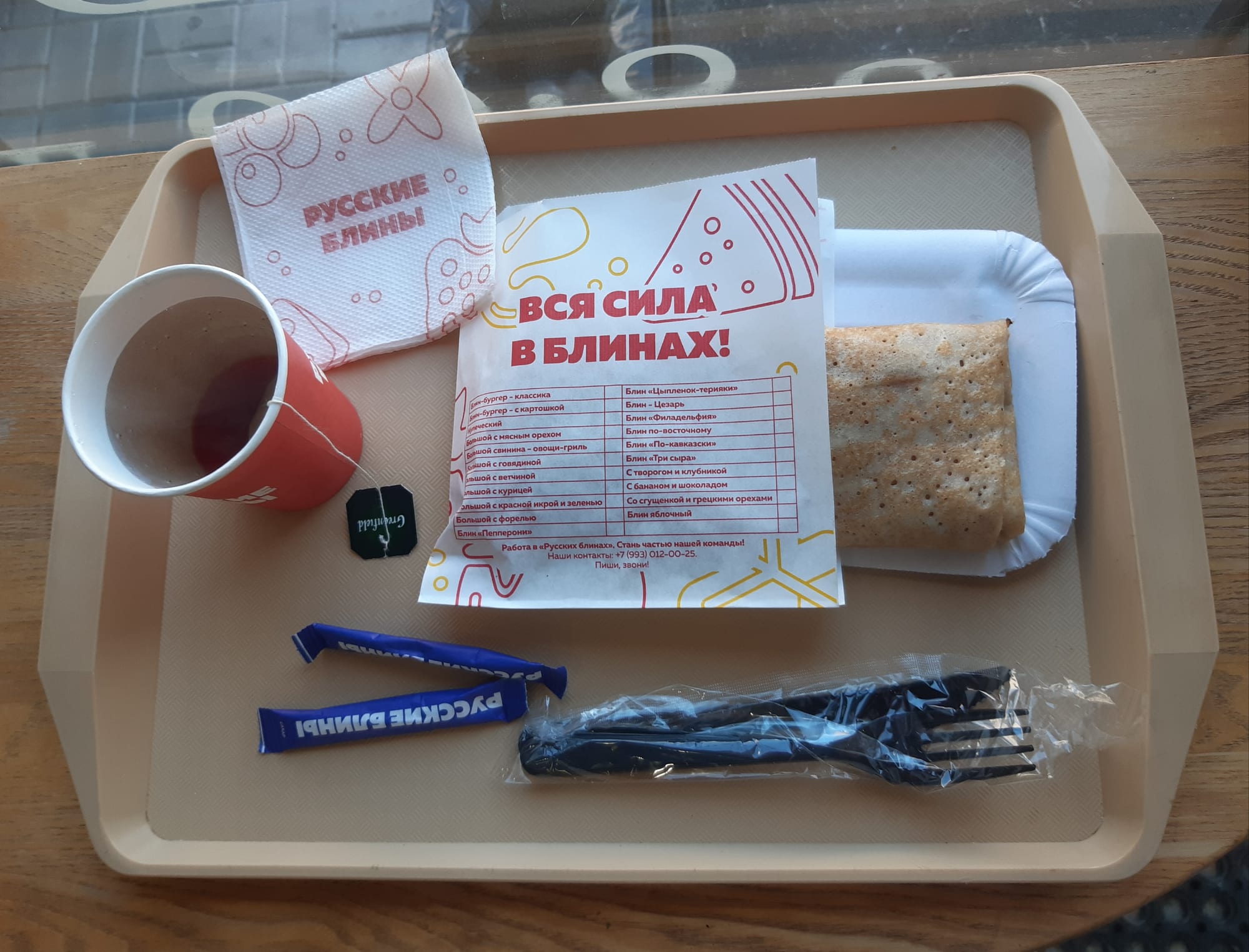
- Blini — thin pancakes, served with sour cream, caviar or jam,
traditionally central to Maslenitsa, the pre-Lent festival.
- Olivier salad — a mayonnaise-based salad of potato, egg, peas and
meat, a fixture at Russian New Year celebrations.
- Shchi — a cabbage-based soup, one of the country's oldest
documented dishes.
- Beef stroganoff — sautéed beef in a sauce of mustard and sour
cream, named after the noble Stroganov family and known since the 19th century.
Drinks
Vodka, distilled in Russia for centuries and central to toasts at gatherings, remains the country's best-known spirit. Kvass, a mildly fermented drink made from rye bread, and tea, traditionally brewed strong in a samovar, are widely drunk non-alcoholic alternatives.
Eating as a traveller
Vegetarians will find buckwheat, mushroom and dairy-based dishes manageable, though meat is central to most traditional Russian cooking. Tap water is not generally recommended to drink untreated; bottled water is the standard default. Trying pelmeni at a home-style restaurant, rather than a mass-produced frozen version, is a genuine way to taste the dish closer to how it's made at home.
What to take from the table
Pelmeni, carried across Russia's vast territory and frozen for long winters, is the dish that best reflects the country's food story: built for scale, cold and distance as much as for taste.